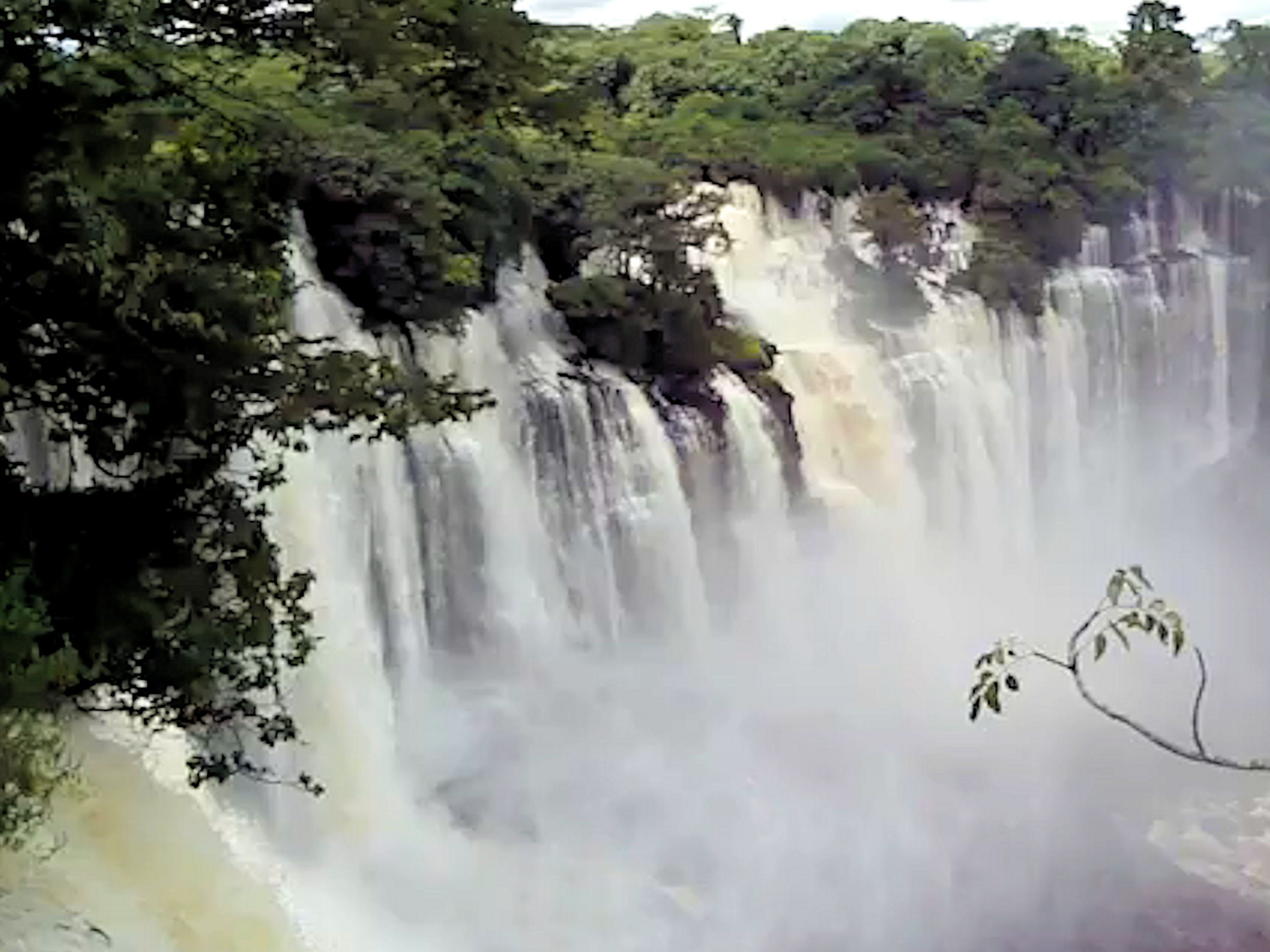
Quedas de Calandura: Angola’s Hidden Waterfall Gem
If you’ve ever dreamed of stepping off the beaten path and discovering a waterfall that feels like a secret whispered by the forest, Quedas de Calandura in Malanje, Angola is the place to make that dream real.
1. Introduction
Nestled in the rolling savanna of Angola’s Malanje Province, Quedas de Calandura (sometimes spelled “Quedas de Calandula”) is a pristine waterfall that remains largely unknown to mass‑tourism crowds. The roar of water plunging over basalt cliffs, the mist that kisses the surrounding vegetation, and the sense of isolation make this spot a magnet for adventure‑seeking travelers, photographers, and anyone who loves raw nature.
Whether you’re planning a solo backpacking trek, a family road‑trip, or a romantic getaway, the waterfall offers a perfect blend of natural beauty and cultural intrigue—plus a convenient base for exploring other attractions in the Malanje region.
2. About Quedas de Calandura
A Brief Description
Quedas de Calandura is a waterfall located at latitude ‑9.074067 and longitude 16.000316, just outside the town of Malanje. While the exact height of the cascade is not officially recorded, the waterfall’s breadth and the volume of water create an impressive curtain that can be seen from several meters away. The surrounding landscape is a mix of open grasslands, scattered trees, and rugged rock formations, giving the site a dramatic, almost cinematic backdrop.
Historical and Cultural Significance
The waterfall takes its name from the nearby town of Calandula, a settlement with a rich colonial history dating back to Portuguese exploration in the 16th century. Local folklore tells stories of the water spirit “Calandula”, believed to protect travelers and bring fertility to the land. Over the years, the falls have served as a gathering place for nearby villages, especially during the rainy season when the water flow is at its peak.
Although the waterfall is not listed as a UNESCO World Heritage site, it is featured on the Portuguese‑language Wikipedia page for “Quedas de Calandura,” highlighting its growing recognition among travelers and researchers alike.
Why It Matters
In a country where tourism is still emerging, Quedas de Calandura represents an eco‑tourism opportunity that can boost local economies while preserving natural habitats. The site encourages responsible travel, as visitors are urged to respect the delicate ecosystem and support community‑run initiatives such as guided hikes and local craft stalls.
3. How to Get There
From Luanda (Angola’s Capital)
- Fly to Malanje – Several domestic airlines operate daily flights from Luanda’s Quatro de Fevereiro International Airport (LAD) to Malanje Airport (MEG). The flight lasts roughly 1 hour and 15 minutes.
- Rent a Car or Join a Transfer – Upon arrival, you can rent a 4×4 vehicle (highly recommended for the unpaved roads) or arrange a pre‑booked transfer through a local tour operator.
By Road
- From Malanje Town: The waterfall lies about 10–12 km north of the town center. The most common route is via the EN 120 highway, which turns into a dirt road after the last signpost. The drive takes 20–30 minutes depending on road conditions.
- Navigation: Input the coordinates ‑9.074067, 16.000316 into your GPS or Google Maps. The road is marked as “Estrada da Quedas de Calandura.”
Public Transport
Mini‑buses (locally called “carrinhas”) run between Malanje and nearby villages. Ask the driver if they can stop near the waterfall; many are familiar with the site and will drop you off at the designated parking area for a small fee.
Parking & Access
A modest parking lot sits at the trailhead. From there, a short, well‑marked footpath (approximately 300 meters) leads to a viewing platform that offers panoramic views of the cascade. The path is easy to moderate—suitable for most fitness levels, though sturdy shoes are advisable.
4. Best Time to Visit
| Season | Weather | Water Flow | Visitor Experience |
|---|---|---|---|
| Dry Season (May – September) | Warm, clear skies, low humidity | Lower water volume, but still impressive | Ideal for hiking, photography, and comfortable travel conditions |
| Rainy Season (October – April) | Frequent showers, higher humidity | Peak flow—water thunders down the rocks, creating a spectacular mist | Best for waterfall enthusiasts who love powerful cascades, but trails can be slippery; bring waterproof gear |
Recommendation: For most travelers, the late dry season (July–August) offers a perfect balance—pleasant weather, manageable crowds, and a visible, yet not overwhelming, water flow. If you crave the full roar of the falls, plan for December or January, but be prepared for muddy paths and possible road delays.
5. What to Expect
The Senses
- Sight: The water plunges over a broad basalt ledge, creating a veil of white foam that contrasts sharply with the deep green foliage. Sunlight often pierces the mist, producing vivid rainbows—perfect for Instagram moments.
- Sound: A constant, soothing roar accompanies you, punctuated by the occasional bird call. The sound can be both energizing and meditative.
- Touch: The mist cools the air, offering a refreshing respite from the Angolan heat. If you’re brave, you can walk closer to the base (use caution—rocks are slippery).
Facilities
- Viewing Platform: A wooden deck with safety railings provides a safe spot for photos and a place to sit and soak in the view.
- Restrooms: Basic toilet facilities are available near the parking area; they are simple but clean.
- Food & Drink: Small kiosks run by local vendors sell fresh fruit, bottled water, and traditional snacks like piri‑piri chicken and cachupa.
Activities
- Guided Hikes: Local guides can lead you on short treks to nearby viewpoints and explain the flora, fauna, and legends of the area.
- Photography: The waterfall’s ever‑changing light makes it a favorite for landscape photographers.
- Picnicking: Bring a packed lunch and enjoy a picnic on the grassy banks while listening to the water’s lullaby.
6. Nearby Attractions
While Quedas de Calandura can easily fill a half‑day, the surrounding region offers additional points of interest that enrich your itinerary:
| Attraction | Type | Distance from Quedas de Calandura | Quick Note |
|---|---|---|---|
| Calandula Falls | Waterfall | 0.1 km | Often considered part of the same cascade system; a short walk away. |
| Unnamed Waterfall | Waterfall | 0.2 km | A smaller, hidden fall—perfect for a quick detour. |
| Lagoa | Weir | 37.5 km | A tranquil reservoir ideal for bird‑watching and sunset views. |
| Represa de água Terras de Koló | Weir | 38.5 km | Offers a scenic spot for fishing and local picnics. |
| Unnamed Dam | Dam | 43.1 km (Cuanza Norte) | Provides insight into Angola’s hydro‑infrastructure; a nice stop on the way back to Malanje. |
Tip: Many of these sites are accessible via the same EN 120 road, making a day‑trip loop from Malanje very feasible.
7. Travel Tips
| Tip | Why It Matters |
|---|---|
| Hire a Local Guide | Guides know the safest routes, share cultural stories, and can negotiate small fees for you at vendor stalls. |
| Carry Cash (Kz) | Small towns and roadside vendors often accept only cash; ATMs are scarce outside Malanje. |
| Dress for the Weather | Light, breathable clothing for the dry season; waterproof jackets and quick‑dry shirts for the rainy months. |
| Stay Hydrated | The Angolan climate can be hot and dry; bring at least 2 L of water per person. |
| Respect the Environment | Pack out all trash, stay on marked trails, and avoid disturbing wildlife. |
| Check Road Conditions | During the rainy season, the dirt roads can become muddy; a 4×4 vehicle is highly recommended. |
| Timing for Sunlight | Early morning (7–9 am) or late afternoon (4–6 pm) provides the best lighting for photos and cooler temperatures. |
| Health Precautions | Bring insect repellent (mosquitoes are common near water) and consider anti‑malaria medication if traveling from non‑endemic regions. |
| Connectivity | Mobile coverage is limited; download offline maps and any essential travel documents before you leave. |
| Cultural Etiquette | Greet locals with a friendly “Bom dia” (good morning) or “Olá”; showing respect goes a long way in building rapport. |
Closing Thoughts
Quedas de Calandura may not yet be on every traveler’s bucket list, but that’s precisely what makes it a must‑see destination for the intrepid explorer. Its raw beauty, easy accessibility from Malanje, and the chance to immerse yourself in Angola’s emerging eco‑tourism scene create a travel experience that feels both authentic and unforgettable.
Pack your camera, lace up your hiking boots, and set your compass for the mist‑kissed cliffs of Quedas de Calandura—Angola’s hidden waterfall treasure awaits.
Keywords: Quedas de Calandura, waterfall Angola, Malanje travel, Angola waterfalls, things to do in Malanje, Angola eco‑tourism, best time to visit Quedas de Calandura, travel tips Angola, nearby attractions Malanje.