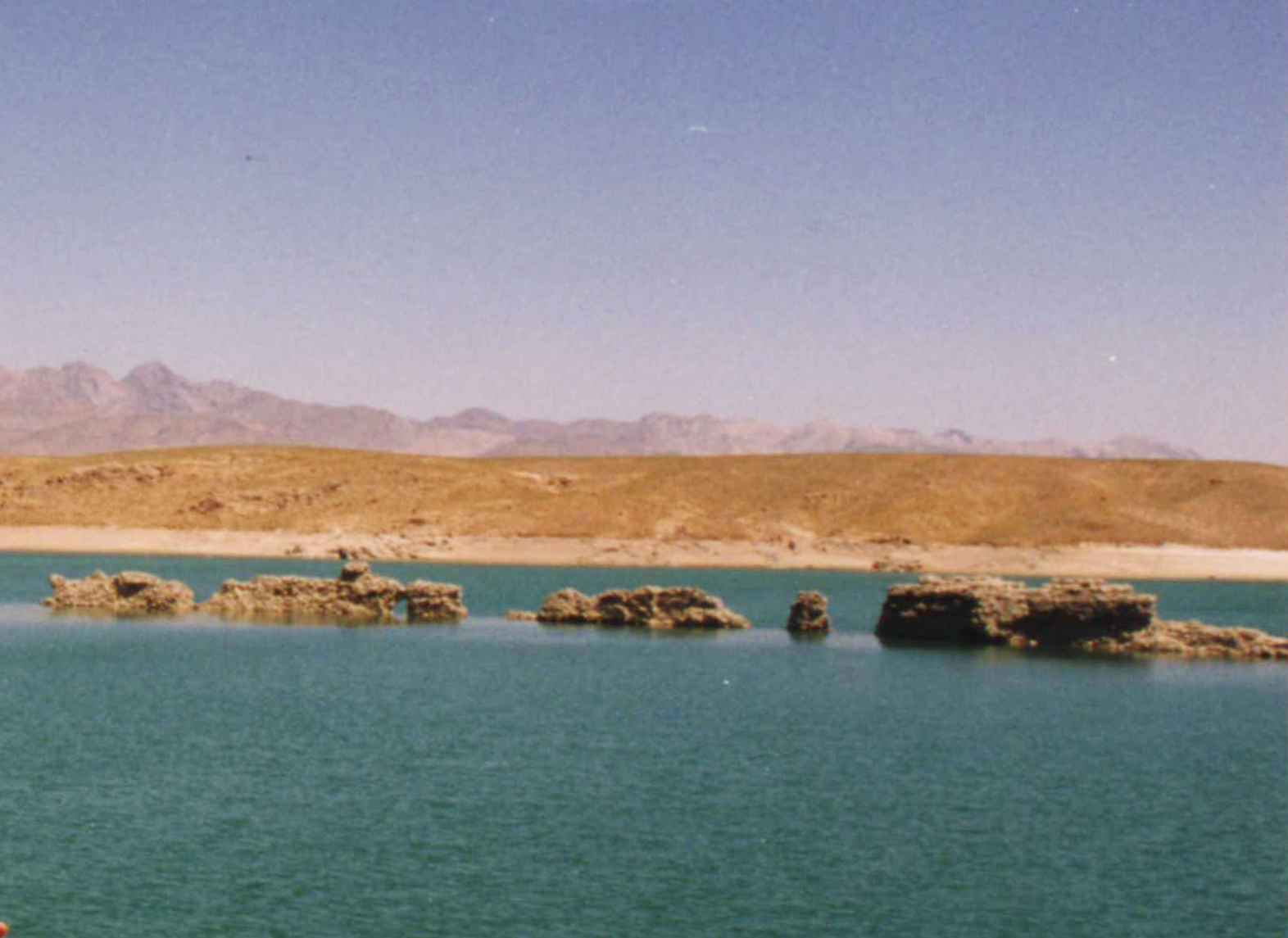
بند چک (Chaki Wardak Dam) – A Hidden Gem in Afghanistan’s Heartland
Discover the tranquil beauty of the Chaki Wardak Dam, a serene oasis nestled in the rugged terrain of Vardak, Afghanistan. Whether you’re a nature lover, a photography enthusiast, or a cultural explorer, this off‑the‑beaten‑path destination offers a refreshing escape and a glimpse into the country’s vital water infrastructure.
1. Introduction
Imagine standing on the edge of a crystal‑clear reservoir, the surrounding hills painted in shades of amber and emerald, while the gentle hum of water spilling over a concrete spillway fills the air. That’s the experience awaiting you at بند چک, more widely known as the Chaki Wardak Dam.
Located in the Markaz‑e Sayyidabad district of Vardak Province, this modest yet vital dam is a quiet testament to Afghanistan’s ongoing efforts to harness its natural resources for irrigation, drinking water, and flood control. While the dam itself may not boast towering heights or world‑record statistics, its setting—set against the dramatic Afghan landscape—makes it a compelling stop for any traveler venturing off the usual tourist trail.
In this guide, we’ll walk you through everything you need to know to plan a memorable visit: the dam’s background, how to get there, the best seasons to explore, what you’ll see on site, nearby attractions, and essential travel tips.
2. About بند چک
A Brief Description
- Name: بند چک (Chaki Wardak Dam)
- Type: Dam 🏗️ (primary purpose: water storage and irrigation)
- Location: Markaz‑e Sayyidabad, Vardak, Afghanistan
- Coordinates: 34.106570° N, 68.578485° E
The Chaki Wardak Dam sits in a valley that channels seasonal runoff from the surrounding mountains into a modest reservoir. Though official data on its height and altitude remain unpublished, the structure’s concrete spillway and earthen embankments blend seamlessly with the rugged terrain, creating a picturesque backdrop for sunrise and sunset photography.
Historical Context
The dam was constructed as part of Afghanistan’s broader water‑resource development program, aiming to improve agricultural productivity in the Wardak region. While exact construction dates are not widely documented, the dam has become an essential component of local irrigation networks, supporting small‑scale farms and providing a reliable water source for nearby villages.
Why It Matters
- Agricultural Lifeline: The stored water supplies irrigation for wheat, barley, and fruit orchards that dot the valley.
- Community Resource: Villagers rely on the dam for domestic water, especially during the dry summer months.
- Ecotourism Potential: Its tranquil reservoir and surrounding hills attract birdwatchers, hikers, and photographers seeking untouched natural scenery.
For a concise reference, see the Wikipedia entry: Chaki Wardak Dam.
3. How to Get There
From Kabul (the most common gateway)
- Fly or Drive to Kabul International Airport – Most international travelers will land in Kabul.
- Hire a 4×4 Vehicle – The road from Kabul to Wardak can be rough, especially after rain, so a sturdy vehicle with a driver familiar with local conditions is advisable.
- Head Southwest on the Kabul‑Kandahar Highway (A01) – After about 30 km, take the Kabul‑Wardak turnoff toward Markaz‑e Sayyidabad.
- Follow Signage to Vardak – The drive from the highway junction to the dam is roughly 45 km, winding through mountainous terrain and small villages. Expect a travel time of 1.5–2 hours, depending on road conditions.
Public Transportation (for the adventurous)
- Buses/Minibuses: Daily minibuses run from Kabul’s Maidan Square to the town of Sayyidabad. From there, you can hire a local tuk‑tuk or motorcycle taxi for the final 10 km to the dam.
- Note: Public transport may be infrequent and less comfortable; plan for flexibility and carry extra water and snacks.
By Air (for the ultra‑luxury traveler)
The nearest airstrip is Kabul International Airport; there are no commercial flights to Wardak. Private charter flights can land at small airstrips near Kabul‑Wardak if you have the resources.
Essential Travel Documents
- Afghan Visa: Obtain a tourist visa in advance (or on arrival at Kabul, if eligible).
- Travel Insurance: Ensure your policy covers road travel in remote areas.
4. Best Time to Visit
| Season | Weather | Why Visit? |
|---|---|---|
| Spring (March‑May) | Mild temperatures (15‑25 °C), blooming wildflowers | Ideal for hiking, photography, and comfortable drives. |
| Summer (June‑August) | Warm to hot (25‑35 °C), occasional thunderstorms | Water levels are high, making the reservoir especially scenic, but bring sun protection. |
| Autumn (September‑November) | Cool evenings, golden foliage | Perfect for sunset shots and quieter visitor numbers. |
| Winter (December‑February) | Cold (5‑10 °C), possible snowfall | The dam may be partially frozen; access roads can be slippery—best for the intrepid traveler. |
Top Recommendation: Late spring (late April to early May) offers the most reliable weather, vibrant greenery, and moderate crowds, making it the optimal window for first‑time visitors.
5. What to Expect
On‑Site Experience
- Scenic Views: The reservoir stretches over a gentle basin, reflecting the surrounding hills. A short walk along the dam’s perimeter provides multiple photo‑ops, especially at sunrise when mist hovers over the water.
- Quiet Ambiance: Unlike larger tourist hotspots, the Chaki Wardak Dam is relatively untouched, offering a peaceful environment for picnics or reflective moments.
- Local Life: You’ll often see farmers and herders collecting water or grazing livestock nearby. Respectful interaction can lead to spontaneous cultural exchanges.
Activities
- Photography: Capture the contrast between the concrete dam and the natural landscape.
- Birdwatching: Look out for migratory birds that stop over during spring and autumn.
- Light Hiking: Small trails lead to viewpoints overlooking the reservoir; sturdy shoes are recommended.
Facilities
- Restrooms: Basic pit latrines are available near the main access point.
- Food: No formal restaurants exist at the dam; however, local vendors in nearby villages sell tea, fresh fruit, and simple snacks. Bring a packed lunch if you prefer.
6. Nearby Attractions
While the Chaki Wardak Dam is the star of the day, the surrounding region offers several intriguing sites worth a short detour. All distances are measured from the dam’s central point.
| Attraction | Type | Distance | Quick Note |
|---|---|---|---|
| Weir (Unnamed) | Weir | 4.6 km | A modest water diversion structure; ideal for a quick stop and local insight. |
| Second Weir (Unnamed) | Weir | 17.6 km | Slightly larger; offers a glimpse into traditional Afghan water‑management techniques. |
| Third Dam (Unnamed) | Dam | 20.2 km | Another small reservoir surrounded by terraced fields—great for comparative photography. |
| هندوکاریز (Hindukarez) Waterfall | Waterfall | 41.4 km (Lowgar) | A cascading waterfall nestled in a lush gorge; perfect for a day‑trip hike. |
| بند سلطان (Sultan Dam) | Dam | 42.7 km (Ghazni) | A larger dam with panoramic views of the Ghazni highlands; offers a broader perspective on Afghanistan’s hydro‑infrastructure. |
Tip: When planning a multi‑site itinerary, allocate a full day for the dam and its immediate weirs, and consider a separate overnight stay in Lowgar or Ghazni for the waterfall and Sultan Dam excursions.
7. Travel Tips
| Tip | Details |
|---|---|
| Dress Modestly | Afghanistan is culturally conservative; wear long sleeves, trousers, and a headscarf for women. |
| Carry Cash | ATMs are scarce outside major cities; bring sufficient Afghan afghani for food, transport, and small purchases. |
| Stay Hydrated | Even in cooler months, the high altitude can cause dehydration. Bring reusable water bottles. |
| Use a Local Guide | Hiring a knowledgeable local driver or guide enhances safety, offers cultural context, and helps navigate unmarked roads. |
| Check Security Updates | While Wardak is generally safe for tourists, stay informed through your embassy or reputable travel advisories. |
| Respect the Environment | Pack out all trash, avoid littering, and stay on established paths to preserve the natural beauty. |
| Photography Etiquette | Ask permission before photographing locals, especially women, and be mindful of any restricted areas near the dam’s operational zones. |
| Health Precautions | Bring basic first‑aid supplies, any personal medications, and consider a prophylactic for malaria if traveling during the rainy season. |
| Language | Dari (Afghan Persian) is widely spoken; learning a few basic phrases (“Salam,” “Tashakur”) goes a long way. |
| Connectivity | Mobile coverage can be spotty; purchase a local SIM card in Kabul for better reliability. |
Final Thoughts
The Chaki Wardak Dam (بند چک) may not appear on mainstream travel brochures, but its quiet charm, cultural relevance, and striking natural setting make it a rewarding destination for the intrepid explorer. By timing your visit for spring, arranging reliable transport, and respecting local customs, you’ll experience a side of Afghanistan that few tourists ever see—a place where engineering meets the raw beauty of the Afghan highlands.
Pack your camera, lace up your boots, and set your compass toward the tranquil waters of the Chaki Wardak Dam. Adventure awaits!