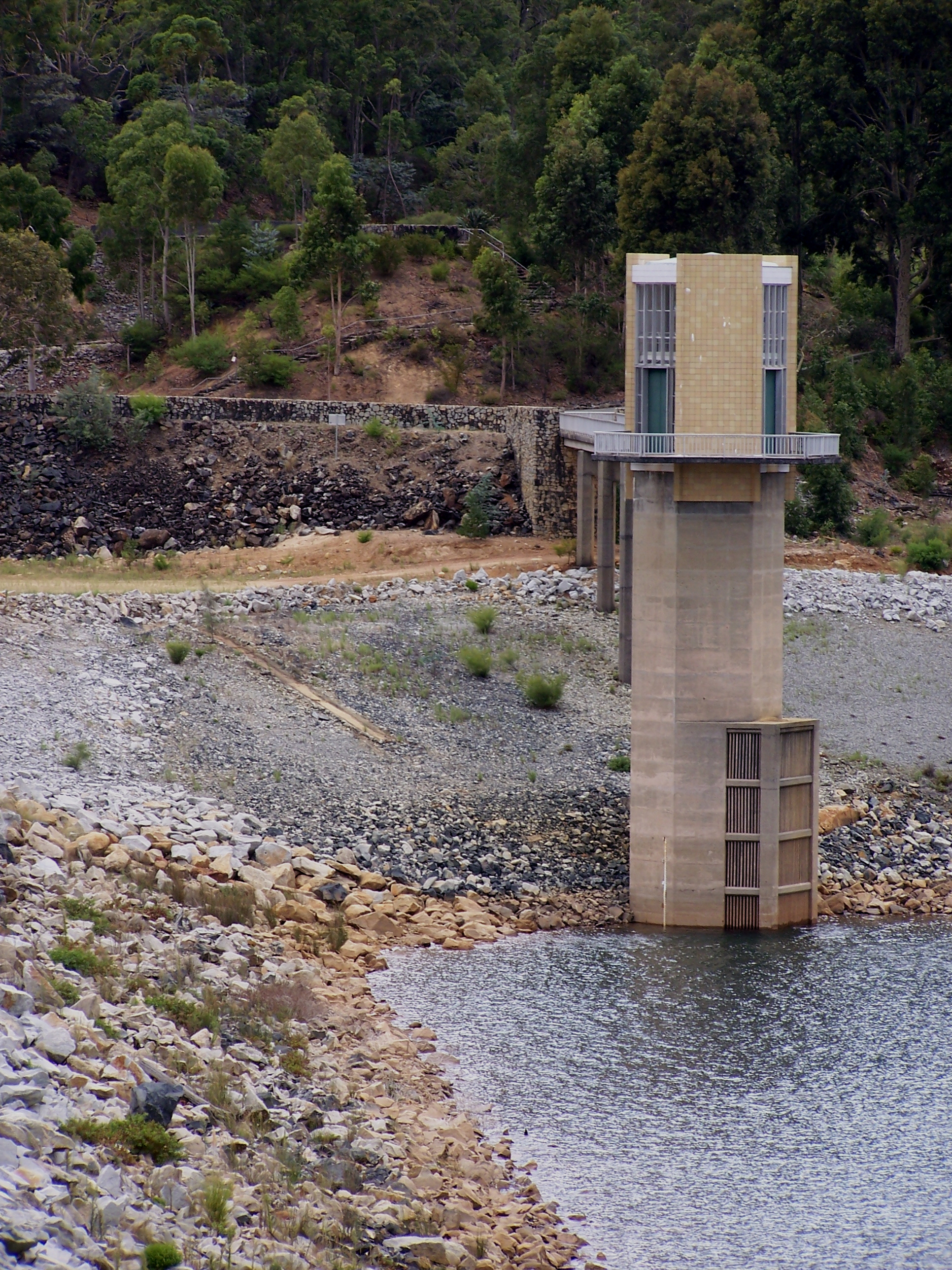
Serpentine Dam, Western Australia – A Hidden Gem for Nature‑Lovers & Road‑Trip Enthusiasts
Coordinates: -32.404245, 116.100103
If you think Western Australia’s coastline and desert outback are the only things worth exploring, think again. Nestled in the leafy foothills of the Darling Range, Serpentine Dam offers a tranquil escape, stunning water‑edge scenery, and a glimpse into the state’s vital water‑management heritage. Whether you’re a local weekend warrior or an international traveler hunting off‑the‑beaten‑path attractions, this modest dam is a perfect stop on any southwestern WA itinerary.
1. About Serpentine Dam
Serpentine Dam is a gravity dam situated in the suburb of Serpentine, about 55 km south‑south‑east of Perth. Built as part of the South West Water Supply Scheme, the dam captures runoff from the Serpentine River and its surrounding catchments, feeding the water needs of Perth’s growing metropolitan region.
While the exact height and altitude of the structure remain undocumented in public sources, its presence is unmistakable: a broad, calm reservoir framed by towering eucalypts, native bushland, and the occasional kangaroo silhouette. The dam’s primary purpose is utilitarian—providing reliable drinking water—but its surroundings have evolved into a low‑key recreation area for picnicking, bird‑watching, and photography.
Historically, the dam reflects Western Australia’s post‑World‑War II push to secure water security for a booming population. Over the decades, the reservoir has become an informal landmark for locals, a place where families gather for weekend barbecues and cyclists pause for a refreshing view of the water’s glassy surface.
2. How to Get There
By Car
The most straightforward way to reach Serpentine Dam is by car. From Perth’s CBD:
- Head south on Kwinana Freeway (State Route 2).
- Exit at Mundijong and follow signs for Serpentine on South Western Highway (State Route 20).
- After passing the town of Serpentine, look for the Serpentine Dam turn‑off on the right-hand side (well‑marked with signage).
The drive takes roughly 45 minutes (≈ 55 km) and offers scenic glimpses of the Darling Range’s rolling hills. Parking is available at the dam’s visitor area, though spaces can fill up on sunny weekends, so arriving early is advisable.
Public Transport
Public transport options are limited. The Transperth bus route 598 runs between Mundijong and Serpentine, but it does not stop directly at the dam. If you’re relying on public transit, you’ll need to combine a bus ride with a taxi or rideshare for the final kilometre.
By Bike
For the adventurous, the Mundijong–Serpentine Rail Trail provides a quiet, paved path that connects to local roads leading to the dam. Expect a moderate climb as you approach the reservoir—perfect for seasoned cyclists looking for a rewarding finish.
3. Best Time to Visit
Western Australia enjoys a Mediterranean climate: hot, dry summers and mild, wet winters.
| Season | Weather | Why Visit |
|---|---|---|
| Spring (Sept‑Nov) | Warm days (20‑25 °C), occasional showers | Wildflowers bloom across the surrounding bush, creating a colourful backdrop for photos. |
| Summer (Dec‑Feb) | Hot (30‑35 °C), dry | Ideal for early‑morning or late‑afternoon visits when the sun is softer; bring plenty of water. |
| Autumn (Mar‑May) | Pleasant (18‑24 °C), clear skies | Perfect for picnics; the water’s surface reflects golden light at sunset. |
| Winter (Jun‑Aug) | Cool (10‑15 °C), higher rainfall | The dam’s levels rise, and the surrounding forest looks lush, but some trails may be muddy. |
Overall recommendation: Late spring to early autumn (September to May) offers the most comfortable temperatures and the best photographic conditions.
4. What to Expect
Arriving at Serpentine Dam, you’ll be greeted by a still, glass‑like reservoir that mirrors the surrounding eucalyptus canopy. The area is relatively undeveloped, preserving a sense of serenity.
- Scenic Walks: A short, informal walking track circles the water’s edge, allowing you to soak in panoramic views and spot native wildlife such as black swans, pelicans, and the occasional kangaroo grazing nearby.
- Birdwatching: The dam is a hotspot for bird enthusiasts. Look out for the Australian magpie, laughing kookaburra, and waterbirds that frequent the inlet.
- Photography: Sunrise over the dam paints the water in soft pinks, while sunset creates a fiery orange glow—perfect for landscape photographers.
- Picnicking: Picnic tables and BBQ facilities are scattered near the parking lot. Remember to clean up after yourself; the site is managed by the local water authority, which encourages responsible recreation.
Because the dam is primarily a water‑supply facility, swimming and water sports are not permitted. However, the tranquil ambience makes it an ideal spot for quiet contemplation, reading, or simply listening to the gentle rustle of leaves.
5. Nearby Attractions
While Serpentine Dam is the star of the day, the surrounding region offers several complementary sites that can easily be added to your itinerary. All distances are road distance from the dam:
-
Serpentine Lower Pipehead Dam – 5.1 km
A smaller downstream dam that forms part of the same water‑supply network. Its modest size makes it a quick stop for a photo opportunity. -
Gooralong Brook Waterfalls – 9.1 km
A series of cascading falls along Gooralong Brook, nestled in a shaded gorge. Ideal for a short hike and a splash of cool mist on a warm day.
Link: Google Search -
Gooralong Brook – 8.9 km
The creek that feeds the waterfalls, offering tranquil walking tracks and opportunities to spot native frogs and dragonflies.
Link: Google Search -
Serpentine Dam (another nearby dam) – 4.5 km
A separate dam in the region; while less visited, it provides another scenic water view for those interested in comparing dam designs.
These attractions can be comfortably visited in a single day when combined with a leisurely lunch at the Serpentine Dam picnic area.
6. Travel Tips
| Tip | Details |
|---|---|
| Arrive early | Parking fills up quickly on weekends, especially during spring flower season. |
| Bring water & snacks | No shops are on site; a cooler with drinks and a packed lunch keeps you refreshed. |
| Dress in layers | Morning can be cool, while midday sun can become intense. A hat and sunscreen are essential. |
| Respect the environment | The dam is a protected water source. No swimming, fishing, or littering is allowed. |
| Wildlife safety | Keep a safe distance from any wildlife, especially kangaroos at dusk. |
| Check road conditions | Some access roads can be slick after winter rains; a vehicle with good clearance is helpful. |
| Photography gear | A polarizing filter reduces glare on the water’s surface, enhancing colour saturation. |
| Timing for nearby falls | The Gooralong Brook Waterfalls are most spectacular after a recent rain; check local weather forecasts. |
| Mobile signal | Coverage can be spotty; download offline maps before you go. |
| Leave no trace | Use the provided waste bins, or pack out any trash if bins are full. |
7. Final Thoughts
Serpentine Dam may not boast the towering cliffs of the Kimberley or the iconic beaches of Margaret River, but its quiet charm lies in the blend of natural beauty and essential infrastructure. It’s a place where you can unwind, snap stunning photos, and gain an appreciation for the water systems that sustain Western Australia’s thriving communities.
Add Serpentine Dam to your Western Australia road‑trip checklist, pair it with a visit to the nearby Gooralong Brook Waterfalls, and you’ll discover a slice of Aussie serenity that many travelers overlook. Pack a picnic, bring your camera, and let the gentle ripple of the reservoir remind you that sometimes the most rewarding destinations are the ones that whisper rather than shout.
Happy travels, and may your journey to Serpentine Dam be as refreshing as the water it holds!
