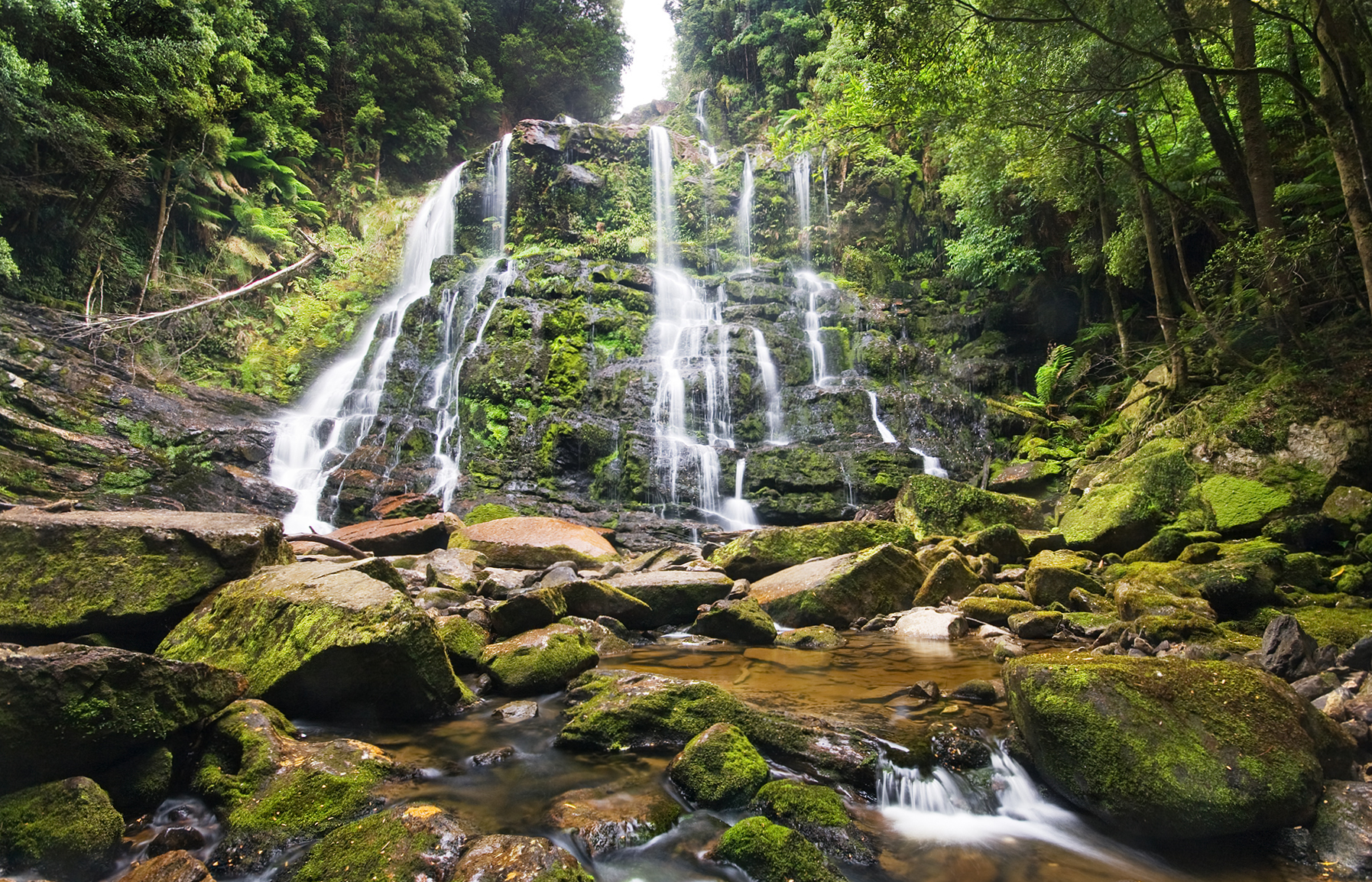
Nelson Falls – Tasmania’s Hidden Waterfall Gem
Discover the tranquil beauty of Nelson Falls, a secluded cascade tucked away near Queenstown on Tasmania’s rugged west coast. Perfect for nature lovers, photographers, and anyone craving a quiet escape into the Australian wilderness.
1. Introduction
If you’ve ever dreamed of standing beneath a pristine waterfall framed by ancient rainforest, Nelson Falls should be at the top of your Tasmanian bucket list. Located just a stone’s throw from the historic mining town of Queenstown, this modest yet mesmerizing cascade offers an intimate wilderness experience far from the crowded tourist hotspots of Hobart and Launceston. Whether you’re on a road‑trip along the iconic West Coast or a multi‑day trek through Tasmania’s wild heart, Nelson Falls is the perfect spot to pause, breathe, and let the roar of water reset your senses.
2. About Nelson Falls
Nelson Falls is a waterfall situated at latitude ‑42.099890 and longitude 145.737370, in the heart of Tasmania’s west coast region. While the exact height of the fall isn’t officially recorded, the cascade tumbles over a series of rocky ledges, creating a steady veil of mist that drapes the surrounding forest floor.
Historically, the falls have been a quiet landmark for local loggers and miners who worked the rich copper and gold deposits around Queenstown. Over time, the area transitioned from an industrial hub to a conservation haven, and today the falls are celebrated for their unspoiled natural charm. The waterfall lies within a network of waterways that feed into the Nelson River, linking it to a broader ecosystem of streams, lakes, and rain‑fed forests that define Tasmania’s rugged west coast.
3. How to Get There
By Car
- Start in Queenstown – The town sits on the Lyell Highway (A10), the main east‑west artery across Tasmania’s west coast.
- Head north on the Lyell Highway for roughly 1 km.
- Turn onto Nelson Falls Road (a short, well‑marked gravel track).
- Follow the road for about 300 m; a small parking area sits at the trailhead, just 0.1 km from the waterfall itself.
The drive from Queenstown to the falls takes under five minutes, making it an easy day‑trip stop. If you’re traveling from Hobart or Launceston, allow 2–3 hours for the scenic journey along the A10, passing through historic mining towns, dense forests, and dramatic coastline.
By Public Transport
Public buses run infrequently along the Lyell Highway, but the Tasmanian Explorer service stops in Queenstown. From there, you’ll need to arrange a short taxi ride or a rideshare to the trailhead.
By Foot
For the adventurous, the Nelson River Trail offers a gentle 1‑kilometre walk from the parking area to the waterfall. The path is well‑maintained, mostly level, and suitable for families and casual hikers.
4. Best Time to Visit
Tasmania’s climate is famously changeable, but certain seasons enhance the waterfall experience:
| Season | Weather & Water Flow | Why Visit |
|---|---|---|
| Spring (Sept‑Nov) | Snowmelt from the highlands and seasonal rains swell the river, producing a fuller cascade. Temperatures are mild (10‑17 °C). | Lush green foliage and vibrant wildflowers add colour to your photos. |
| Summer (Dec‑Feb) | Drier conditions can reduce flow, but long daylight hours (up to 15 h) give ample time for exploration. Temperatures range 15‑22 °C. | Ideal for combining the falls with nearby coastal drives and picnics. |
| Autumn (Mar‑May) | Rainfall picks up again, revitalising the waterfall. Cooler evenings (8‑14 °C) create a crisp, photogenic atmosphere. | Fewer tourists and stunning autumnal light. |
| Winter (Jun‑Aug) | Frequent rain and occasional snow in higher terrain boost water volume dramatically. Temperatures hover 5‑12 °C. | Dramatic, thundering water and mist—perfect for dramatic shots, but dress warmly. |
Overall recommendation: Late spring to early autumn offers the best balance of flow, comfortable temperatures, and clear skies.
5. What to Expect
Arriving at Nelson Falls feels like stepping into a secret world. A short walk through moss‑laden trees leads you to a modest clearing where the water plunges over dark basaltic rocks, creating a constant, soothing roar. The mist that rises from the cascade settles on nearby ferns, giving the air a fresh, earthy scent.
- Photography: The waterfall’s vertical drop, combined with surrounding foliage, makes for striking foreground‑background compositions. Early morning light or late‑afternoon golden hour softens the mist for ethereal shots.
- Wildlife: Keep an eye out for native birds such as the Tasmanian nativehen and green rosella. Small marsupials, like the pademelon, may appear at dusk near the riverbank.
- Picnicking: A flat rock near the base provides a natural seat. Pack a simple lunch and enjoy the sound of water as a natural soundtrack.
- Accessibility: The trail is relatively easy, but the final approach to the water’s edge can be slippery—wear sturdy, waterproof footwear.
Because the waterfall is not heavily commercialised, you’ll encounter few crowds, allowing for a peaceful, immersive experience.
6. Nearby Attractions
While Nelson Falls is the star of the day, the surrounding west‑coast region offers several complementary sites worth adding to your itinerary:
| Attraction | Distance from Nelson Falls | What to See |
|---|---|---|
| Nelson River (waterfall) | 1.1 km | A secondary cascade downstream, perfect for a short side‑trip. |
| Crotty Dam | 12.1 km | Impressive hydro‑electric dam with scenic viewpoints over the Lake Burbury reservoir. |
| Horsetail Falls | 12.3 km | A classic horsetail‑shaped waterfall, often photographed at sunrise. |
| Conglomerate Creek (waterfall) | 13.0 km | A series of small falls winding through rugged gorge terrain. |
Quick Links:
- Nelson Falls (Wikipedia)
- Crotty Dam – Tasmanian Government (replace with actual URL when available)
- Horsetail Falls – Tasmania Travel Guide (replace with actual URL when available)
These attractions can easily be visited in a single day from Queenstown, making the area a compact hub for waterfall enthusiasts.
7. Travel Tips
| Tip | Details |
|---|---|
| Dress for the weather | West‑coast Tasmania can be windy and rainy. Pack a waterproof jacket, layered clothing, and sturdy hiking boots. |
| Bring a camera with a macro lens | The close‑up textures of moss, rock, and water droplets reward detailed photography. |
| Check road conditions | The Lyell Highway can be affected by snow or landslides in winter. Use Tasmanian Road Alerts before you set off. |
| Leave no trace | The area is relatively pristine; carry out all litter and stay on marked paths to protect the delicate ecosystem. |
| Timing | Arrive early (7‑8 am) during peak summer months to avoid the occasional weekend crowd and enjoy softer lighting. |
| Safety | The rocks near the water can be slippery. Keep a safe distance from the edge, especially after heavy rain when the flow is strongest. |
| Food & water | There are limited facilities near the falls. Bring enough water and snacks, or stop in Queenstown for supplies. |
| Mobile signal | Coverage can be spotty. Download offline maps (e.g., Google Maps offline area) before you leave. |
| Local culture | Queenstown’s mining heritage is fascinating. Consider a quick stop at the West Coast Heritage Centre for context before or after your waterfall visit. |
Final Thought
Nelson Falls may not boast the towering heights of Tasmania’s famous Russell Falls or Fossil Creek, but its quiet charm, easy accessibility, and surrounding natural wonders make it a must‑see for anyone traveling the island’s west coast. Pair the cascade with nearby attractions, soak up the misty atmosphere, and you’ll leave with a genuine taste of Tasmania’s wild, untamed spirit.
Pack your boots, charge your camera, and let Nelson Falls be the highlight of your Tasmanian adventure.


