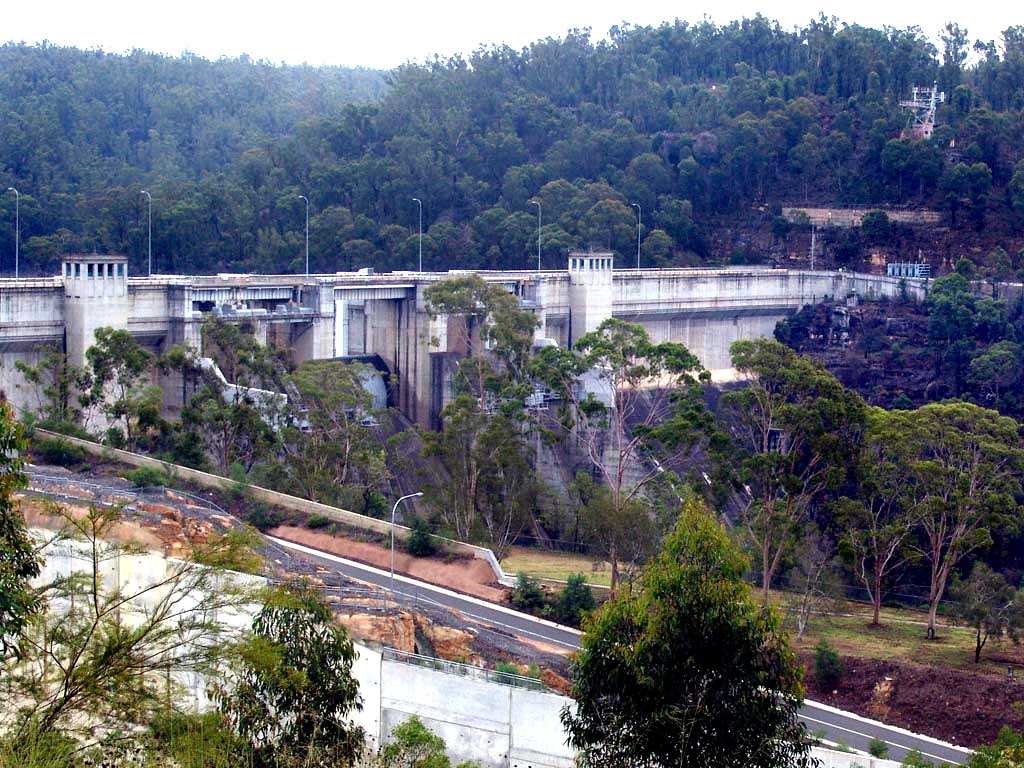
Warragamba Dam – A Majestic Waterway Escape Near Sydney
If you’re looking for a day‑trip that blends engineering marvels, stunning vistas, and a touch of nature, Warragamba Dam in New South Wales should be at the top of your list.
1. Introduction
Just a short drive west of Sydney lies one of Australia’s most iconic pieces of infrastructure – Warragamba Dam. Rising 142 m above the surrounding bushland, this colossal concrete wall not only supplies the majority of Sydney’s drinking water but also offers a breathtaking backdrop for photographers, hikers, and anyone craving a break from the city hustle. Whether you’re a road‑tripper, a family on a weekend outing, or an avid “dam‑tour” enthusiast, Warragamba Dam delivers a unique blend of history, scenery, and outdoor recreation that makes it a must‑see destination in New South Wales.
2. About Warragamba Dam
A Brief History
- Construction: The dam was built between 1948 and 1960 to secure a reliable water supply for the rapidly growing Sydney metropolitan area.
- Design: It is a concrete gravity dam, a classic engineering solution that relies on its massive weight to hold back the water of the Warragamba River.
- Capacity: When full, the reservoir (Lake Burragorang) holds over 2 million megalitres of water, making it one of the largest water‑storage facilities in the Southern Hemisphere.
Why It Matters
- Water Security: Over 80 % of Sydney’s daily water consumption comes from this dam, underscoring its vital role in the region’s sustainability.
- Tourist Magnet: The dam’s sheer size, dramatic cliffs, and panoramic lookouts attract thousands of visitors each year.
- Ecological Zone: The surrounding catchment area supports a variety of native flora and fauna, offering bird‑watchers and nature lovers plenty to explore.
For a deeper dive into the dam’s engineering and heritage, check out the Warragamba Dam Wikipedia page.
3. How to Get There
| Mode of Transport | Details |
|---|---|
| Car | From Sydney, take the M4 motorway westbound, then follow signs for the M7 and Warragamba Road (A2). The drive is about 50 km (≈ 1 hour) and offers scenic countryside views. Parking is available at the main visitor area and at the nearby lookouts. |
| Public Transport | Take a train from Central Station to Penrith (Western Line). From Penrith, catch a local bus (routes 795/796) toward Mulgoa and alight at the Warragamba Dam stop. Note that service frequencies are limited on weekends, so plan ahead. |
| Tours & Day‑Trips | Several Sydney‑based tour operators run half‑day or full‑day packages that include transportation, a guided walk, and optional picnic facilities. Search “Warragamba Dam day tour from Sydney” for the latest offerings. |
Pro tip: The dam’s visitor centre opens early (usually 9 am) and closes around 5 pm, so aim to arrive in the morning to make the most of daylight for photography and walking trails.
4. Best Time to Visit
| Season | What to Expect | Why It’s Ideal |
|---|---|---|
| Spring (Sept–Nov) | Mild temperatures (15‑22 °C), wildflowers blooming, bird activity peaks. | Perfect for walking the trails and snapping colourful landscape shots. |
| Summer (Dec–Feb) | Warm days (25‑30 °C) and longer daylight hours. | Ideal for picnics, kayaking (where permitted), and sunset views over the reservoir. |
| Autumn (Mar–May) | Cool, crisp air (12‑20 °C) and golden foliage. | Great for comfortable hikes and fewer crowds. |
| Winter (Jun–Aug) | Cooler (8‑15 °C) and occasional mist over the water. | Offers dramatic, moody photography opportunities; be sure to dress in layers. |
Overall, spring and autumn are the most comfortable for walking and outdoor activities, while summer provides the best conditions for water‑based recreation.
5. What to Expect
Scenic Lookouts
- The Main Lookout: A short, paved walk from the parking area leads to a platform that frames the dam wall against the blue sky—perfect for wide‑angle shots.
- Glenbrook Lookout: Slightly farther up the road, this spot offers a panoramic view of the reservoir and surrounding bushland.
Walking Trails
- Warragamba Dam Walk (2 km loop) – A well‑maintained path that circles the dam’s edge, featuring interpretive signage about water management and local ecology.
- Mulgoa Valley Trail – For the more adventurous, a moderate trek through the valley provides glimpses of native eucalyptus and occasional wallaby sightings.
Visitor Centre
The centre houses interactive displays on the dam’s construction, water‑treatment processes, and the catchment’s environmental significance. A short video documentary runs continuously, offering context for first‑time visitors.
Picnic & Rest Areas
Designated picnic tables and shaded benches are scattered near the lookouts. While barbecues are not permitted, you can bring a packed lunch and enjoy it with a view of the water.
Wildlife
Keep an eye out for kookaburras, galahs, and, during early mornings, the shy platypus near the river’s tributaries. Remember to stay on marked paths to protect the fragile habitat.
6. Nearby Attractions
After exploring Warragamba Dam, extend your day with these nearby natural gems (all within a 5 km radius).
-
Unnamed Weir – 1.2 km
A small weir on the river that creates a tranquil pool—great for a quick photo stop. -
Unnamed Waterfall – 1.7 km
A modest cascade surrounded by native bush, perfect for a short nature walk. -
Unnamed Waterfall – 1.7 km
A second waterfall in the vicinity offering a slightly different perspective of the surrounding terrain. -
Wallacia Weir – 4.0 km
A historic weir located near the village of Wallacia; it’s a popular spot for anglers and picnickers. -
Unnamed Fountain – 4.7 km
A decorative water feature nestled within a small park—ideal for a quick rest before heading back to Sydney.
While many of these sites don’t have dedicated web pages, you can locate them easily on Google Maps by searching “Weir near Warragamba Dam” or “Waterfall near Mulgoa, NSW”.
7. Travel Tips
- Check Water Levels: The dam’s water level can affect view visibility. Visit the NSW Water website for real‑time updates before you travel.
- Dress Appropriately: Even in summer, mornings can be cool near the water. Layered clothing, a hat, and sunscreen are essential.
- Stay Hydrated: There are no vending machines on site, so bring plenty of water, especially if you plan to hike.
- Parking Fees: Parking is free for day visitors, but long‑term parking may be limited during peak holiday periods. Arrive early to secure a spot.
- Photography Etiquette: Drones are prohibited within the dam’s catchment area to protect water quality and wildlife. Hand‑held cameras are welcome.
- Pet Policy: Dogs are not allowed on the dam grounds to safeguard the water supply, but they are permitted in the surrounding picnic areas outside the catchment fence.
- Safety First: The dam wall is a restricted area; stay behind safety barriers and obey all signage. Swimming is prohibited in the reservoir.
Wrap‑Up
Warragamba Dam is more than just a functional piece of infrastructure—it’s a striking landscape that offers a refreshing escape from Sydney’s urban rhythm. From the awe‑inspiring height of its concrete wall to the tranquil walks along its shoreline, the dam provides a versatile day‑trip experience for families, photographers, and nature lovers alike. Pair your visit with nearby weirs, waterfalls, and the charming village of Wallacia for a full‑featured New South Wales adventure.
Ready to add Warragamba Dam to your travel itinerary? Pack a picnic, charge your camera, and set off for an unforgettable glimpse of one of Australia’s most essential—and beautiful—waterways. Safe travels!