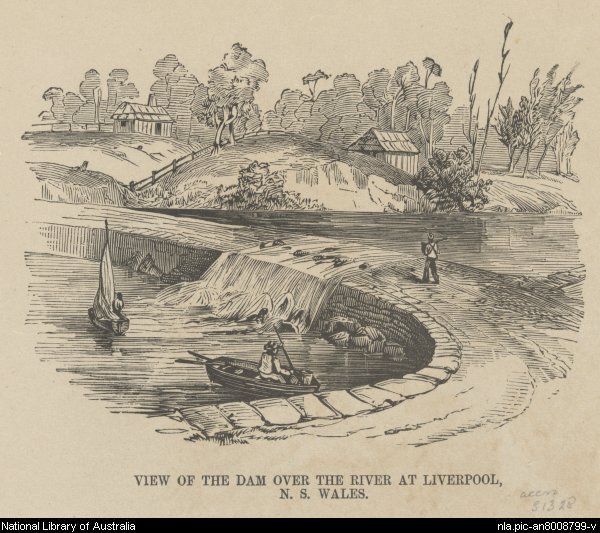
Liverpool Weir – A Hidden Water‑Works Gem in New South Wales
Coordinates: -33.925051, 150.928396
If you’re roaming the leafy suburbs of Sydney’s south‑west and crave a slice of tranquil river scenery away from the usual tourist crowds, Liverpool Weir is the perfect spot to add to your itinerary. This modest but historic weir sits on the banks of the Georges River, offering a peaceful riverside walk, a glimpse into local water‑management heritage, and easy access to a handful of charming nearby attractions.
About Liverpool Weir
Liverpool Weir is a weir (a low dam built across a river) located in the suburb of Liverpool, New South Wales, Australia. While the exact height and altitude of the structure are not publicly recorded, its presence is unmistakable: a concrete barrier that gently raises the river level, creating a calm pool that has been used for irrigation, flood control, and recreation for decades.
The weir’s historical significance lies in its role as part of the early water‑supply network for the growing town of Liverpool in the 19th and early 20th centuries. Though detailed construction dates are scarce, the weir reflects the engineering practices of its era—simple, sturdy, and built to serve the community’s practical needs. Today, Liverpool Weir remains an integral piece of the local landscape, reminding visitors of the region’s relationship with the Georges River and its ongoing importance for environmental management.
Because it is situated within a residential precinct, the weir blends seamlessly with the surrounding parklands, making it a low‑key destination for families, photographers, birdwatchers, and anyone looking to unwind by the water’s edge.
How to Get There
By Car
- From Sydney CBD: Take the M5 Motorway south, then follow signs for the Hume Highway (A22) toward Liverpool. Exit onto the Miller Street round‑about, continue onto George Street, and you’ll find signage for the Georges River foreshore. Parking is available at the nearby Liverpool City Council parklands (street parking and a small lot).
- From the West (Penrith/Blue Mountains): Travel east on the M4, merge onto the M5, and follow the same route as above.
By Public Transport
- Train: Catch the T2 Inner West & Leppington Line to Liverpool Station (approximately 35 minutes from Central). From the station, it’s a 10‑minute walk north along George Street and then a short stroll east toward the river.
- Bus: Several local bus routes (e.g., 801, 802) run from Liverpool Station to the river precinct. Look for stops labeled “Georges River” or “Weir”.
By Bike or On Foot
The Georges River Cycleway runs parallel to the river and offers a scenic, traffic‑free ride straight to Liverpool Weir. The cycleway is well‑marked and connects to the broader Sydney bike network, making it a popular choice for cyclists and walkers alike.
Best Time to Visit
- Spring (September‑November): The riverbanks burst into colour with native wildflowers, and the weather is comfortably mild—ideal for picnics and photography.
- Autumn (March‑May): Cooler evenings and golden foliage provide a tranquil backdrop for sunset walks.
- Winter (June‑August): While temperatures dip, the river remains calm, and you’ll encounter fewer visitors, giving you a more private experience.
- Summer (December‑February): Expect warmer days and occasional river activity (kayaking, paddle‑boarding). Bring sun protection and plenty of water, especially during heatwaves.
Overall, early morning or late afternoon on any day offers the best light for photography and a quieter atmosphere.
What to Expect
Arriving at Liverpool Weir, you’ll be greeted by a gentle, widened stretch of the Georges River that glistens under the Australian sun. The weir itself is a low concrete wall, but the real attraction is the calm pool it creates upstream—perfect for spotting waterbirds such as swans, ducks, and the occasional heron.
The surrounding parkland features well‑maintained walking paths, benches, and grassy picnic spots. Look out for interpretive signs that explain the weir’s role in local water management and its historical context. The area is also popular with local anglers, so you might hear the occasional cast of a line.
Because the weir is part of a living river system, water levels can vary with seasonal rains. After heavy rain, the flow may be stronger, creating a more dynamic river scene; during dry periods, the pool can be very still—great for reflective photography.
Facilities are modest but adequate: public restrooms are located a short walk away at the Liverpool City Council’s river precinct, and there are several cafés and eateries within a 5‑minute drive in the town centre.
Nearby Attractions
While Liverpool Weir is the star of the show, the surrounding area offers a handful of nearby points of interest that can easily be combined into a half‑day itinerary.
| Attraction | Distance | Type | Quick Note |
|---|---|---|---|
| Local Fountain 1 | 3.9 km | Fountain | A decorative water feature nestled in a community park—great for a quick photo stop. |
| Local Fountain 2 | 4.5 km | Fountain | Another charming fountain surrounded by landscaped gardens. |
| Nearby Weir A | 5.5 km | Weir | A similar water‑management structure offering a different perspective on the Georges River. |
| Nearby Weir B | 7.0 km | Weir | Slightly larger, with a small walking trail along its banks. |
| Nearby Weir C | 9.5 km | Weir | Set in a more rural setting, ideal for birdwatching. |
(All attractions are within a short drive and can be reached via the same main roads that lead to Liverpool Weir. For detailed directions, use a navigation app and search for the specific name of each site.)
If you have extra time, consider exploring the Liverpool Regional Museum (approximately 2 km north) for deeper insight into the city’s colonial history, or the Casula Powerhouse Arts Centre for contemporary exhibitions and live performances.
Travel Tips
- Check River Conditions: Before heading out, especially if you plan to kayak or paddleboard, look up the latest Georges River water levels and flow rates on the NSW Water website.
- Parking: Street parking can fill quickly on weekends. Arrive early or use the designated council lot on Miller Street.
- Stay Sun‑Smart: The open riverbank offers little shade. Bring a hat, sunscreen, and plenty of water.
- Respect the Environment: The area is home to native wildlife. Keep dogs on leashes, stay on marked paths, and dispose of litter responsibly.
- Photography Gear: A wide‑angle lens works well for capturing the river’s breadth, while a telephoto lens can help isolate birdlife. Early morning light creates soft reflections on the water.
- Public Transport Pass: If you’re traveling from Sydney, an Opal card gives you seamless access to trains and buses, making the journey hassle‑free.
- Local Eats: After your river walk, treat yourself to a meal at The Riverbank Café (just a few minutes’ walk from the weir) for fresh fish and Aussie classics.
Bottom Line
Liverpool Weir may not be a headline tourist magnet, but that’s precisely its charm. It offers a peaceful riverside escape, a touch of local history, and easy connectivity to Liverpool’s vibrant suburb life. Whether you’re a nature lover, a history buff, or simply seeking a quiet spot to unwind, the weir and its surrounding parklands deliver a rewarding experience without the crowds.
Pack a picnic, bring your camera, and let the gentle flow of the Georges River guide you through one of New South Wales’ understated yet delightful destinations.
For more information, see the official Wikipedia entry: Liverpool Weir.