Katoomba Falls – A Hidden Gem in New South Wales’ Blue Mountains
Discover the 75‑metre cascade that charms hikers, photographers, and nature lovers alike.
1. Introduction
If you’ve ever dreamed of standing beneath a curtain of water that drops dramatically into a lush, fern‑lined pool, Katoomba Falls is the place to make that dream a reality. Nestled in the heart of the Blue Mountains, just a short hop from the historic town of Katoomba, this 75‑metre waterfall offers a perfect blend of raw power and serene beauty. Whether you’re planning a day trip from Sydney, a weekend getaway, or a longer trek through New South Wales’ iconic scenery, Katoomba Falls should sit high on your itinerary.
Keywords: Katoomba Falls, waterfall New South Wales, Blue Mountains waterfall, travel guide Katoomba, things to do in Katoomba
2. About Katoomba Falls
Description
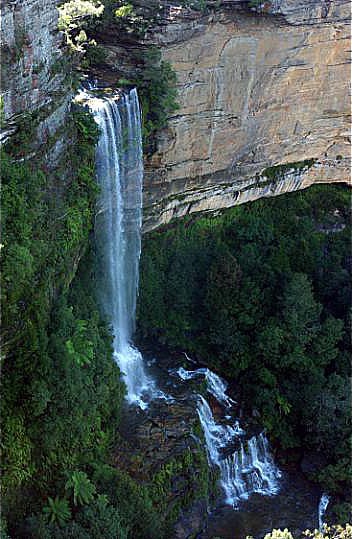
Katoomba Falls tumbles from a height of roughly 75 metres (about 246 feet) into a crystal‑clear plunge pool surrounded by ancient sandstone cliffs and native bushland. The waterfall is part of the Katoomba Creek system, which feeds the surrounding valleys of the Blue Mountains National Park. Its location at latitude ‑33.727859 and longitude 150.304517 places it squarely within the UNESCO World Heritage‑listed Greater Blue Mountains Area, a region celebrated for its dramatic escarpments, eucalyptus forests, and rich Aboriginal heritage.
History & Significance
While the exact date of European discovery isn’t recorded, Katoomba Falls has long been a focal point for local residents and travelers. The name “Katoomba” comes from the Aboriginal word “gatoomba,” meaning “shining falling water,” a fitting tribute to the waterfall’s glittering descent. Over the decades, the falls have become a beloved backdrop for photographers, painters, and filmmakers seeking the quintessential Blue Mountains vibe.
In addition to its aesthetic appeal, the waterfall plays an ecological role, supporting a micro‑habitat for native amphibians, insects, and riparian plants that thrive in the mist‑laden environment.
3. How to Get There
From Sydney
- Train – Board the Blue Mountains Line from Sydney’s Central Station to Katoomba Station (approximately a 2‑hour journey). Trains run frequently throughout the day, especially on weekends.
- Bus or Walk – From Katoomba Station, you can catch a local bus (routes 686/688) toward the town centre, or simply enjoy a 10‑minute walk south along Katoomba Street. The falls are located just off the main road, signposted as “Katoomba Falls Lookout.”
By Car
- Driving – Take the M4 motorway west from Sydney, then follow the Great Western Highway (A32) to Katoomba. Parking is available at the Katoomba Falls car park, which is a short, well‑marked walk to the viewing platform.
- Rideshare – Services such as Uber or local taxi companies operate in the area, though a private vehicle offers the most flexibility for exploring nearby attractions.
On Foot
If you’re already staying in Katoomba, the falls are easily reachable via a gentle walking track that starts near the Katoomba Railway Station precinct. The trail is family‑friendly, well‑maintained, and takes roughly 15‑20 minutes to reach the main lookout.
Pro tip: Bring a reusable water bottle – the walk is short but the Blue Mountains can be warm in summer.
4. Best Time to Visit
| Season | What to Expect | Why It’s Ideal |
|---|---|---|
| Spring (Sept‑Nov) | Fresh growth, vibrant wildflowers, moderate flows | Water levels are steady, and the surrounding flora bursts into colour, making photo opportunities plentiful. |
| Summer (Dec‑Feb) | Warm weather, higher visitor numbers | Longer daylight hours allow for late‑afternoon visits when the sun creates rainbows in the mist. |
| Autumn (Mar‑May) | Golden foliage, cooler temperatures | The waterfall’s spray adds a misty contrast to the amber leaves, and crowds thin out. |
| Winter (Jun‑Aug) | Lower water flow, crisp air | While the cascade may be less powerful, the dramatic cliffs look striking against a moody sky. |
Overall, spring and autumn provide the most balanced conditions—pleasant weather, vivid scenery, and manageable crowds.
5. What to Expect
The Sights & Sounds
Approaching Katoomba Falls, you’ll first notice the roar of water echoing through the gorge. The plunge pool at the base reflects the surrounding cliffs, creating a mirror‑like surface that shimmers in sunlight. Mist rises from the falling water, often forming delicate rainbows that photographers love to chase.
Trail Experience
The main walking track is a short, graded path leading to a sturdy viewing platform. Handrails and interpretive signs provide safety and insight into the local geology and flora. For the more adventurous, a series of secondary tracks wind past the base of the falls, offering closer encounters with the cascading water (caution advised on slippery rocks).
Wildlife
Keep an eye out for native birds such as the superb lyrebird, Australian magpie, and cockatoos that frequent the area. In the cooler months, you may spot glistening salamanders or frogs near the water’s edge.
Facilities
- Parking: Small lot near the lookout (first‑come, first‑served).
- Restrooms: Basic facilities are available at the nearby Katoomba Cascades picnic area.
- Picnic Spots: Benches and a few tables overlook the creek, perfect for a quick snack.
6. Nearby Attractions
While Katoomba Falls is the star, the surrounding Blue Mountains region offers several complementary sights within a short walk:
| Attraction | Distance | Highlights | Link |
|---|---|---|---|
| Vera Falls | 0.2 km | A smaller cascade tucked in a fern‑lined gorge. | Vera Falls (Wikipedia) |
| Witches Leap | 0.2 km | Dramatic rock formation with a legend of local folklore. | Witches Leap (Wikipedia) |
| Katoomba Cascades | 0.2 km | Series of gentle waterfalls ideal for family picnics. | Katoomba Cascades (Wikipedia) |
| Katoomba Falls Lookout (Fountain) | 0.6 km | A decorative water feature and viewpoint offering panoramic vistas of the valley. | (No dedicated page – see local tourism map) |
All of these sites are accessible via the same network of walking tracks, allowing you to create a full‑day waterfall circuit without needing a vehicle.
7. Travel Tips
| Tip | Details |
|---|---|
| Wear sturdy shoes | Even the short trail can become slick from spray; ankle‑supporting footwear is advisable. |
| Bring a rain jacket | The mist can be surprisingly cool, especially in autumn and winter. |
| Start early in summer | To avoid peak crowds and enjoy softer lighting for photography. |
| Check the weather | Heavy rain can increase flow dramatically; if the water looks dangerously high, stay on the viewing platform. |
| Respect the environment | Stay on marked paths, carry out all litter, and avoid feeding wildlife. |
| Capture the rainbow | The best time for rainbows is mid‑morning to early afternoon when the sun is at a lower angle. |
| Combine with a train trip | The Blue Mountains Line offers scenic views en route; consider a round‑trip ticket for a hassle‑free day. |
| Stay connected | Mobile reception is generally good in Katoomba, but some remote tracks may have limited signal. |
| Plan for nearby attractions | Allocate an extra 2‑3 hours to explore Vera Falls, Witches Leap, and the Cascades for a well‑rounded experience. |
Final Thoughts
Katoomba Falls may not have the fame of larger Australian waterfalls, but its 75‑metre plunge, easy accessibility, and surrounding natural charm make it a must‑see destination for anyone traveling through New South Wales. Whether you’re chasing the perfect waterfall photo, seeking a peaceful spot to unwind, or simply adding another chapter to your Blue Mountains adventure, Katoomba Falls delivers an unforgettable encounter with nature’s elegance.
Ready to chase the mist? Pack your camera, lace up your boots, and let Katoomba Falls become the highlight of your next Australian getaway.
Keywords revisited: Katoomba Falls travel guide, waterfall in New South Wales, Blue Mountains attractions, things to do in Katoomba, Katoomba Falls hiking, visit Katoomba Falls.