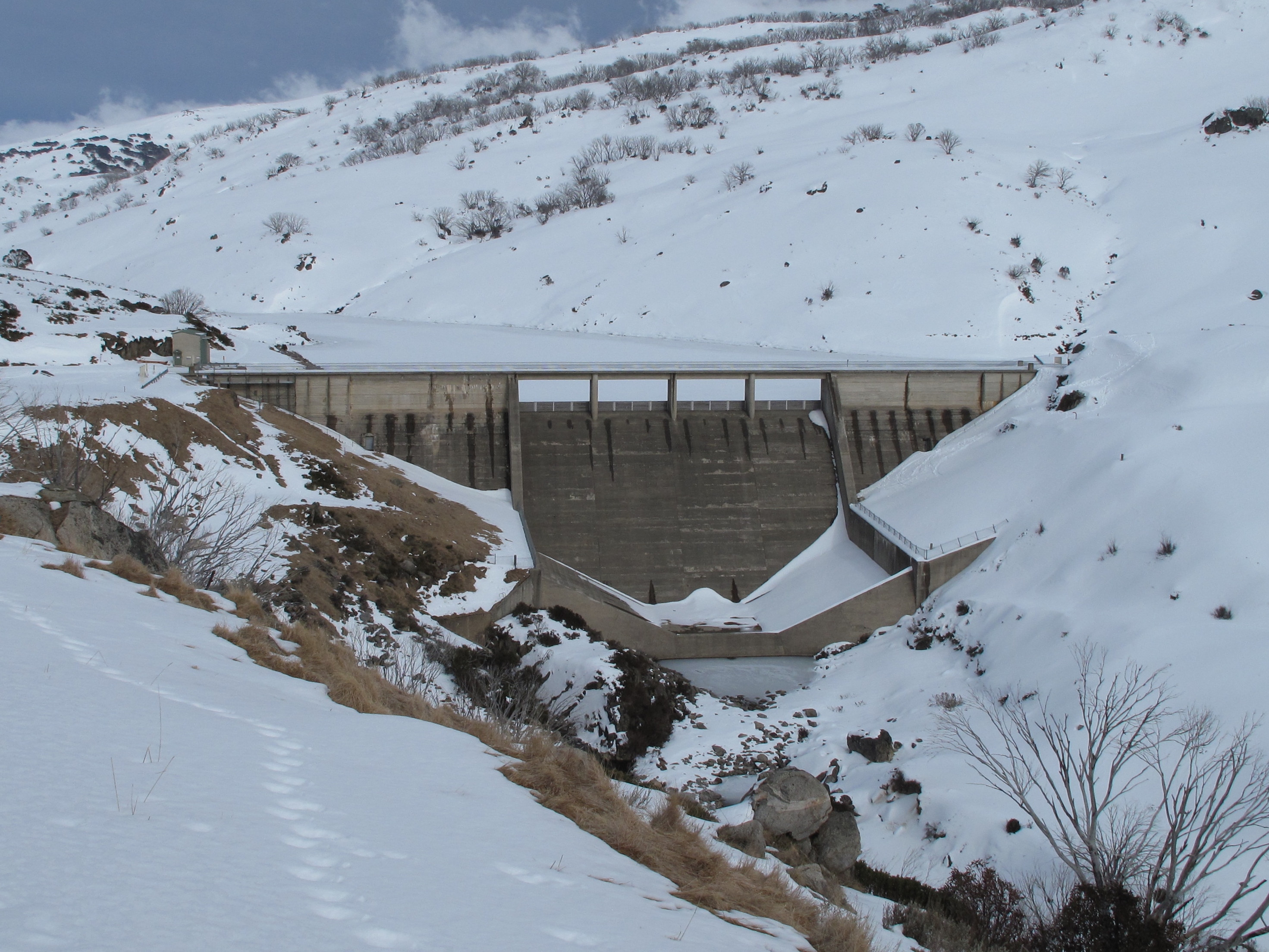
Guthega Dam – A Hidden Gem in New South Wales’ Alpine Wilderness
If you’re chasing crystal‑clear water, dramatic mountain scenery, and a slice of Australian engineering history, Guthega Dam should be at the top of your itinerary. Nestled in the snow‑capped reaches of the Snowy Mountains near Jindabyne, this modest 34‑metre concrete gravity dam is more than just a functional piece of the Snowy Mountains Scheme – it’s a gateway to some of the most spectacular alpine landscapes in New South Wales.
1. Introduction
Imagine standing on a quiet reservoir, the surface mirroring the blue‑white peaks of the Australian Alps, while the faint hum of turbines reminds you that you’re at the heart of one of the world’s greatest hydro‑electric projects. That’s the experience at Guthega Dam (coordinates: ‑36.378980, 148.370793). Whether you’re a road‑trip enthusiast, a nature photographer, or a history buff fascinated by the Snowy Mountains Scheme, Guthega offers a perfect blend of natural beauty and engineering intrigue—without the crowds of more commercial attractions.
2. About Guthega Dam
A Brief History
Guthega Dam was constructed in the early 1950s as part of the Snowy Mountains Scheme, a massive post‑war infrastructure project that diverted water from the Snowy River to the Murray‑Darling Basin, generating electricity and supporting agriculture across southeastern Australia. The dam’s primary purpose is to regulate water flow into the Guthega Power Station, which feeds the Snowy River downstream.
Design & Specifications
- Type: Concrete gravity dam 🏗️
- Height: 34 m (112 ft)
- Location: Approximately 3 km north‑west of Jindabyne, New South Wales, Australia
- Coordinates: ‑36.378980, 148.370793
While the exact altitude of the dam isn’t publicly listed, its setting at the foot of the alpine plateau places it well above 1 000 m (3 300 ft) sea level, offering crisp, clean air and spectacular views of surrounding peaks such as Mount Kosciuszko, Australia’s highest point.
Why It Matters
Beyond its functional role, Guthega Dam is a living testament to the ingenuity of the Snowy Mountains Scheme—often hailed as “the greatest engineering project ever undertaken in Australia.” The dam’s serene reservoir, known locally as Guthega Reservoir, provides a tranquil spot for picnics, birdwatching, and photography, making it a favorite hidden oasis for locals and adventurous travelers alike.
3. How to Get There
By Car
The most convenient way to reach Guthega Dam is via Snowy Mountains Highway (A1) from Jindabyne. From the town centre, follow signs for Guthega and continue for roughly 3 km; the dam sits just off the main road, with a small parking area and a short walking track leading to the water’s edge.
- From Sydney: 6‑hour drive (≈ 850 km) via the M31 Hume Highway, then A31 and A1.
- From Canberra: 3‑hour drive (≈ 260 km) via the Monaro Highway (B23) and Snowy Mountains Highway.
By Public Transport
While there is no direct bus service to the dam, regular coach routes connect Jindabyne with major cities like Canberra and Sydney. From Jindabyne, you can hire a local taxi or join a guided day‑tour that includes Guthega Dam and nearby waterfalls.
Nearest Airports
- Canberra Airport (CBR) – 250 km (≈ 3 h drive)
- Snowy Mountains Airport (RMN) – a small regional airstrip near Cooma, about 80 km away, primarily serving charter flights.
4. Best Time to Visit
| Season | Highlights | Visitor Tips |
|---|---|---|
| Spring (Sept‑Nov) | Snow melt swells the reservoir; wildflowers bloom along the banks. | Dress in layers; morning mist creates magical photo opportunities. |
| Summer (Dec‑Feb) | Warm days ideal for picnics and short hikes; water levels are stable. | Arrive early to avoid the occasional weekend crowd from Jindabyne. |
| Autumn (Mar‑May) | Golden foliage on surrounding eucalypts; cooler temperatures. | Perfect for birdwatching—look for the iconic Australian magpie and cockatoos. |
| Winter (Jun‑Aug) | Snow‑capped peaks frame the dam; a quiet, almost ethereal landscape. | Bring waterproof boots; road conditions can be icy—check local weather before heading out. |
Overall, late spring to early autumn offers the most comfortable weather for exploring the dam and its surrounding trails, but winter enthusiasts will love the dramatic snow‑covered scenery.
5. What to Expect
Scenic Views & Photo Ops
From the modest parking lot, a short, well‑maintained footpath leads you to the water’s edge. The reservoir’s still surface reflects the surrounding alpine peaks, creating a picture‑perfect backdrop for sunrise or sunset shots. Look out for the Guthega Power Station’s distinctive concrete silhouette perched on the opposite bank.
Wildlife & Flora
The area around the dam is a haven for native wildlife. Keep an eye out for wallabies, echidnas, and a variety of waterbirds such as cormorants and herons. In spring, the banks are dotted with native orchids, bush tomatoes, and bright wattle blossoms.
Facilities
- Parking: Small lot (free) near the dam’s access road.
- Restrooms: None on site; the nearest public facilities are in Jindabyne (≈ 3 km).
- Picnic Areas: A few rustic benches and a picnic table are available near the viewing platform.
Because the site is relatively undeveloped, visitors should come prepared with water, snacks, and appropriate outdoor clothing.
6. Nearby Attractions
Guthega Dam serves as an excellent base for exploring a cluster of natural wonders within a 10‑km radius. All distances are measured from the dam’s center point.
| Attraction | Type | Distance | Why Visit? |
|---|---|---|---|
| Guthega Dam (Neighbouring Dam) | Dam | 3.3 km | Compare two engineering feats and enjoy a different perspective of the alpine reservoir system. |
| Pipers Creek Weir | Weir | 6.8 km | A tranquil spot ideal for a short walk and spotting native fish species. |
| Canyon Falls | Waterfall | 8.7 km | A cascading 30‑metre waterfall hidden in a rugged gorge—great for a refreshing dip in summer. |
| [Unnamed Waterfall – Approx. 8.9 km] | Waterfall | 8.9 km | A lesser‑known cascade that rewards the curious explorer with solitude and pristine scenery. |
| Leaning Rock Falls | Waterfall | 9.1 km | Named after the quirky rock formation that appears to “lean” over the water—perfect for a quick photo session. |
Pro tip: Combine a visit to Guthega Dam with a loop that includes Pipers Creek Weir and Canyon Falls. The drive is scenic, and each stop offers a distinct natural experience, from gentle weir pools to thunderous waterfalls.
7. Travel Tips
- Check Road Conditions – Winter snow or spring floods can affect the Snowy Mountains Highway. The NSW Roads and Maritime Services website provides real‑time updates.
- Pack a Picnic – No cafés sit directly at the dam, so bring a packed lunch and a reusable water bottle.
- Stay Charged – Mobile reception can be spotty; download offline maps (Google Maps or MAPS.ME) before you head out.
- Leave No Trace – The area is a protected part of the Snowy Mountains ecosystem. Carry out all rubbish and stay on marked paths to protect fragile alpine flora.
- Wildlife Safety – Dawn and dusk are active times for kangaroos and wallabies. Keep a safe distance and never feed the animals.
- Photography Gear – A wide‑angle lens captures the sweeping reservoir, while a telephoto lens is handy for distant wildlife. Polarizing filters reduce glare on the water’s surface.
- Timing for Waterfalls – After heavy rain or during spring melt, nearby waterfalls (Canyon Falls, Leaning Rock Falls) are at their most spectacular. Plan your visit accordingly if waterfall chasing is a priority.
Wrap‑Up
Guthega Dam may not have the fame of Sydney’s Harbour Bridge, but its blend of engineered elegance, pristine alpine scenery, and proximity to hidden waterfalls makes it a standout destination for any traveler exploring New South Wales’ high country. Pack your camera, fuel up the car, and set your GPS to ‑36.378980, 148.370793—the quiet, captivating world of Guthega awaits.
Happy travels, and may your journey be as refreshing as the waters of Guthega Reservoir!