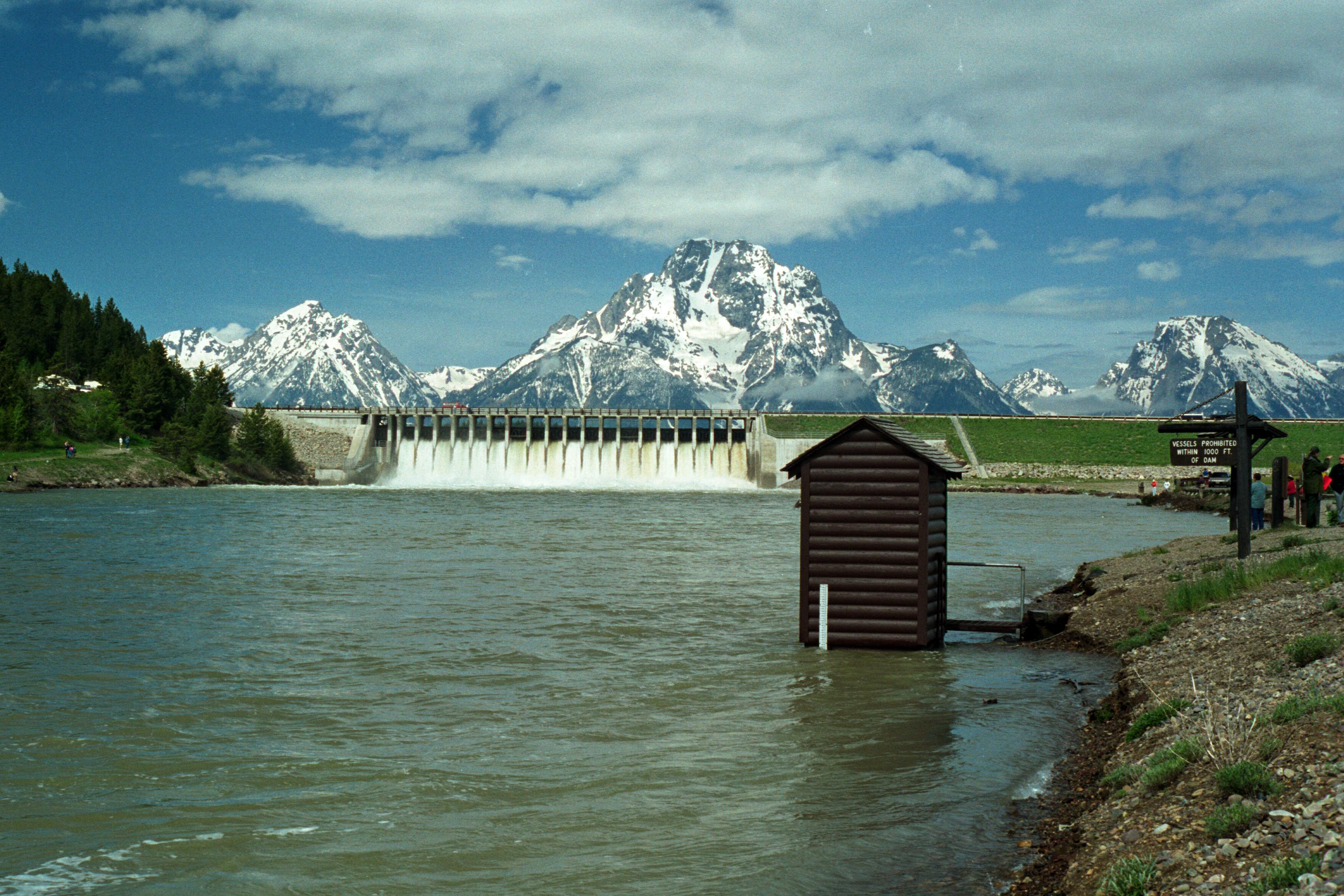
Jackson Lake Dam – Wyoming’s Hidden Engineering Gem
If you think Wyoming is only about towering peaks and endless prairie, think again. Nestled at 2,065 m above sea level, the Jackson Lake Dam offers a perfect blend of rugged natural beauty and quiet engineering marvel. Whether you’re a photographer chasing reflections, a road‑trip enthusiast, or a history buff, this dam is a must‑stop on any Grand Teton itinerary.
About Jackson Lake Dam
Located just outside the town of Jackson, Wyoming (coordinates 43.863298, ‑110.591947), the Jackson Lake Dam is a concrete gravity dam that holds back the crystal‑clear waters of Jackson Lake. While the exact height of the structure isn’t publicly listed, its presence is unmistakable: the dam creates a tranquil reservoir that mirrors the surrounding Teton Range, providing a stunning backdrop for visitors year‑round.
The dam’s primary purpose is water regulation for the region, helping maintain lake levels for recreation, wildlife habitat, and downstream water needs. Its location at the foot of the Teton Range makes it a strategic point for managing the flow of the Snake River watershed.
Beyond its functional role, the dam has become a quiet landmark for travelers exploring Grand Teton National Park and the greater Jackson Hole area. Its modest size compared to massive hydro‑electric projects means you can get up close, feel the cool mist on a summer day, or hear the gentle roar of water in winter—without the crowds you’d find at larger tourist sites.
How to Get There
By Car
The most convenient way to reach the dam is via U.S. Highway 89/191 (the iconic “Teton Park Road”). From Jackson, Wyoming, follow the signs north toward Jackson Lake; the dam sits just a few miles before the lake’s western shoreline. Parking is available in a small lot near the dam’s visitor area, offering easy access for photo‑ops and short walks.
From Jackson Hole Airport (JAC)
The regional airport is about 30 km (≈ 20 mi) away. Rent a car and head north on WY‑22 to join Highway 89/191. The drive takes roughly 35 minutes, with spectacular mountain vistas along the way.
Public Transportation
Grand Teton National Park’s seasonal shuttle service runs between Jackson and the park’s major trailheads, but it does not stop directly at the dam. If you prefer public transit, you’ll need to arrange a taxi or rideshare from the nearest shuttle stop (usually at Signal Mountain Lodge).
Biking & Hiking
For the adventurous, the Teton Park Road is a popular cycling route. Expect steep grades and occasional wildlife crossings, so bring a sturdy bike and plenty of water.
Best Time to Visit
| Season | Highlights | Why Visit |
|---|---|---|
| Spring (April‑May) | Snow‑melt swells the lake, creating dramatic waterfalls and vibrant wildflowers along the shoreline. | Ideal for photographers chasing sunrise reflections and early‑season wildlife. |
| Summer (June‑August) | Warm, calm waters perfect for kayaking, paddle‑boarding, and picnics on the dam’s grassy knoll. | Peak visitor season—great for socializing and joining guided ranger talks (check the park’s calendar). |
| Fall (September‑October) | The surrounding aspens turn golden, and the lake’s surface mirrors the fiery foliage. | Fewer crowds, crisp air, and excellent conditions for bird‑watching. |
| Winter (November‑March) | Snow‑covered dam, icy cliffs, and the occasional frozen cascade. | A photographer’s winter wonderland; be prepared for icy roads and limited services. |
Pro tip: The most photogenic light occurs during the “golden hour” (shortly after sunrise or before sunset). In summer, this can be as early as 5:30 am; in winter, around 7:30 am.
What to Expect
Arriving at Jackson Lake Dam feels like stepping into a postcard. The concrete wall stretches across a narrow canyon, while the lake beyond shimmers with turquoise hues. The air is fresh, scented with pine and the faint mineral tang of the water.
- Scenic Views: From the dam’s overlook, you can see the Teton Range rising dramatically in the distance. On clear days, the peaks appear almost surreal against a deep blue sky.
- Wildlife: Mule deer, elk, and occasionally a moose wander near the shoreline. Keep an eye out for bald eagles soaring overhead—especially during spring migration.
- Recreational Activities: While swimming isn’t allowed directly at the dam for safety reasons, the nearby Jackson Lake offers boat rentals, fishing (trout and bass), and designated swimming beaches a short drive away.
- Quiet Moments: Unlike the bustling town of Jackson, the dam area is tranquil. You’ll often hear only the gentle lapping of water, the rustle of pine needles, and distant wildlife calls.
Nearby Attractions
After you’ve soaked in the dam’s ambiance, explore these nearby natural wonders—all within a 20 km radius:
-
Uhl Dam – 10.9 km away
A smaller, historic dam that offers a peaceful picnic spot. Learn more -
Columbine Cascade – 14.0 km away
A series of delicate waterfalls tucked in a shaded canyon—perfect for a short hike. Columbine Cascade info -
Wilderness Falls – 14.6 km away
A rugged waterfall that drops into a pristine pool, ideal for adventurous photographers. Wilderness Falls details -
Ribbon Cascade – 16.0 km away
Known for its ribbon‑like water flow that creates rain‑bowed mist on sunny days. Ribbon Cascade guide -
Hidden Falls – 16.7 km away
As the name suggests, this secluded cascade requires a modest trek but rewards visitors with an intimate waterfall experience. Hidden Falls overview
All of these spots are accessible via well‑maintained forest roads; be sure to check current road conditions, especially in early spring or late fall.
Travel Tips
| Tip | Details |
|---|---|
| Bring Layers | Altitude (2,065 m) means temperatures can shift quickly. A light fleece, waterproof jacket, and sun hat cover most scenarios. |
| Stay Hydrated | Even at high elevation, the dry mountain air can dehydrate you faster than you think. Carry at least 2 L of water per person. |
| Wildlife Safety | Keep a safe distance (≥ 25 m) from elk and moose. Store food in bear‑proof containers if you’re picnicking. |
| Parking | The dam’s lot fills up fast during summer weekends. Arrive early (before 9 am) or consider visiting on a weekday. |
| Photography Gear | A wide‑angle lens captures the expansive lake‑dam‑mountain tableau; a telephoto lens helps isolate wildlife. A tripod is useful for sunrise/sunset shots. |
| Ranger Programs | The National Park Service often hosts short talks about the dam’s role in water management and local ecology. Check the Grand Teton visitor center schedule. |
| Leave No Trace | Pack out all trash, stay on designated paths, and respect any seasonal closures (especially for wildlife breeding areas). |
| Connectivity | Cell service can be spotty; download offline maps (e.g., Google Maps offline area) before you go. |
Final Thought
The Jackson Lake Dam may not boast the height of the world’s largest dams, but its charm lies in the seamless marriage of human ingenuity and the untamed beauty of the Wyoming high country. A short drive from the bustling streets of Jackson, it offers a peaceful retreat where you can watch the water carve its path, listen to the whisper of pine forests, and gaze at the towering Tetons reflected in glass‑like waters.
Add this hidden gem to your Wyoming road‑trip itinerary, and you’ll discover why travelers who venture off the main trail keep coming back for more.
Happy travels, and may your lens capture the perfect reflection!