Waterworks Fountain – Seattle’s Hidden Splash of Art and Serenity
If you think Seattle’s only claim to fame is coffee and the Space Needle, think again. Tucked away in the heart of the city is Waterworks, a striking fountain that blends modern design with the timeless allure of flowing water. Whether you’re a local looking for a quiet spot to pause or a traveler hunting off‑the‑beaten‑path attractions, Waterworks deserves a place on your Seattle itinerary.
1. Introduction
Imagine standing beneath a 35‑foot‑wide circular basin, watching water cascade over smooth granite cobbles, the sound a gentle hush against the city’s hum. That’s the experience at Waterworks, a contemporary fountain that feels both monumental and intimate. Located at latitude 47.618094 and longitude ‑122.319496, this public artwork is a perfect illustration of Seattle’s commitment to integrating art, nature, and community spaces. In this guide, we’ll explore the fountain’s story, how to get there, the best times to visit, and the hidden gems that surround it.
2. About Waterworks
Design & Description
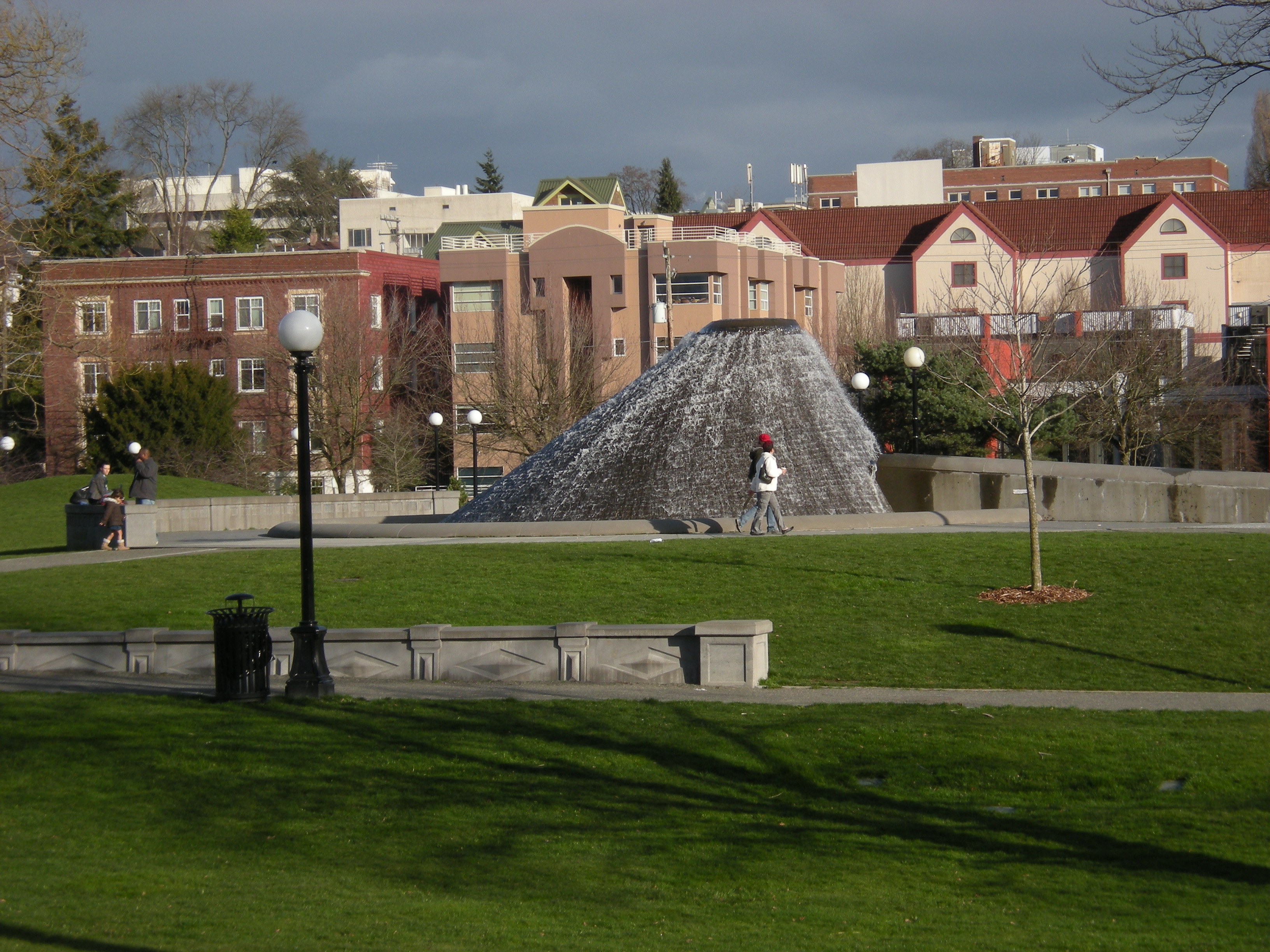
Waterworks is a source element measuring roughly 35 feet in diameter and standing 12 feet high. Water emerges from the top of the cone‑shaped structure and spills over a bed of granite cobbles, creating a shimmering, ever‑moving surface. The cone’s center is intentionally offset, which means the north side slopes more gently. As a result, water flowing down that side does so with a softer, more tranquil rhythm—perfect for those moments when you just want to watch the liquid dance.
History & Significance
While the exact year of installation isn’t listed in the public record, Waterworks belongs to a wave of late‑20th‑century public art projects that aimed to revitalize urban spaces in Seattle. Its name—Waterworks—evokes both the engineering marvel of moving water and the artistic “works” that transform a simple plaza into a living, breathing environment.
The fountain’s presence in the cityscape underscores Seattle’s broader commitment to public art and water‑centric design. It serves as a gathering point for locals, a backdrop for photos, and a quiet oasis for anyone seeking a moment of calm amid the Pacific Northwest’s bustling streets.
3. How to Get There
By Public Transit
- Link Light Rail: Disembark at the University of Washington Station (the nearest light‑rail stop). From there, it’s a pleasant 10‑minute walk south‑west along University Way NE toward the fountain’s coordinates.
- Bus Routes: Seattle’s #45 and #61 buses stop within a block of the fountain. Check the King County Metro website for real‑time schedules.
By Car
- Parking: Street parking is available on surrounding avenues, but be mindful of residential permit zones. For a guaranteed spot, use the University Village parking garage (approximately 0.5 km away) and walk the rest of the way.
- Directions: From downtown Seattle, take I‑5 North to exit 165 (University Way). Follow signs for the University District; the fountain sits near the intersection of NE 45th Street and University Way.
By Bike or On Foot
Seattle’s bike‑friendly lanes make cycling to Waterworks a breeze. The Seattle Bike Route 5 runs close to the site, and the Seattle Waterfront Trail connects you from the downtown waterfront to the fountain in under 30 minutes.
4. Best Time to Visit
- Spring (March–May): As cherry blossoms bloom across the city, the fountain’s reflective surface captures pastel hues, making for dreamy photographs.
- Summer (June–August): Longer daylight hours mean you can linger longer. Evening concerts and pop‑up markets sometimes appear near the fountain, adding a festive vibe.
- Fall (September–November): The cooler air highlights the warm tones of the granite, and the softer north‑side water flow feels especially cozy.
- Winter (December–February): While Seattle’s winter rains can be misty, the fountain’s constant flow creates a mesmerizing misty veil—great for atmospheric shots.
Tip: The fountain is illuminated after sunset, so visiting just after twilight offers a magical blend of natural and artificial light.
5. What to Expect
Upon arrival, you’ll be greeted by a spacious, circular basin framed by neatly trimmed landscaping. The water’s gentle roar provides a soothing soundtrack, making the area popular for reading, sketching, or simply people‑watching.
Because the north side of the cone slopes more gently, the water there forms delicate, thin ribbons that glisten in the sun—ideal for close‑up macro photography. On the opposite side, the steeper slope creates a livelier cascade, adding visual contrast.
The fountain is open year‑round, free of charge, and accessible for wheelchair users. Benches are scattered around the perimeter, and nearby cafés offer coffee to enjoy while you soak in the ambiance.
6. Nearby Attractions
Waterworks sits in a vibrant neighborhood brimming with other points of interest. Here are the top spots within a 1‑kilometer radius (each linked for easy planning):
| Distance | Attraction | Type | Link |
|---|---|---|---|
| 0.0 km | Waterworks Fountain (you’re already here!) | Fountain | — |
| 0.7 km | [Unnamed Fountain] | Fountain | Search |
| 0.8 km | [Unnamed Waterfall] | Waterfall | Search |
| 0.8 km | [Unnamed Fountain] | Fountain | Search |
| 0.9 km | Gratias Agimus | Fountain | Wikipedia – Gratias Agimus |
While some of the nearby fountains and the waterfall are lesser‑known, they’re worth a quick stroll to discover hidden art installations and quiet water features.
Other notable landmarks within walking distance include:
- University of Washington Campus – historic red brick buildings and the iconic Red Square.
- Burke Museum of Natural History and Culture – a short 10‑minute walk for those interested in Pacific Northwest heritage.
- University Village – a shopping and dining hub perfect for a post‑visit meal.
7. Travel Tips
| Tip | Details |
|---|---|
| Check the Weather | Seattle’s microclimates can shift quickly. A light raincoat won’t hurt, and the fountain looks especially enchanting when misted. |
| Bring a Camera | The offset cone creates two distinct water flows—capture both the gentle north‑side ribbons and the more vigorous south‑side cascade. |
| Visit at Dusk | The fountain’s illumination combined with the city lights creates a romantic backdrop for evening selfies. |
| Combine with a Coffee Stop | Nearby cafés on University Way NE serve locally roasted beans; grab a latte and enjoy it on the benches surrounding the fountain. |
| Stay Safe | The basin can be slippery when wet. Keep an eye on children and avoid stepping onto the granite cobbles. |
| Plan for Accessibility | The site is wheelchair‑friendly, but nearby streets may have curb cuts that are uneven—plan your route accordingly. |
| Respect the Space | As a public artwork, Waterworks is maintained by the city. Keep the area clean and follow any posted signage. |
Final Thought
Seattle’s Waterworks Fountain may not appear on every tourist brochure, but its blend of art, water, and urban serenity makes it a must‑see for anyone craving a genuine Seattle experience. From the soothing sound of flowing water to the striking design that plays with light and angle, Waterworks invites you to pause, reflect, and perhaps even discover a new favorite spot in the Emerald City.
Ready to add a splash of wonder to your Seattle travel plan? Grab your map, hop on the light rail, and let Waterworks be the centerpiece of your Pacific Northwest adventure.