Snoqualmie Falls: Washington’s Majestic 268‑Foot Waterfall
If you’ve ever dreamed of standing beneath a roaring cascade that drops nearly 270 feet into a mist‑filled gorge, Snoqualmie Falls in Washington State is the place to make that vision a reality.
1. Introduction
There’s a reason the iconic 81.7‑meter (268‑foot) plunge of Snoqualmie Falls appears on everything from postcards to the opening credits of the TV series Twin Peaks. Perched just 30 minutes east of Seattle, this thunderous waterfall is more than a scenic backdrop—it’s a cultural landmark, a photographer’s playground, and a natural playground for anyone who loves the great outdoors. Whether you’re a first‑time visitor, a local looking for a weekend escape, or a seasoned traveler mapping the Pacific Northwest, Snoqualmie Falls delivers a dramatic, unforgettable experience.
2. About Snoqualmie Falls
A Natural Wonder
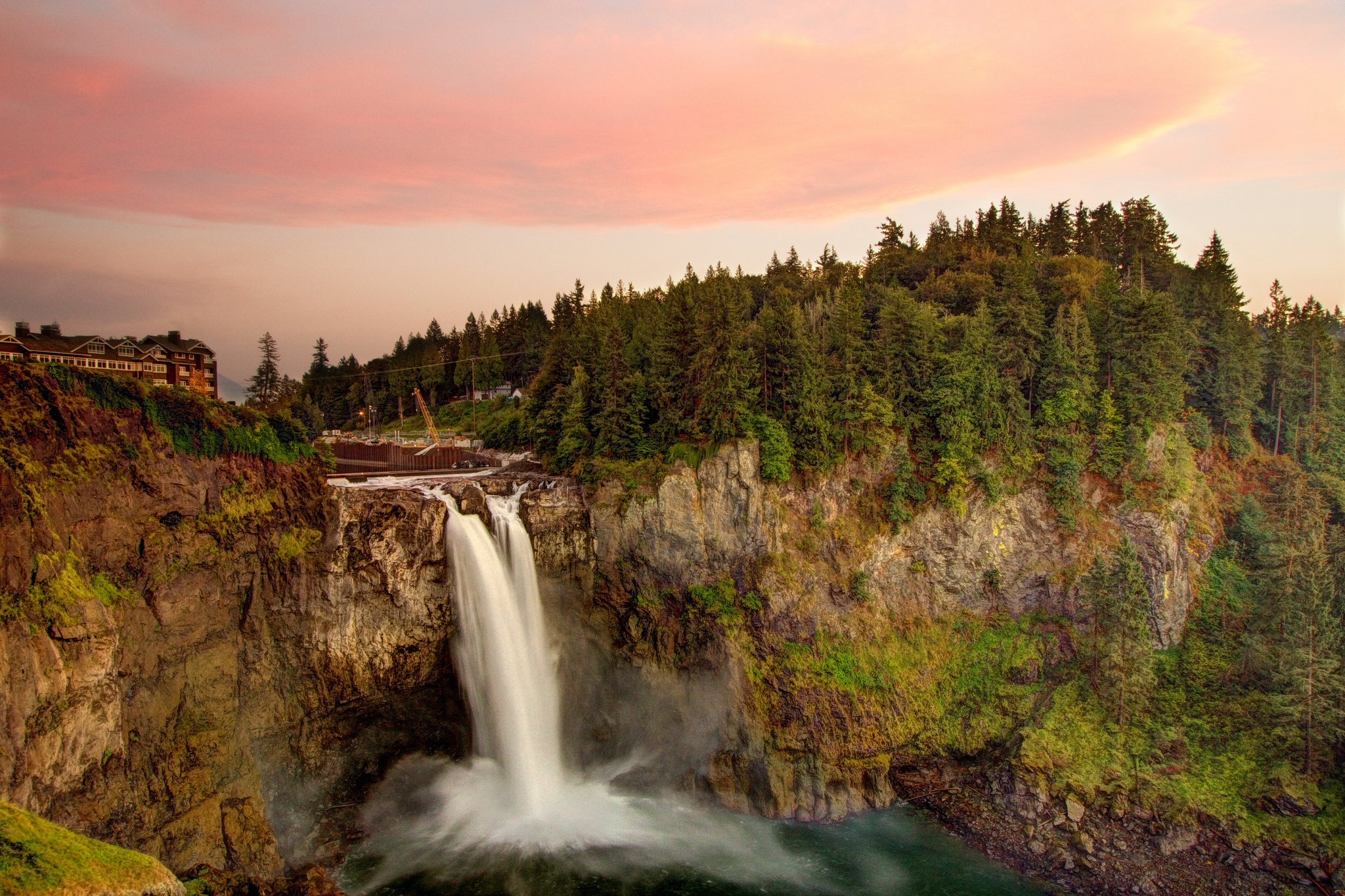
Snoqualmie Falls sits on the Snoqualmie River at coordinates 47.541650, ‑121.837935. The river plunges 81.7 m (268 ft) over a basalt cliff, creating a powerful sheet of water that can reach up to 1,400 cubic feet per second during peak flow. The roar of the falls can be heard from the highway (State Route 202) and the surrounding forest, while a perpetual mist creates rainbows on sunny days.
Historical & Cultural Significance
Long before modern highways traced the valley, the falls held deep spiritual meaning for the Snoqualmie Tribe. Known in Lushootseed as Snoqualmuich, the site was considered a place of power and ceremony. Today, the tribe continues to honor the waterfall through cultural events and stewardship programs.
In the early 20th century, the falls attracted tourists via the Snoqualmie Falls Lodge, which opened in 1908 and still operates as a charming restaurant and gift shop. The lodge’s historic stone façade and sweeping views make it a perfect spot for a coffee break after exploring the trail.
3. How to Get There
| Mode of Transport | Directions | Approx. Time |
|---|---|---|
| By Car | From Seattle, take I‑90 East toward the Cascade Mountains. Exit at Snoqualmie Falls Exit (Exit 13), follow signs to the Snoqualmie Falls Park parking lot. | 30‑45 min (45 mi) |
| Public Transit | Sound Transit Route 560 runs from Seattle’s South Lake Union to Snoqualmie. Get off at the Snoqualmie Falls stop (check the latest schedule). From there, it’s a short, well‑marked walk to the falls. | 1 hr 15 min |
| Ride‑Share / Taxi | Most ride‑share apps (Uber, Lyft) recognize “Snoqualmie Falls” as a drop‑off point. Expect a flat rate from Seattle during peak hours. | 30‑45 min |
| Biking | For the adventurous, the Snoqualmie Valley Trail connects to the falls via a paved spur. Bring a bike lock for the parking area. | 1 hr 30 min (round‑trip) |
Parking – The main lot holds about 150 vehicles and fills quickly on weekends and holidays. Arrive early (7 am–9 am) for a guaranteed spot. Handicapped spaces are available near the visitor center.
4. Best Time to Visit
| Season | What to Expect | Why It’s Ideal |
|---|---|---|
| Spring (Mar‑May) | Snowmelt swells the river, producing the most powerful flow of the year. Wildflowers begin to bloom in the surrounding forest. | Peak water volume creates spectacular spray and rainbows. |
| Summer (Jun‑Aug) | Warm, sunny days make the viewing platform comfortable. Longer daylight hours allow for sunset shots. | Clear skies and easy trail conditions. |
| Fall (Sep‑Nov) | The foliage turns brilliant shades of amber and crimson, framing the falls in a painterly backdrop. | Autumn colors add depth to photos. |
| Winter (Dec‑Feb) | Ice may form on the cliff edges, and the flow can be lower, but the mist creates a mystical, ethereal atmosphere. | Quiet crowds and dramatic, mist‑filled scenes. |
Pro tip: The falls are most spectacular during high‑water events (typically late winter to early spring). Check the U.S. Geological Survey river gauge for current flow rates before you go.
5. What to Expect
The Viewpoint Experience
The Snoqualmie Falls Observation Deck sits 150 feet above the gorge, offering a panoramic view of the cascade and the river below. The deck is wheelchair‑accessible and includes safety railings, interpretive signage, and a binocular station for bird‑watchers.
From the deck, you’ll hear a constant, thunderous roar—an audible reminder of the waterfall’s power. On sunny days, the mist catches the light, forming vivid rainbows that stretch across the sky.
Trails & Hiking
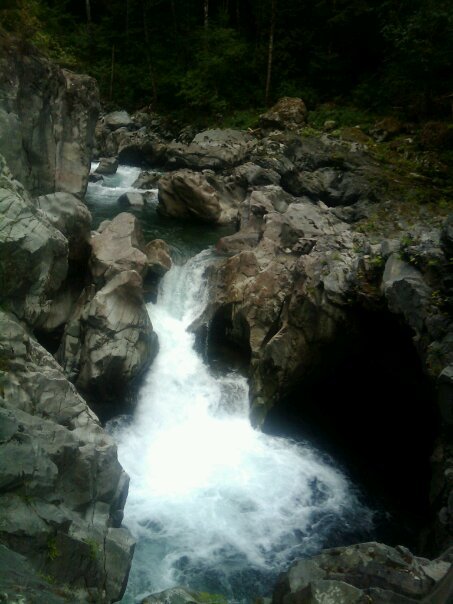
- Lower Trail (0.5 mi round‑trip): A gentle, paved path that leads from the parking lot to the Snoqualmie Lower Falls (0.5 km away). This secondary cascade is smaller but offers a quieter, more intimate setting.
- Upper Trail (1.2 mi loop): A moderately steep, well‑marked trail that descends to the river’s edge, providing a ground‑level perspective of the plunge. Note: This trail can be slippery when wet; sturdy shoes are recommended.
Wildlife & Photography
The surrounding mixed‑forest habitat is home to black-tailed deer, great blue herons, and occasional bald eagles soaring above the gorge. Photographers love the natural “golden hour” light that bathes the falls in warm hues, especially from late afternoon in summer and early evening in fall.
6. Nearby Attractions
After you’ve soaked in the majesty of Snoqualmie Falls, explore these nearby points of interest—all within a short drive or walk:
-
Snoqualmie Diversion Dam (Weir) – 0 km (right at the falls). This historic weir helps regulate river flow and offers a glimpse into early 20th‑century water management.
-
Snoqualmie Lower Falls – 0.5 km away. A smaller cascade that’s perfect for a quiet picnic or a quick photo stop.
-
Unnamed Weir (1.3 km) – A lesser‑known water structure that adds to the river’s character. Look for signage along the river trail for details.
-
Unnamed Waterfall (2.1 km) – A hidden gem tucked in the forest. Hikers who venture off the main path may discover this secluded drop, especially after a rainstorm.
-
Preston Mill Pond Dam – 7.1 km away in the town of Preston. This historic dam sits beside a tranquil pond, ideal for kayaking or a leisurely stroll along the water’s edge.
Tip: All these attractions are reachable via the Snoqualmie Valley Trail, a paved multi‑use path that connects parks, farms, and historic sites throughout the valley.
7. Travel Tips
| Tip | Details |
|---|---|
| Arrive Early | Weekends and holidays fill the parking lot fast. Early arrival guarantees a spot and fewer crowds on the observation deck. |
| Dress in Layers | The mist from the falls can make the air feel cooler, even on hot summer days. A light waterproof jacket is a smart choice. |
| Bring a Camera with a Zoom Lens | The falls are 81.7 m high; a telephoto lens (70‑200 mm) lets you capture details of the water’s plunge without getting too close. |
| Stay Hydrated & Pack Snacks | While the on‑site café offers coffee and light fare, having water and a snack in your bag keeps you energized for the hikes. |
| Respect Cultural Signage | The Snoqualmie Tribe’s cultural markers are present throughout the park. Follow any guidelines, especially around sacred areas. |
| Check River Flow | For the most dramatic experience, view the falls when the river is at high flow. The USGS website provides real‑time data. |
| Leave No Trace | Pack out all trash, stay on marked trails, and avoid feeding wildlife. The park’s natural beauty depends on responsible visitation. |
| Accessibility | The main observation deck is wheelchair‑accessible, but the lower trail includes some uneven surfaces. Plan accordingly if mobility is a concern. |
| Pet Policy | Dogs are allowed on the trail but must be leashed at all times. No pets are permitted on the observation deck. |
| Nighttime Visits | The falls are illuminated during special events (e.g., the Snoqualmie Falls Fireworks on July 4th). Check the city’s event calendar for seasonal lighting. |
Final Word
Snoqualmie Falls isn’t just a waterfall; it’s a gateway to the Pacific Northwest’s natural, cultural, and historical tapestry. From the thunderous roar of an 81.7‑meter plunge to the serene forest trails that wind around it, this landmark offers something for every traveler. Pack your camera, lace up your boots, and let the mist of Snoqualmie Falls inspire your next adventure in Washington State.
Happy travels!