Gratias Agimus Fountain – Seattle’s Hidden Water‑Art Gem
If you think Seattle’s charm is limited to coffee, rain‑soaked streets, and the Space Needle, think again. Tucked away on the Seattle University campus lies Gratias Agimus, a graceful fountain that quietly whispers the city’s love for art, history, and community. In this guide we’ll dive into everything you need to know to make this modest masterpiece a highlight of your Pacific‑Northwest adventure.
1. Introduction
Imagine stepping onto a leafy campus, the gentle murmur of water guiding you toward a polished stone basin, and a cascade of shimmering droplets catching the Pacific light. That’s the moment you experience at Gratias Agimus, a fountain that may not dominate travel brochures but offers a serene pause in the bustling heart of Seattle. Whether you’re a local looking for a new photo‑op, a student on a campus tour, or a traveler hunting off‑the‑beaten‑path attractions, this fountain delivers a quiet, reflective oasis that perfectly captures Seattle’s blend of modernity and nature.
2. About Gratias Agimus
What Is It?
- Name: Gratias Agimus
- Type: Fountain ⛲
- Location: Seattle University, Seattle, Washington, United States
- Coordinates: 47.610056, -122.319014
The fountain is officially listed on Wikipedia under the name Centennial Fountain (Seattle University), a tribute to the university’s 100‑year anniversary. While the official title honors the milestone, the Latin phrase “Gratias Agimus” translates to “We give thanks,” echoing the gratitude the campus community feels for its heritage, donors, and the natural beauty that surrounds it.
A Brief History
The fountain was installed as part of the university’s centennial celebrations, a period when Seattle University sought to blend its academic legacy with public art that would inspire future generations. Though the exact year of dedication isn’t publicly documented, the structure has become a familiar landmark for students, faculty, and visitors alike. Its design is intentionally understated—smooth stone, a modest water flow, and surrounding landscaping—allowing the water’s movement to become the focal point rather than an overwhelming spectacle.
Why It Matters
- Cultural Significance: The Latin inscription ties the fountain to the university’s Catholic roots, emphasizing gratitude and reflection.
- Public Art: It exemplifies Seattle’s commitment to integrating art into everyday spaces, a tradition seen throughout the city’s parks and streets.
- Community Hub: Students often gather around the fountain between classes, making it a natural meeting spot and a backdrop for countless graduation photos.
3. How to Get There
By Public Transit
Seattle’s robust public‑transport network makes reaching Gratias Agimus a breeze:
| Mode | Route | Approx. Time | Notes |
|---|---|---|---|
| Bus | King County Metro Route 45 (Northgate‑University District) | 15‑20 min from downtown | Get off at the Seattle University stop (near the main entrance). |
| Light Rail | Link Light Rail – University District Station | 10 min walk | Walk north on 15th Ave NE, then turn left onto Campus Way. |
| Bike | Seattle’s bike‑share program (e.g., Lime, Spin) | 10‑12 min | Dedicated bike lanes run along NE 15th Ave. |
By Car
- From Downtown Seattle: Take I‑5 North → Exit 166 (University District). Follow NE 45th St, turn left onto 15th Ave NE, then right onto Campus Way. Parking is limited on campus, but the University Parking Garage (located at 1 Campus Way NE) offers short‑term spaces for a modest fee.
- From Seattle‑Tacoma International Airport (SEA): Follow I‑5 North to Exit 166, then follow the same directions above. The drive typically takes 20‑25 minutes, depending on traffic.
Walking & Accessibility
The fountain sits in a pedestrian‑friendly zone, with smooth pathways and curb‑cuts that meet ADA standards. If you’re already exploring the Seattle University campus, simply follow the signage toward the Centennial Plaza—the fountain is the centerpiece of this open space.
4. Best Time to Visit
Seasonal Highlights
| Season | Why Visit Now? |
|---|---|
| Spring (Mar‑May) | The campus blossoms with cherry trees and tulips, creating a vibrant backdrop for the fountain’s reflective surface. |
| Summer (Jun‑Aug) | Longer daylight hours let you enjoy the fountain’s gentle mist during golden hour—a photographer’s dream. |
| Fall (Sep‑Nov) | Autumn foliage adds warm tones, and the cooler weather makes the water’s sound especially soothing. |
| Winter (Dec‑Feb) | While Seattle’s rain can be steady, the fountain’s steady flow against a misty backdrop feels magical—just bring a waterproof jacket! |
Time of Day
- Early Morning (7 am‑9 am): Fewer crowds, soft sunrise light, and a tranquil atmosphere perfect for meditation or yoga.
- Late Afternoon (4 pm‑6 pm): Ideal for catching the sunset glow reflecting off the water.
- Evening (7 pm‑9 pm): The fountain is subtly illuminated, offering a romantic setting for evening strolls.
5. What to Expect
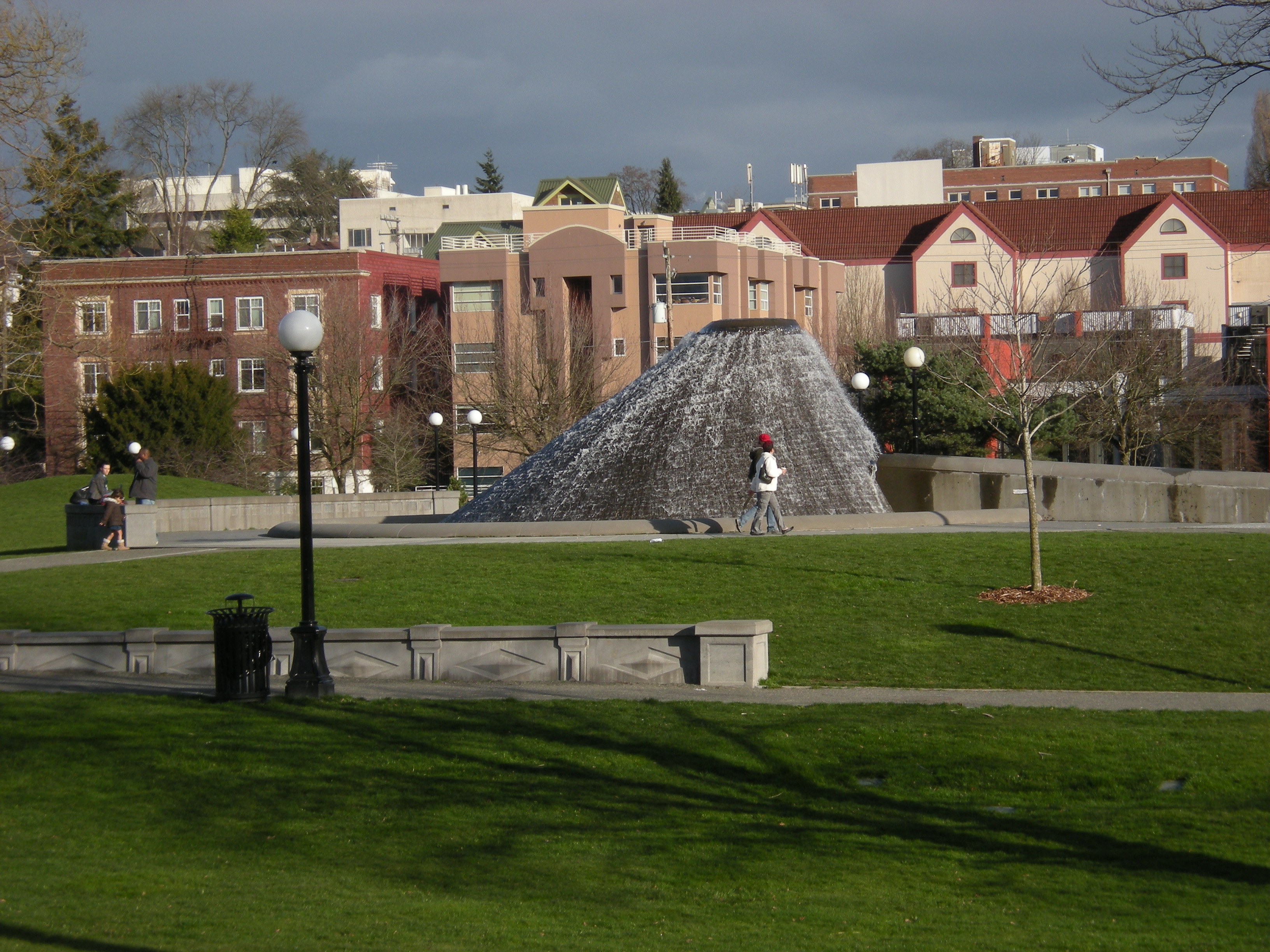
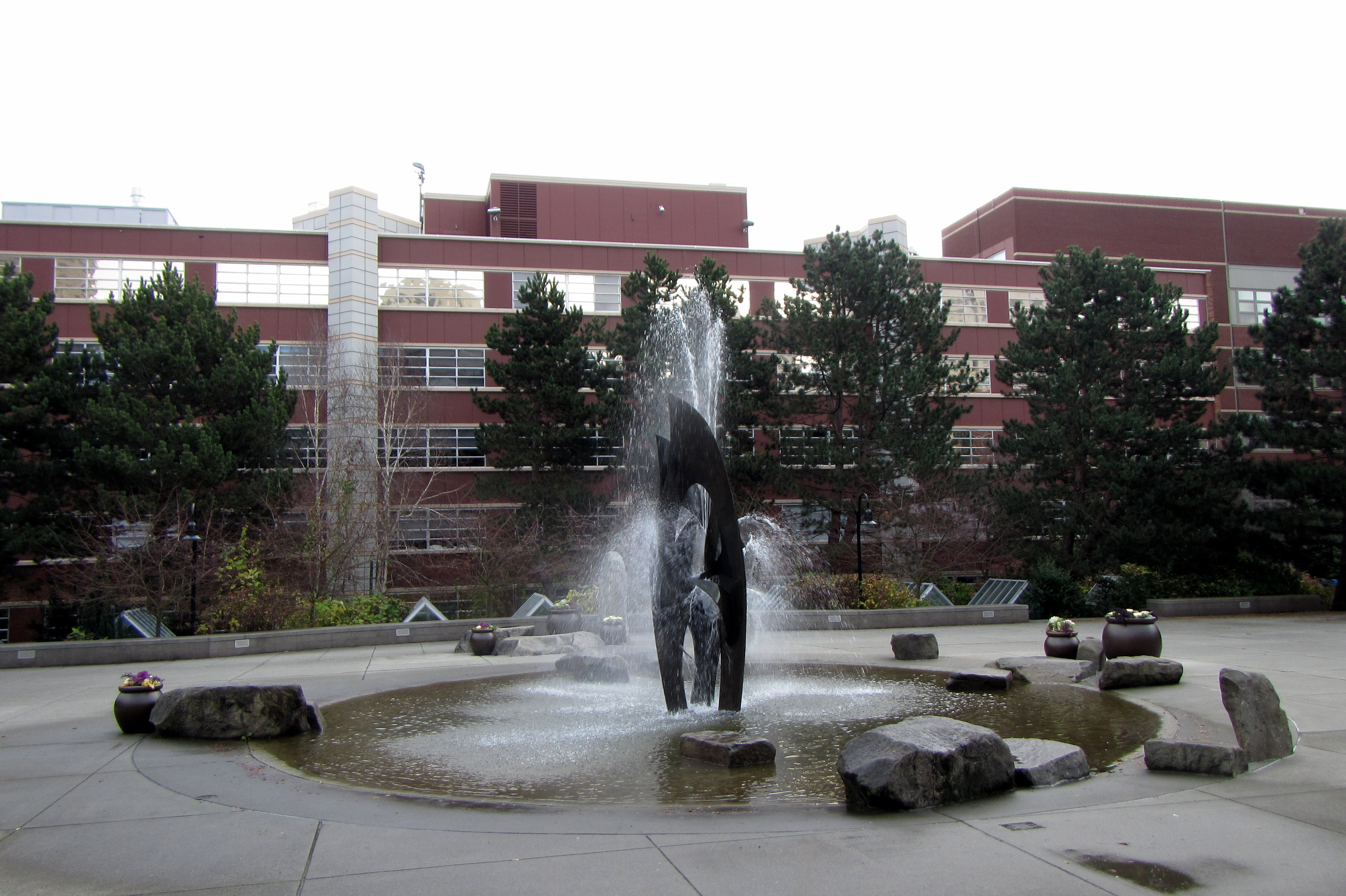
Arriving at Gratias Agimus, you’ll first notice the gentle sound of circulating water, a calming counterpoint to the hum of campus life. The fountain’s basin is surrounded by low‑lying stone benches, inviting you to sit, read, or simply watch the water ripple.
- Visuals: Clear, steady streams rise from the basin’s center, creating a modest arch that glistens under the sun. In winter, the mist adds a dreamy veil over the stone.
- Atmosphere: A mix of academic energy and quiet contemplation. Students often study nearby, while visitors pause for photos.
- Photography Tips: Position yourself at a 45‑degree angle to capture both the fountain and the surrounding greenery. Use a polarizing filter to reduce glare on sunny days.
Because the fountain is publicly accessible at all hours, you’ll encounter a diverse crowd—from early‑morning joggers to evening couples. The space is well‑maintained, with regular cleaning and water quality checks by the university facilities team.
6. Nearby Attractions
While Gratias Agimus is a standout, the surrounding area offers several other water‑themed sites that complement your visit. All are within a 1‑kilometer radius, making them perfect for a leisurely walking tour.
| Attraction | Distance | Why Go? |
|---|---|---|
| Unnamed Fountain #1 | 0.2 km | A small decorative basin tucked near the university’s library—great for a quick photo stop. |
| Unnamed Fountain #2 | 0.3 km | Located beside the student union, this fountain features a playful cascade that kids love. |
| Unnamed Fountain #3 | 0.9 km | A modern, abstract water sculpture in the adjacent park, offering a contrast to Gratias Agimus’s classic design. |
| Waterworks (Fountain) | 0.9 km | This larger public fountain is known for its synchronized light show after dark—check the schedule on the City of Seattle website. |
| Unnamed Waterfall | 0.9 km | A natural‑look waterfall installed in a landscaped garden, perfect for a tranquil pause. |
Tip: Most of these spots are on or near the University District and are easily reachable on foot. If you’d like more details, a quick search for “University District Seattle fountains” will pull up maps and visitor reviews.
7. Travel Tips
- Dress for the Weather – Seattle’s climate can shift quickly. A light waterproof jacket and comfortable walking shoes will keep you comfortable year‑round.
- Bring a Camera – The fountain’s reflective surface creates striking photos, especially during sunrise or sunset. A tripod can help with low‑light shots in the evening.
- Mind Campus Hours – While the fountain is open to the public, some campus buildings have restricted access after certain hours. Stick to the public pathways to avoid any inconvenience.
- Stay Hydrated – If you’re exploring on a warm summer day, carry a reusable water bottle. Seattle’s tap water is famously clean and safe to drink.
- Check Event Calendars – Seattle University often hosts outdoor performances, art installations, or student fairs near the fountain. Visiting during an event can add a lively cultural layer to your experience.
- Use Public Transit Passes – The ORCA card works on buses, light rail, and ferries, making it the most economical way to navigate Seattle’s transit network.
- Respect the Space – As a place of reflection, keep noise levels low and dispose of trash responsibly. The university’s maintenance crew works hard to keep the water clear and the surroundings tidy.
Final Thought
Gratias Agimus may not be the first name that pops up when planning a Seattle itinerary, but its understated elegance and tranquil vibe embody the city’s love for public art, community, and nature. Pair it with a stroll through the nearby fountains and a quick coffee at a campus café, and you’ve crafted a uniquely Seattle experience—one that invites gratitude, just as the Latin inscription suggests.
Ready to add a splash of serenity to your Pacific‑Northwest adventure? Grab your camera, hop on the Link Light Rail, and let the gentle flow of Gratias Agimus guide you into Seattle’s quieter side.
Keywords: Seattle fountain, Gratias Agimus, Centennial Fountain Seattle University, Seattle University attractions, things to do in Seattle, public art Seattle, Seattle travel guide, University District Seattle, Seattle water features, hidden Seattle gems.