Andrew Mellon Memorial Fountain – A Hidden Gem in the Heart of Washington, D.C.
If you think the National Mall is the only place to soak up the sparkle of Washington, D.C.’s water features, think again. Tucked just a few steps away from the world‑renowned National Gallery of Art, the Andrew Mellon Memorial Fountain offers a serene pause amid the city’s bustling cultural corridor. Whether you’re a first‑time visitor, a history buff, or a fountain‑enthusiast, this elegant tribute is worth adding to your D.C. itinerary.
About Andrew Mellon Memorial Fountain
Located at 38.892337, -77.019530 in the heart of Washington, D.C., the Andrew Mellon Memorial Fountain is more than just a decorative water feature—it’s a lasting homage to one of America’s most influential philanthropists.
-
Who was Andrew W. Mellon?
Andrew William Mellon (1855‑1937) served as U.S. Treasury Secretary and was a major patron of the arts. His generous endowment helped establish the National Gallery of Art, and the fountain was commissioned to honor his contributions to American culture and public service. -
Design & Architecture
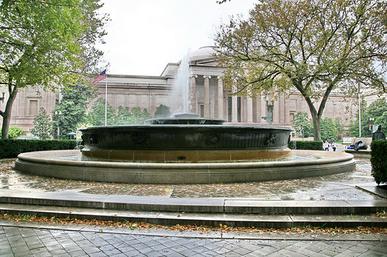
While the exact height of the fountain remains undocumented, its design reflects the neoclassical elegance that characterises the surrounding Gallery complex. A graceful cascade of water flows into a stone basin, framed by subtle landscaping that invites quiet contemplation. The simplicity of the composition lets the water’s movement become the star of the show. -
Cultural Significance
The fountain stands as a symbolic bridge between Mellon’s legacy and the public’s daily experience of art and nature. It serves as a gathering spot for locals, tourists, and school groups alike, offering a photo‑worthy backdrop for anyone exploring the Mall’s western side.
How to Get There
Reaching the Andrew Mellon Memorial Fountain is straightforward, thanks to Washington, D.C.’s robust public‑transport network and walkable downtown layout.
| Mode of Transport | Directions | Approx. Time |
|---|---|---|
| Metro (Subway) | Take the Blue, Orange, or Silver Line to Smithsonian station (Blue/Orange) or Federal Triangle (Silver). Exit onto Independence Avenue and walk west toward the National Gallery of Art. The fountain is visible from the Gallery’s West Building courtyard. | 5‑10 min walk |
| Bus | Routes 31, 32, 36, and D6 stop near the Mall’s western edge. Get off at the National Gallery of Art stop and follow signs to the West Building. | 2‑3 min walk |
| Bike/ scooter | Capital Bikeshare stations are scattered throughout the Mall. Dock a bike at the National Gallery of Art station and ride a short distance to the fountain. | 2 min |
| Walking | If you’re staying in the Penn Quarter, Foggy Bottom, or near the White House, the fountain is a pleasant 15‑20‑minute stroll. Follow Independence Avenue westward; the fountain sits just beyond the Gallery’s marble façade. | – |
Parking tip: Limited street parking exists on 19th Street NW, but the area fills quickly during peak tourist seasons. Using public transit is the most hassle‑free option.
Best Time to Visit
The fountain is a year‑round attraction, but certain seasons enhance the experience:
- Spring (March‑May): Cherry blossoms and tulips bloom around the Gallery’s gardens, creating a vibrant, colorful setting for the fountain’s sparkling water. Morning light adds a soft glow to photos.
- Summer (June‑August): Longer daylight hours mean you can linger later into the evening. The fountain’s mist offers a refreshing micro‑climate on hot days.
- Fall (September‑November): The surrounding trees turn amber and gold, providing a picturesque backdrop. Cooler evenings make the water’s gentle sound especially soothing.
- Winter (December‑February): While the fountain may be turned off during freezing temperatures, the surrounding architecture looks striking against a crisp, snow‑dusted skyline. Check the National Gallery’s website for seasonal operation updates.
Pro tip: Arrive early (around 8 am) on weekdays to enjoy the fountain with fewer crowds, especially if you plan to take photos or simply soak in the tranquility.
What to Expect
Stepping onto the plaza surrounding the Andrew Mellon Memorial Fountain feels like entering a quiet oasis amid the city’s cultural hustle. Here’s what you’ll encounter:
- A Calm Ambiance: The gentle sound of water creates a soothing backdrop that drowns out the distant traffic of Constitution Avenue.
- Architectural Harmony: The fountain’s stone basin mirrors the neoclassical lines of the National Gallery’s West Building, offering a seamless visual flow between art, architecture, and nature.
- Photo Opportunities: Whether you’re using a smartphone or a DSLR, the fountain provides a classic composition—water arching over a reflective surface, framed by marble columns. Early morning or late afternoon light yields the most dramatic shadows.
- Family‑Friendly Space: Benches line the perimeter, making it an ideal spot for a quick rest during a museum crawl. Children often love watching the water jets, so a brief stop can be a pleasant break for families.
- Quiet Reflection: Many visitors treat the fountain as a place for contemplation, especially given its dedication to a figure who championed public service and the arts.
Nearby Attractions
The Andrew Mellon Memorial Fountain sits in a cultural hotspot, with several other points of interest just a short walk away (approximately 0.2 km). While the exact names of these neighboring fountains are not listed, you can easily discover them on site or via the National Mall map. Below are the key attractions you’ll encounter in the immediate vicinity:
- National Gallery of Art – West Building – Home to masterpieces by Leonardo da Vinci, Vermeer, and American Impressionists.
- National Gallery of Art Sculpture Garden – A sprawling outdoor collection of modern and contemporary sculptures, perfect for a leisurely stroll.
- The Hirshhorn Museum and Sculpture Garden – Contemporary art exhibits and an iconic circular building.
- The Smithsonian Institution Building (“The Castle”) – The historic hub of the Smithsonian museums, offering free exhibitions and information desks.
- Nearby Fountains – Within a 0.2 km radius, you’ll find several charming water features that complement the Mellon Fountain’s elegance. Check the on‑site signage or the official D.C. parks website for exact locations and names.
All of these attractions are within comfortable walking distance, making it easy to create a full‑day cultural itinerary.
Travel Tips
- Check Fountain Operation Hours: The fountain may be turned off for maintenance or during extreme weather. Visit the National Gallery of Art’s official website or the National Park Service page for the latest updates.
- Combine with a Museum Pass: If you plan to explore the National Gallery, the Hirshhorn, or other Smithsonian museums, consider purchasing a Washington DC Explorer Pass to save on admission fees and skip lines.
- Stay Hydrated: Summer visits can be hot, especially when walking between museums. Bring a refillable water bottle—there are water fountains throughout the Mall.
- Dress Comfortably: Wear supportive shoes for walking on the marble and stone surfaces around the fountain and museum plazas.
- Photography Gear: A polarizing filter can reduce glare on the water’s surface, while a wide‑angle lens captures the fountain’s relationship with the surrounding architecture.
- Accessibility: The fountain area is wheelchair‑accessible, with smooth pathways and nearby ramps leading into the Gallery’s West Building.
- Safety: The area is well‑patrolled by D.C. Metro Police and is generally safe at any hour, but keep an eye on personal belongings, especially during peak tourist seasons.
Wrap‑Up
The Andrew Mellon Memorial Fountain may not headline every travel guide, but its understated elegance, historic significance, and prime location make it a must‑see for anyone exploring Washington, D.C.’s cultural core. Whether you’re snapping a sunrise photo, taking a reflective break between museum visits, or simply enjoying the gentle mist on a summer day, this fountain offers a moment of serenity that enriches the capital’s vibrant tapestry.
Ready to add a splash of history to your D.C. adventure? Grab your Metro card, lace up your walking shoes, and let the water’s whisper guide you to one of the city’s most charming hidden treasures.