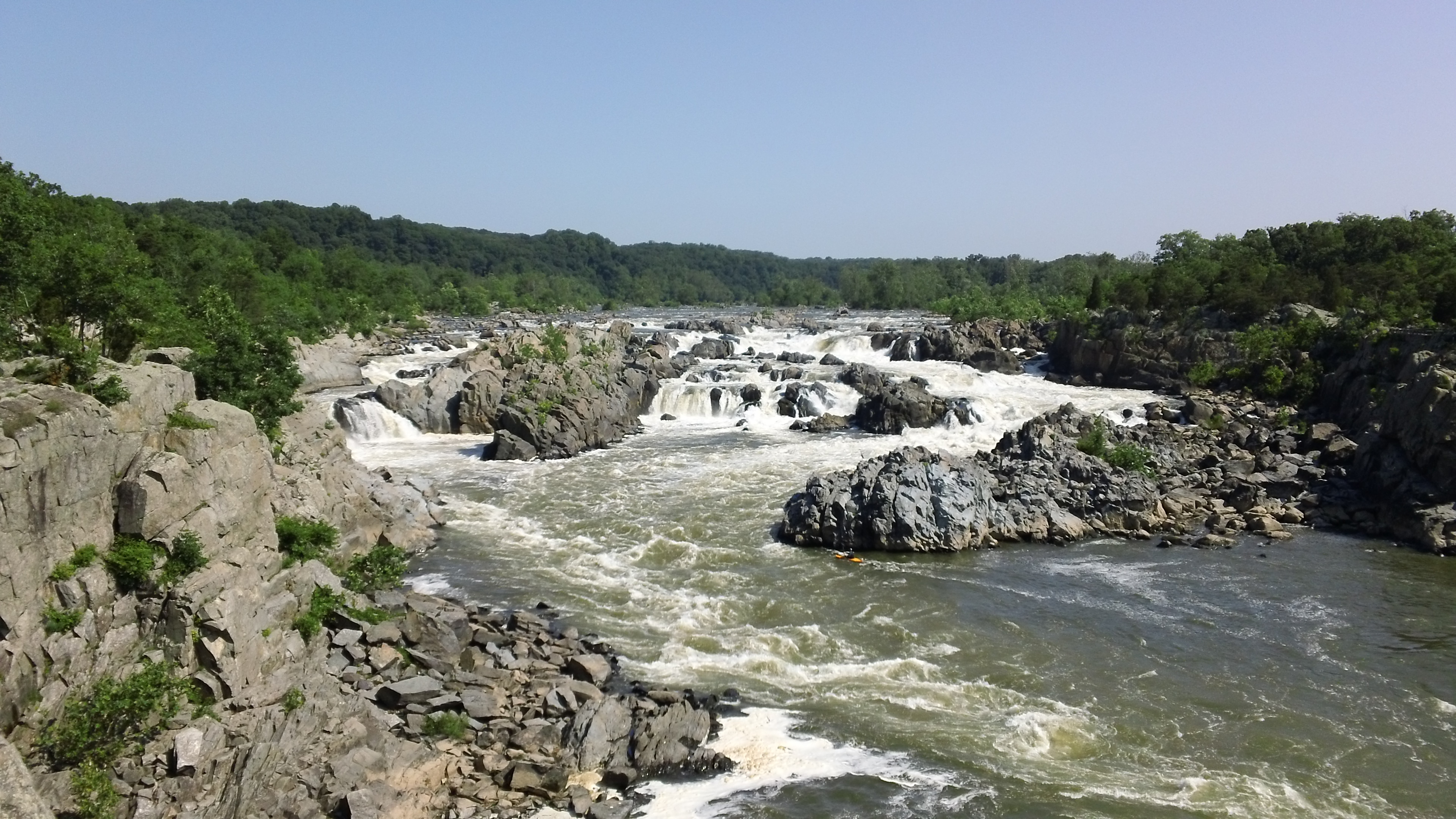
Great Falls, Virginia – A Must‑See Waterfall Adventure
If you’ve ever dreamed of standing beside a roaring cascade that drops 14 meters into a mist‑filled gorge, Great Falls in Virginia is the place to make that dream a reality. Nestled just a short drive from Washington, D.C., this iconic waterfall on the Potomac River offers a perfect blend of natural drama, easy accessibility, and unforgettable photo ops.
1. Introduction
There’s something magnetic about water that tumbles over rock—its roar, the spray that kisses your face, the way sunlight catches on the droplets to create a fleeting rainbow. Great Falls, located in the charming community of Great Falls, Virginia, delivers all of that and more. At a height of 14 m (≈46 ft) and perched 39 m above sea level, the falls are a favorite spot for hikers, photographers, families, and anyone looking to escape the city buzz without venturing far from the capital.
Whether you’re planning a weekend day trip, a sunrise hike, or a romantic sunset stroll, this guide will give you everything you need to experience Great Falls like a local.
2. About Great Falls
Great Falls is part of the Potomac River system, where the river squeezes through a series of steep, granite cliffs before plunging over a series of cascades. The waterfall’s name reflects the sheer power of the water as it “greatly falls” over the rock face, creating a dramatic, thunderous display that has been celebrated for centuries.
History & Significance
- Early Use: Indigenous peoples of the region, including the Piscataway and other Algonquian tribes, regarded the falls as a sacred place and a natural barrier for travel along the Potomac.
- 19th‑Century Development: In the early 1800s, the falls attracted tourists traveling by steamboat. By the late 1800s, the area became a popular picnic spot for Washington’s elite.
- Conservation: Today, Great Falls is protected as part of the Great Falls Park (managed by the National Park Service), preserving both the waterfall’s natural beauty and the surrounding woodlands.
The falls are also a hydrological landmark—the water’s kinetic energy is harnessed downstream by the Washington Aqueduct Dam, a historic weir located just 0.7 km away. This connection underscores the falls’ role in the region’s water supply and engineering heritage.
For a deeper dive into the falls’ background, check out the Great Falls (Potomac River) Wikipedia page.
3. How to Get There
By Car
| Starting Point | Approx. Distance | Recommended Route |
|---|---|---|
| Washington, D.C. (downtown) | 23 mi (≈37 km) | Take I‑495 (Capital Beltway) West → Exit 26 (Great Falls Road) → Follow signs to Great Falls Park. |
| Reagan National Airport (DCA) | 20 mi (≈32 km) | Same as above—take I‑395 South to I‑495 West. |
| Fairfax, VA | 10 mi (≈16 km) | Use VA‑123 (Chain Bridge Road) to I‑495 West, then exit 26. |
Parking: The park offers a large, fee‑based parking lot near the main visitor center. Arrive early on weekends in summer, as spots fill quickly.
Public Transportation
- Metro + Bus: Take the Metro Blue or Orange Line to McLean Station, then board the Fairfax Connector Bus #306 (McLean–Great Falls) for a 15‑minute ride to the park entrance.
- Ride‑Share: Services like Uber and Lyft are widely available from D.C. and surrounding suburbs; a typical ride from downtown D.C. costs around $30–$40.
By Bike or Foot
The Washington & Old Dominion (W&OD) Trail runs close to the park’s western edge. Adventurous cyclists can ride the trail and then walk a short distance to the falls.
4. Best Time to Visit
| Season | What to Expect | Why It’s Ideal |
|---|---|---|
| Spring (March–May) | Water flow begins to rise, wildflowers bloom along the banks. | Mild temperatures (50–70 °F) and vibrant scenery make for perfect photography. |
| Summer (June–August) | Highest water volume, especially after summer thunderstorms. | Longer daylight hours for extended hikes; cooler mist near the falls provides relief from the heat. |
| Fall (September–November) | Water flow steadies, foliage turns golden. | Crisp air and fewer crowds; the contrast of orange leaves against the gray water is stunning. |
| Winter (December–February) | Lower water volume, occasional ice formations on the rocks. | Quiet, contemplative atmosphere—great for sunrise shots, though some trails may be icy. |
Peak Visitor Times: Weekends in late June and early July are the busiest. For a more tranquil experience, aim for weekday mornings or the shoulder months of May and September.
5. What to Expect
When you arrive at Great Falls, you’ll be greeted by a broad, thunderous cascade that splits into several smaller drops as the Potomac rushes over the granite ledge. The roar can be heard from the parking lot, and the mist creates a cool, refreshing micro‑climate—perfect for snapping that iconic “waterfall selfie.”
Senses
- Sight: A 14‑meter drop, swirling white water, and the occasional rainbow.
- Sound: A constant, deep rumble that drowns out city noise.
- Touch: The fine spray on your skin, especially if you stand close to the viewing platforms.
Activities
- Scenic Walks: Short, paved pathways lead to several overlook points, each offering a unique angle of the falls.
- Photography: The combination of water, rock, and light makes for dramatic shots at any time of day.
- Picnicking: Designated picnic areas near the visitor center let you enjoy a meal with the falls as your backdrop.
Because the falls are part of a protected park, you’ll find well‑maintained signage explaining the geology, flora, and fauna of the area. Keep an eye out for bald eagles and river otters, which are common sights along the Potomac.
6. Nearby Attractions
Great Falls sits in a cluster of natural and historic sites that are perfect for a full‑day itinerary.
| Attraction | Distance | Why Visit |
|---|---|---|
| Other Waterfalls (0.2 km) | 0.2 km | A short walk brings you to additional cascades that offer quieter, more intimate water experiences. |
| Additional Waterfalls (0.3 km) | 0.3 km | These nearby falls are ideal for exploring lesser‑known spots and practicing nature photography. |
| Washington Aqueduct Dam (Weir) | 0.7 km | This historic engineering landmark showcases the early 20th‑century water supply system for Washington, D.C. |
| Great Falls Park Visitor Center | On‑site | Learn about the park’s history, pick up maps, and check for ranger‑led programs. |
| Mather Gorge (just downstream) | ~1 mi | Offers challenging rock‑climbing routes and dramatic river views for adventure seekers. |
All nearby attractions are within a short walk or bike ride, making it easy to combine them into a single, rewarding outing.
7. Travel Tips
- Dress in Layers – The mist can make temperatures feel cooler, especially in spring and fall. A lightweight waterproof jacket is a smart choice.
- Footwear Matters – Even on paved paths, rocks can be slippery. Wear sturdy, closed‑toe shoes with good traction.
- Arrive Early – Parking fills up quickly on weekends. Getting there by 8 a.m. guarantees a spot and a quieter experience.
- Stay Hydrated – Bring water bottles; there are refill stations near the visitor center.
- Respect the Environment – Stay on marked trails, pack out all trash, and keep a safe distance from wildlife.
- Check the Water Flow – After heavy rain, the falls can become dangerously powerful. Look for posted safety signs and heed any ranger warnings.
- Photography Pro Tip – Use a polarizing filter to reduce glare on the water and bring a tripod for low‑light shots at sunrise or sunset.
Bottom Line
Great Falls, Virginia, is more than just a waterfall—it’s a gateway to the natural heart of the Mid‑Atlantic. With its impressive 14‑meter drop, easy access from Washington, D.C., and a host of nearby attractions, it checks every box for a memorable day trip or a relaxed weekend adventure. Pack your camera, lace up your shoes, and let the roar of the Potomac guide you to one of the region’s most iconic landscapes.
Ready to plan your visit? Bookmark this guide, share it with fellow travelers, and start counting down the days until you stand at the edge of Great Falls.