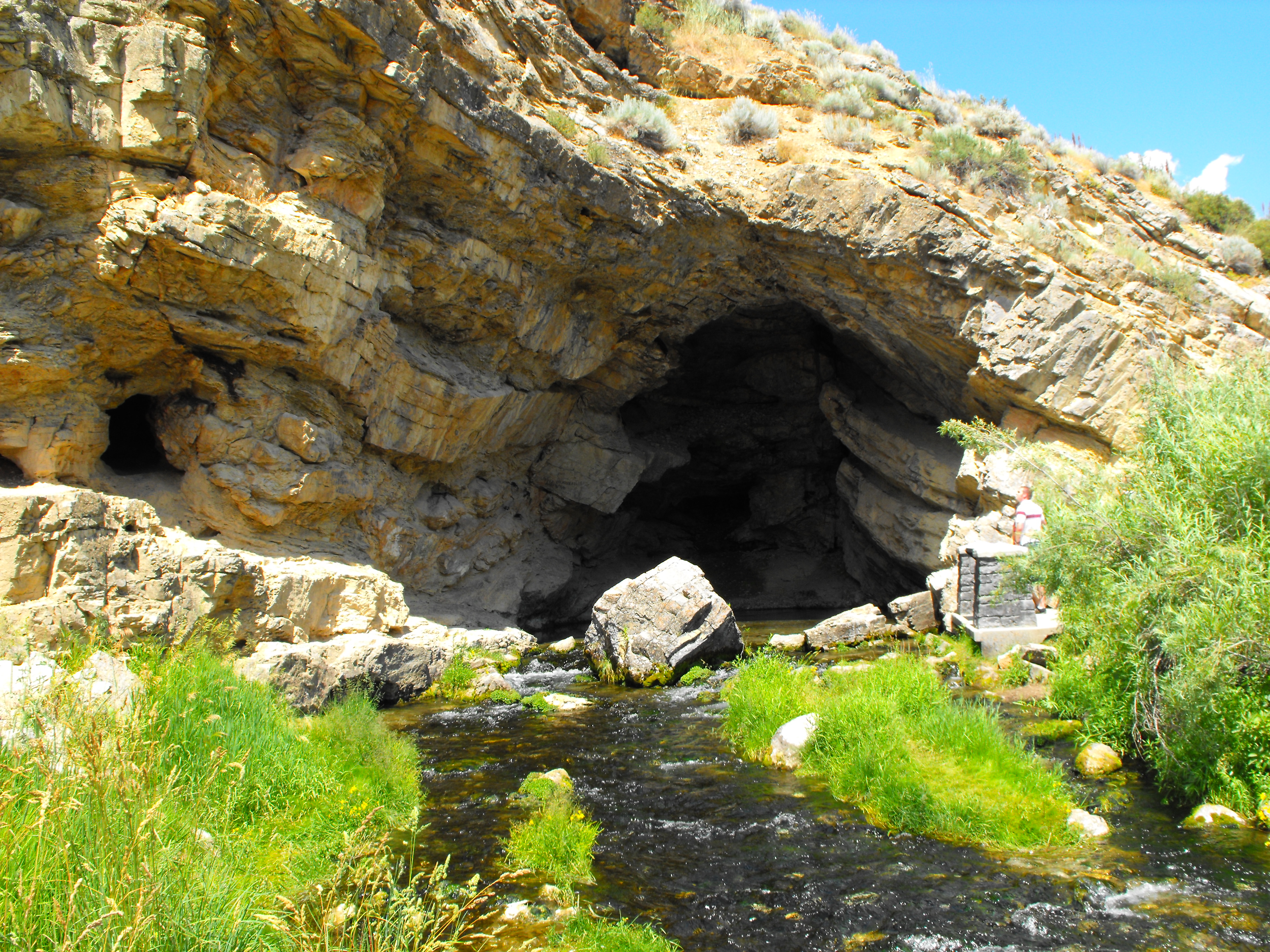
Ricks Spring – A Hidden Gem in North Logan, Utah
Discover the crystal‑clear waters, serene surroundings, and the quiet charm of one of Utah’s lesser‑known natural springs.
Introduction
If you’ve ever trekked through the rugged canyons of Utah or strolled along the bustling streets of Salt Lake City, you know the state is a playground for outdoor enthusiasts. Yet, tucked away just a few miles north of Logan lies a secret that many travelers overlook: Ricks Spring. This modest yet mesmerizing spring offers a refreshing pause from the high‑altitude desert heat and a chance to connect with the pure, unspoiled water that has nourished the region for centuries. Whether you’re a local looking for a weekend escape or a road‑tripper mapping the best hidden spots in the Intermountain West, Ricks Spring deserves a spot on your itinerary.
About Ricks Spring
What Is Ricks Spring?
Ricks Spring is a natural spring located in North Logan, Utah, at the coordinates 41.840137, -111.588731. While the exact height and altitude of the spring are not publicly documented, its location within the Cache Valley places it at a comfortable mid‑mountain elevation, offering crisp mountain air and lush vegetation. The spring’s waters emerge from underground aquifers, bubbling up to the surface in a small, tranquil pool that reflects the surrounding pines and sky.
A Brief History
Although detailed historical records are scarce, the spring’s name likely honors an early settler or local family—common practice in Utah’s pioneer era. Springs such as Ricks played a crucial role in the development of early agricultural communities, providing reliable water for livestock, irrigation, and daily life. Today, the spring remains a quiet reminder of that heritage, offering visitors a glimpse into the natural resources that helped shape the region.
Why It Matters
- Ecological Value – Springs are vital habitats for native amphibians, insects, and plant species. Ricks Spring contributes to the biodiversity of the North Logan area.
- Cultural Significance – As a historic water source, it reflects the intimate relationship between Utah’s early settlers and the land.
- Recreational Appeal – Its secluded setting makes it perfect for low‑impact recreation such as picnicking, bird‑watching, and short nature walks.
How to Get There
By Car
- Start in Logan, UT – From downtown Logan, head north on US‑89 (also known as Main Street).
- Turn onto 1400 East – After about 3 miles, take a right onto 1400 East (also marked as County Road 210).
- Follow the signs to North Logan – Continue for roughly 1.5 miles. Look for a small, well‑marked turnoff that leads to a local road ending near the spring.
- Parking – A modest pull‑out area near the spring provides space for a couple of cars. Since the site is not a commercial campground, parking is on a first‑come, first‑served basis.
By Bike or Hike
For the more adventurous, the spring is reachable via a network of local trails that wind through the Cache Valley’s rolling hills. A popular route starts at the North Logan Trailhead on 1400 East, following a gentle, unpaved path that leads directly to the spring in under an hour for most cyclists.
Public Transportation
Cache Valley Transit (CVT) does not currently service the exact location of Ricks Spring. However, you can take a bus to the North Logan stop and then arrange a short rideshare or taxi to the spring’s trailhead.
Best Time to Visit
Spring (March – May)
- Why: Snowmelt feeds the spring, often increasing water flow and creating a vibrant, emerald‑tinted pool. Wildflowers begin to bloom, adding color to the surrounding meadow.
- What to Expect: Mild temperatures (50–70 °F) and longer daylight hours make for comfortable hiking and photography.
Summer (June – August)
- Why: Warm days are perfect for a cool dip in the spring’s refreshing water.
- What to Expect: Temperatures can climb into the high 80s °F, but the spring’s microclimate stays pleasantly cool. Bring plenty of water and sun protection.
Fall (September – November)
- Why: The foliage transforms into a palette of gold, orange, and crimson, offering spectacular photo opportunities.
- What to Expect: Cooler evenings and fewer crowds. Ideal for peaceful contemplation and wildlife spotting.
Winter (December – February)
- Why: While the spring may partially freeze, the surrounding landscape becomes a winter wonderland.
- What to Expect: Snow-covered trails require sturdy footwear and possibly crampons. The spring’s water may be less accessible, but the scenery is unforgettable.
Overall Recommendation: Late spring to early fall provides the most reliable access and the most enjoyable conditions for most visitors.
What to Expect
The Setting
Ricks Spring is nestled among a modest stand of pines and sagebrush, with a small, clear pool at its heart. The water is typically cool (around 50 °F), making it a refreshing oasis after a hike. The surrounding area is relatively flat, allowing for easy walking and picnicking without the need for technical climbing gear.
Senses & Sights
- Visuals – The spring’s surface mirrors the sky, creating a serene, glass‑like effect. In spring, the surrounding meadow may be dotted with lupines and Indian paintbrush.
- Sounds – A gentle bubbling sound accompanies the water’s emergence, punctuated by bird calls from nearby trees.
- Touch – The water is crystal clear and inviting for a quick splash or a brief soak.
- Smell – Fresh, earthy aromas dominate, especially after a light rain.
Wildlife
While the spring is not a major wildlife hotspot, you may spot:
- Amphibians – Small frogs or salamanders that favor moist habitats.
- Birds – Warblers, sparrows, and occasionally raptors soaring overhead.
- Insects – Butterflies and dragonflies that hover near the water’s edge.
Amenities
Ricks Spring is a natural site without built‑in facilities. There are no restrooms, trash cans, or vending machines. Visitors are encouraged to practice Leave No Trace principles: pack out all trash, stay on established paths, and avoid disturbing the water source.
Nearby Attractions
Exploring the area around Ricks Spring opens up several additional natural wonders, all within a short drive or hike. Below is a quick guide to the most accessible spots:
| Attraction | Distance from Ricks Spring | Description |
|---|---|---|
| Hidden Spring | 1.2 km | A secluded spring that lives up to its name—perfect for a quiet moment of reflection. |
| Spawn Creek Guzzler | 1.2 km | A small, bubbling water source that feeds into the local creek system, offering great photo ops. |
| Unnamed Spring (2) | 1.4 km | Another natural spring in the vicinity; ideal for a short exploratory walk. |
| Unnamed Dam (3) | 1.9 km | A modest dam that creates a calm pond—good for birdwatching and picnics. |
| Unnamed Spring (4) | 2.6 km | A further‑out spring surrounded by meadowland, great for a longer hike. |
Tip: Because many of these attractions lack official signage, bring a GPS device or use a reliable mapping app (enter the coordinates 41.840137, -111.588731 for Ricks Spring as a starting point).
Travel Tips
- Pack Essentials – Bring water, snacks, a light jacket (mountain weather can change quickly), and a small first‑aid kit.
- Footwear – Sturdy hiking shoes or trail runners are recommended; the terrain can be slippery near the water’s edge.
- Leave No Trace – Carry out all trash, avoid feeding wildlife, and stay on established paths to protect the spring’s delicate ecosystem.
- Timing – Arrive early on weekends during peak seasons (spring and summer) to avoid crowds and secure parking.
- Photography – Early morning light (golden hour) offers the best natural illumination for capturing the spring’s reflections.
- Safety – The water is cold year‑round; limit immersion time to avoid hypothermia, especially in cooler months.
- Connectivity – Cell service can be spotty; download offline maps beforehand if you plan to navigate on foot.
- Local Resources – The North Logan Chamber of Commerce can provide up‑to‑date information on road conditions and any seasonal closures.
Final Thought
Ricks Spring may not have the towering cliffs of Arches or the iconic arches of Canyonlands, but its quiet allure lies in its simplicity—a pure water source framed by Utah’s gentle hills, waiting for those who seek a moment of calm away from the crowds. By adding this hidden spring to your Utah travel plan, you’ll experience a slice of natural history, enjoy a refreshing dip, and discover the subtle beauty that makes the Beehive State so diverse.
Pack your sense of adventure, follow the coordinates, and let Ricks Spring refresh both body and spirit on your next Utah getaway.
Keywords: Ricks Spring, Utah spring, North Logan Utah, hidden springs Utah, travel Utah, Cache Valley attractions, spring hiking Utah, things to do in Logan UT, natural spring Utah, outdoor adventure Utah.