Multnomah Falls: Oregon’s Iconic Two‑Tiered Waterfall
If you’ve ever dreamed of standing beneath a thundering cascade that drops 540 feet into a mist‑filled gorge, Multnomah Falls in the Columbia River Gorge is the place to make that dream a reality.
1. Introduction
There’s a reason Multnomah Falls is featured on every Oregon travel guide, postcard, and Instagram feed. As the tallest major waterfall in the state—plunging a spectacular 165 m (540 ft) in two dramatic tiers—its sheer presence dominates the lush canyon walls of the Columbia River Gorge. Whether you’re a seasoned hiker, a family on a day‑trip, or a photographer hunting that perfect mist‑kissed shot, Multnomah Falls offers a timeless, awe‑inspiring experience that captures the spirit of the Pacific Northwest.
2. About Multnomah Falls
A Natural Landmark
Multnomah Falls sits at the coordinates 45.575952, ‑122.115187, just a few miles east of the town of Sandy, Oregon. The waterfall is part of the historic Columbia River Highway—the first scenic highway in the United States—making it one of the most accessible natural wonders in the Pacific Northwest.
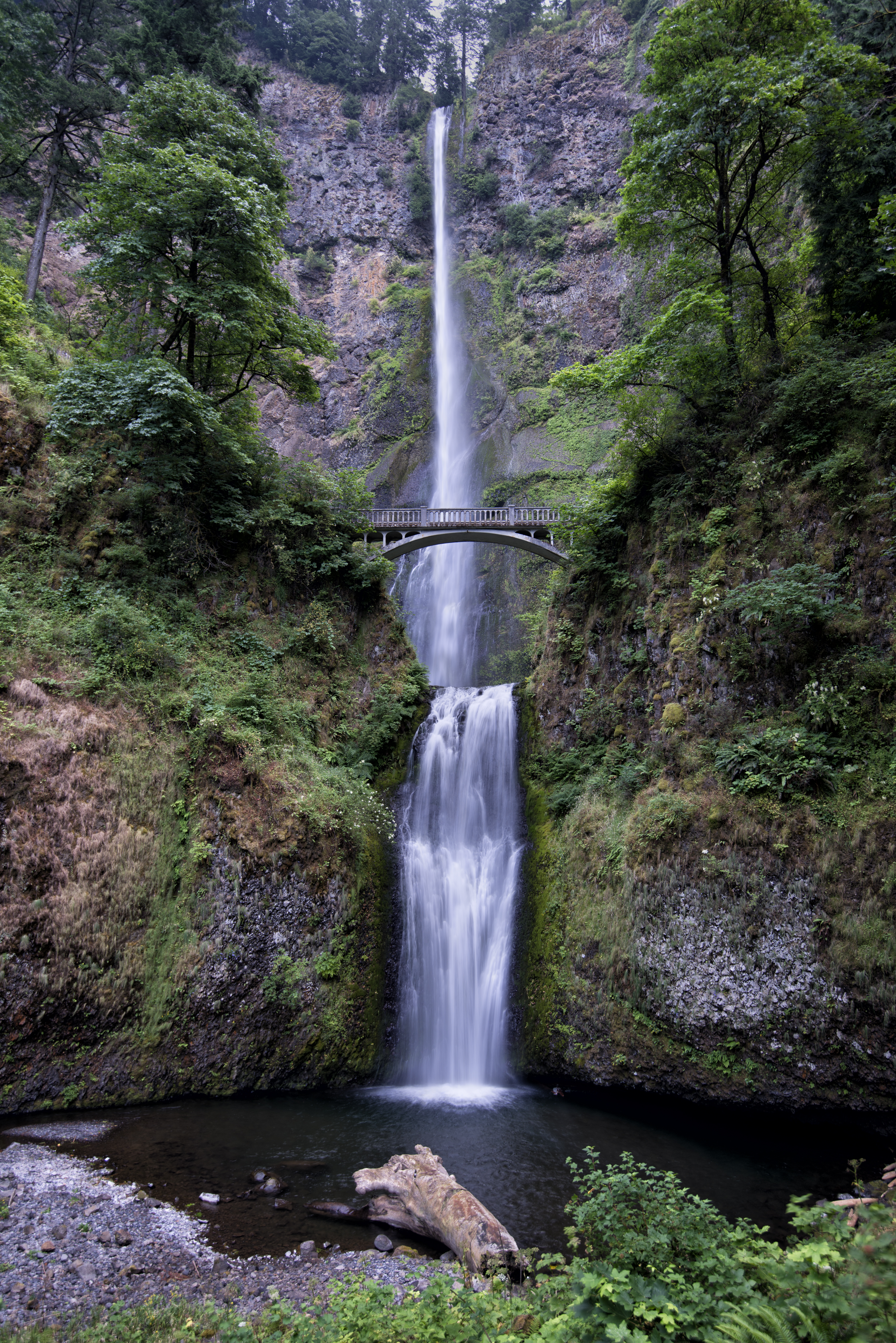
The falls consist of two distinct drops: the Upper Falls (the 225‑foot main plunge) and the Lower Falls (the 150‑foot cascade that continues the descent). A historic stone bridge, built in 1925, spans the gorge between the two tiers, offering visitors a unique viewpoint from directly above the roaring water.
A Brief History
The name “Multnomah” comes from the Chinook word máɬtnam meaning “lower river,” a nod to the indigenous peoples who have long revered the gorge. In the early 20th century, the area became a popular destination for tourists traveling the newly completed Columbia River Highway. The Multnomah Falls Lodge, a rustic log‑style hotel built in 1925, still welcomes guests today, preserving the site’s historic charm while providing modern amenities.
Why It Matters
Multnomah Falls isn’t just a pretty picture; it’s a cultural and ecological icon. The falls sit within the Columbia River Gorge National Scenic Area, a protected landscape that supports diverse plant and animal species—from towering Douglas firs to rare ferns that thrive in the moist microclimate created by the waterfall’s spray. The site also serves as a spiritual gathering place for Native American tribes, who consider the gorge a sacred corridor.
3. How to Get There
By Car
- From Portland: Take I‑84 East (the historic Columbia River Highway) for about 30 minutes. Exit at Multnomah Falls (Exit 31). Parking is available in the Multnomah Falls Lodge lot (fee applies during peak season).
- From Hood River: Head west on I‑84 for roughly 20 minutes, then follow the same exit signs.
Public Transportation
- TriMet Bus 84 runs from Portland’s downtown to the Multnomah Falls stop during summer weekends.
- Amtrak’s Coast Starlight stops in nearby Gresham; a short rideshare or taxi ride can get you to the falls.
On Foot & Bike
The Columbia River Gorge Trail System offers scenic bike routes that pass right by the falls. If you’re feeling adventurous, park at the trailhead and hike the Multnomah Creek Trail (0.2 mi) for a closer view of the lower cascade.
Pro tip: Arrive early (before 9 a.m.) during summer weekends to beat the crowds and secure a parking spot.
4. Best Time to Visit
| Season | What to Expect | Why It’s Ideal |
|---|---|---|
| Spring (Mar‑May) | Snowmelt swells the creek, creating a thunderous flow and vibrant wildflowers. | Highest water volume; perfect for dramatic photos. |
| Summer (Jun‑Aug) | Warm, sunny days with clear views of the gorge. | Ideal for hiking, picnicking, and family outings. |
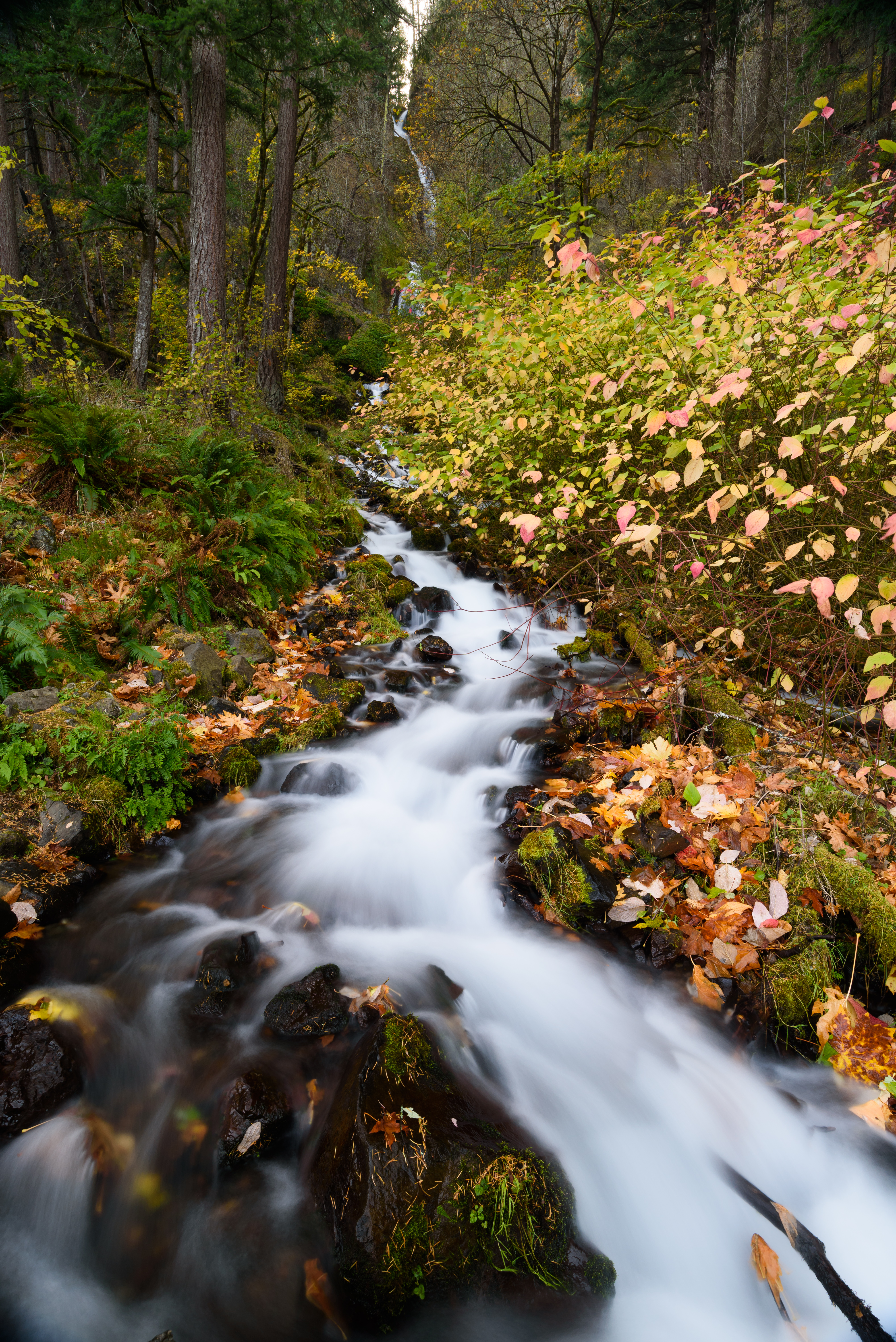
| Fall (Sep‑Oct) | Golden foliage frames the falls; cooler temperatures. | Scenic colors and fewer tourists than summer. |
| Winter (Nov‑Feb) | Ice formations on the gorge walls; misty ambiance. | A mystical, quieter experience—just watch for icy trail conditions. |
Insider tip: The Upper Falls view platform is open year‑round, but the Lower Falls trail may close after heavy snowfall or during icy conditions. Check the U.S. Forest Service website before heading out in winter.
5. What to Expect
The Visual Spectacle
As you approach the parking lot, the roar of water grows louder, and the mist begins to cling to your skin. The stone bridge spanning the gorge offers a front‑row seat to the Upper Falls—feel the power of the water as it crashes into the pool below. A short, paved path leads you to a viewing platform that looks directly down the 225‑foot plunge.
The Hike
If you’re up for a little adventure, the Multnomah Falls Trail (0.6 mi round‑trip, moderate) takes you from the bridge down to the Lower Falls. The trail is well‑maintained, with wooden stairs and railings, but be prepared for occasional slippery sections—especially after rain.
Amenities
- Multnomah Falls Lodge (restaurant, gift shop, restrooms)
- Picnic tables near the parking area
- Accessible pathways for wheelchair users (Upper Falls viewing platform)
Photo Opportunities
- Misty Sunrise: Capture the falls bathed in golden light with a low‑angle shot from the bridge.
- Rainbow Reflections: Late afternoon sun often creates rainbows in the spray—perfect for Instagram.
- Nighttime Glow: During summer, the falls are illuminated after dark; bring a tripod for long‑exposure shots.
6. Nearby Attractions
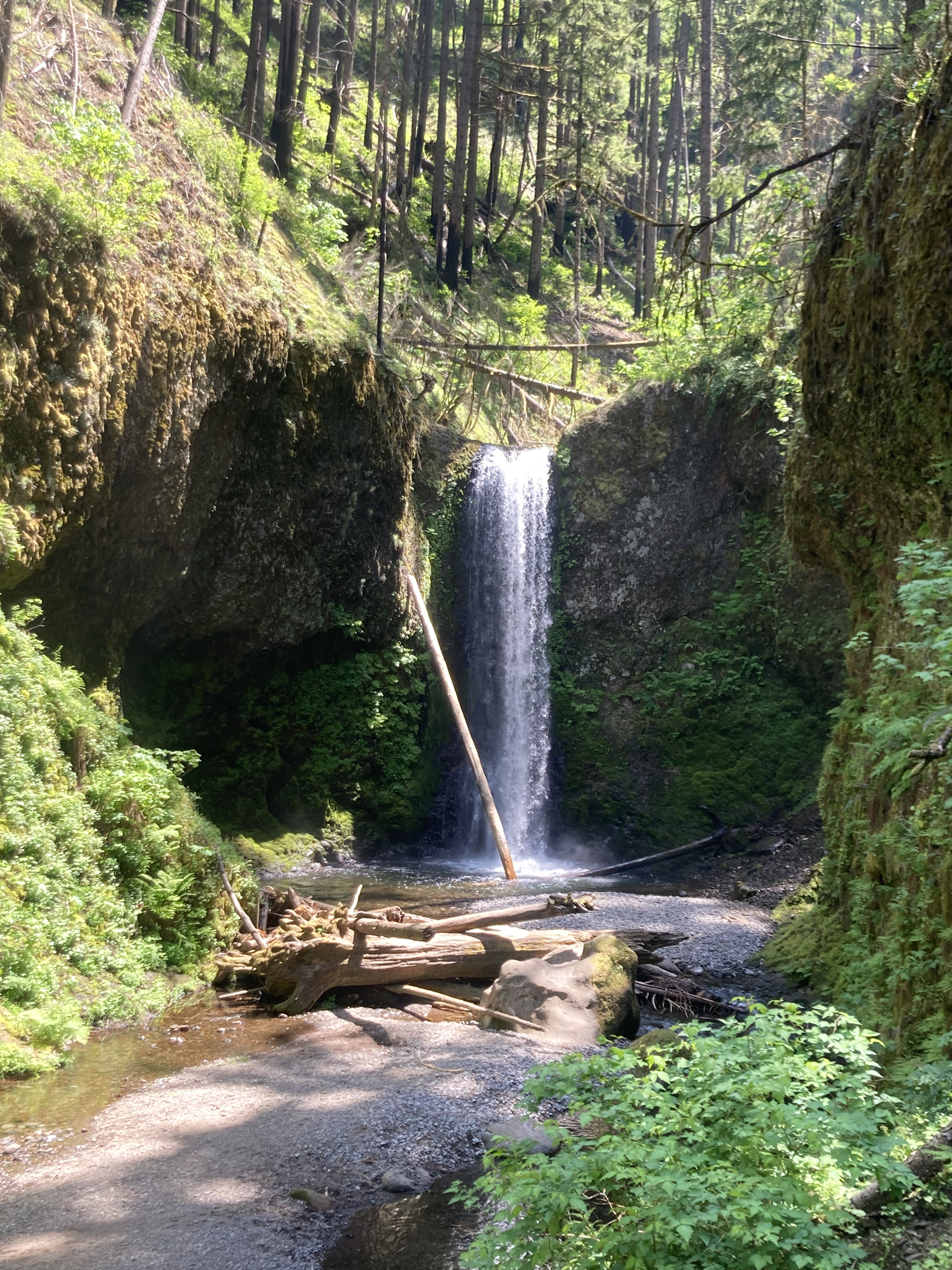
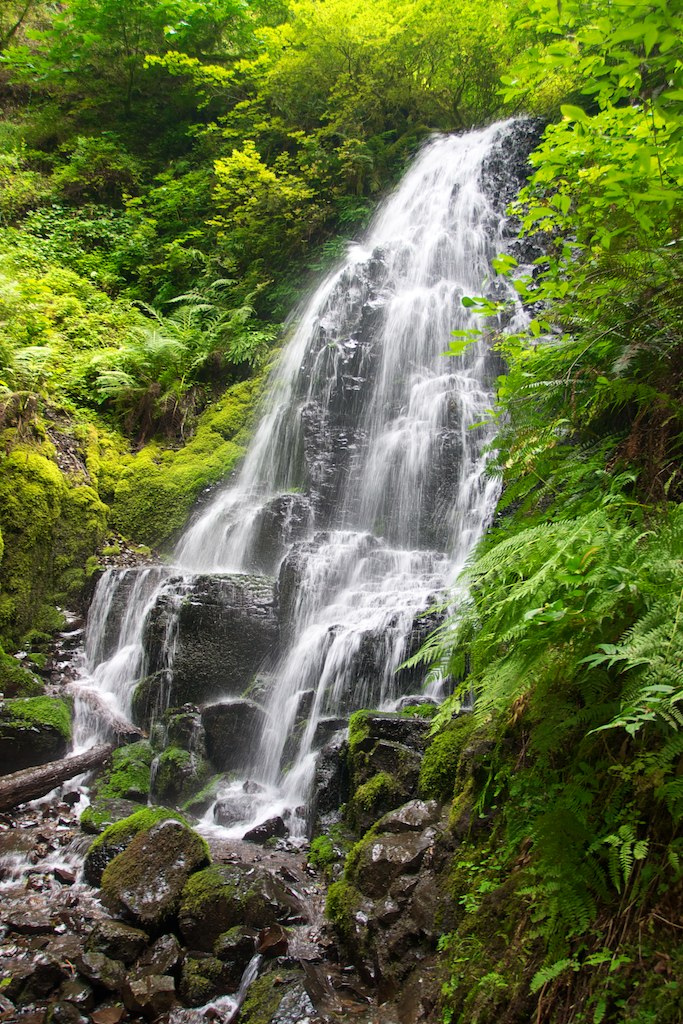
After you’ve soaked in the majesty of Multnomah Falls, explore the surrounding cascade‑rich corridor. Each of these waterfalls is just a short walk or drive away, making for an unforgettable waterfall‑hopping day.
| Attraction | Distance | What to See | Link |
|---|---|---|---|
| Lower Multnomah Falls | 0.1 km | A 150‑ft cascade below the main falls, accessible via a short trail from the bridge. | Lower Multnomah Falls |
| Shady Creek Falls | 0.2 km | A hidden, forest‑lined waterfall perfect for a quiet pause. | Shady Creek Falls |
| Dutchman Falls | 0.5 km | A rugged, 70‑ft plunge surrounded by mossy rocks. | Dutchman Falls |
| Wiesendanger Falls | 0.6 km | A 80‑ft tiered waterfall with a popular viewing platform. | Wiesendanger Falls |
| Ecola Falls | 0.7 km | A secluded cascade tucked behind a short forest trail. | Ecola Falls |
Bonus: The Columbia River Gorge itself offers world‑class windsurfing, scenic drives, and historic landmarks such as the Vista House at Crown Point—just a 15‑minute drive north of the falls.
7. Travel Tips
| Tip | Details |
|---|---|
| Parking Fees | $5–$7 per vehicle (seasonal). Consider a Multnomah Falls Pass if you plan multiple visits. |
| Timing | Arrive early in summer; late afternoon is best for sunset shots. |
| Footwear | Sturdy, waterproof hiking shoes are recommended—trail can be slick. |
| Stay Hydrated | Bring water; there’s a refill station near the lodge. |
| Leave No Trace | Pack out all trash; stay on marked paths to protect fragile vegetation. |
| Pet Policy | Dogs are allowed on the paved trail to the Upper Falls but must be leashed. |
| Accessibility | Upper Falls viewing platform is wheelchair‑accessible; the Lower Falls trail is not. |
| Weather Check | Fog and rain are common; bring a rain jacket and check the forecast via the U.S. Forest Service. |
| Photography Gear | A wide‑angle lens captures the full height; a polarizing filter reduces glare from the mist. |
| Dining | The lodge serves Pacific Northwest cuisine—try the salmon chowder for a local flavor. |
Final Word
Multnomah Falls is more than a destination; it’s a must‑see experience that embodies the wild beauty of Oregon’s Columbia River Gorge. From the thunderous roar of its 165‑meter drop to the serene forest trails that wind around it, every moment spent here feels like stepping into a living postcard. Pack your camera, lace up your boots, and let the mist of Multnomah Falls refresh your spirit—because this iconic waterfall is waiting, rain or shine, to become the highlight of your Oregon adventure.
Keywords: Multnomah Falls, Oregon waterfall, Columbia River Gorge, visit Multnomah Falls, things to do near Multnomah Falls, travel to Multnomah Falls, best time to visit Multnomah Falls, waterfall hiking Oregon.