Dillon Falls, Oregon – A Hidden Gem on the Deschutes River
Discover the rush of water, the serenity of forest, and the adventure of Oregon’s lesser‑known waterfalls.
Introduction
If you’re chasing the roar of cascading water through the high desert of Central Oregon, you’ve probably heard of Multnomah Falls or the iconic Sahalie and Koosah Falls. Yet just a short drive east of Bend, tucked into the rugged Deschutes River Woods, lies a quieter, more intimate waterfall that locals call Dillon Falls. This modest yet mesmerizing drop offers a perfect blend of natural beauty and solitude—ideal for photographers, hikers, and anyone looking to escape the crowds. In this guide, we’ll dive into everything you need to know to make Dillon Falls the highlight of your Oregon adventure.
About Dillon Falls
What is Dillon Falls?
- Type: Waterfall (river cascade)
- Location: Deschutes River Woods, Deschutes County, Oregon, United States
- Coordinates: 43.957409 N, ‑121.412920 W
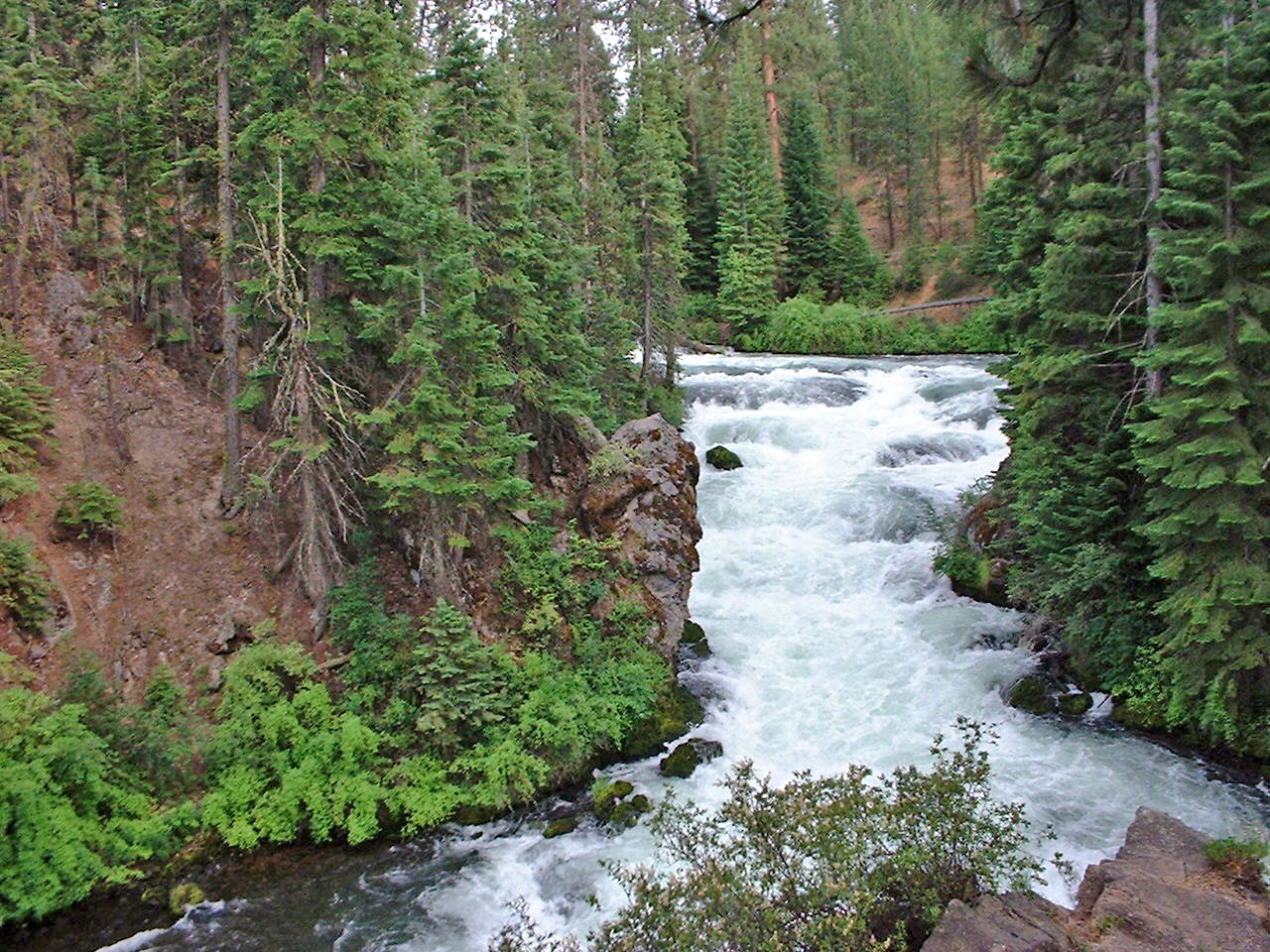
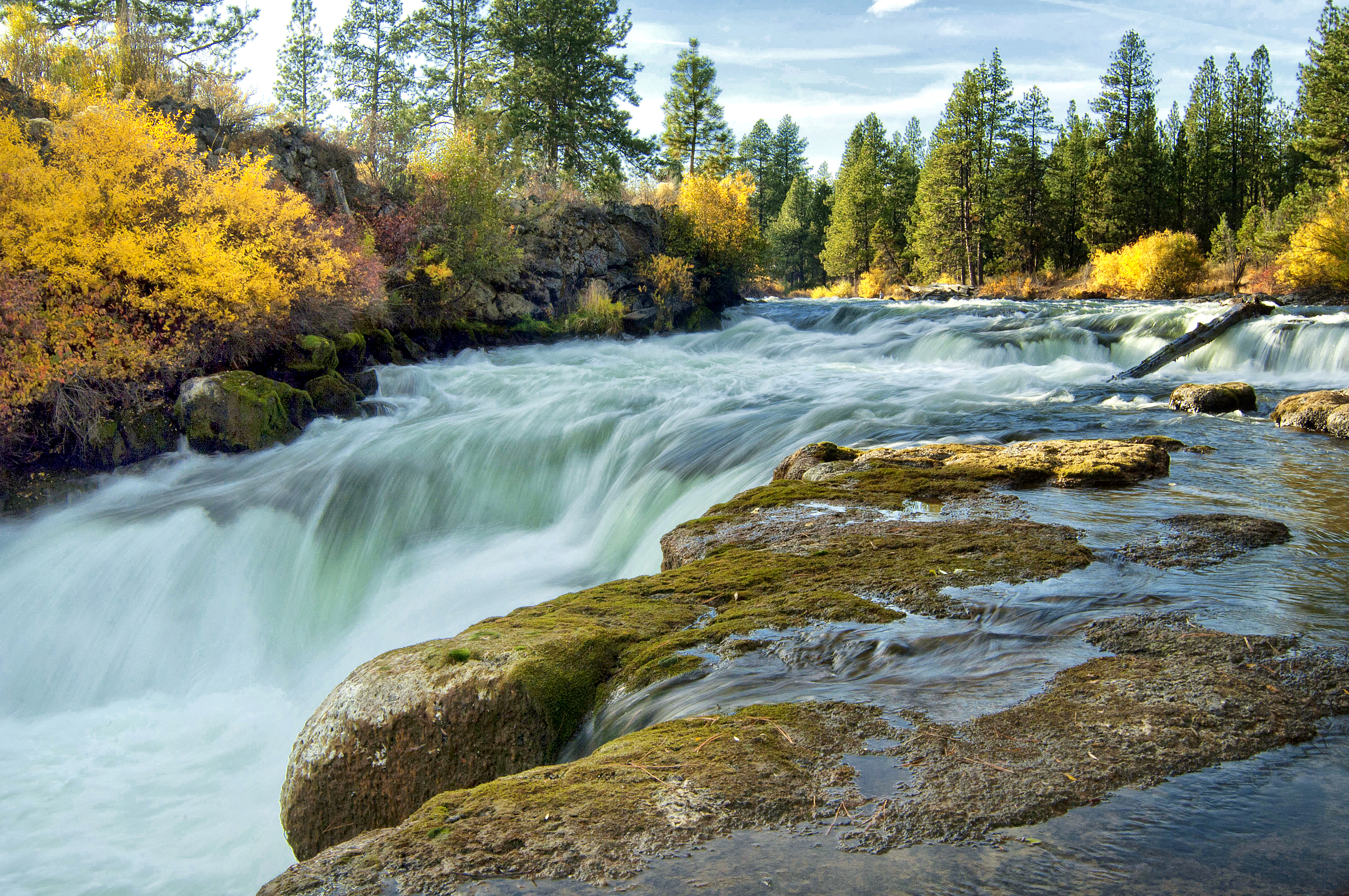
Dillon Falls is part of the Deschutes River’s series of rapid drops that carve through volcanic basalt and pine‑laden slopes. While the exact height and altitude remain undocumented, the waterfall’s power is evident as the river narrows and plunges over a rocky ledge, creating a frothy spray that catches the sun in a rainbow of mist.
A Brief History
The falls take their name from early settlers who explored the Deschutes River corridor in the 19th century. Though there is no extensive recorded history, the waterfall has long served as a natural waypoint for anglers, loggers, and later, outdoor enthusiasts traveling the river’s “high desert” stretch. Today, Dillon Falls is listed on the Oregon Geographic Names database and enjoys a modest reputation among local hikers and river rafters.
Why It Matters
- Ecological Value: The cascade aerates the river, supporting native fish species such as trout and salmon.
- Recreational Appeal: Its proximity to other waterfalls makes it a convenient stop on multi‑waterfall day trips.
- Scenic Photography: The misty veil, set against towering pines, provides a classic Oregon waterfall backdrop, especially during sunrise or golden hour.
How to Get There
From the Nearest City
- Starting Point: Bend, Oregon (population ~100 k) – the primary gateway to Central Oregon’s outdoor playground.
- Driving Directions:
1. Head east on US‑97 toward Deschutes River (approximately 12 mi).
2. Take the Deschutes River Road (County Road 119) exit and follow signs for Deschutes River Woods.
3. Look for a small pull‑out or parking area near the river; the waterfall is visible from the road at the coordinates 43.957409, -121.412920.
Tip: Use a GPS device or smartphone map app and input the exact coordinates for the most accurate drop‑off point.
By Foot or Bike
If you enjoy a short hike or a scenic bike ride, the trailhead near the Deschutes River Woods parking lot leads to a modest, well‑maintained path that follows the riverbank to the viewing spot. The walk is generally flat and suitable for all skill levels (approximately 0.2 mi each way).
Accessibility
There is no formal wheelchair‑accessible infrastructure at Dillon Falls, but the short trail is relatively easy to navigate for those with moderate mobility. Always wear sturdy shoes, as river rocks can be slippery when wet.
Best Time to Visit
| Season | Water Flow | Visitor Experience | Photography Tips |
|---|---|---|---|
| Spring (Mar‑May) | Snowmelt from the Cascade Range boosts river volume, creating a more vigorous cascade. | Lush green foliage; occasional crowds from nearby Benham Falls. | Early morning light highlights the mist. |
| Summer (Jun‑Aug) | Flow steadies; water temperature rises. | Warm weather, perfect for picnics and river wading. | Golden hour (sunset) adds warm tones to the spray. |
| Fall (Sep‑Nov) | Lower flow reveals more rock detail; autumn colors frame the falls. | Quietest period; ideal for solitude. | Capture the contrast of amber leaves against the water. |
| Winter (Dec‑Feb) | Flow can be reduced; occasional ice formations. | Fewer visitors, but cold and potentially icy conditions. | Look for frost on surrounding trees for a dramatic scene. |
Overall, late spring through early fall offers the most reliable water flow and comfortable weather for a visit.
What to Expect
When you arrive at Dillon Falls, you’ll be greeted by the sound of rushing water echoing through the forest canopy. The waterfall itself is a river cascade—the Deschutes River squeezes through a narrow channel before dropping over a basalt ledge. The spray creates a fine mist that settles on nearby rocks, making the area feel cool even on a hot summer day.
- Viewing Options: A modest overlook on the riverbank provides a clear line of sight. For a closer feel, you can step onto a flat rock just downstream, but always watch your footing.
- Wildlife: Expect to see river otters, kingfishers, and occasional deer drinking at the river’s edge. The surrounding woods are home to ponderosa pines and western juniper.
- Recreational Activities: While the main draw is the waterfall, the Deschutes River is popular for fly fishing, kayaking, and rafting. The stretch near Dillon Falls offers gentle rapids suitable for beginners.
Nearby Attractions
Dillon Falls sits in a cluster of natural highlights, making it an excellent base for a day of exploration. Below are the top spots within a short drive (or hike) and links to learn more:
- Benham Falls – ~2 km downstream. A larger, more dramatic waterfall with a well‑marked trail and picnic area. Benham Falls Wikipedia
- Upper Falls (Deschutes River) – ~2.4 km upstream. A series of smaller cascades ideal for quick photo stops.
- Spring (Unnamed) – ~2.3 km away. A natural spring that feeds a clear pool, perfect for a refreshing dip.
- Deschutes River Woods – The surrounding forest offers numerous trailheads, bird‑watching spots, and quiet picnic sites.
Pro tip: Combine Dillon Falls with Benham Falls on a single loop. The two waterfalls can be visited in under two hours, leaving plenty of time for a riverside lunch.
Travel Tips
- Pack Essentials: Water, snacks, sunscreen, and a waterproof camera bag. The mist can quickly dampen electronics.
- Leave No Trace: Carry out all trash and stay on established paths to protect the fragile riverbank ecosystem.
- Check River Conditions: The Deschutes River can rise quickly after rain. If the water looks turbulent, give the falls a pass for safety.
- Timing: Arrive early (before 9 am) during peak season to avoid the small but steady stream of visitors heading to Benham Falls.
- Parking: Limited roadside parking is available; arrive early to secure a spot. If the lot fills, consider a short walk upstream to a secondary pull‑out.
- Seasonal Gear: In winter, wear insulated boots and bring traction devices (e.g., microspikes) for icy rocks.
Final Thoughts
Dillon Falls may not have the towering height of Oregon’s famous waterfalls, but its charm lies in the intimate connection it offers between water, forest, and sky. Whether you’re a seasoned photographer chasing the perfect misty shot, a family looking for a gentle waterfall adventure, or a river enthusiast seeking a quiet stretch of the Deschutes, Dillon Falls delivers a memorable experience without the crowds.
Plan your trip, follow the coordinates, and let the rhythm of the falls guide you into the heart of Central Oregon’s wild beauty. Happy travels!