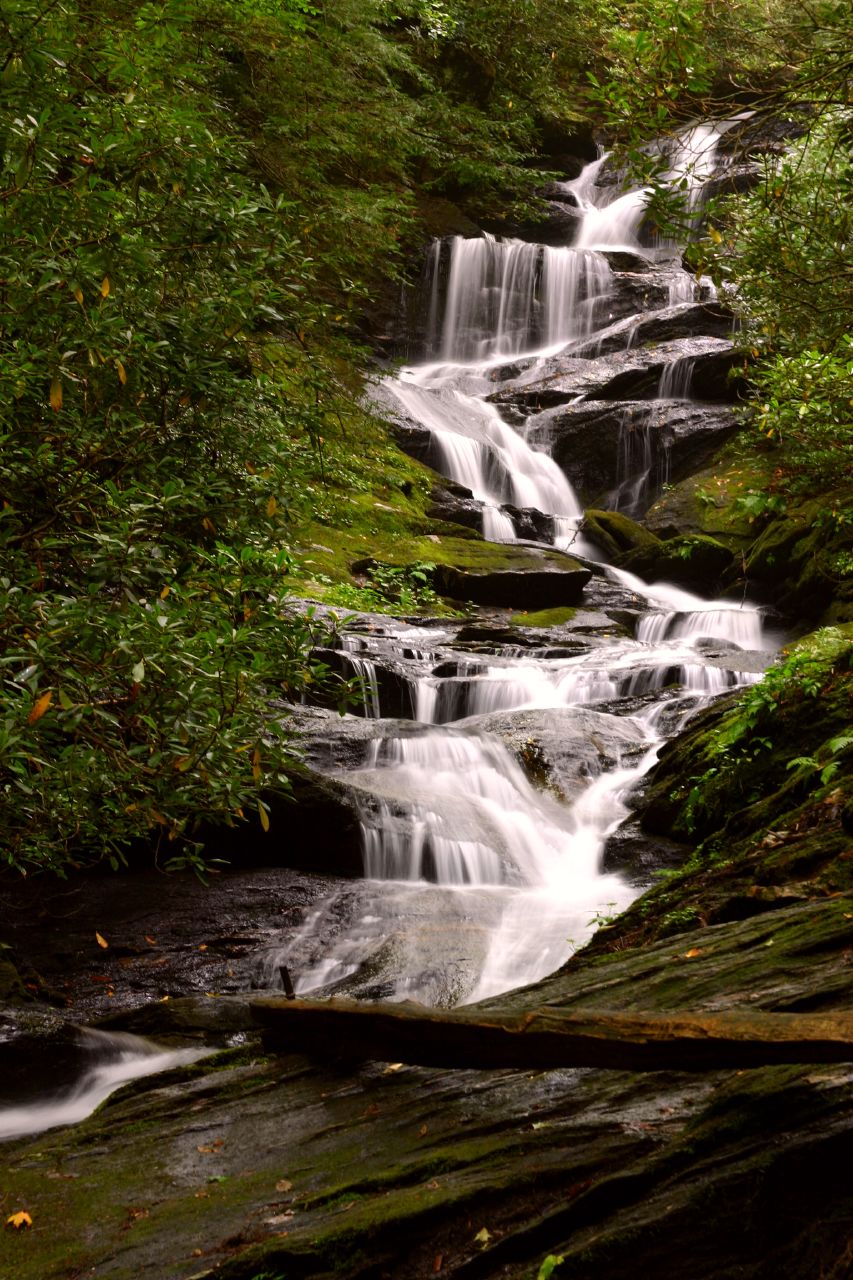
Roaring Fork Falls – A Hidden Waterfall Gem in Burnsville, North Carolina
Discover the soothing roar, lush forest, and tranquil vibe of one of Yancey County’s best‑kept secrets.
Introduction
If you’re chasing the perfect waterfall photo or simply craving a peaceful escape into the Appalachian wilderness, Roaring Fork Falls should be at the top of your North Carolina bucket list. Nestled just a few miles outside Burnsville, this modest yet mesmerizing cascade offers a genuine “off‑the‑beaten‑path” experience that many of the more crowded tourist spots simply can’t match. With crystal‑clear water tumbling over smooth rock, the sound of the rush echoing through the forest, and miles of scenic trails surrounding the site, Roaring Fork Falls delivers everything a nature‑lover could ask for—without the long lines.
About Roaring Fork Falls
What Makes It Special
- Location: Burnsville, Yancey County, North Carolina, United States
- Coordinates: 35.760239, -82.191723
- Type: Waterfall (stream‑fed)
Although the exact height of Roaring Fork Falls isn’t officially documented, the waterfall’s charm lies in its natural setting rather than sheer drop. The cascade flows year‑round, fed by the pristine waters of Roaring Fork, a tributary that winds through the Blue Ridge Mountains. The surrounding mixed hardwood forest provides a canopy of shade in summer and a kaleidoscope of color in autumn, making each season feel uniquely rewarding.
A Brief History
Roaring Fork Falls sits on public land managed by the North Carolina Division of Parks and Recreation. Historically, the Roaring Fork watershed supported small-scale logging and farming communities in the early 1900s, but the area has since been reclaimed by nature. Today, the falls serve as a quiet reminder of the region’s rugged past and its ongoing commitment to conservation.
Why It Matters
Waterfalls like Roaring Fork play a vital ecological role: they oxygenate the water, create micro‑habitats for amphibians and insects, and act as natural gathering spots for wildlife. For hikers and photographers, the falls provide a perfect backdrop for storytelling—whether you’re capturing a mist‑filled sunrise or a family picnic under towering oaks.
How to Get There
By Car
- Start in Burnsville, NC – From downtown Burnsville, head north on NC‑80 (also known as the Blue Ridge Parkway connector).
- Turn onto Roaring Fork Road – After about 2 miles, look for the well‑signed turnoff to Roaring Fork Road (a narrow, paved county road).
- Park at the Trailhead – A small pull‑out with a marked parking area sits at the trailhead. Space is limited, so arrive early on weekends.
Approximate driving distance from Burnsville: 3–4 miles (about 10 minutes).
Trail Details
- Trail Length: ~0.5 miles (round‑trip)
- Difficulty: Easy to moderate – a gentle, well‑maintained footpath with a few rocky sections near the falls.
- Navigation: Trail markers are posted at the entrance; a simple wooden sign points toward the waterfall.
If you prefer public transportation, the nearest Greyhound stop is in Hickory, NC, followed by a rental car or rideshare to Burnsville.
Essential Gear
- Sturdy hiking shoes or trail runners (the final approach can be slippery).
- A lightweight rain jacket—mist from the falls can make the trail damp even on sunny days.
- A reusable water bottle; there’s no potable water at the site.
Best Time to Visit
| Season | Conditions | Why Visit |
|---|---|---|
| Spring (Mar‑May) | Water flow peaks from snowmelt; lush green foliage. | The falls are at their most powerful, and wildflowers dot the trail. |
| Summer (Jun‑Aug) | Warm temperatures; occasional mist from the cascade. | Ideal for a cool dip in the pool at the base (if safe) and early‑morning photography. |
| Fall (Sep‑Nov) | Brilliant foliage; cooler air. | The forest bursts into reds, oranges, and yellows—perfect for landscape shots. |
| Winter (Dec‑Feb) | Lower water volume; possible ice formations. | Quiet, serene atmosphere; occasional frozen waterfall creates a magical scene. |
Pro tip: Arriving early (sunrise to 9 am) helps you avoid the few weekend visitors and captures the best lighting for photos.
What to Expect
When you step onto the trail, you’ll be greeted by the gentle hum of the forest. The path winds through mature oak, hickory, and maple trees, with occasional fern clusters and wild blueberry bushes. About a quarter‑mile in, the sound of rushing water grows louder, signaling you’re nearing the main attraction.
At the clearing, Roaring Fork tumbles over a smooth rock ledge, creating a modest plunge that forms a shallow pool at its base. The water is crystal clear, reflecting the surrounding canopy like a natural mirror. The area is perfect for a short rest, a picnic, or a quick dip (always check for safety signs).
Wildlife sightings are common: you might spot a curious white‑tailed deer, a chorus of songbirds, or even a shy salamander slipping among the rocks. The air carries a fresh, earthy scent—a blend of pine needles and moist stone that instantly refreshes the mind.
Nearby Attractions
While Roaring Fork Falls is the star of the show, the surrounding Yancey County region offers several complementary stops:
- [Unnamed Dam – 1.0 km] – A small dam located just a kilometer away, offering a quiet spot for birdwatching.
- [Unnamed Dam – 1.0 km] – Another nearby dam, perfect for a short stroll along the water’s edge.
- [Unnamed Dam – 2.5 km] – Slightly farther out, this dam provides a scenic viewpoint of the surrounding valleys.
- Setrock Creek Falls (waterfall) – Approximately 3.5 km away, this waterfall boasts a higher drop and a more rugged trail, ideal for seasoned hikers.
- Curtis Creek Falls (waterfall) – About 4.0 km from Roaring Fork, Curtis Creek offers a picturesque cascade set within a dense forest, great for photography enthusiasts.
All of these sites can be reached via short drives on county roads, making a day‑long adventure in Yancey County both feasible and rewarding.
Travel Tips
| Tip | Details |
|---|---|
| Check Trail Conditions | Weather can affect the trail’s footing, especially after rain. Visit the Yancey County Parks website for updates. |
| Leave No Trace | Pack out all trash, stay on marked paths, and avoid disturbing wildlife. |
| Safety First | The pool at the base can be slippery; watch children closely and avoid swimming after heavy rain when currents are stronger. |
| Photography | Use a polarizing filter to reduce glare on the water. Early morning light offers the softest illumination. |
| Bring Snacks | There are no food vendors nearby; a simple trail mix or energy bar will keep you fueled. |
| Parking | The trailhead lot fills quickly on weekends. Arrive before 9 am or consider a weekday visit. |
| Dog Friendly | Leashed pets are allowed, but keep them away from the water’s edge to protect both the dogs and the delicate habitat. |
| Local Accommodations | Burnsville offers cozy cabins, B&Bs, and the historic Yancey County Inn—perfect for a night after a day of exploring waterfalls. |
| Combine with a Scenic Drive | The Blue Ridge Parkway is only a short drive away; consider a loop that includes the parkway’s overlooks for additional photo ops. |
Final Thoughts
Roaring Fork Falls may not have the towering height of some of North Carolina’s famous waterfalls, but its serene ambiance, easy accessibility, and surrounding natural beauty make it a must‑visit destination for anyone traveling through the Blue Ridge Mountains. Whether you’re a seasoned hiker, a family looking for a gentle outdoor adventure, or a photographer hunting that perfect mist‑filled shot, Roaring Fork offers a genuine slice of Appalachian charm.
Pack your camera, lace up your boots, and let the soothing roar of Roaring Fork guide you to a memorable day in Yancey County. Happy trails!