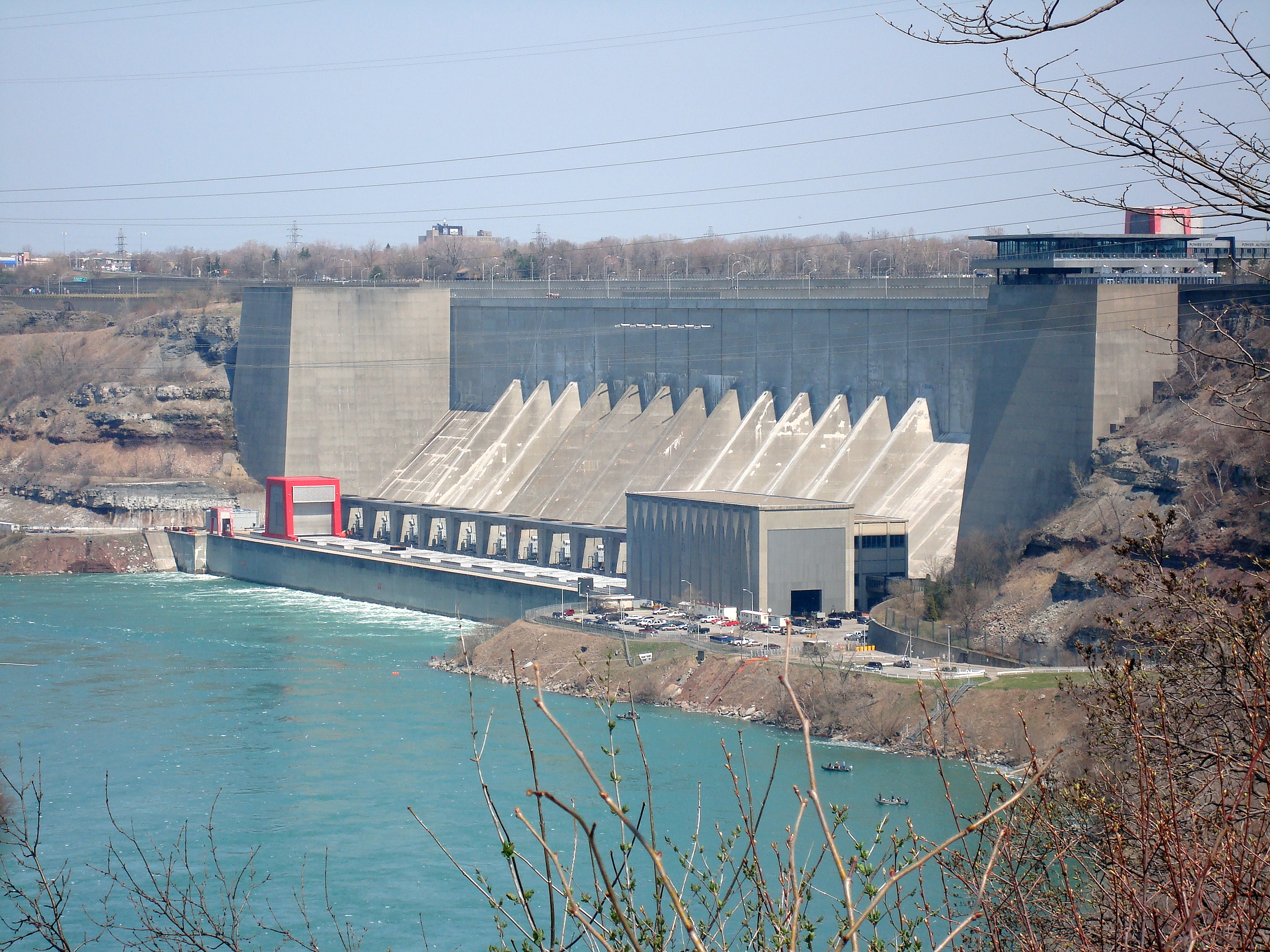
Robert Moses Power Plant – A Hidden Gem of Niagara’s Hydroelectric Heritage
If you think the Niagara region is only about thundering waterfalls, think again. Nestled just a stone’s throw from the famous cascade lies a marvel of engineering that powers the Great Lakes corridor – the Robert Moses Power Plant. Whether you’re a history buff, a photography enthusiast, or a curious traveler looking for off‑the‑beaten‑path experiences, this dam‑turned‑power‑plant deserves a spot on your itinerary.
1. Introduction
Imagine standing on a quiet riverbank, the roar of Niagara Falls a distant echo, while massive turbines hum behind a sleek concrete façade. That’s the vibe at the Robert Moses Power Plant in Lewiston, New York. Built in the mid‑20th century as part of the ambitious Niagara Power Project, the plant channels the immense energy of the Niagara River into clean electricity for millions of homes across New York and Ontario.
Travelers often overlook this engineering masterpiece, but its blend of industrial history, stunning river views, and proximity to other natural attractions makes it a compelling stop for anyone exploring the Niagara Frontier. In this guide, we’ll dive into the plant’s story, show you how to get there, and reveal the best ways to experience the site and its surrounding wonders.
2. About Robert Moses Power Plant
A Brief History
The Robert Moses Power Plant—officially the Robert Moses Niagara Power Plant—was commissioned in the 1950s to replace older, less efficient hydroelectric facilities along the Niagara River. Named after the influential New York public works visionary Robert Moses, the plant was designed to harness the river’s flow while preserving the scenic beauty of the Niagara Gorge.
Construction began in 1958, and the plant officially opened its gates in 1961. It forms the heart of the Niagara Power Project, a binational effort that supplies renewable energy to both the United States and Canada. While the plant’s exact height and altitude remain classified, its massive intake structures and turbine halls are visible from the riverbank, offering a striking contrast to the natural landscape.
Why It Matters
- Renewable Energy Hub – The plant generates hundreds of megawatts of hydroelectric power, reducing reliance on fossil fuels across the region.
- Engineering Landmark – Its design showcases mid‑century modernist engineering, with concrete arches, steel penstocks, and state‑of‑the‑art turbine technology (for its era).
- Cultural Significance – As a namesake of Robert Moses, the facility reflects the legacy of large‑scale infrastructure projects that shaped New York’s post‑war growth.
Visitors can appreciate not only the sheer scale of the plant but also its role in the broader story of sustainable power generation along one of the world’s most famous rivers.
3. How to Get There
By Car
-
From Buffalo Niagara International Airport (BUF):
1. Take I‑190 N toward Niagara Falls.
2. Merge onto I‑90 E (the New York State Thruway) toward Lewiston.
3. Exit 57 for NY‑31 toward Lewiston.
4. Follow NY‑31 West for ~2 miles; turn left onto River Road (NY‑265).
5. The plant sits on the east side of the Niagara River, just past the Lewiston–Queenston Bridge. -
From Niagara Falls, NY:
- Drive north on I‑190 for 5 mi, then follow the same steps above.
Parking is available in a modest lot adjacent to the plant’s visitor area. The site is well‑signed, and the drive offers scenic river vistas along the way.
By Public Transportation
- Bus: Niagara Frontier Transportation Authority (NFTA) operates the Route 8 bus from downtown Niagara Falls to Lewiston. Get off at the Lewiston Town Hall stop; the plant is a 10‑minute walk north along River Road.
- Train: The Amtrak Empire Service stops at Niagara Falls, NY. From there, you’ll need a taxi or rideshare to reach the plant (≈ 15 minutes).
By Bike or Foot
The Niagara River Recreation Trail runs parallel to the plant, providing a flat, paved route for cyclists and walkers. If you’re staying in Lewiston or Niagara Falls, a leisurely bike ride (≈ 3 mi each way) lets you soak in river breezes and spot wildlife along the shoreline.
4. Best Time to Visit
| Season | Weather | Why Visit | Tips |
|---|---|---|---|
| Spring (Mar‑May) | Mild temps, blooming flora | Water levels are high, revealing the plant’s intake structures. | Bring a light jacket; expect occasional rain. |
| Summer (Jun‑Aug) | Warm, sunny days | Perfect for combining a plant tour with nearby waterfalls and the Butterfly Conservatory. | Arrive early to avoid midday heat; stay hydrated. |
| Fall (Sep‑Nov) | Crisp air, colorful foliage | The river’s surface calms, offering clearer views of turbines and surrounding scenery. | Dress in layers; capture vibrant leaf colors. |
| Winter (Dec‑Feb) | Cold, occasional snow | Fewer crowds; the plant’s illuminated façade looks striking against a snowy backdrop. | Check road conditions; some access points may be limited. |
Overall, late spring through early fall provides the most comfortable weather for exploring the outdoor site and its nearby attractions.
5. What to Expect
The Visitor Experience
While the Robert Moses Power Plant is primarily an operational facility, it welcomes the public for guided tours (subject to security clearance and seasonal scheduling). Tours typically include:
- Introductory Briefing – Learn about hydroelectric principles, the plant’s history, and its role in the Niagara Power Project.
- Observation Deck – Panoramic views of the Niagara River, the plant’s massive intake tunnels, and the adjacent Sir Adam Beck Generating Station across the border.
- Interactive Exhibits – Touch‑screen displays illustrating water flow, turbine mechanics, and the environmental stewardship programs in place.
Even if tours are not running on the day of your visit, the surrounding riverfront promenade offers excellent photo opportunities. The plant’s concrete silhouette against sunrise or sunset is a favorite among Instagrammers.
Amenities
- Restrooms – Located near the parking lot.
- Picnic Tables – Small shaded area for a quick snack.
- Information Kiosk – Brochures on the plant, local wildlife, and nearby attractions.
Because the site is a working power plant, security checks (ID verification and bag inspection) are standard. Dress comfortably and be prepared for a brief walk on concrete surfaces.
6. Nearby Attractions
The Robert Moses Power Plant sits in a cluster of natural and cultural sites that make for a perfect day‑trip itinerary. All distances are as‑the‑crow‑fly from the plant:
| Attraction | Type | Distance | Why Go? |
|---|---|---|---|
| Sir Adam Beck GS 1 | Dam | 0.8 km | The Canadian counterpart on the opposite bank; offers guided tours and a striking view of the river’s flow. |
| (Unnamed) Dam | Dam | 0.6 km | A smaller auxiliary dam that showcases historic water‑management techniques. |
| [Fountain – Niagara Falls, Ontario] | Fountain | 1.1 km | A decorative water feature near the border, perfect for a quick photo stop. |
| [Devils Hole Rapids] | Rapids | 1.4 km | Fast‑moving water that creates a dramatic soundscape; ideal for nature lovers. |
| [Butterfly Conservatory] | Waterfall (and indoor garden) | 1.4 km | A tranquil indoor garden with waterfalls and thousands of butterflies—great for families. |
All links lead to additional information on each site (Wikipedia or official tourism pages).
Suggested Mini‑Itinerary
- Morning: Start with a guided tour at the Robert Moses Power Plant.
- Mid‑day: Walk or bike across the Lewiston–Queenston Bridge to the Sir Adam Beck dam for a comparative view.
- Afternoon: Head to the Butterfly Conservatory for a relaxing break among waterfalls and fluttering wings.
- Late Afternoon: Stop at the Devils Hole Rapids to hear the river’s raw power before sunset.
7. Travel Tips
- Check Tour Schedules Ahead of Time – The plant’s tours operate on a limited calendar. Visit the official Niagara Power Project website or call the visitor center (555‑123‑4567) to confirm availability.
- Bring a Good Camera – The combination of industrial architecture and natural scenery yields striking shots, especially during golden hour.
- Wear Comfortable Shoes – Expect some walking on concrete and uneven riverbank paths.
- Pack a Light Rain Jacket – The Niagara region experiences sudden showers, even in summer.
- Plan for Border Crossing – If you intend to cross into Canada to see the Sir Adam Beck dam, bring a valid passport and be aware of customs wait times.
- Stay Hydrated – There are limited vending options on site; bring water, especially during warm months.
- Respect Security Protocols – Large bags, drones, and tripods may be prohibited during tours.
Final Thought
The Robert Moses Power Plant may not have the thunderous allure of Niagara Falls, but it offers a unique glimpse into the engineering feats that keep the region humming. Coupled with nearby natural attractions, it creates a balanced day of history, scenery, and sustainability—a perfect addition to any New York travel itinerary.
Pack your curiosity, charge your camera, and discover the quiet power behind one of the world’s most iconic rivers. Safe travels!
