Bethesda Fountain – The Timeless Heartbeat of Central Park
If New York City were a symphony, Bethesda Fountain would be one of its most recognizable notes—an elegant, ever‑flowing centerpiece that draws locals and travelers alike to pause, reflect, and snap that perfect photo.
1. Introduction
Nestled on the iconic Bethesda Terrace, Bethesda Fountain is more than just a decorative water feature; it’s a living piece of New York history that has been captivating visitors for over a century. Whether you’re strolling through Central Park on a crisp autumn afternoon, enjoying a summer picnic, or seeking a quiet spot for meditation, the fountain’s graceful cascade and timeless architecture make it a must‑see landmark in Manhattan. In this guide, we’ll explore everything you need to know to experience Bethesda Fountain like a true New York insider.
2. About Bethesda Fountain
A Brief History
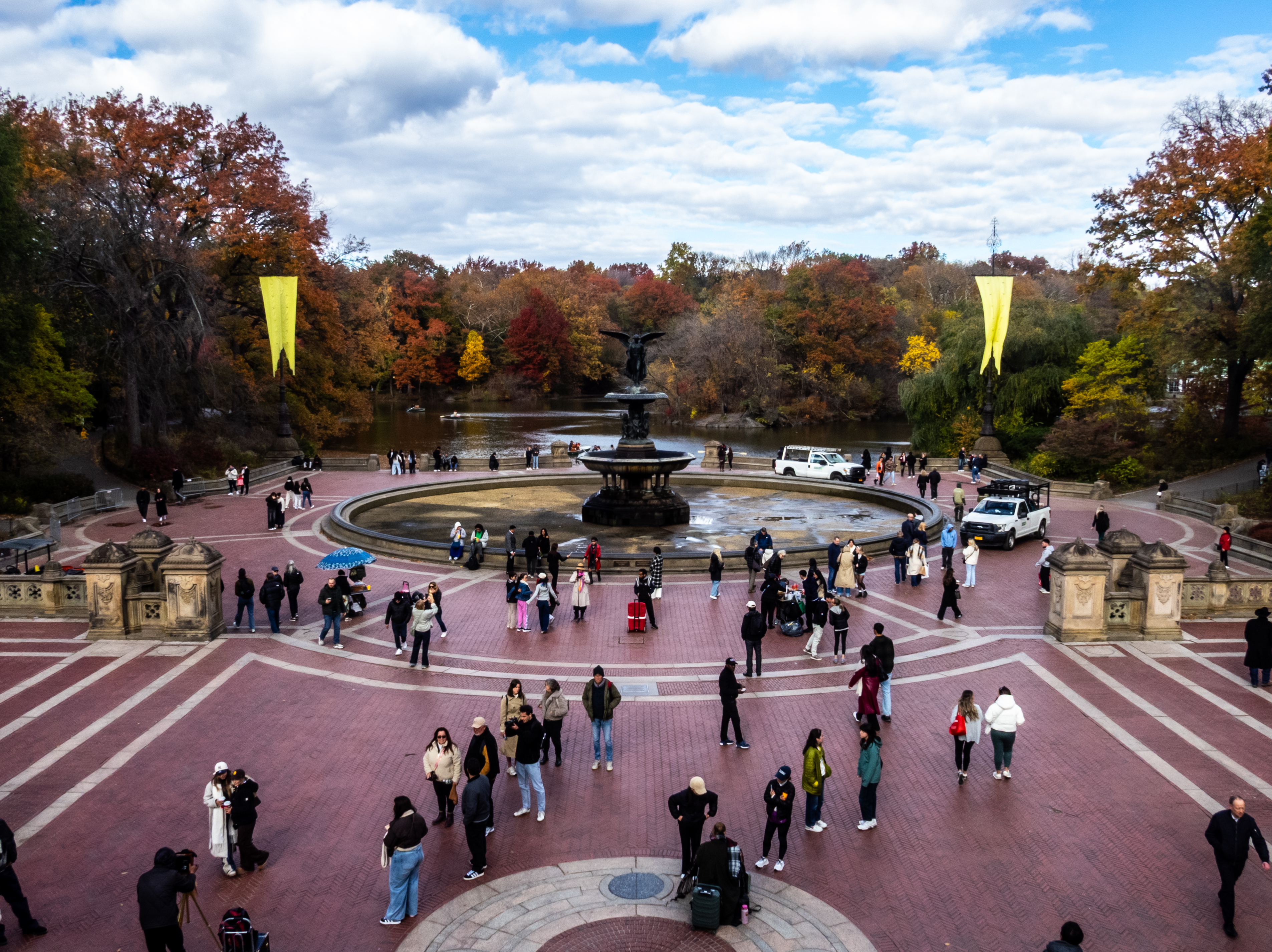
Bethesda Fountain, officially known as the Angel of the Waters, was commissioned in 1869 as part of the original design for Central Park by landscape architects Frederick Law Olmsted and Calvert Vaux. The bronze angel, sculpted by Emma Stebbins, was unveiled in 1873 and quickly became a symbol of the park’s commitment to art, nature, and public recreation.
Architectural Highlights
- Location: Bethesda Terrace, Central Park, Manhattan, New York, United States (Coordinates: 40.774316, -73.970833).
- Design: The fountain features a large, circular basin fed by a tiered cascade that rises from a marble base, culminating in the soaring bronze angel holding a lily—an emblem of purity and healing.
- Cultural Significance: Over the decades, the fountain has appeared in countless movies, TV shows, and photographs, cementing its status as a cultural icon and a favorite backdrop for wedding proposals, street performances, and seasonal celebrations.
While the exact height and altitude of the fountain are not publicly listed, its presence is unmistakable—rising gracefully above the surrounding stone balustrades and offering a tranquil oasis amid the bustling city.
3. How to Get There
By Subway
| Line | Stop | Walking Distance |
|---|---|---|
| A, B, C, D | 81st St‑Museum of Natural History | ~10 min walk |
| 1 | 72nd St (Central Park West) | ~5 min walk |
| N, Q, R | 5th Ave/59th St (close to the park’s south end) | ~15 min walk |
By Bus
- M10 (Harlem Ave ↔ West Side) stops at 72nd St & Central Park West.
- M79 (Mid‑Town Crosstown) runs along 79th St, a short walk east to the Terrace.
By Car / Ride‑Share
Parking in Manhattan can be challenging, but there are several metered street spots along Central Park West and 72nd St. For a stress‑free experience, consider dropping off at a nearby NYC Taxi stand or using a ride‑share service and walking the last few minutes.
Walking & Biking
If you’re already exploring Central Park, Bethesda Terrace is located roughly midway between the East 72nd St. entrance and the West 72nd St. entrance. The park’s dedicated bike lanes make it easy to ride up to the fountain, though be prepared to dismount and walk the final stretch to respect park rules.
4. Best Time to Visit
| Season | Why It Works | Tips |
|---|---|---|
| Spring (Mar‑May) | Blossoming trees frame the fountain, and the air feels fresh. | Arrive early (7‑8 am) to avoid crowds and capture the morning light. |
| Summer (Jun‑Aug) | Warm weather invites street performers and picnickers, creating a lively atmosphere. | Bring a portable umbrella or hat for sun protection; evenings are magical with soft lighting. |
| Fall (Sep‑Nov) | Golden foliage adds a dramatic backdrop, and the temperature is perfect for a leisurely stroll. | Check the park’s schedule for fall festivals—often held near Bethesda Terrace. |
| Winter (Dec‑Feb) | Snow dusts the stone balustrades, turning the fountain into a serene winter tableau. | Dress in layers; the fountain’s mist can create a beautiful steam effect on cold days. |
Peak Hours: Mid‑day (12 pm‑2 pm) on weekends can be crowded, especially during summer. For a quieter experience, aim for early mornings or late evenings.
5. What to Expect
The Senses
- Visual: The Angel of the Waters glistens against the backdrop of the terrace’s intricate stonework. Seasonal changes—like cherry blossoms in spring or amber leaves in fall—enhance the visual drama.
- Auditory: The gentle roar of water creates a soothing soundtrack, often punctuated by the soft chatter of nearby visitors or the occasional violinist’s melody.
- Tactile: The cool mist from the fountain offers a refreshing sensation on warm days, while the stone steps provide a sturdy place to sit and people‑watch.
Activities
- Photo Ops: The fountain’s symmetrical design makes it perfect for both wide‑angle shots and close‑up details of the angel.
- Street Performances: Expect musicians, dancers, and magicians—especially during weekends and holidays.
- Relaxation: Grab a bench on the terrace, read a book, or simply watch the world go by.
Safety & Accessibility
Bethesda Terrace and the surrounding pathways are wheelchair‑accessible, with smooth paving and ramps. The fountain area is well‑lit after dark, making it safe for evening visits.
6. Nearby Attractions
While Bethesda Fountain is a highlight in its own right, the surrounding area offers several other charming water features and attractions worth exploring:
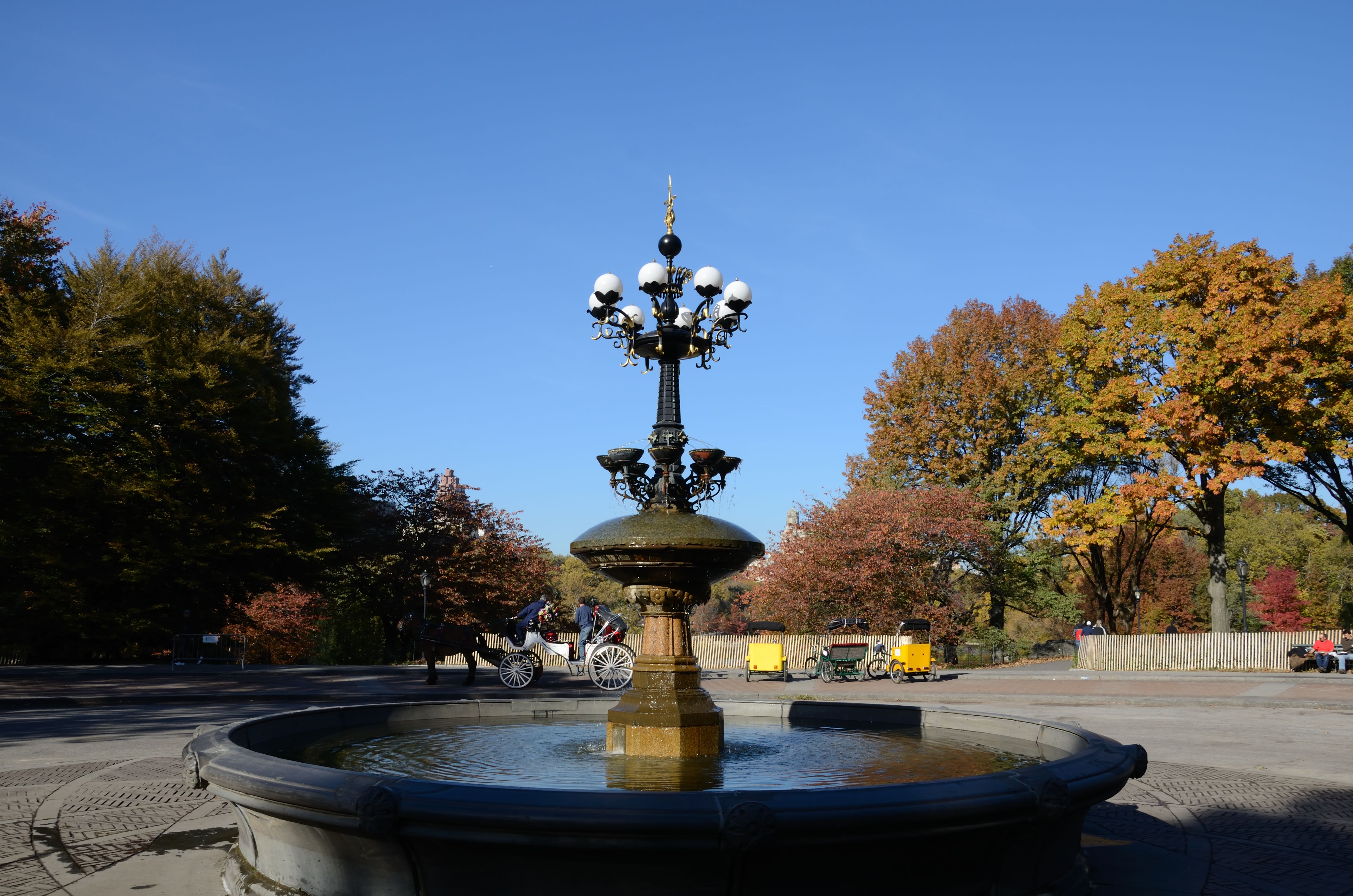
- Cherry Hill Fountain – Just 0.2 km away, this intimate fountain provides a quiet spot for reflection.
- Sophie Loeb Fountain – Located 0.5 km from Bethesda, it’s a beautiful example of early 20th‑century park design.
- Additional fountains within a 0.6‑0.8 km radius (names not listed) can be discovered by wandering the park’s winding paths—each offering its own unique charm.
Other Must‑See Spots Near Bethesda Terrace:
- The Mall & Literary Walk – A grand promenade lined with American elms, perfect for a leisurely stroll.
- The Central Park Zoo – A short walk east, ideal for families.
- The Conservatory Garden (East 105th St.) – A hidden gem of formal gardens and fountains, reachable via a pleasant walk or a quick subway ride.
7. Travel Tips
| Tip | Details |
|---|---|
| Arrive Early | Beat the crowds and capture the best light for photos. |
| Bring a Portable Charger | You’ll likely be snapping photos and using maps; a power bank keeps your phone alive. |
| Dress Comfortably | Wear supportive shoes for walking on park paths and bring layers for changing weather. |
| Mind the Rules | No feeding wildlife, no littering, and keep a respectful distance from performers. |
| Stay Hydrated | Even in cooler months, walking around the park can be tiring; bring a water bottle. |
| Check Event Calendars | Bethesda Terrace often hosts concerts, art installations, and seasonal celebrations—plan ahead to enhance your visit. |
| Use the Official NYC Parks App | Get real‑time updates on fountain maintenance, nearby restroom locations, and accessibility info. |
| Respect Photography Etiquette | If you’re using a tripod or filming, be mindful of other visitors and performers. |
| Explore on Foot | The best way to discover hidden fountains and quiet corners is to wander the park’s network of pathways. |
| Safety First | While the area is generally safe, keep personal belongings secure, especially in busy periods. |
Final Thought
Bethesda Fountain isn’t just a landmark; it’s a living, breathing part of New York City’s cultural fabric. Whether you’re a first‑time visitor eager to tick off a classic NYC sight, a photographer hunting that perfect shot, or a local looking for a moment of calm amid the urban rush, the fountain welcomes you with open arms—and a splash of timeless elegance.
Ready to add Bethesda Fountain to your New York itinerary? Grab your camera, lace up those walking shoes, and let the Angel of the Waters guide you to one of Manhattan’s most unforgettable experiences.
Keywords: Bethesda Fountain, Central Park fountain, things to do in Manhattan, NYC attractions, Angel of the Waters, Bethesda Terrace, New York travel guide, Manhattan fountains, best time to visit Bethesda Fountain, how to get to Bethesda Fountain.