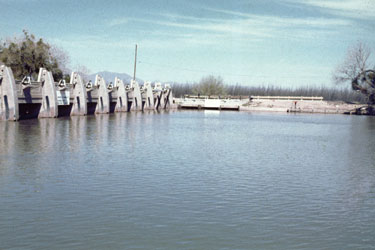
Mesilla Diversion Dam – A Hidden Gem in New Mexico’s Rio Grande Valley
Discover the quiet charm of Mesilla Diversion Dam, a historic waterworks landmark that offers a perfect blend of engineering history, desert scenery, and off‑the‑beaten‑path adventure.
1. Introduction
If you think New Mexico’s attractions are limited to desert hikes, ancient pueblos, and bustling art districts, think again. Tucked just a few miles south of the vibrant town of Mesilla, the Mesilla Diversion Dam sits at the heart of the Rio Grande’s irrigation network, quietly shaping the landscape that feeds the fertile Mesilla Valley. Whether you’re a road‑trip enthusiast, a photography lover, or a history buff, this modest‑sized dam (coordinates 32.227850, ‑106.798283) offers an unexpected stop that’s both educational and Instagram‑ready.
“The best travel moments happen when you step off the main highway and find a place that tells a story you never expected.” – Anonymous traveler
Ready to add a New Mexico dam to your itinerary? Let’s dive into everything you need to know about visiting Mesilla Diversion Dam.
2. About Mesilla Diversion Dam
A Brief History
The Mesilla Diversion Dam is a low‑head diversion structure built in the early 20th century to channel Rio Grande water into the extensive Mesilla Valley irrigation system. While the exact construction date is not widely publicized, archival records point to the dam’s completion around the 1900s, coinciding with the era of massive water‑management projects that transformed the American Southwest.
The dam’s primary purpose has always been functional: it diverts water into a network of canals that nurture the agricultural fields of Mesilla, Las Cruces, and surrounding communities. Over a century later, the structure remains a vital piece of New Mexico’s water infrastructure, symbolizing the state’s long‑standing relationship with the Rio Grande.
Why It Matters
- Engineering Heritage – As one of the early diversion dams on the Rio Grande, Mesilla Diversion Dam showcases the ingenuity of early 1900s hydraulic engineering.
- Agricultural Lifeline – The dam supplies water to over 100 square miles of farmland, supporting crops such as chile, pecans, and alfalfa.
- Scenic Spot – Set at an altitude of 1,179 m (3,868 ft) above sea level, the dam offers sweeping views of the river, desert mesas, and the distant Organ Mountains.
For a quick reference, check out the dam’s Wikipedia page: Mesilla Diversion Dam – Wikipedia.
3. How to Get There
By Car
The dam is most easily reached by car. From Las Cruces (the nearest city with an airport and major hotels), follow these steps:
- Head south on I‑25 toward El Paso.
- Take exit 9 for US‑70 West toward Deming.
- Stay on US‑70 for about 5 miles, then turn right onto NM‑28 (South Avenue).
- Continue on NM‑28 for ≈ 2 miles; you’ll see signage for Mesilla Diversion Dam on the left.
The total drive from downtown Las Cruces is roughly 12 miles (≈ 20 minutes).
Public Transportation
While there is no direct bus line to the dam, the Sun Metro system in Las Cruces offers routes to Mesilla. From the Mesilla Transit Center, you can catch a local taxi or rideshare (Uber/Lyft) for the final 5‑minute stretch.
Parking & Accessibility
A small, paved parking lot sits adjacent to the dam’s access road. The lot holds about 15 vehicles and is free of charge. The site is wheelchair‑accessible, with a short, level pathway leading to the viewing platform.
4. Best Time to Visit
Spring (March – May)
- Why: Mild temperatures (50‑75 °F) and blooming desert flora make for vibrant photos.
- Bonus: Spring migration brings a variety of waterfowl to the Rio Grande, perfect for birdwatchers.
Fall (September – November)
- Why: Cooler evenings, golden‑hour lighting, and lower tourist traffic.
- Bonus: Harvest season in the valley offers a chance to see fields of ripe chile and corn.
Summer & Winter
- Summer (June‑August) can be scorching (often above 100 °F). If you visit, go early morning and stay hydrated.
- Winter (December‑February) brings occasional frost and lower river flow, which may limit the visual impact of the water.
Overall, late March through early May and late September through early November deliver the most pleasant conditions for exploring the dam and its surroundings.
5. What to Expect
Scenic Views
From the modest viewing platform, you’ll see the Rio Grande’s steady current as it threads between desert mesas. The dam itself is a low concrete wall, but the surrounding irrigation canals fan out like veins across the valley, creating a geometric pattern that’s a delight for aerial photographers.
Quiet Atmosphere
Unlike the bustling visitor centers at larger dams, Mesilla Diversion Dam is largely uncommercialized. Expect a tranquil environment—ideal for reflective walks, picnics, or a quick meditation session by the water.
Educational Opportunities
- Interpretive Signage – Small plaques explain the dam’s role in water diversion and local agriculture.
- Self‑Guided Walk – Follow the canal trail to see historic stone bridges and the Class of 1908 Fountain, a commemorative structure located just 7.4 km away.
Wildlife
The Rio Grande corridor supports kingfishers, herons, and occasional beavers. Keep an eye out for riparian vegetation such as cottonwoods and willows, which attract a variety of desert birds.
6. Nearby Attractions
While the dam itself offers a serene stop, the surrounding area boasts several other points of interest that can easily fill a half‑day itinerary.
| Attraction | Distance from Dam | What to See | Link |
|---|---|---|---|
| Mesilla Diversion Dam (same site) | 0.0 km | The dam you’re visiting | — |
| Tortugas Watershed Site Number Two Dam | 7.1 km | A secondary diversion dam with hiking trails along the Tortugas River. | Tortugas Watershed Site Two Dam |
| Class of 1908 Fountain | 7.4 km | A historic fountain commemorating early 20th‑century water projects. | Class of 1908 Fountain |
| Mesilla Plaza & Historic District | ≈ 5 km | Charming adobe buildings, boutique shops, and the famous St. James Catholic Church. | Mesilla Plaza |
| Organ Mountains‑Desert Peaks National Monument | ≈ 15 km | Rugged peaks, hiking, and stunning desert vistas. | Organ Mountains‑Desert Peaks |
Feel free to click the links for directions and additional details.
7. Travel Tips
| Tip | Details |
|---|---|
| Bring Water & Snacks | The site has no vending machines. A reusable water bottle and a light snack will keep you comfortable. |
| Sun Protection | Even in spring, the New Mexico sun is strong. Pack sunscreen, a hat, and sunglasses. |
| Timing | Arrive early (sunrise to 10 am) during summer months to avoid heat and crowds. |
| Photography | The best light is during the golden hour (just after sunrise or before sunset). A polarizing filter helps reduce glare on the water. |
| Respect Irrigation Schedules | Some canal gates close for maintenance. Follow posted signs and stay on designated paths. |
| Leave No Trace | Pack out all trash. The desert ecosystem is fragile, and litter can harm wildlife. |
| Local Cuisine | After your dam visit, head to downtown Mesilla for authentic New Mexican chile and green chile cheeseburgers. |
| Safety | The river’s flow can be swift near the diversion point. Stay behind railings and keep children supervised. |
Wrap‑Up
Mesilla Diversion Dam may not have the towering height of the Hoover Dam, but its modest presence tells a powerful story of water, agriculture, and community in the high desert of New Mexico. A quick detour off US‑70 rewards travelers with quiet river views, historic insights, and easy access to nearby attractions like the Tortugas Watershed Dam and the nostalgic Class of 1908 Fountain.
So next time you’re planning a road trip through the Southwest, add “Mesilla Diversion Dam” to your checklist—you’ll leave with a deeper appreciation for the engineering feats that keep the Rio Grande’s life‑giving waters flowing across the desert.
Happy travels! 🌵🚗💧