Lower Yellowstone Falls – A Majestic Waterfall Experience in Montana
Coordinates: 44.717981, -110.496292
1. Introduction
Imagine standing on a rugged rim, the roar of a 94‑meter cascade echoing through a canyon of amber rock. The spray kisses your face, rainbows arc across the mist, and the river below thunders into a frothy abyss. That’s the unforgettable moment when you visit Lower Yellowstone Falls, one of the most iconic waterfalls in the United States. Nestled in the heart of Yellowstone National Park near West Yellowstone, Montana, this natural masterpiece draws photographers, hikers, and nature lovers from around the globe. In this guide we’ll dive into the waterfall’s story, how to reach it, the best seasons to explore, and the surrounding gems you won’t want to miss.
2. About Lower Yellowstone Falls
A Brief Description
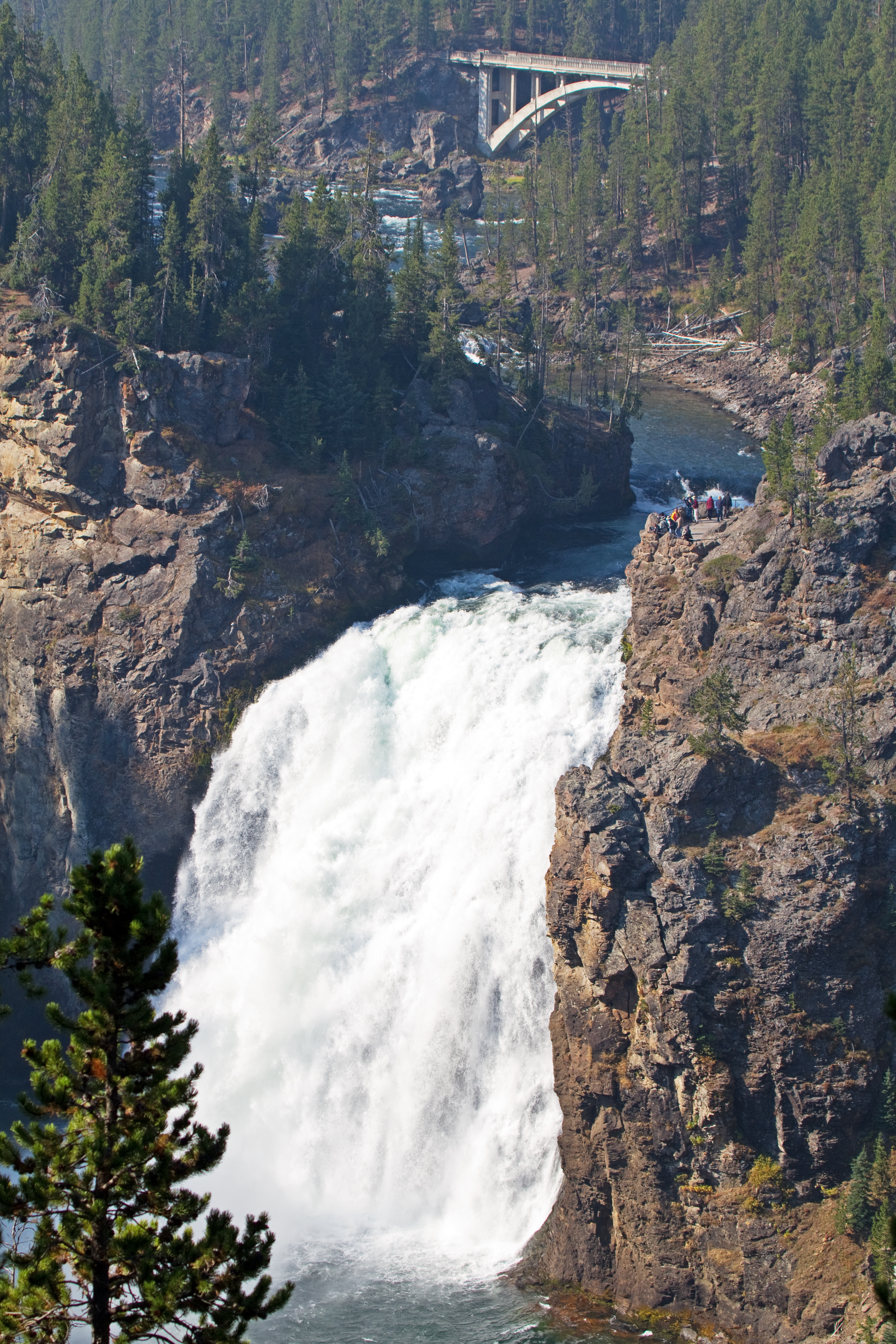
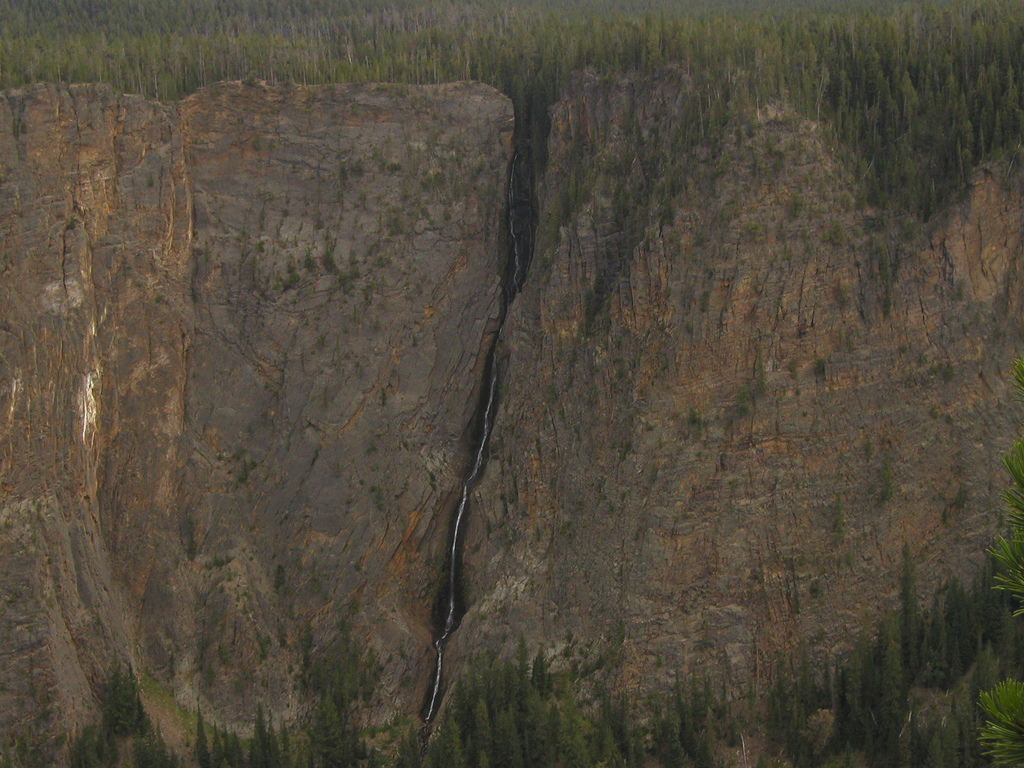
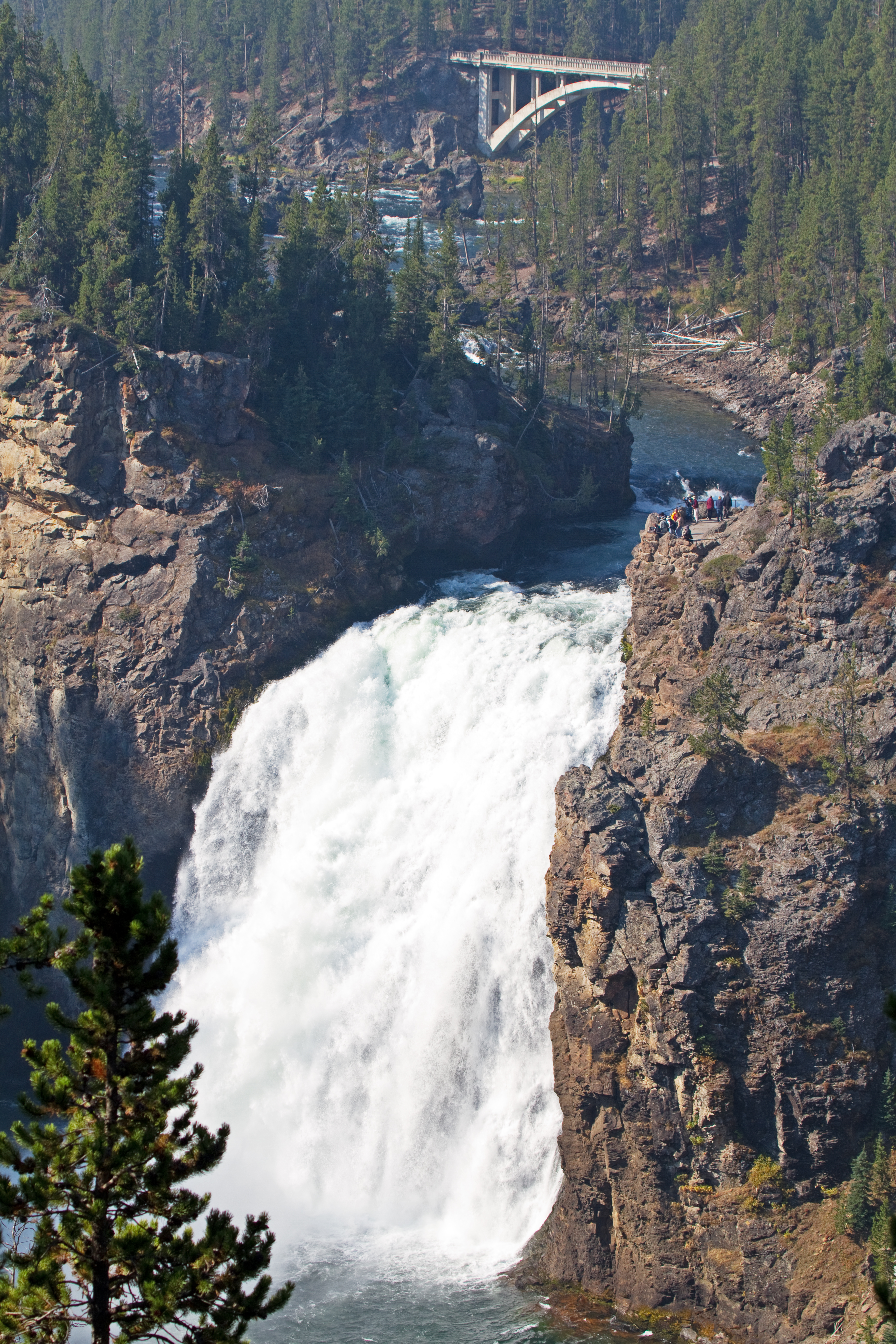
Lower Yellowstone Falls drops 94 meters (≈308 feet) into the Grand Canyon of the Yellowstone, creating a dramatic plunge that rivals any waterfall in the Rocky Mountain West. The falls sit on the Yellowstone River, which carves a deep, colorful gorge flanked by basalt cliffs, rhyolite spires, and vivid hydrothermal deposits. The sheer power of the water—especially during spring melt—produces a constant roar that can be heard from miles away.
History & Significance
The falls have been a focal point for explorers and artists since the 1870s, when the Hayden Geological Survey first documented the canyon’s grandeur. Early photographs of the Lower Falls helped convince Congress to establish Yellowstone National Park in 1872, making it the world’s first national park. Today, the falls remain a symbol of the park’s wild beauty and a testament to the geologic forces that shaped the region over millions of years.
Lower Yellowstone Falls is also an ecological hotspot. The mist zone supports mosses, lichens, and unique micro‑habitats, while the river below provides spawning grounds for native trout. For visitors, the falls serve as a natural classroom—offering insights into geology, hydrology, and the delicate balance of a protected wilderness.
3. How to Get There
By Car
- Enter Yellowstone National Park – Most travelers arrive via the West Entrance near West Yellowstone, MT (U.S. Highway 191).
- Follow the Grand Loop Road – After crossing the entrance, stay on the Grand Loop Road heading north toward the Canyon Village area.
- Turn onto the Canyon Rim Road – Look for signs directing you to the Canyon Visitor Education Center and the Grand Canyon of the Yellowstone.
- Parking – There are two main parking lots:
* Canyon Visitor Center Parking (approximately 1.9 km from the falls) – a large lot with restrooms and a shuttle stop.
* Lookout Point Parking (about 0.7 km away) – a smaller lot closer to the viewpoint.
From either lot, the Lower Falls viewpoint is a short, well‑marked walk (roughly 0.2 km) along a paved trail with railings for safety.
By Shuttle
During the high‑season (late May–early September), the Yellowstone Canyon Shuttle runs every 30 minutes between the Canyon Visitor Education Center and the South Rim stops, including Lookout Point. This is a convenient, eco‑friendly option that eliminates parking hassles.
By Foot
If you’re an avid hiker, the North Rim Trail (≈2 mi round‑trip) offers spectacular vistas of both Upper and Lower Falls. The trail is moderately steep but well maintained, with interpretive signs highlighting the canyon’s geology.
Practical Tips
- Road Conditions: The Grand Loop Road can be icy or snow‑covered in early spring and late fall. Check the National Park Service (NPS) road status before you travel.
- Entrance Fees: As of 2024, a private vehicle pass is $35 for a 7‑day stay. Consider an America the Beautiful annual pass if you plan multiple park visits.
4. Best Time to Visit
| Season | What to Expect | Why It’s Ideal |
|---|---|---|
| Spring (April–June) | Snowmelt swells the Yellowstone River, creating a thunderous, high‑volume cascade. Wildflowers begin to bloom along the rim. | The falls are at their most powerful, and crowds are still moderate. |
| Summer (July–August) | Warm weather, longer daylight hours, and clear views of the canyon walls. | Ideal for photography, especially sunrise and sunset shots from Lookout Point. |
| Fall (September–October) | Brilliant foliage—golden aspens and crimson maples—contrast with the dark basalt. Water flow begins to recede. | Fewer visitors, crisp air, and spectacular color palettes. |
| Winter (November–March) | The falls may be partially frozen, creating icy sculptures. Snow blankets the canyon, offering a serene, otherworldly scene. | For the adventurous; limited road access, but the park’s Winter Travel Guide provides safe routes. |
Peak season (late June–early August) sees the highest visitor numbers, so arrive early (before 9 am) or later in the afternoon to avoid crowds.
5. What to Expect
The Visual & Auditory Spectacle
From the Lookout Point or the Lower Falls Overlook, you’ll witness water plummeting nearly 100 meters into a frothy pool, framed by towering cliffs streaked with orange, yellow, and black volcanic rock. In bright sun, the mist creates rainbow arcs that dance across the canyon floor. The constant roar is both exhilarating and meditative—an audible reminder of nature’s raw power.
Wildlife Encounters
The canyon’s rim is a favorite perch for bald eagles, peregrine falcons, and golden eagles. Keep an eye on the riverbanks for bison and elk grazing in the early morning or late evening. Remember to stay at least 25 meters (≈80 feet) away from wildlife and never feed them.
Trail Conditions
The main viewpoint trail is paved and wheelchair accessible, with sturdy railings. For those seeking a more immersive experience, the North Rim Trail provides a rugged, off‑road path with interpretive signs about the canyon’s geology (e.g., the famous Artist Point rock layers). Weather can change rapidly; bring layers and rain gear even in summer.
Photography Tips
- Golden Hour: Arrive 30 minutes before sunrise or sunset for soft, warm lighting that highlights the canyon’s textures.
- Long Exposure: Use a tripod and ND filter to smooth the water’s motion, creating a silky effect.
- Polarizing Filter: Reduces glare on the water and deepens the colors of the basalt cliffs.
6. Nearby Attractions
While you’re in the area, make sure to explore these must‑see spots, each just a short walk or drive away:
| Attraction | Distance from Lower Falls | Quick Highlight |
|---|---|---|
| Crystal Falls | 0.4 km | A hidden cascade tucked behind a short, steep trail—great for a quick detour. |
| Upper Yellowstone Falls | 0.6 km | The taller sister fall (≈90 m) that plunges into the canyon’s upper rim. |
| Lookout Point | 0.7 km | Offers the classic panoramic view of both Upper and Lower Falls. |
| Grand Canyon of the Yellowstone | 0.9 km | The dramatic canyon that frames the falls, featuring colorful rock layers and dramatic vistas. |
| Canyon Visitor Education Center | 1.9 km | Interactive exhibits on geology, wildlife, and the park’s cultural history; also a starting point for ranger-led walks. |
All links lead to reputable sources for additional information and up‑to‑date trail conditions.
7. Travel Tips
- Arrive Early – Parking fills up quickly during summer weekends. Early morning visits also provide the best light for photos.
- Dress in Layers – Even in July, mornings can be chilly, and wind off the canyon can be brisk.
- Stay Hydrated – Altitude (though not listed) can affect hydration; carry at least 2 L of water per person.
- Respect the Environment – Stay on designated trails, pack out all trash, and follow the Leave No Trace principles.
- Safety First – The overlook railings are sturdy but keep children and pets away from the edge. Slippery rocks near the water’s base are hazardous—do not attempt to climb down.
- Check the Weather – Sudden thunderstorms are common in summer; seek shelter at the Visitor Center if lightning is observed.
- Use the Shuttle – If you’re staying in the park’s lodging or a nearby campground, the free shuttle reduces traffic and carbon footprint.
- Plan for Connectivity – Cell service is limited in the canyon; download maps offline and let someone know your itinerary.
Final Thoughts
Lower Yellowstone Falls isn’t just a waterfall; it’s a living, breathing centerpiece of Yellowstone National Park’s wild heart. Whether you’re chasing the perfect shot, listening to the thunderous cascade, or simply soaking in the raw beauty of the Grand Canyon of the Yellowstone, this 94‑meter plunge promises an unforgettable adventure. Pack your camera, lace up your boots, and let the mist of Lower Yellowstone Falls inspire your next great travel story.
Happy travels, and may the roar of the falls guide you to new horizons!