Discover Libby Dam: Montana’s Hidden Hydroelectric Gem
If you’ve ever chased the quiet power of a river‑cut canyon, the whisper of turbines, or the crisp mountain air of the Pacific Northwest, Libby Dam in north‑western Montana should be at the top of your travel list. Nestled at 751 m above sea level and framed by the rugged Selkirk Mountains, this modest‑sized dam offers a perfect blend of engineering marvel, outdoor recreation, and small‑town charm.
1. Introduction
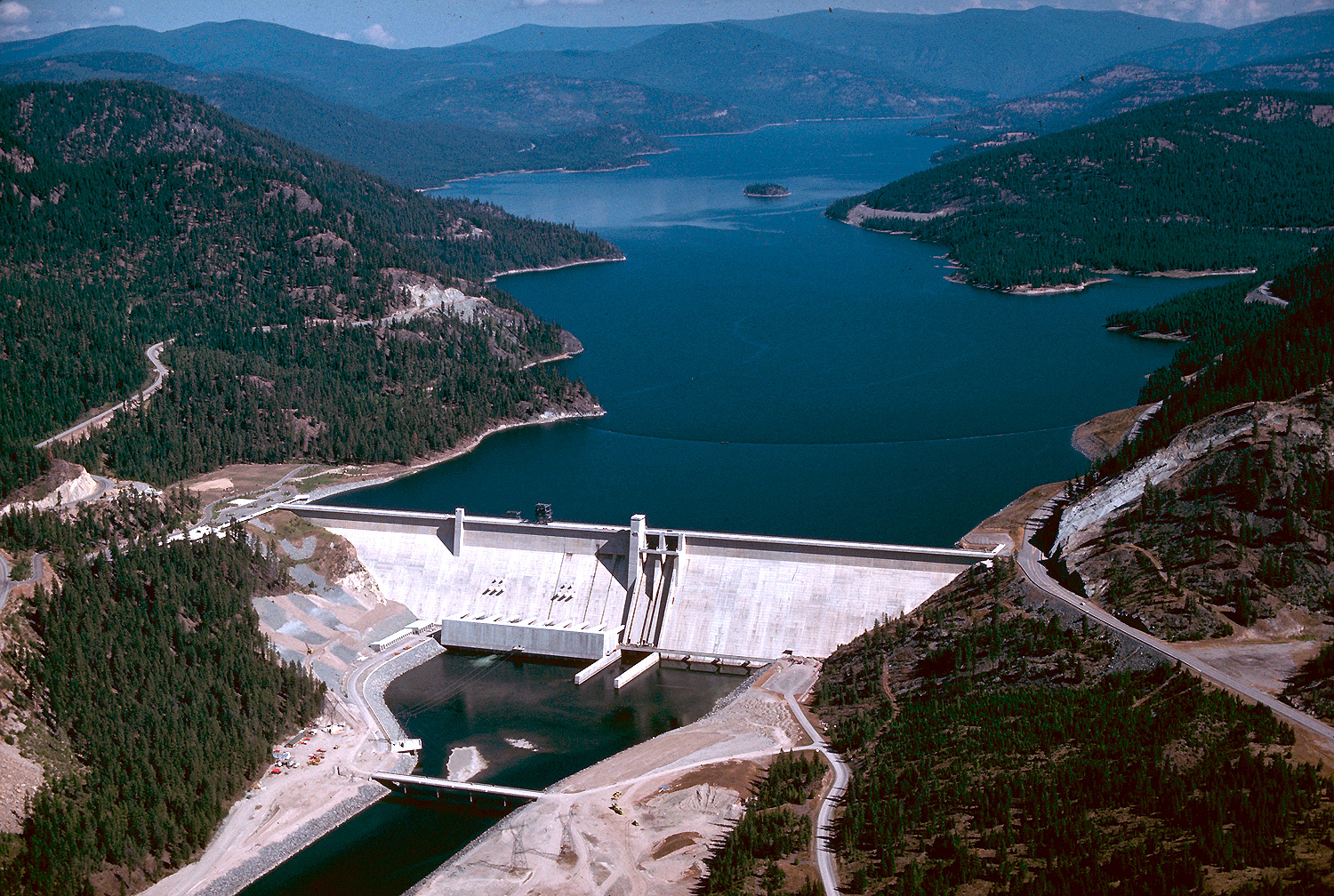
Picture a sleek concrete wall hugging the Kootenai River, its spillway releasing a steady cascade that shimmers under a big sky. Around it, dense pine forests stretch toward the horizon, and the nearby town of Libby buzzes with friendly locals and cozy cafés. This is Libby Dam—a hydroelectric dam that may not be as famous as the Grand Coulee, but it packs a punch for travelers seeking authentic Montana experiences. Whether you’re a road‑trip enthusiast, a photography lover, or a family looking for a day‑long adventure, Libby Dam delivers a unique slice of the Northwest Montana landscape that’s both accessible and unforgettable.
2. About Libby Dam
- Type: Concrete gravity dam (🏗️)
- Location: Libby, Montana, United States (48.410519 °N, ‑115.314641 °W)
- Altitude: 751 m (2,464 ft) above sea level
- Height: Data not publicly disclosed
Built in the early 1970s, Libby Dam was constructed by the U.S. Army Corps of Engineers as part of a series of flood‑control and hydroelectric projects along the Kootenai River. Its primary purpose is to generate clean, renewable electricity for the region while regulating river flow for downstream communities. The dam’s reservoir, Lake Koocanusa, stretches over 90 km into Canada, creating a pristine waterway that supports fishing, boating, and wildlife habitat.
The dam’s strategic location near the U.S.–Canada border makes it a critical piece of cross‑border water management. Its turbines churn out several hundred megawatts of power, feeding the grid of northern Idaho, eastern Washington, and western Montana. Beyond its functional role, Libby Dam has become a tourist attraction—a place where engineering meets nature, offering spectacular vistas and a peaceful spot to watch the river’s rhythm.
For a deep dive into the dam’s history, check out the Libby Dam Wikipedia page.
3. How to Get There
By Air
- Missoula International Airport (MSO) – ~150 km (≈2 hrs drive). The most common gateway for out‑of‑state visitors.
- Kalispell Glacier Airport (FCA) – ~180 km (≈2.5 hrs drive). A convenient alternative with seasonal flights.
Both airports have rental‑car services; a compact SUV is ideal for mountain roads and occasional snow.
By Car
- From Missoula: Take U.S. Route 2 East (the “Great Northern Highway”). After roughly 120 km, you’ll pass through the charming towns of Hamilton and Whitefish before arriving in Libby. The drive is scenic, with views of the Flathead Valley and the Selkirk Mountains.
- From Spokane, WA: Head north on I‑90 to U.S. Route 2 East. The route crosses the Mullan Pass and offers spectacular alpine scenery.
Public Transportation
Greyhound and Jefferson Lines run limited services to Libby, but schedules are infrequent. For the most flexibility, driving is recommended.
Parking & Access
A well‑maintained parking lot sits just a few meters from the dam’s visitor viewpoint. Parking is free, and the lot fills quickly during peak summer weekends, so arrive early for the best spot.
4. Best Time to Visit
| Season | Weather | Highlights |
|---|---|---|
| Spring (April‑May) | Mild, occasional rain, river levels rising | Ideal for photography of melting snow and vibrant foliage. |
| Summer (June‑August) | Warm days (20‑30 °C), occasional thunderstorms | Perfect for boating on Lake Koocanusa, fishing, and picnics. |
| Fall (September‑October) | Crisp air, colorful aspen and larch | Fantastic leaf‑peeping, quieter crowds, and excellent wildlife spotting. |
| Winter (November‑March) | Snowy, temperatures often below 0 °C | Rarely visited, but offers dramatic icy vistas and opportunities for snowshoeing. |
Tip: The most popular months are July and August. If you prefer a quieter experience, aim for late September or early May.
5. What to Expect
Scenic Views
From the main observation deck, you’ll see the dam’s concrete face stretching across the Kootenai River, framed by towering pines and the distant silhouette of the Kootenai National Forest. The water’s turquoise hue, especially in summer, creates a striking contrast against the dark rock.
Soundscape
The gentle hum of turbines is a constant, low‑frequency backdrop—an audible reminder of the dam’s renewable energy role. During high‑flow periods, the spillway produces a soothing roar that can be both invigorating and meditative.
Activities
- Photography: Sunrise over the dam (around 7:30 am in summer) paints the water gold. Evening light creates dramatic shadows on the concrete structure.
- Fishing: The Kootenai River is stocked with trout and salmon. Bring a license and a rod for a relaxing afternoon.
- Kayaking & Paddleboarding: Lake Koocanusa’s calm waters are perfect for beginners. Rental shops are available in Libby.
- Picnicking: Picnic tables line the riverbank; bring a blanket and enjoy a meal with a view.
Facilities
- Restrooms: Clean, wheelchair‑accessible facilities near the parking lot.
- Interpretive Signage: Panels explain the dam’s engineering, environmental impact, and local wildlife.
- Visitor Center: Small kiosk (seasonal) offers brochures, maps, and friendly staff ready to answer questions.
6. Nearby Attractions
While Libby Dam is the star of the show, the surrounding area offers several must‑see spots within a short drive:
-
Zonolite Tailings Dam – 8.9 km away
- A historic tailings dam that showcases the region’s mining heritage.
- Learn more about Zonolite Tailings Dam (link placeholder) -
Libbeys Label Dam – 17.1 km away
- A smaller water control structure surrounded by hiking trails.
- Explore Libbeys Label Dam (link placeholder) -
Lake Koocanusa – Directly adjacent
- The massive reservoir created by Libby Dam, perfect for water sports and scenic drives. -
Kootenai National Forest – 20‑30 km north
- Endless trails, alpine lakes, and wildlife viewing opportunities. -
Libby Historic District – In town, 0.1 km from the dam
- Stroll through Main Street’s antique shops, cafés, and the Kootenai County Museum.
(Note: The three “(dam)” entries listed at 0.1 km are essentially the same Libby Dam site; the short distance simply highlights its central location within the town.)
7. Travel Tips
| Tip | Details |
|---|---|
| Dress in layers | Mountain weather changes quickly; bring a waterproof jacket even in summer. |
| Bring a reusable water bottle | Fill up at the visitor kiosk; stay hydrated while exploring. |
| Check dam water release schedules | High releases can create stronger currents—use caution if kayaking. |
| Respect wildlife | Keep a safe distance from elk, deer, and birds; store food securely. |
| Plan for limited cell service | Rural Montana often has spotty reception; download maps offline. |
| Visit the local diner | Try the “Kootenai Burger” at the Libby Café for a true taste of the region. |
| Seasonal road closures | In winter, some mountain passes may close; verify road conditions via the Montana Department of Transportation website. |
| Leave no trace | Pack out all trash, especially near the shoreline and hiking trails. |
Final Word
Libby Dam may not headline every travel guide, but its blend of hydroelectric history, stunning natural scenery, and easy‑going small‑town vibe makes it a hidden treasure for the curious traveler. Whether you’re snapping photos of the dam’s sleek silhouette, casting a line into the Kootenai River, or simply soaking up the quiet majesty of the Selkirk Mountains, a visit to Libby Dam offers a genuine slice of Montana that feels both adventurous and restorative.
Pack your camera, hit the road, and let the gentle pulse of the turbines guide you to one of the Pacific Northwest’s most peaceful destinations. Safe travels!