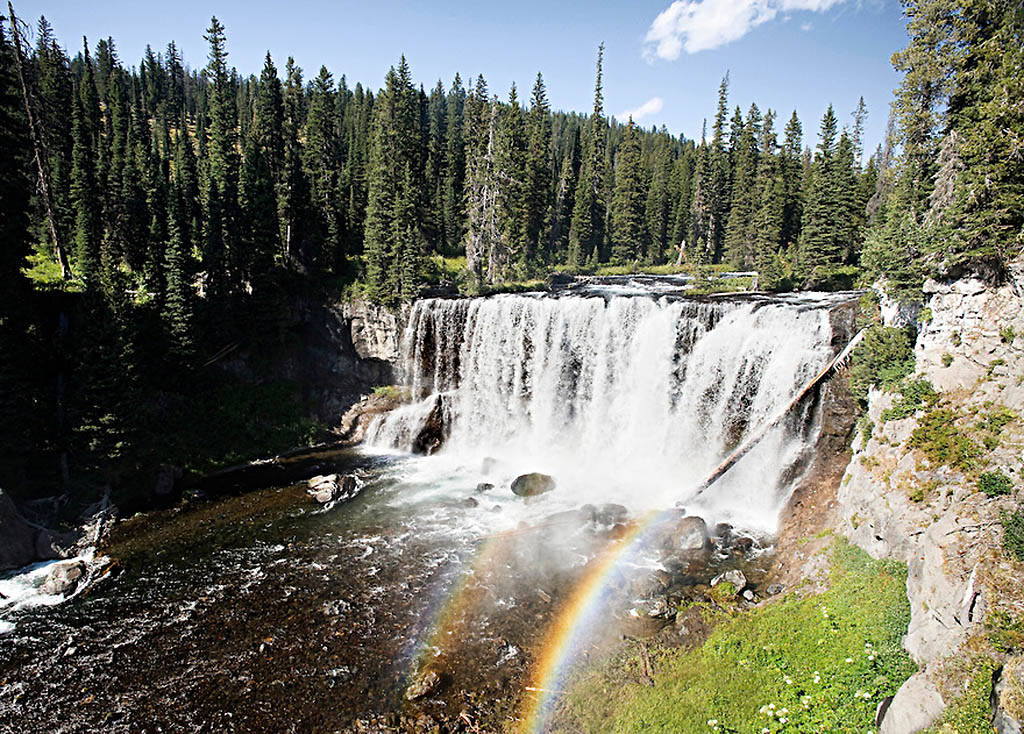
Iris Falls, Montana – A Hidden Gem in West Yellowstone
Discover the serene beauty of Iris Falls, a 13.7‑meter cascade tucked away in the wilds of West Yellowstone, Montana. Whether you’re a seasoned hiker, a photography enthusiast, or simply craving a quiet spot to breathe in the fresh mountain air, Iris Falls offers a perfect slice of nature that’s easy to miss—until now.
1. Introduction
Imagine stepping off a well‑maintained trail and hearing the gentle roar of water tumbling over smooth granite, the mist kissing your face as a rainbow arches across the spray. That’s the moment you’ll experience at Iris Falls, one of Montana’s most tranquil waterfalls. Located just a short drive from the bustling gateway town of West Yellowstone, this 13.7‑meter (≈45‑foot) cascade is a favorite secret among locals and a must‑see for anyone exploring the Greater Yellowstone Ecosystem.
In this guide, we’ll dive into everything you need to know: the waterfall’s story, how to reach it, the best seasons to visit, what you’ll see on the trail, nearby attractions, and insider tips to make your adventure smooth and unforgettable.
2. About Iris Falls
Description
Iris Falls drops 13.7 m into a crystal‑clear pool surrounded by rugged basalt cliffs and dense conifer forest. The water originates from melt‑off snowfields and seasonal streams that feed the falls year‑round, creating a steady, soothing flow even during late summer. The falls sit at coordinates 44.241506, -110.943238, placing them squarely within the West Yellowstone region of Montana, just a stone’s throw from the entrance to Yellowstone National Park.
History & Significance
While Iris Falls does not boast a long‑recorded human history like some of the more famous waterfalls in the Rockies, it has long been a cherished spot for early trappers, Native American hunters, and later, park rangers who used the area as a natural waypoint. The name “Iris” is thought to reflect the delicate, flower‑like spray that fans out from the cascade, echoing the vivid colors of the surrounding wildflowers in spring and early summer.
Today, the falls serve as a peaceful counterpoint to the more crowded attractions of Yellowstone, offering hikers a chance to connect with Montana’s pristine wilderness without the crowds. The waterfall’s modest height makes it accessible for families and casual walkers while still delivering the awe‑inspiring power of a true mountain waterfall.
3. How to Get There
From West Yellowstone
- Start in West Yellowstone, MT – The town sits at the western gateway of Yellowstone National Park and is well‑served by hotels, restaurants, and the West Yellowstone Visitor Center.
- Take US‑191/US‑20/US‑287 North – Follow the highway for about 2 km (1.2 mi) toward the West Yellowstone Airport.
- Turn onto Iris Falls Road (a paved, well‑marked forest service road). The road is maintained year‑round but can be slick after snow; a vehicle with good clearance is recommended during early spring.
- Park at the Iris Falls Trailhead – A small parking lot sits just off the road. From here, the trail to the falls is clearly signed.
Trail Details
- Distance: ~0.8 km (0.5 mi) round‑trip
- Elevation Gain: Minimal (the trail is relatively flat)
- Difficulty: Easy to moderate – suitable for families, seniors, and dogs on leash
The trail is a well‑graded footpath with boardwalk sections over wet ground, ensuring safe footing even after heavy rain. If you’re coming from Yellowstone National Park, you can also access Iris Falls via the Gardiner‑to‑West Yellowstone corridor, but the most straightforward route remains the one described above.
4. Best Time to Visit
| Season | Conditions | Why Visit |
|---|---|---|
| Spring (April‑June) | Snowmelt swells the flow, vibrant wildflowers bloom. | Highest water volume, spectacular rainbows in the mist. |
| Summer (July‑August) | Warm, dry days; trail fully open. | Ideal for picnics, family outings, and photography in golden light. |
| Fall (September‑October) | Cooler temps, foliage turning amber. | Quiet crowds, stunning autumn colors framing the falls. |
| Winter (November‑March) | Trail may be icy or snow‑covered; limited access. | For adventurous souls with proper gear—ice‑clad waterfall is magical but requires caution. |
Peak recommendation: Late spring to early fall (May‑September) offers the most reliable footing, comfortable temperatures, and a robust water flow that showcases Iris Falls at its most photogenic.
5. What to Expect
The Trail Experience
As you set foot on the trail, the scent of pine and damp earth greets you. The path winds through a mixed forest of lodgepole pine, Engelmann spruce, and trembling aspen, providing ample shade in summer and a burst of color in autumn. Boardwalk sections protect you from slippery creek crossings, while interpretive signs share tidbits about local geology and wildlife.
Within a few minutes, you’ll hear the gentle roar of water, growing louder as you approach the cascade. The viewpoint at the base of Iris Falls offers a perfect spot to sit on a rock, dip your toes in the chilly pool, and snap photos of the water plunging over the basalt ledge. The mist creates a natural cooling effect—bring a light jacket even on warm days.
Wildlife & Photography
The area is home to elk, mule deer, and occasionally black bears foraging near the water. Keep a safe distance, and always store food securely. Birdwatchers can spot Clark’s nutcrackers and gray‑winged junco.
Photographers love the soft, diffused lighting during early morning or late afternoon, when the sun filters through the canopy, casting golden highlights on the spray. A polarizing filter helps reduce glare on the water surface, while a wide‑angle lens captures the surrounding forest framing the falls.
6. Nearby Attractions
While Iris Falls is a highlight on its own, the surrounding region offers several other spectacular waterfalls and natural sites that can easily be added to a day‑trip itinerary:
- Upper Colonnade Falls – Just 0.4 km away, this twin‑tiered cascade is a short detour along the same trail system.
- Lower Colonnade Falls – 0.5 km from Iris Falls, the lower tier offers a broader plunge pool perfect for a quick splash.
- Ouzel Falls – Approximately 2.6 km away, a moderate hike leads you to this remote waterfall nestled in a narrow canyon.
- Albright Falls – 5.1 km from Iris Falls, a scenic loop trail takes you through alpine meadows before reaching this graceful drop.
- Unnamed Waterfall (6.2 km away) – A hidden gem for the adventurous, accessible via a lesser‑known forest road.
All of these spots are reachable within a half‑day drive or a moderate hike, making Iris Falls an ideal base for a waterfall‑hopping adventure in West Yellowstone.
7. Travel Tips
| Tip | Details |
|---|---|
| Pack Layers | Even in summer, the canyon can be cool and windy. A breathable jacket or fleece keeps you comfortable. |
| Footwear | Sturdy, waterproof hiking shoes with good traction are essential, especially on boardwalk sections that can become slick. |
| Leave No Trace | Carry out all trash, stay on marked paths, and avoid disturbing wildlife. |
| Timing | Arrive early (7‑8 am) during peak summer months to beat the small crowds and capture soft morning light. |
| Safety | The pool at the base is cold year‑round; avoid swimming if you have heart conditions. Keep a safe distance from wildlife. |
| Parking | The Iris Falls trailhead lot fills quickly in July and August; consider a backup parking spot a short walk away or use the nearby Upper Colonnade Falls lot. |
| Dog Policy | Dogs are allowed on leash (max 6 ft). Bring waste bags and keep them away from the water’s edge. |
| Cell Service | Spotty in the forest; download offline maps (e.g., Google Maps offline area or AllTrails) before you go. |
| Photography Gear | A tripod and neutral density filter can help capture silky‑smooth water flow during longer exposures. |
| Nearby Amenities | Restrooms and a small café are available in West Yellowstone town, about 2 km away. Stock up on snacks and water before heading out. |
Final Thoughts
Iris Falls may not have the fame of Niagara or the height of Yosemite’s Yosemite Falls, but its quiet charm, easy accessibility, and surrounding natural beauty make it a standout destination for anyone traveling through West Yellowstone, Montana. Whether you’re on a family vacation, a solo backpacking trip, or a photography expedition, the cascade offers a perfect blend of adventure and relaxation.
So lace up your boots, grab your camera, and set your GPS to 44.241506, -110.943238—Iris Falls is waiting to add a splash of wonder to your Montana itinerary. Happy trails!