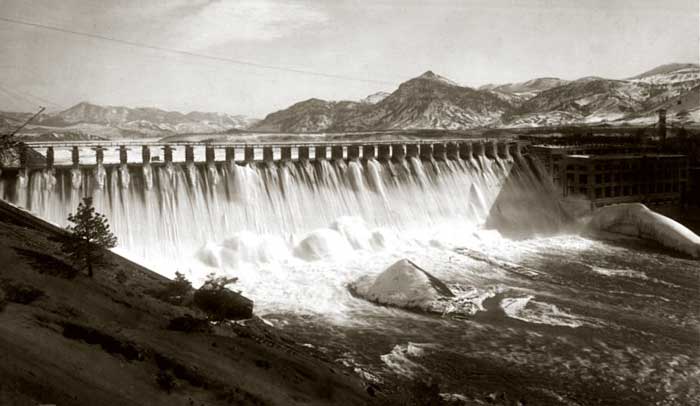
Holter Dam, Montana – A Hidden Gem in the Helena Valley
Discover the rugged beauty, rich history, and outdoor adventure that surround one of Montana’s most iconic dams.
1. Introduction
If you’ve ever driven along the winding roads of the Helena Valley and caught a glimpse of a massive concrete wall hugging the Missouri River, you’ve probably seen Holter Dam. While many travelers flock to Glacier National Park or the bustling streets of Missoula, this 20th‑century engineering marvel remains a quieter, yet equally spectacular, destination for anyone craving a blend of history, nature, and photo‑ops. Whether you’re a road‑trip enthusiast, a fishing aficionado, or simply looking for a peaceful spot to stretch your legs, Holter Dam offers a slice of Montana’s wild heart that’s often missed on the typical tourist map.
2. About Holter Dam
Location: Helena Valley Northwest, Montana, United States
Coordinates: 46.991108, ‑112.005049
Altitude: 1,056 m (3,465 ft) above sea level
Built in the early 1900s, Holter Dam was named after Louis P. Holter, a prominent local businessman who championed the project. The dam was completed in 1918 as part of a series of hydro‑electric developments along the Missouri River, designed to harness the river’s power for the growing cities of central Montana. Though the exact height of the structure isn’t publicly listed, its sheer mass and the impressive Holter Reservoir it creates are unmistakable.
Why Holter Dam Matters
- Hydropower: The dam’s turbines generate clean electricity that still feeds into Montana’s power grid, supporting everything from local homes to high‑tech industries.
- Recreation: The reservoir is a prime spot for fishing, boating, and wildlife watching, making it a beloved local recreation area.
- Scenic Value: The dam’s concrete arches frame dramatic canyon walls, creating a natural amphitheater of rock, water, and sky—perfect for sunrise and sunset photography.
The dam also plays a vital role in river management, helping to regulate water flow for downstream irrigation, flood control, and ecological health. Its presence is a reminder of the delicate balance between human engineering and the untamed wilderness that defines Montana.
3. How to Get There
By Car
- From Helena: The most convenient base is the state capital, Helena, just 15 mi (≈ 24 km) north of the dam. From downtown Helena, take US‑12 West toward the Holter Lake Road exit. Follow the signs for Holter Dam / Holter Lake; the road winds through pine‑filled valleys and offers several pull‑outs for photo stops.
- From Great Falls: Head east on I‑15 to US‑12, then turn north toward Helena. The total drive is about 115 mi (≈ 185 km) and takes roughly 2 hours.
By Air
The nearest commercial airport is Helena Regional Airport (HLN). From the terminal, rent a car and follow the directions above. The airport is small, friendly, and often less crowded than larger hubs, making the drive to Holter Dam feel like a true Montana adventure.
Public Transportation
Montana’s rural bus services are limited, and there is no direct public transit to Holter Dam. For the most flexibility (and to reach the nearby attractions listed later), a rental car is strongly recommended.
4. Best Time to Visit
| Season | Highlights | Visitor Tips |
|---|---|---|
| Spring (April‑May) | Snowmelt raises water levels, creating dramatic waterfalls and abundant bird activity. | Pack waterproof boots; early mornings can be chilly. |
| Summer (June‑August) | Warm weather, ideal for boating, fishing, and picnicking along the reservoir shoreline. | Arrive early to secure parking; sunscreen and hats are a must. |
| Fall (September‑October) | Brilliant foliage—golden aspens and deep‑red maples contrast with the river’s turquoise. | Shorter daylight hours; bring a light jacket for evenings. |
| Winter (November‑March) | Snow‑covered canyon walls create a serene, almost mystical landscape; perfect for photography. | Roads may be icy; check weather forecasts and carry chains. |
Overall, late summer (July‑August) is the busiest, while early fall offers the best combination of pleasant weather, fewer crowds, and stunning colors.
5. What to Expect
Scenic Views
Approaching Holter Dam, the first thing you’ll notice is the massive concrete structure stretching across the Missouri River, framed by rugged cliffs that rise sharply on either side. From the main viewpoint on Holter Lake Road, you can see the water spilling over the spillway, creating a misty veil that catches the sunlight in a rainbow of droplets.
Outdoor Activities
- Fishing: The reservoir is stocked with rainbow trout, brown trout, and cutthroat trout. Anglers often line the shoreline or launch small boats from the public dock.
- Boating & Kayaking: Non‑motorized watercraft are allowed, giving paddlers a quiet way to explore hidden coves and the river’s bends.
- Hiking: While there’s no formal trail network directly on the dam, nearby Holter Lake Trail offers a modest 3‑mile loop with interpretive signs about the dam’s construction and local wildlife.
- Wildlife Watching: Keep an eye out for bald eagles, ospreys, and the occasional moose that wander the riverbanks.
Facilities
A small visitor parking lot sits near the dam’s overlook, with a couple of picnic tables and restroom facilities. There is no on‑site café, so bring snacks and plenty of water. The area is wheelchair‑accessible at the main viewpoint, though the surrounding terrain can be uneven.
6. Nearby Attractions
After you’ve soaked in the views at Holter Dam, consider extending your adventure to these nearby gems (all within a 30‑km radius).
- Deerborn Reservoir Dam – 8 km away. A quieter spot for fishing and birdwatching, with a small picnic area.
- Curran‑Barrett Number 2 Dam – 8.6 km away. Offers a short, family‑friendly trail that loops around the reservoir.
- Curran‑Barrett Number 1 Dam – 19.4 km away. Known for its historic stone bridge and excellent trout fishing.
- Brunots Rapids – 23.3 km away. A favorite among kayakers looking for a moderate white‑water challenge.
Each of these sites can be reached via the same US‑12 corridor, making a day‑trip loop from Holter Dam both practical and scenic.
7. Travel Tips
- Check Dam Operations: Occasionally, water releases for hydro‑electric generation create higher flows. Visit the U.S. Army Corps of Engineers website for real‑time release schedules.
- Pack Smart: There are limited food services nearby, so bring a cooler with snacks, a reusable water bottle, and a basic first‑aid kit.
- Dress in Layers: Montana weather can shift quickly, especially near the river where wind chills are common.
- Leave No Trace: The area is pristine; pack out all trash and respect wildlife habitats.
- Photography Gear: A wide‑angle lens captures the dam’s grandeur, while a telephoto lens helps isolate eagles perched on the cliffs. Sunrise and sunset are the golden hours for color‑rich shots.
- Safety First: If you plan to boat or kayak, wear a life jacket and be aware of the dam’s spillway currents.
- Timing Your Visit: Weekdays in late spring or early fall provide the best combination of open parking and calm water conditions.
8. Wrap‑Up
Holter Dam may not have the fame of Yellowstone or the glitz of a big‑city skyline, but it offers a genuine slice of Montana’s soul—where engineering meets wilderness, and every bend of the Missouri River tells a story. From the thundering rush of water over the spillway to the tranquil moments spent on a quiet shoreline, a visit to this dam is a rewarding addition to any western road‑trip itinerary.
So load up the car, chart a course through the Helena Valley, and let Holter Dam’s timeless beauty remind you why Montana remains the “Big Sky Country” we all love to explore.
Happy travels, and may your Montana adventure be as boundless as the horizon itself!
Keywords: Holter Dam, Montana dam, Helena Valley travel, Holter Reservoir, Missouri River dam, things to do near Holter Dam, Montana road trip, fishing in Montana, hydro‑electric dam tours, Montana scenic drives.