Canyon Ferry Dam – Montana’s Hidden Water‑Works Wonder
If you’ve ever dreamed of standing where the Missouri River carves its path through the rugged Helena Valley, Canyon Ferry Dam is the perfect spot to make that vision a reality. This historic dam offers more than just a glimpse of engineering—it’s a gateway to Montana’s wild beauty, tranquil waters, and a cluster of off‑the‑beaten‑path attractions.
1. Introduction
Imagine the roar of a river amplified by the sheer scale of a concrete wall, the mist rising off a glass‑like reservoir, and the distant silhouette of the Rocky Mountains framing the horizon. That’s Canyon Ferry Dam, a lesser‑known but spectacular landmark nestled in the southeast part of Helena Valley, Montana. Whether you’re a road‑trip enthusiast, a photography lover, or a history buff, this dam delivers a unique blend of natural splendor and engineering heritage that’s perfect for a day‑trip or a weekend adventure.
2. About Canyon Ferry Dam
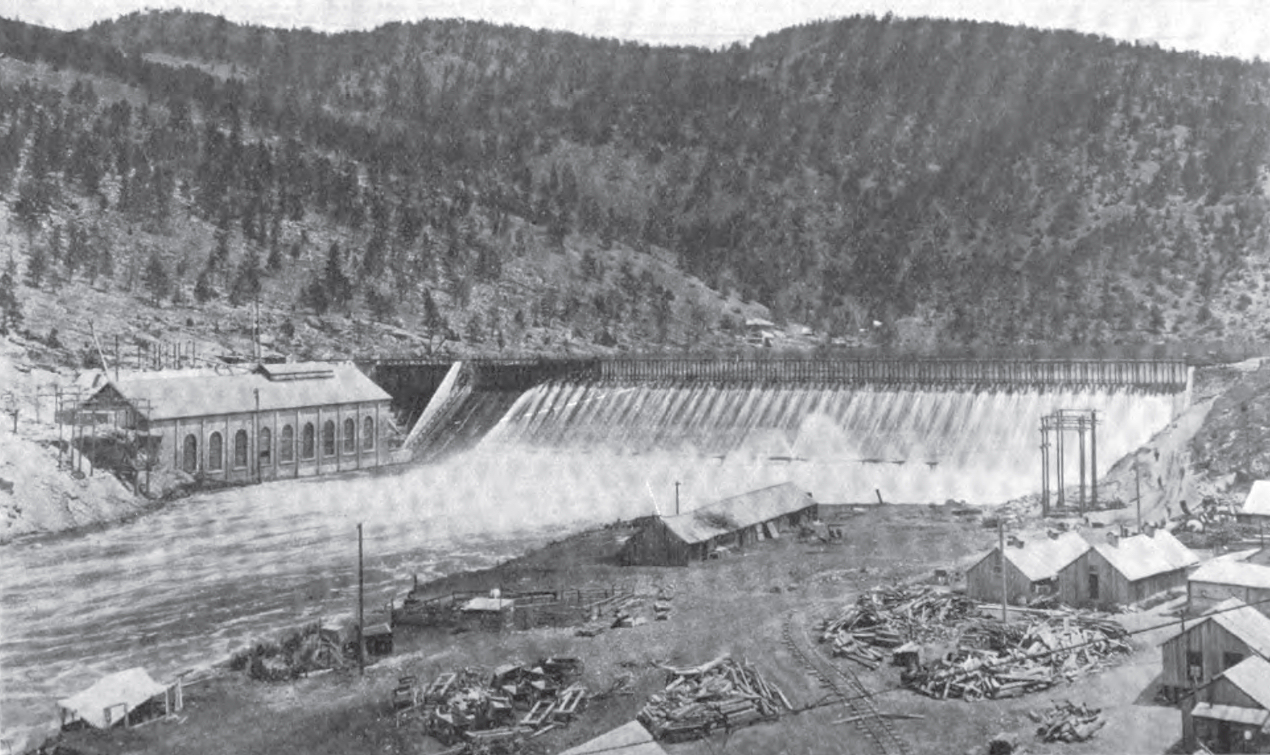
Canyon Ferry Dam (🏗️) sits at 46.648395° N, ‑111.727773° W, perched 1,158 m (3,800 ft) above sea level. Constructed as part of the massive Pick‑Sloan Missouri Basin Program, the dam was completed in the early 1950s to replace an older wooden structure that had served the region since the 1890s.
Historical Highlights
- Original Ferry Site: The dam’s name honors a 19th‑century ferry crossing that once helped pioneers navigate the Missouri River.
- Hydropower & Irrigation: Today, Canyon Ferry Dam generates clean hydroelectric power for the Helena area and supplies water for irrigation, supporting Montana’s agricultural heartland.
- Recreation Hub: The reservoir—Canyon Ferry Lake—covers more than 30,000 acres, offering fishing, boating, and camping opportunities that attract locals and tourists alike.
Why It Matters
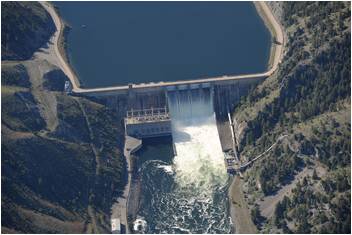
Beyond its practical functions, Canyon Ferry Dam stands as a testament to mid‑century engineering in the American West. Its concrete spillway and massive gates illustrate how human ingenuity can coexist with the raw forces of nature. For travelers, the dam provides an accessible viewpoint to appreciate the Missouri River’s power while framing the sweeping prairie and forested foothills that define Montana’s landscape.
3. How to Get There
By Car
- From Helena (the state capital): Head southeast on I‑15 for roughly 15 miles. Take the Canyon Ferry Road (MT‑279) exit, then follow the signs to the dam. The drive takes about 20‑25 minutes and offers scenic vistas of rolling hills and open sky.
- From Bozeman: Travel south on I‑90 to Helena, then follow the route above. The total distance is roughly 140 miles, a comfortable 2‑hour drive.
GPS & Coordinates
Plug the exact coordinates 46.648395, -111.727773 into any GPS device or smartphone map app for pinpoint navigation.
Parking & Access
A modest parking lot sits near the dam’s visitor overlook. The lot is free for day‑use visitors and can fill up on sunny weekends, so arriving early (especially in summer) is advisable.
4. Best Time to Visit
| Season | What to Expect | Why Visit |
|---|---|---|
| Spring (April‑May) | Snowmelt raises water levels, creating dramatic river flow and vibrant wildflowers along the banks. | Ideal for photography and bird‑watching. |
| Summer (June‑August) | Warm weather, full lake, perfect for boating, kayaking, and fishing. | Peak recreation; families love the picnic areas. |
| Fall (September‑October) | Crisper air, golden aspens, and quieter crowds. | Great for scenic drives and sunset shots over the reservoir. |
| Winter (November‑March) | Snow‑covered landscape, occasional ice‑fishing, and peaceful solitude. | Photographers capture striking contrasts; fewer visitors. |
Overall, late spring through early fall offers the most diverse activities, but each season has its own charm.
5. What to Expect
When you arrive, the first thing you’ll notice is the imposing concrete wall that stretches across the river, its spillway gates poised for release. A short, well‑maintained trail leads to an overlook platform where you can stand just a few yards from the water’s edge. From here, you’ll hear the low thrum of turbines and see the river’s steady current feeding the massive reservoir behind the dam.
Activities
- Scenic Walks: The perimeter trail (≈ 1.5 mi) loops around the dam, offering multiple viewpoints and interpretive signs that explain the dam’s construction and environmental impact.
- Fishing: Canyon Ferry Lake is stocked with trout, walleye, and bass. Anglers can cast from the shore or launch a small boat from the public ramp.
- Boating & Kayaking: The lake’s calm waters are perfect for paddle‑boarding, kayaking, or a leisurely motorboat cruise. Rental services are available in nearby Helena.
- Picnicking: Shaded picnic tables and grills sit near the overlook—ideal for a lunch break while watching the river flow beneath you.
Atmosphere
Even on a breezy day, the site feels serene. The sound of water mixing with distant wildlife—ducks, loons, and occasionally a bald eagle—creates a calming backdrop. At sunset, the dam’s silhouette glows orange against the sky, making it a favorite spot for Instagram‑worthy photos.
6. Nearby Attractions
Canyon Ferry Dam sits in a cluster of natural and engineered points of interest that are perfect for a day‑long itinerary. Below are the top nearby spots, each within a 15‑km radius:
| Attraction | Type | Distance from Dam | Quick Highlight |
|---|---|---|---|
| Spring Gulch Water Source | Spring | 2.7 km | A crystal‑clear spring ideal for a short nature walk. |
| Potter Dam | Dam | 10.2 km | Another historic Montana dam offering scenic views and fishing. |
| Helena Valley Dike | Dam | 11.8 km | A lesser‑known water‑control structure with walking trails. |
| Helena Valley Dam | Dam | 11.9 km | Provides insight into regional water management; great for photo ops. |
| Lake Helena Dam | Dam | 14.5 km | Overlooks the tranquil Lake Helena, perfect for bird‑watching. |
All attractions are reachable by a short drive on paved roads. For more details, check the individual Wikipedia pages or local tourism sites.
7. Travel Tips
- Check Water Levels: The Missouri River’s flow can fluctuate seasonally. A quick call to the U.S. Army Corps of Engineers – Helena District (or a glance at their website) will confirm current lake conditions, especially if you plan water activities.
- Dress in Layers: Even summer afternoons can turn chilly near the water, and evenings drop quickly in the mountains. Pack a light jacket.
- Bring Binoculars: The dam’s location attracts raptors and waterfowl. A pair of binoculars enhances wildlife spotting.
- Respect the Environment: Stay on marked trails, pack out all trash, and observe any posted signage about water safety or dam operations.
- Parking Fees: There are no entrance fees for the dam itself, but nearby recreation areas (e.g., boat ramps) may charge a modest daily permit. Have cash or a credit card handy.
- Timing for Photos: Early morning (sunrise) and late afternoon (golden hour) provide the best lighting for the dam’s concrete façade and the surrounding landscape.
- Combine with Helena: The state capital is only a short drive away. Consider spending a night in Helena to explore its historic downtown, the Montana State Capitol, and local dining before or after your dam visit.
Bottom Line
Canyon Ferry Dam may not have the fame of Montana’s Glacier National Park, but it offers a rich blend of history, engineering marvel, and natural beauty that makes it a must‑see for any traveler exploring the Helena Valley. From the dramatic river views and recreational opportunities to the nearby cascade of dams and springs, a visit here feels like stepping into a living textbook of the American West—one that you can experience firsthand, camera in hand, and a sense of adventure in your heart.
Pack your day bag, hit the road, and let Canyon Ferry Dam become a highlight of your Montana itinerary. Safe travels!