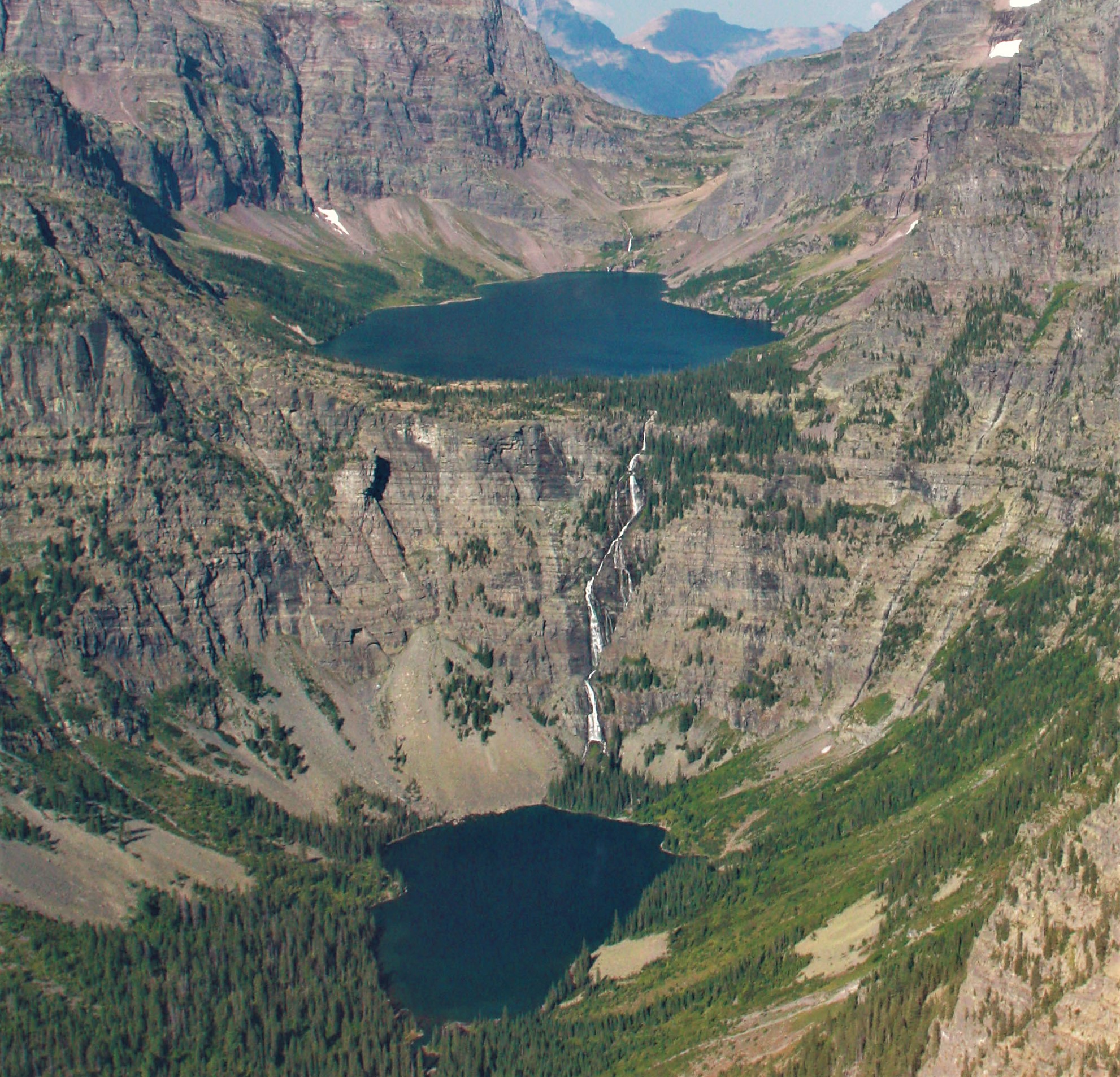
Beaver Chief Falls – Montana’s Hidden Waterfall Gem
Discover the serene cascade tucked in the heart of Columbia Falls, Montana, and why it belongs on every nature‑lover’s itinerary.
Introduction
If you’ve ever chased the roar of a waterfall through the Rocky Mountains, you know the thrill of stumbling upon a secret that feels almost private. Nestled at an altitude of 1,604 m above sea level, Beaver Chief Falls offers exactly that—a quiet, mist‑kissed oasis just outside the bustling town of Columbia Falls, Montana. While it may not boast a recorded height, its crystal‑clear plunge and surrounding alpine scenery make it a standout destination for photographers, hikers, and anyone seeking a moment of tranquility in the wild. In this guide, we’ll dive into everything you need to know to experience Beaver Chief Falls like a local explorer.
About Beaver Chief Falls
A Snapshot
- Name: Beaver Chief Falls
- Type: Waterfall 🌊
- Location: Columbia Falls, Montana, United States
- Coordinates: 48.593906, ‑113.764392
- Altitude: 1,604 m (5,262 ft) above sea level
- Height: Not officially recorded
Beaver Chief Falls sits within the Columbia River watershed, feeding the larger river system that defines western Montana’s rugged terrain. The waterfall’s name pays homage to the region’s Native American heritage, reflecting the deep cultural ties that local tribes have with the land and its waterways. Though the exact story behind the name isn’t widely documented, the moniker evokes the spirit of the beaver, an animal historically vital to the area’s ecosystem and early trade routes.
Historical Significance
Montana’s waterfalls have long served as natural landmarks for indigenous peoples, trappers, and early settlers. While Beaver Chief Falls may not appear in major historical texts, its presence on early topographic maps underscores its role as a geographic reference point for explorers navigating the Flathead Valley. Today, the falls are part of a growing network of protected natural sites that contribute to the state’s reputation for pristine outdoor recreation.
How to Get There
By Car
- Start in Columbia Falls – From downtown, head north on U.S. Route 2 toward the U.S. Forest Service road that leads into the Flathead National Forest.
- Turn onto Forest Road 540 – After about 3 miles, look for a well‑marked gravel turnoff (signage reads “Beaver Chief Falls Trailhead”).
- Parking – A small pull‑out parking area sits at the trailhead. Space is limited, especially on weekends, so arrive early (7 – 8 am) for a guaranteed spot.
By Public Transport
Montana’s intercity bus services stop in Columbia Falls, but there is no direct public transit to the falls. The most convenient option is to rent a car or join a guided day‑tour that includes transportation from the town center.
On Foot
The trail from the parking lot to the cascade is a moderate, unpaved path that winds through mixed conifer forest. Expect a gentle ascent of roughly 200 m over 1.5 km. The route is well‑marked with cairns and occasional interpretive signs about local flora and fauna.
Best Time to Visit
| Season | Conditions | Why Visit |
|---|---|---|
| Spring (April‑June) | Snowmelt swells the flow, creating a robust, frothy cascade. Trails may be muddy but are generally passable. | Ideal for photographers chasing the dramatic “water‑in‑spring” look. |
| Summer (July‑August) | Warm days, longer daylight hours, and comfortable trail footing. Water volume steadies. | Perfect for families and hikers seeking a leisurely day hike. |
| Fall (September‑October) | Brilliant foliage (aspen gold, spruce green) frames the falls. Water flow begins to taper. | Offers spectacular color contrast and fewer crowds. |
| Winter (November‑March) | Snow and ice may blanket the trail; the falls can freeze into an icy sculpture. Access is limited. | For adventurous winter trekkers equipped for snowshoeing or backcountry skiing. |
Peak visitation occurs from late June through early September, when the weather is most predictable. If you prefer solitude, aim for early May or late September.
What to Expect
The Sights & Sounds
Approaching Beaver Chief Falls, you’ll first notice the gentle rustle of pine needles before the sound of rushing water crescendos. The cascade drops into a shallow, crystal‑clear pool that reflects the surrounding alpine meadows and distant mountain peaks. Sunlight often creates a shimmering veil of mist, perfect for long‑exposure photography.
Wildlife
The area is a haven for bald eagles, pike trout (in the downstream river), and a variety of songbirds. Keep an eye out for rocky mountain goats navigating the higher ridges—though they rarely descend to the falls themselves, they add to the sense of wilderness.
Trail Experience
The path is well‑maintained but natural; expect occasional roots and loose stones. Benches made from reclaimed logs are placed at scenic pull‑outs, offering spots to rest and soak in the view. Signage explains the local geology—primarily sedimentary rock formations shaped by glacial activity thousands of years ago.
Nearby Attractions
While Beaver Chief Falls is a highlight on its own, the surrounding region boasts several other waterfalls and natural sites that make for an unforgettable day trip.
| Attraction | Distance | Why Visit |
|---|---|---|
| Feather Woman Falls | 2.3 km | A delicate tiered cascade set in a shaded canyon—great for a quick side‑hike. |
| Unnamed Waterfall #1 | 2.5 km | A hidden plunge that rewards the curious explorer with a quiet pool. |
| Unnamed Waterfall #2 | 2.5 km | Offers a dramatic rock face perfect for rock‑climbing enthusiasts. |
| Beaver Medicine Falls | 2.6 km | Known for its medicinal‑plant-rich surroundings and soothing ambience. |
| Akaiyan Falls | 2.7 km | A series of cascading steps that create a natural “staircase” of water. |
All of these sites are reachable via short connecting trails from the Beaver Chief Falls trailhead, making it easy to create a waterfall loop that satisfies both casual walkers and avid hikers.
Travel Tips
- Pack Light, Pack Smart – A daypack with water, snacks, a waterproof jacket, and a small first‑aid kit is sufficient. Trailhead signage indicates no potable water at the falls.
- Footwear Matters – Sturdy hiking boots with good ankle support are recommended, especially during early spring when the trail can be slick.
- Leave No Trace – Carry out all trash, stay on marked paths, and avoid disturbing wildlife. The area’s pristine condition relies on responsible visitor behavior.
- Photography Gear – A tripod and neutral‑density filter will help you capture silky‑smooth water during bright daylight. Early morning light offers the softest shadows.
- Check Weather & Road Conditions – The Flathead National Forest road can be closed after heavy snowfall or during severe storms. The U.S. Forest Service website provides real‑time updates.
- Guided Tours – Several local outfitters in Columbia Falls offer guided waterfall tours that include transport, interpretive talks, and safety briefings—ideal for first‑time visitors.
- Safety First – While the falls are generally safe to approach, the pool at the base can be deep and cold. Swim at your own risk and keep children supervised.
Wrap‑Up
Beaver Chief Falls may be a modest name on the map, but its quiet charm, alpine backdrop, and proximity to other spectacular waterfalls make it a must‑see destination for anyone traveling through western Montana. Whether you’re chasing the perfect sunrise shot, seeking a peaceful spot for a picnic, or simply yearning to hear the soothing roar of water in the mountains, this hidden cascade delivers an unforgettable experience.
Pack your boots, hit the trail, and let the mist of Beaver Chief Falls refresh your spirit—Montana’s natural masterpiece awaits.
Keywords: Beaver Chief Falls, waterfall Montana, Columbia Falls travel, Flathead National Forest waterfalls, Montana hiking guide, best time to visit Beaver Chief Falls, nearby waterfalls, waterfall loop Montana.