Discover Big Spring, Missouri – A Hidden 1st‑Magnitude Water Wonder
If you’re chasing crystal‑clear waters, lush forests, and the quiet charm of the Ozarks, Big Spring in Van Buren, Missouri, should be at the top of your itinerary. This 1st‑magnitude spring gushes an astonishing 286 million gallons of water each day, creating a natural spectacle that’s both powerful and peaceful.
1. Introduction
Imagine standing on the banks of a spring so prolific that it rivals the flow of a small river, yet the water is as gentle as a mountain stream. That’s Big Spring – a hidden gem tucked away in the rolling hills of southeastern Missouri. Whether you’re a nature photographer, a kayaking enthusiast, or simply a traveler who loves to soak up unique natural sites, Big Spring offers a serene backdrop that feels worlds away from the hustle of city life.
“The sheer volume of water pouring from the spring’s mouth is a reminder of the hidden forces that shape the Ozark landscape.” – Local ranger
In this guide, we’ll explore everything you need to know to make the most of your visit: from the spring’s fascinating geology to practical tips for getting there, the best seasons to explore, and nearby attractions that round out a perfect day trip.
2. About Big Spring
What Makes It Special?
Big Spring is classified as a 1st‑magnitude spring, the highest rank in the spring‑size hierarchy used by hydrologists. Its discharge ranges from 7 to 57 cubic metres per second, which translates to an average daily flow of 286 million gallons. This impressive output makes it one of the most productive springs in Missouri and a critical component of the local watershed.
A Brief History
The spring has long been a landmark for the residents of Van Buren and surrounding communities. While detailed historical records are scarce, the spring’s consistent flow has supported early settlers, provided water for agriculture, and served as a natural gathering spot. Today, it remains a point of pride for the region, celebrated for its ecological importance and scenic beauty.
Environmental Significance
Big Spring feeds into the larger network of Ozark waterways, helping sustain habitats for a variety of fish, amphibians, and riparian plants. Its clear, cool water creates ideal conditions for species such as the Ozark cavefish and several endemic invertebrates. Conservation groups monitor the spring’s flow and water quality to ensure that this natural treasure remains pristine for future generations.
3. How to Get There
By Car
- Starting Point: Most visitors travel from St. Louis (≈ 170 km) or Memphis (≈ 210 km).
-
Directions:
1. Take I‑55 South toward Poplar Bluff.
2. Exit onto US‑61 South toward Sikeston.
3. Turn left onto MO‑34 West (also known as Van Buren Road).
4. Follow the signs for Van Buren; the spring is located just outside town, near the coordinates 36.952187, -90.994322. -
Parking: A small, free parking lot sits adjacent to the spring’s viewing platform. Space is limited during peak weekends, so arrive early if you can.
By Public Transportation
Regional bus services (e.g., Greyhound) stop in Van Buren. From the bus depot, a short taxi or ride‑share ride (≈ 5 minutes) will drop you off at the spring.
Accessibility
The main trail to the viewing area is wheelchair‑friendly, with a gently graded path and railings for safety.
4. Best Time to Visit
| Season | Highlights | Why Visit |
|---|---|---|
| Spring (Mar‑May) | Fresh growth, abundant wildlife, cooler temps | Water flow is typically at its peak after winter melt, creating dramatic misty vistas. |
| Summer (Jun‑Aug) | Warm water for a quick dip, vibrant foliage | Early mornings are pleasant; afternoon heat can be mitigated by the spring’s cool breeze. |
| Fall (Sep‑Nov) | Brilliant orange‑red foliage, calm waters | Lower visitor numbers and crisp air make for serene photography sessions. |
| Winter (Dec‑Feb) | Frost‑kissed rocks, quiet solitude | While flow may dip slightly, the spring’s steady discharge keeps it unfrozen—perfect for peaceful contemplation. |
Peak visitation tends to occur in late spring and early fall, when weather is mild and the surrounding forest is at its most colorful.
5. What to Expect
The Visual Experience
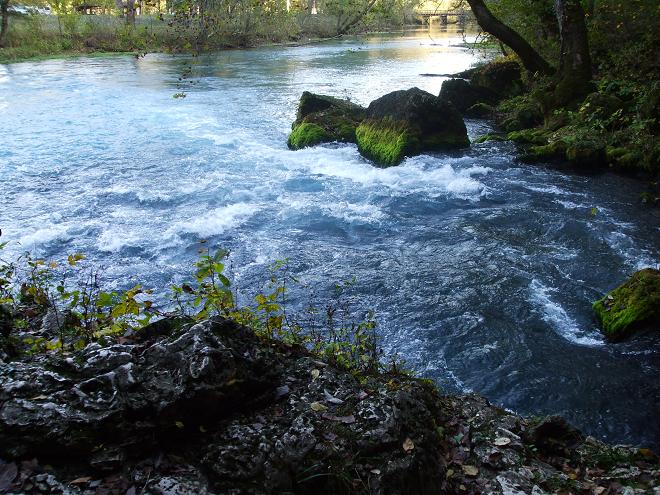
As you approach the spring, you’ll hear a low‑rumble that grows louder with each step. The water bursts from a natural fissure in limestone, forming a turquoise‑blue pool that mirrors the sky. Mist rises in delicate ribbons, especially on breezy days, creating a photogenic halo around the spring’s mouth.
Activities
- Photography: The contrast of clear water against moss‑covered rocks makes for stunning macro shots.
- Birdwatching: Look up! The surrounding canopy attracts warblers, woodpeckers, and occasional hawks.
- Light Hiking: A short loop trail circles the spring, offering viewpoints from different angles.
- Educational Visits: Local schools sometimes organize field trips focused on hydrology and ecology; the spring’s steady flow makes it an excellent outdoor classroom.
Facilities
- Restrooms: Portable toilets are available near the parking area.
- Picnic Tables: A few benches and tables sit under a canopy of oak trees—ideal for a quick snack.
- Interpretive Signage: Brief panels explain the spring’s magnitude, geology, and wildlife.
6. Nearby Attractions
If you have a full day (or a weekend) to explore the Ozarks, combine your Big Spring visit with these nearby points of interest. All distances are road miles from the spring.
-
Neil Land Development Corporation South Dam – 7.1 km
A modest dam offering fishing spots and a quiet shoreline.
More info → -
Neil Land Development Corporation North Dam – 8.4 km
Great for kayaking enthusiasts looking for gentle paddling waters.
More info → -
Mint Spring – 10.3 km
Another pristine spring with a charming walking trail.
More info → -
Hill and Dale West Dam – 11.6 km
Scenic views of the reservoir and surrounding hills—perfect for sunset photography.
More info → -
Hill and Dale East Dam – 11.7 km
A quieter counterpart to the West Dam, ideal for picnics and birdwatching.
More info →
Tip: Pack a lunch and make a loop: start at Big Spring, head north to the Neil Land Dams, swing east to Hill and Dale, and finish with a refreshing dip at Mint Spring before heading back.
7. Travel Tips
| Tip | Details |
|---|---|
| Arrive Early | Parking fills up quickly on weekends, especially in spring and fall. |
| Dress in Layers | The spring’s mist can be cool even on warm days; a light jacket is advisable. |
| Bring Water‑Resistant Footwear | The trail can be slippery where water splashes onto rocks. |
| Leave No Trace | Pack out all trash; the spring’s ecosystem is delicate. |
| Check Flow Reports | Local ranger stations post daily discharge numbers online—great for hydrology buffs. |
| Use a Polarizing Filter | If you’re photographing, a polarizer reduces glare on the water’s surface. |
| Respect Wildlife | Keep a safe distance from nesting birds and avoid disturbing amphibians. |
| Mobile Connectivity | Service can be spotty; download maps offline before you go. |
| Seasonal Gear | In winter, bring a thermos of hot tea and a blanket for a cozy viewing experience. |
| Safety First | While the water is generally calm, never swim alone and watch for sudden depth changes near the spring’s outlet. |
Final Thoughts
Big Spring may not have the fame of larger national parks, but its 1st‑magnitude flow, tranquil setting, and easy accessibility make it a standout destination for anyone traveling through Missouri’s Ozark region. Pair it with nearby dams, additional springs, and the rustic charm of Van Buren, and you’ve got a day (or a weekend) packed with natural beauty, outdoor recreation, and peaceful moments that linger long after you leave.
Ready to add Big Spring to your travel bucket list? Pack your camera, lace up your hiking shoes, and let the rhythmic roar of 286 million gallons of water guide you to one of Missouri’s best‑kept secrets.
Keywords: Big Spring Missouri, 1st magnitude spring, Van Buren travel, Ozark springs, Missouri attractions, spring discharge, outdoor activities Missouri, best time to visit Big Spring, nearby dams Missouri.