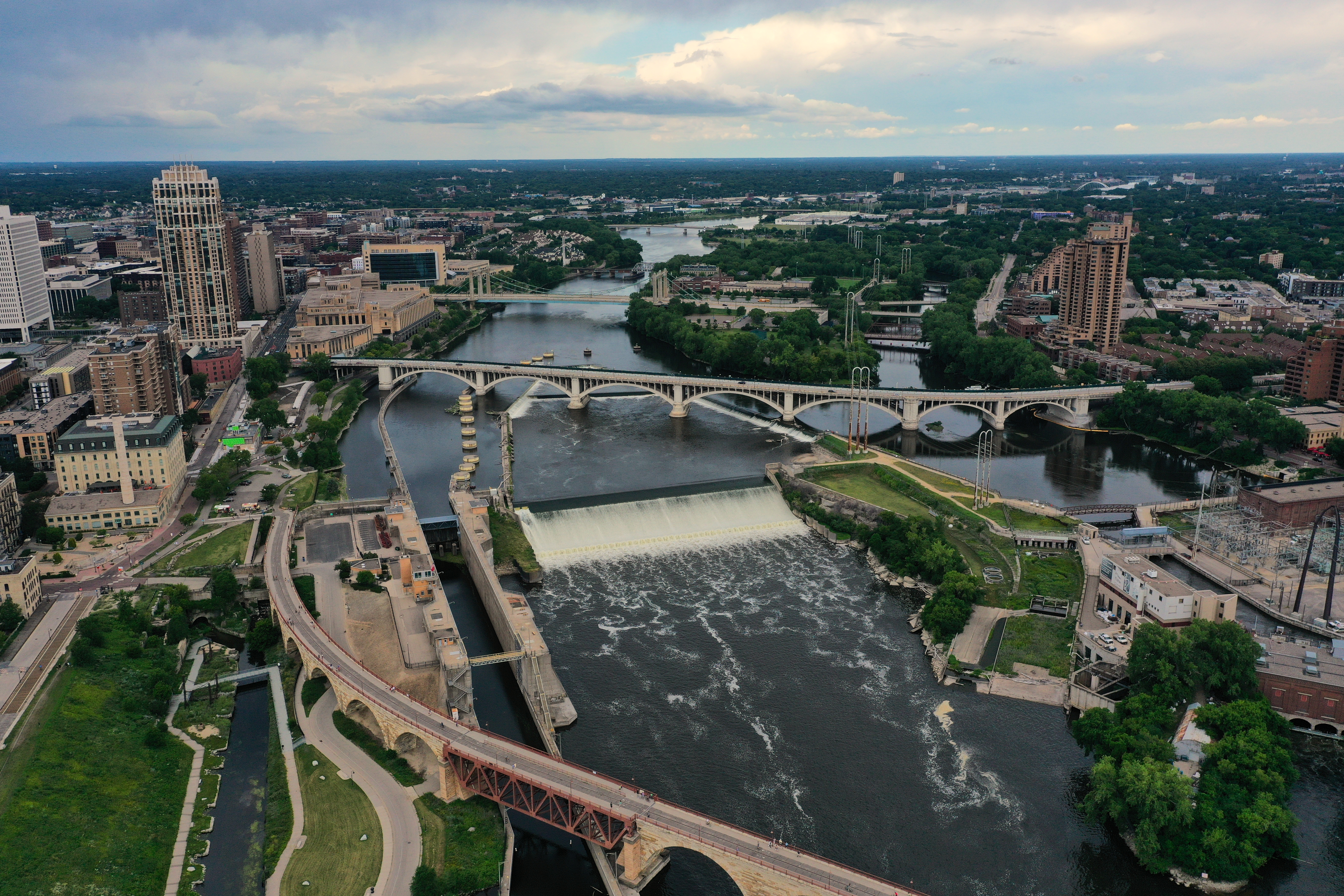
Saint Anthony Falls – Minneapolis’s Historic River Weir
Your ultimate travel guide to Minnesota’s iconic water‑powered landmark
Introduction
Imagine standing on the banks of the mighty Mississippi, feeling the mist on your face as a rush of water tumbles over a historic drop. That’s the experience at Saint Anthony Falls, the only natural waterfall‑turned‑weir on the river’s main stem. Nestled in the heart of Minneapolis, Minnesota, this landmark is more than just a pretty sight—it’s a living piece of American industrial heritage, a photographer’s dream, and a perfect spot for a quick urban nature escape. Whether you’re a history buff, an outdoor enthusiast, or simply looking for a unique backdrop for your next Instagram post, Saint Anthony Falls should be high on your Minnesota travel list.
About Saint Anthony Falls
What is a weir?
A weir is a low dam built across a river to control water flow and create a manageable drop. Saint Anthony Falls began its life as a natural waterfall, but after a series of collapses in the 19th century, engineers replaced the falling rock with a concrete weir that still channels the Mississippi’s powerful current today.
A brief history
- Early Native American significance – Long before European settlers arrived, the falls were a crucial fishing and gathering site for the Dakota people.
- First European sighting – In the early 1800s, French explorer Father Louis Hennepin documented the falls, naming them after Saint Anthony of Padua.
- Industrial catalyst – The 1850s saw the construction of the first water‑powered mills along the falls, turning Minneapolis into the “Flour Milling Capital of the World.” The falls powered the iconic Washburn‑Avery and General Mills mills that still dominate the skyline.
- The 1869 collapse – A massive rock slide destroyed the original natural cascade. Engineers quickly built a concrete weir to preserve the water drop and keep the mills running.
- Modern era – Today, the weir is part of the St. Anthony Falls Historic District, a protected area that celebrates the city’s industrial roots while offering public access to the river’s edge.
Why it matters
Saint Anthony Falls is more than a scenic spot; it’s a cultural landmark that shaped Minneapolis’s growth. The controlled water flow still powers a small hydroelectric plant, providing clean energy to the city. Its presence also anchors the Mississippi Riverfront, a vibrant corridor of parks, museums, and restaurants that attract locals and tourists alike.
How to Get There
| Mode of Transport | Directions | Approx. Time |
|---|---|---|
| By Car | From downtown Minneapolis, take I‑94 E toward the University of Minnesota. Exit at Washington Ave N and follow signs to St. Anthony Falls. Parking is available at the Mill City Museum lot (pay‑by‑hour) and at several street‑side meters. | 5–10 min |
| Public Transit | Metro Transit Bus 5 (University) stops within a two‑minute walk of the falls. Light Rail (Blue Line) to U of M station, then a short walk north on Washington Ave. | 15 min |
| Bike/Walk | Minneapolis is one of the most bike‑friendly cities in the U.S. Ride the Grand Rounds Scenic Byway or the Mississippi River Trail (MRT) directly to the falls. The path is flat, well‑marked, and offers spectacular river views. | 10–20 min from downtown |
| Ride‑Share | Uber/Lyft drop‑offs are allowed at the Mill City Museum entrance (address: 704 S 2nd St). | 5 min |
Coordinates: 44.982146, ‑93.257757 – plug these into any GPS app for pinpoint accuracy.
Best Time to Visit
| Season | What to Expect | Why It’s Ideal |
|---|---|---|
| Spring (April–May) | Water levels rise, creating a fuller, more dramatic flow. Wildflowers line the riverbanks. | Perfect for photography and bird‑watching. |
| Summer (June–August) | Warm weather, longer daylight hours, and a bustling riverfront with festivals. | Ideal for picnics, paddle‑boarding, and evening strolls. |
| Fall (September–October) | Crisp air, golden foliage, and lower river traffic. | Great for scenic walks and quieter exploration. |
| Winter (November–March) | The falls may be partially iced over, offering a serene, almost otherworldly view. | Best for photographers seeking dramatic contrasts; nearby cafés provide cozy warm‑up spots. |
Pro tip: The St. Anthony Falls Festival (usually held in early June) showcases live music, local food trucks, and historical reenactments—perfect for families.
What to Expect
When you arrive, you’ll be greeted by the steady roar of the Mississippi as it spills over the concrete weir. The area is well‑maintained, with paved walkways, interpretive signage, and several viewing platforms that let you get up close without getting wet.
- Historical markers explain the falls’ role in Minneapolis’s flour‑milling boom.
- The Mill City Museum sits just a block away, offering interactive exhibits on the falls, the river, and the city’s industrial past.
- River cruises depart from the nearby dock, providing a narrated tour that highlights the falls from the water.
- Wildlife: Keep an eye out for river otters, bald eagles, and the occasional beaver dam upstream.
Because the falls are a weir rather than a free‑falling waterfall, the water is more controlled and less likely to spray onto visitors—making it comfortable for families with small children.
Nearby Attractions
While Saint Anthony Falls is the star, the surrounding riverfront is packed with additional points of interest—all within a short walk (0.1–0.3 km).
- Saint Anthony Falls (waterfall) – The historic natural cascade that preceded the weir, commemorated with plaques and a small viewing niche.
- [Weir #1 – 0.1 km away] – Another small weir used historically for mill operations; accessible via a side trail off Washington Ave.
- [Weir #2 – 0.2 km away] – Located near the U of M’s campus, this structure offers a quieter spot for reflection.
- [Weir #3 – 0.3 km away] – Adjacent to the Mississippi River Trail, perfect for cyclists looking for a quick photo stop.
- [Weir #4 – 0.3 km away] – Near the Mill City Museum’s outdoor exhibit, showcasing historic mill machinery.
(Note: The weirs listed above are part of the historic river infrastructure and are publicly accessible.)
Other must‑see spots within a 10‑minute walk:
- Mill City Museum – Hands‑on history of the flour milling era.
- Stone Arch Bridge – A historic railroad bridge turned pedestrian walkway with sweeping river vistas.
- Nicollet Island/Harriet Island Park – Lush green space ideal for picnics and riverfront yoga.
- U.S. Bank Stadium – For sports fans, catch a Vikings game or a concert.
Travel Tips
- Dress in layers – Minnesota weather can shift quickly, especially near the water.
- Bring a reusable water bottle – There are water fountains at the Mill City Museum and nearby parks.
- Parking – Arrive early on weekends; the Mill City lot fills up fast. Consider using a bike‑share or the Metro Transit system to avoid traffic.
- Photography – The best light is early morning (golden hour) or late afternoon. Use a polarizing filter to reduce glare on the water.
- Safety – Stay behind the railings on the viewing platforms. The river’s current is strong, even when the water looks calm.
- Food – Grab a bite at the Mill City Café or explore the food trucks that line Washington Ave during the summer months.
- Accessibility – The main pathways are wheelchair‑friendly, and the museum offers tactile exhibits for visually impaired visitors.
- Combine with a river cruise – Several operators offer 30‑minute tours that depart from the St. Anthony Falls dock; tickets can be purchased on‑site or online.
Wrap‑Up
Saint Anthony Falls isn’t just a weir—it’s a living testament to Minneapolis’s rise from a modest river town to an industrial powerhouse, and now to a vibrant, culture‑rich city that honors its past while looking forward. Whether you’re snapping photos of the cascading water, delving into mill‑era history at the nearby museum, or simply enjoying a leisurely stroll along the Mississippi River Trail, this landmark offers a uniquely Minnesotan experience that’s both educational and awe‑inspiring.
Plan your visit, pack your sense of adventure, and let the roar of the falls remind you that even in a modern city, nature and history can flow together in perfect harmony.
Keywords: Saint Anthony Falls, Minneapolis attractions, Minnesota travel guide, weir, Mississippi River, Mill City Museum, riverfront park, things to do in Minneapolis, historic waterfall, outdoor activities Minnesota
