Introduction
If you’re wandering the historic streets of Boston and stumble upon a whimsical, water‑spouting tableau of tiny sea‑gods, you’ve found one of the city’s best‑kept secrets: Triton Babies Fountain. Tucked away near the bustling heart of the city, this charming 1‑meter‑high bronze sculpture invites travelers to pause, snap a photo, and soak in a slice of Boston’s rich public‑art heritage. Whether you’re a first‑time visitor mapping out a Boston travel itinerary or a local looking for a fresh photo‑op, the Triton Babies Fountain is a delightfully off‑the‑beaten‑path spot that adds a splash of wonder to any day in Beantown.
About Triton Babies Fountain
Description
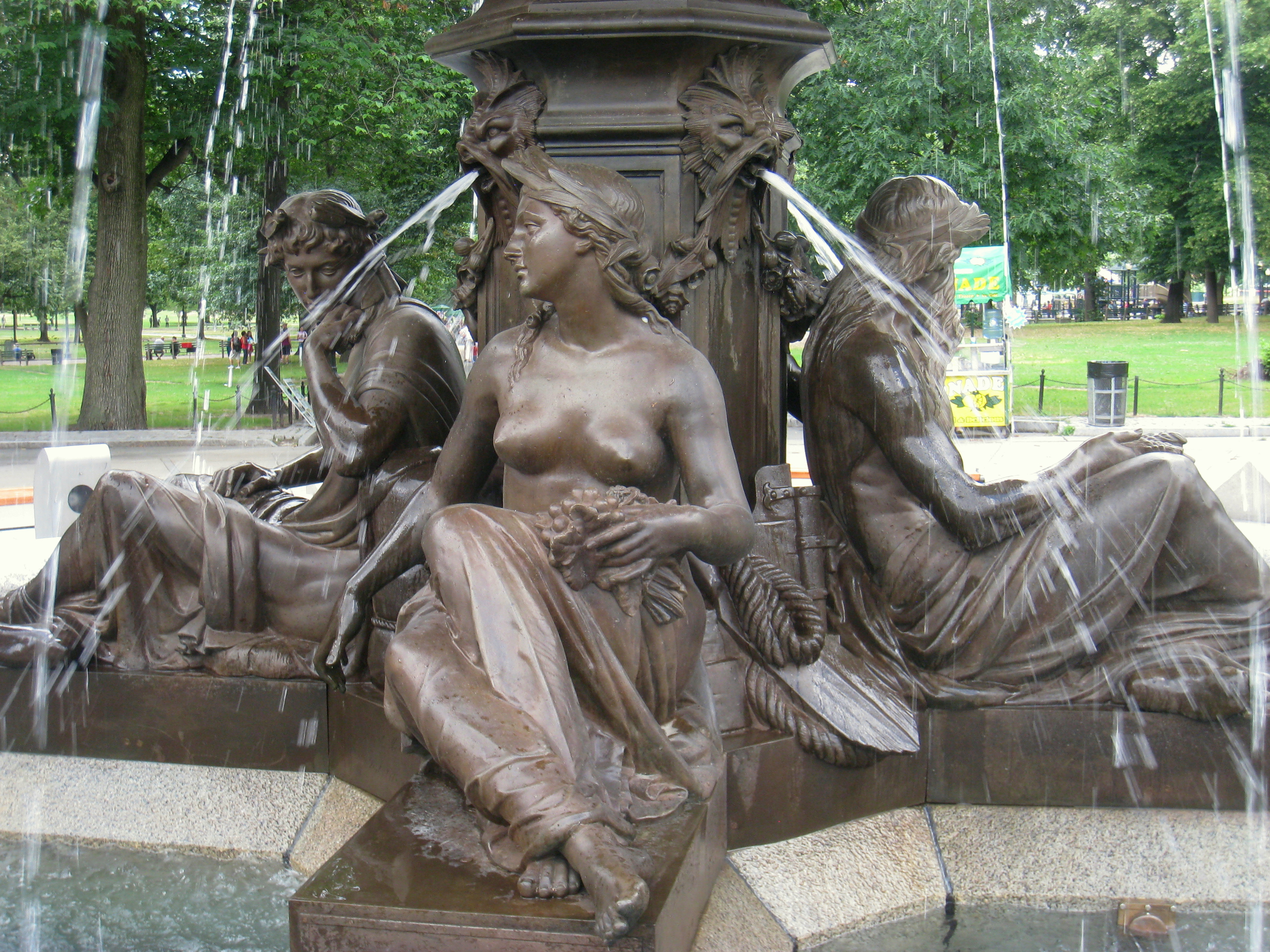
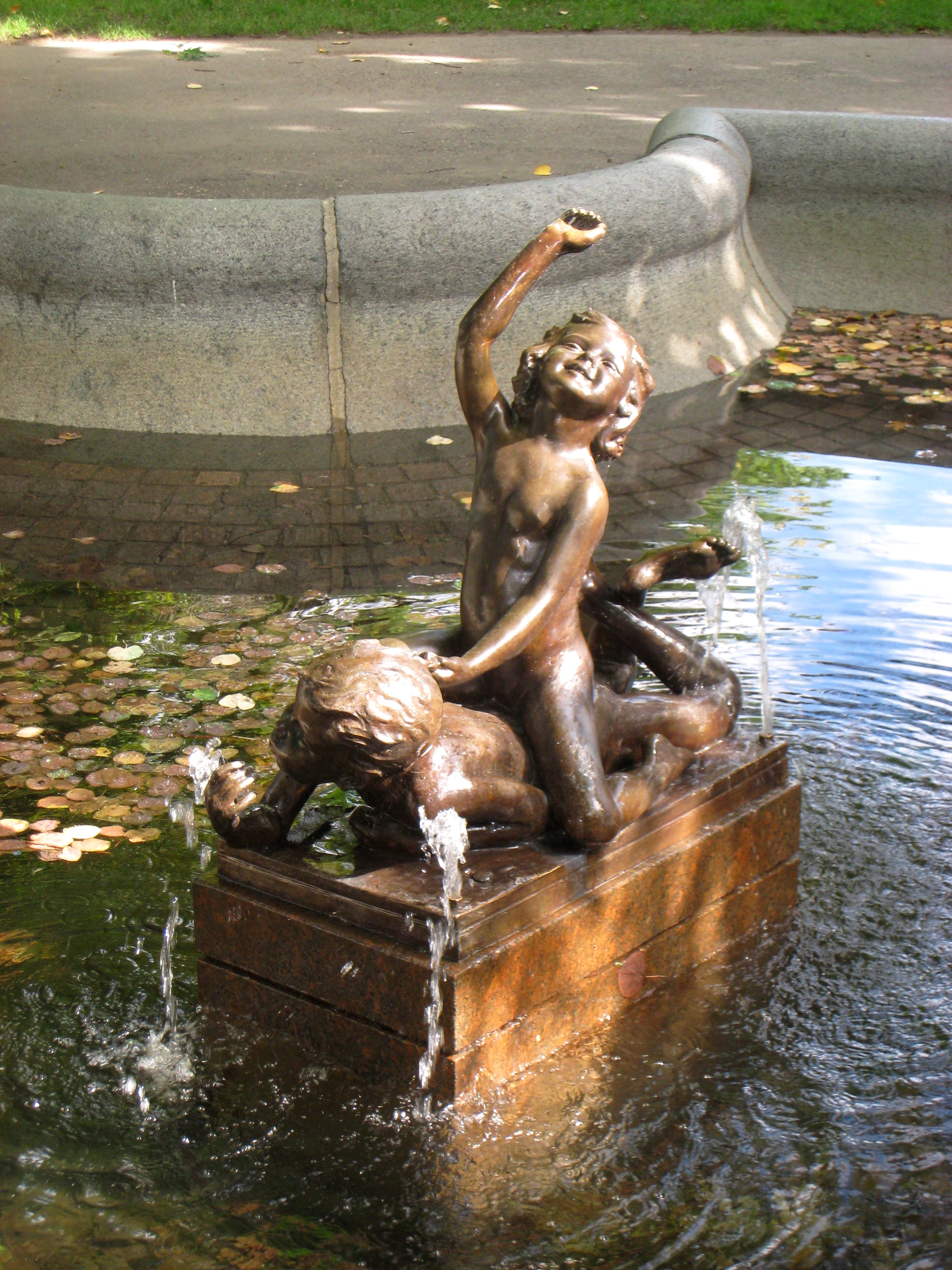
The Triton Babies Fountain (coordinates 42.354655, ‑71.069473) is a petite, bronze fountain featuring two playful Triton figures—mythical sons of the sea god Poseidon—each holding a conch that streams water into a shallow basin. Standing at just 1 meter tall, the sculpture’s modest size makes it feel intimate, encouraging visitors to get up close and admire the fine detailing of the tridents, flowing drapery, and mischievous expressions. The gentle cascade of water adds a soothing soundtrack to the surrounding urban buzz, making it a perfect spot for a quick meditation or a selfie with a splash of Boston history.
History & Significance
While the exact installation date isn’t listed in the public record, the fountain is part of Boston’s broader effort to embed art into everyday public spaces. Its mythological theme reflects the city’s longstanding love for classical motifs, echoing the academic atmosphere of nearby institutions such as Boston University and the Massachusetts Institute of Technology. As a piece of Boston public art, the Triton Babies Fountain serves both an aesthetic and functional role—beautifying the streetscape while providing a refreshing water feature for pedestrians.
The fountain’s presence also underscores Boston’s commitment to preserving small‑scale sculptures that might otherwise be overlooked amid larger monuments. By celebrating the playful spirit of the Triton children, the artwork reminds us that even in a city known for its revolutionary past and towering skylines, there’s always room for a little mythic mischief.
How to Get There
By Public Transportation
- Subway (MBTA): The nearest T stop is Park Street Station (Red and Green Lines). From there, walk east on Beacon Street for about 8 minutes (≈0.6 km) until you reach the fountain’s coordinates.
- Bus: The 66 (Harvard Square‑Boston College) and 1 (Harvard‑Harbor) routes both stop within a block of the site. Look for the “Beacon St @ Charles St” stop.
By Car
- Parking: Street parking is available on Beacon Street, but be mindful of Boston’s residential permit zones and time‑limited meters. For a guaranteed spot, use the Boston Common Garage (0.4 km away) and walk the short distance to the fountain.
- Navigation: Input the coordinates 42.354655, -71.069473 into your GPS for a pinpoint arrival.
By Bike or On Foot
Boston’s compact layout makes the Triton Babies Fountain an excellent walking or biking destination. The Boston Bike Share system has stations at the nearby Boston Common and Copley Square, both within a 5‑minute ride. The route is flat and lined with historic brick sidewalks, perfect for a leisurely stroll.
Best Time to Visit
| Season | Why It Works | Tips |
|---|---|---|
| Spring (April‑May) | Blooming trees along Beacon Street create a vibrant backdrop, and the water flow is lively after the winter thaw. | Arrive early on weekdays to avoid the campus crowds. |
| Summer (June‑August) | Longer daylight hours let you enjoy the fountain’s sparkle well into the evening. | Bring a reusable water bottle—Boston’s tap water is safe to drink. |
| Fall (September‑October) | The golden foliage adds a warm, photogenic glow, and the cooler air makes the mist from the fountain feel refreshing. | Capture sunset shots; the fountain reflects the amber light beautifully. |
| Winter (November‑March) | While the water may be turned off for frost protection, the surrounding architecture takes on a quiet, historic charm. | Check the city’s maintenance schedule; the fountain may be illuminated for holiday events. |
Overall, late spring to early fall offers the most vibrant experience, with the water feature fully operational and the surrounding streets buzzing with activity.
What to Expect
When you arrive at the Triton Babies Fountain, you’ll be greeted by a small plaza framed by historic brick facades and leafy trees. The fountain’s bronze Triton figures are positioned as if caught mid‑play, their conches spouting a gentle, continuous stream that creates a soft, rhythmic sound—ideal for background ambiance in photos or a brief moment of calm.
Because the sculpture is only a meter tall, you can walk right up to it, feel the cool mist on your skin, and even sit on the low stone ledge that encircles the basin. The area is well‑maintained, with regular cleaning and occasional lighting that highlights the bronze patina after dusk. You’ll often see locals lounging, reading, or chatting, making it a lively yet relaxed micro‑community hub.
The fountain’s location also places you within walking distance of several cafés, boutique shops, and historic sites, so you can easily combine a quick art stop with a coffee break or a stroll through Boston’s historic districts.
Nearby Attractions
While you’re in the vicinity, consider exploring these other charming fountains and public artworks—all within a short walk:
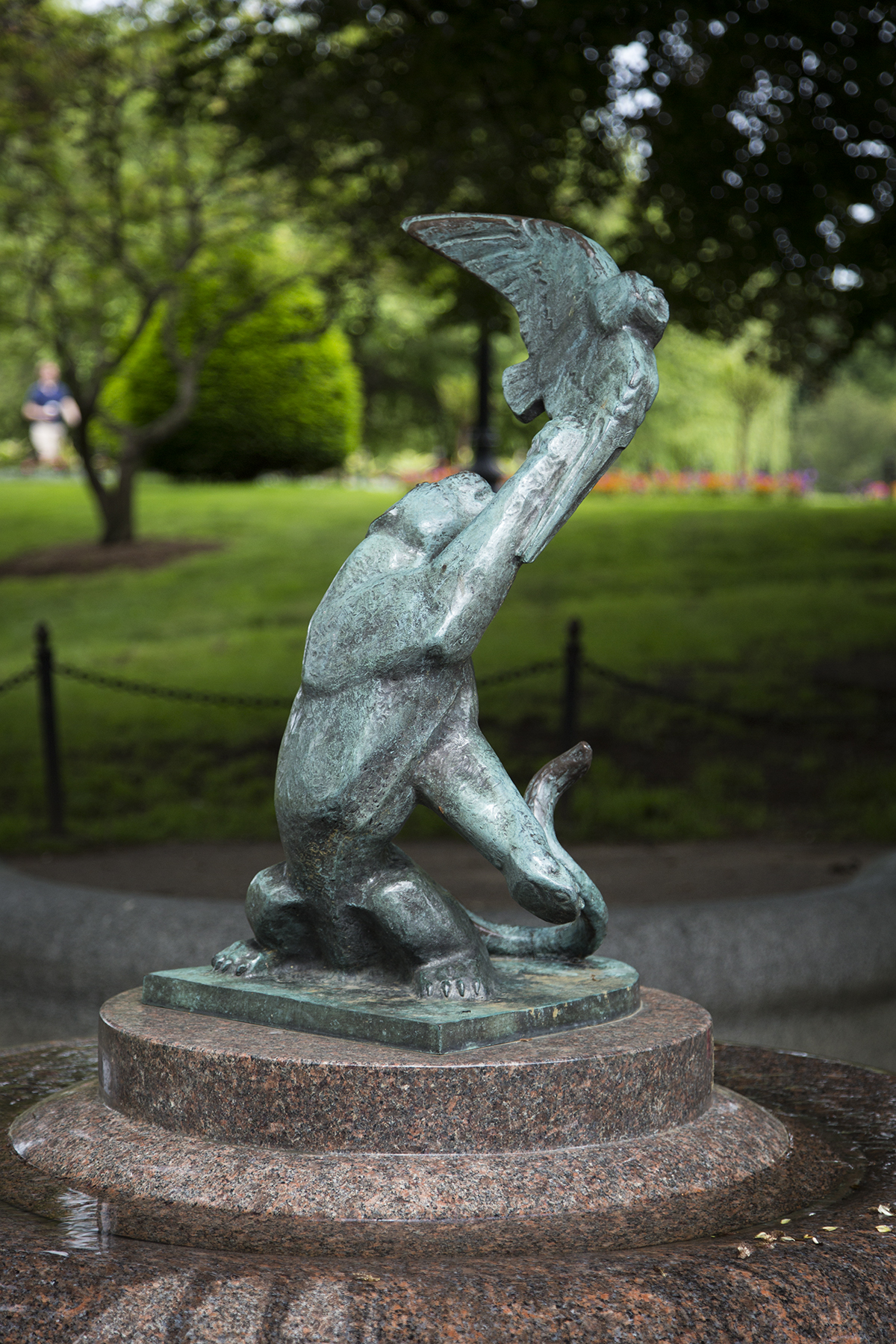
- Bagheera Fountain – Only 0.1 km away, this sculpture celebrates the sleek black panther from Rudyard Kipling’s The Jungle Book.
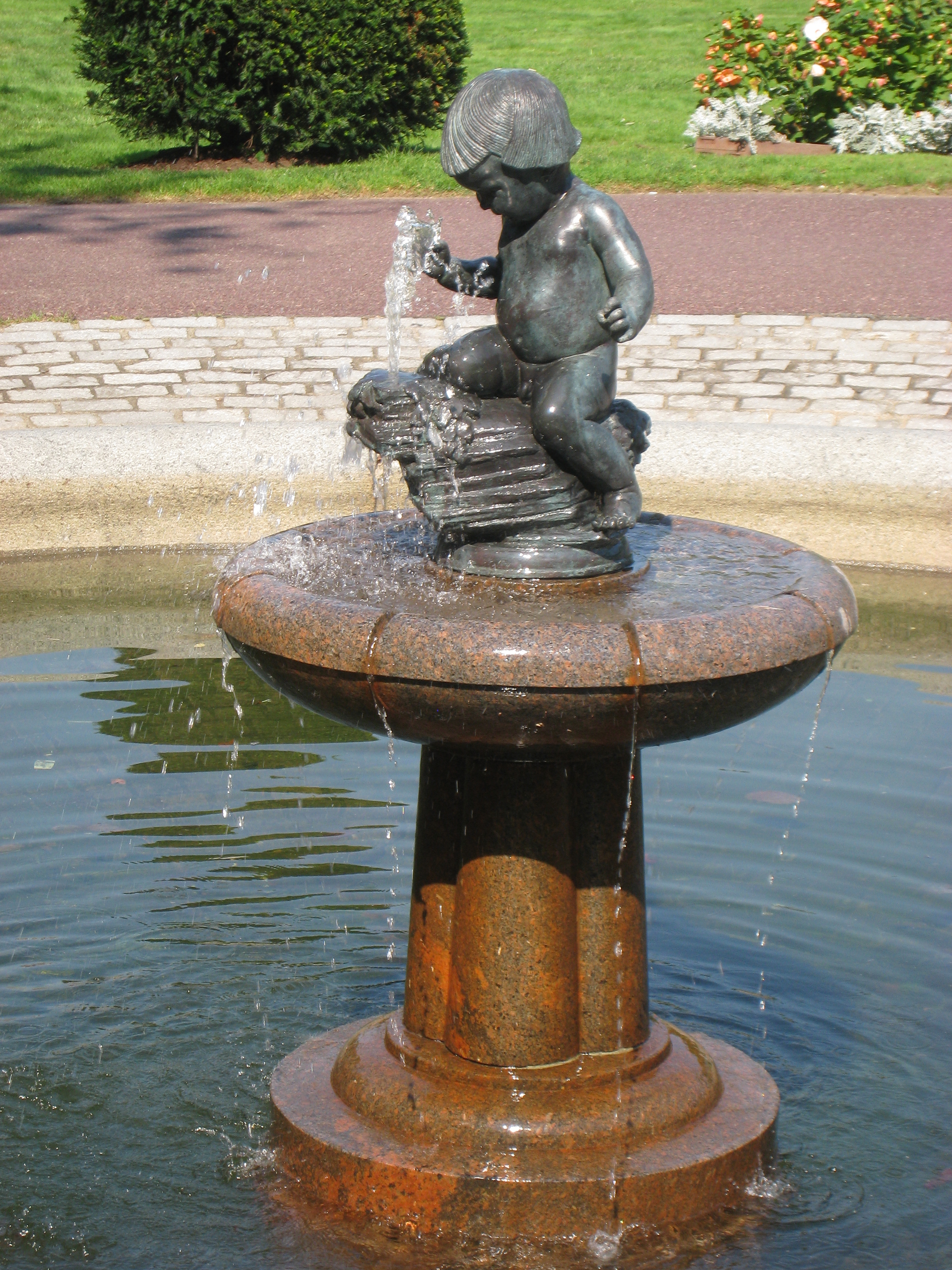
- Small Child Fountain – A tender bronze figure of a child at play, located 0.2 km from Triton Babies.
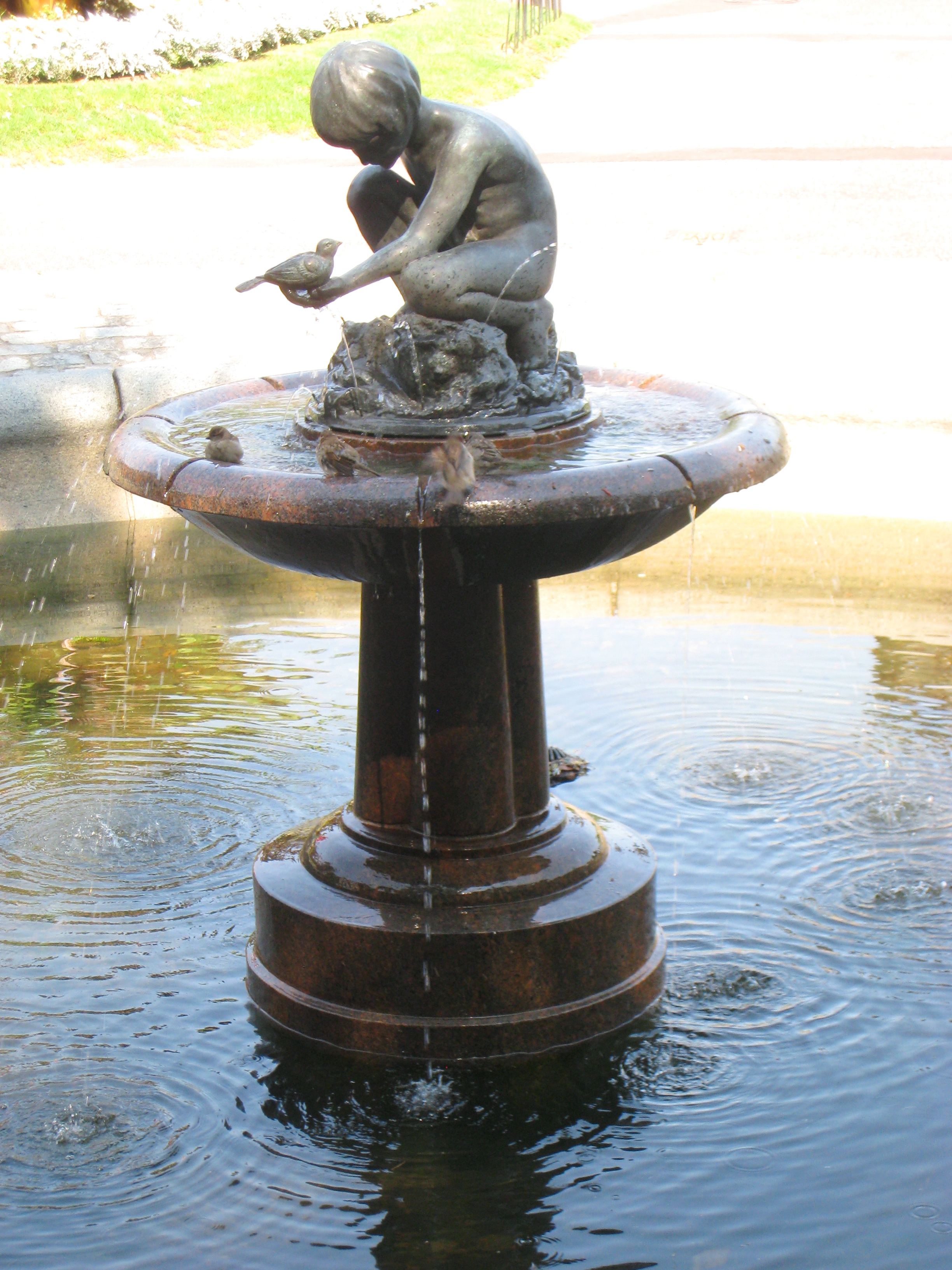
- Boy and Bird Fountain – Another whimsical piece featuring a young boy interacting with a bird, 0.2 km away.
These nearby attractions form a mini‑circuit of Boston’s public‑art treasures, perfect for a relaxed afternoon of cultural sightseeing. Feel free to map them out on your phone and create a self‑guided “Fountain Walk” that showcases the city’s love for water‑borne artistry.
Travel Tips
- Check Fountain Hours – Boston’s municipal fountains are generally on year‑round, but the water may be shut off during extreme cold. A quick glance at the City of Boston’s public‑art website will confirm current operation status.
- Bring a Portable Charger – The area’s Wi‑Fi is spotty, and you’ll likely want to upload photos to Instagram or share your discovery on a travel blog.
- Dress for the Weather – While the fountain’s mist is refreshing in summer, it can make shoes slippery in rain. Wear shoes with good traction.
- Respect the Space – The fountain is a public amenity. Keep the water clean, avoid climbing on the bronze figures, and dispose of any trash responsibly.
- Combine with Food – A short walk north lands you at Beacon Hill Café, known for its locally roasted coffee and pastries—ideal for a post‑visit snack.
- Accessibility – The plaza is wheelchair‑friendly, with smooth pavement and a low‑height basin that allows easy approach for all visitors.
Wrap‑Up
The Triton Babies Fountain may be small in stature, but it packs a big punch of charm, history, and artistic flair—making it a must‑see stop on any Boston travel guide itinerary. Its convenient location, free public access, and proximity to other delightful fountains turn a simple visit into a mini‑adventure through the city’s vibrant public‑art scene. So lace up your walking shoes, grab your camera, and let the playful Tritons guide you to a refreshing slice of Boston’s cultural landscape. Happy exploring!