New Charles River Dam – A Hidden Gem in Boston’s Waterfront Landscape
Discover the engineering marvel, scenic views, and nearby attractions that make the New Charles River Dam a must‑see stop on your Boston itinerary.
Introduction
Imagine standing at the edge of Boston’s iconic skyline, feeling the cool river breeze while watching water flow beneath a sleek concrete structure that has quietly shaped the city’s history for over a century. That’s the experience you get at the New Charles River Dam—a functional piece of infrastructure that doubles as a tranquil waterfront oasis. Whether you’re a history buff, a photography enthusiast, or simply looking for a peaceful spot to unwind, the dam offers a unique perspective on Boston’s urban fabric that many visitors overlook.
About New Charles River Dam
What Is It?
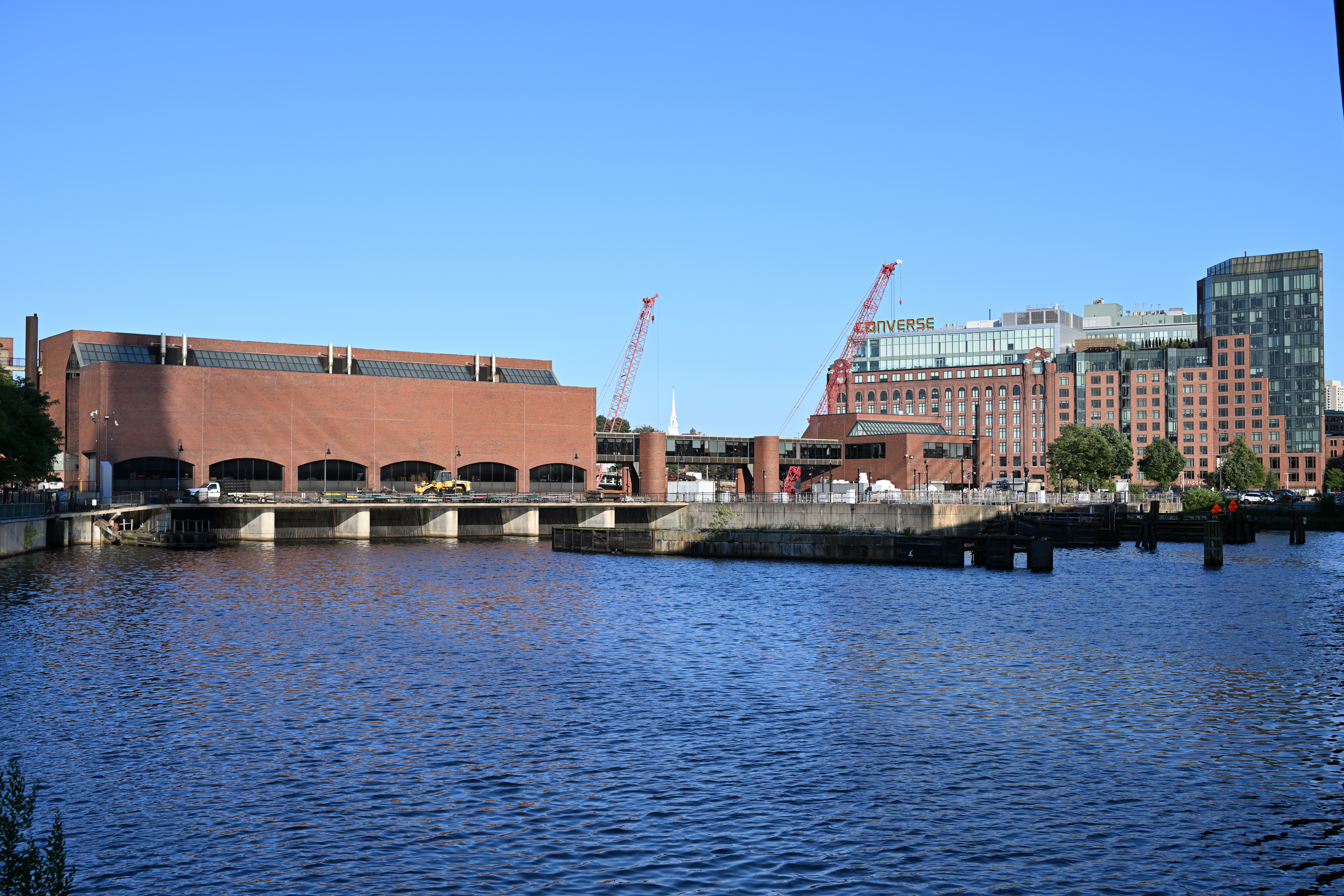
The New Charles River Dam (sometimes simply called the Charles River Dam) is a dam located at the mouth of the Charles River in Boston, Massachusetts, United States. Its official coordinates are 42.368415, -71.060975, placing it right where the river meets the Boston Harbor. While the exact height and altitude of the structure are not publicly documented, the dam’s presence is unmistakable—its concrete spillway stretches across the river, regulating water levels and protecting the city from tidal flooding.
A Brief History
The original Charles River Dam was completed in 1910, but the New Charles River Dam—the modern iteration—was constructed later to replace aging components and improve flood control. The dam’s primary purpose is to maintain a stable water level in the Charles River, creating the calm, lake‑like surface that residents and visitors enjoy today. By controlling the flow of water between the river and the harbor, the dam has also helped improve water quality and support the thriving ecosystem along its banks.
Why It Matters
- Water Management: The dam regulates the river’s water level, preventing tidal surges from flooding downtown Boston.
- Recreation: Its regulated flow creates a smooth surface ideal for rowing, kayaking, and paddleboarding—activities that have become staples of Boston’s outdoor culture.
- Scenic Views: The dam offers panoramic vistas of the Boston skyline, the historic Longfellow Bridge, and the bustling Harvard Bridge, making it a favorite spot for photographers.
- Historical Significance: As part of Boston’s early 20th‑century infrastructure projects, the dam symbolizes the city’s commitment to engineering solutions that balance urban growth with environmental stewardship.
How to Get There
By Public Transportation
Boston’s extensive MBTA network makes the dam easy to reach:
| Mode | Line(s) | Nearest Stop | Approx. Walk |
|---|---|---|---|
| Subway (T) | Red Line | Charles/MGH (Harvard Square) | 15‑minute walk along the Charles River Bike Path |
| Bus | 1, 47, 64 | Charles River Dam stop (near the dam) | 2‑minute walk |
By Bike or On Foot
The Charles River Bike Path runs directly alongside the dam, offering a scenic, traffic‑free route from the Harvard Bridge to Museum of Science. Rent a Citi Bike or bring your own; the path is flat and well‑marked, making it perfect for cyclists of all skill levels.
By Car
If you prefer driving, use MA‑2 (Boston University Bridge) or MA‑3 (Storrow Drive) and follow signs for the Charles River Dam. Street parking is limited, but there are several municipal parking garages within a 0.5‑km radius (e.g., CambridgeSide Parking).
Accessibility
The dam’s walkway is wheelchair‑friendly, with gentle ramps and railings. Restrooms are available at the nearby Charles River Reservation visitor center.
Best Time to Visit
| Season | Why Visit | Tips |
|---|---|---|
| Spring (April‑May) | Blossoming trees along the river create a vibrant backdrop. | Bring a light jacket; mornings can be chilly. |
| Summer (June‑August) | Warm weather encourages kayaking and sunset picnics. | Arrive early to secure a spot on the popular riverside benches. |
| Fall (September‑October) | The foliage turns brilliant shades of orange and red, perfect for photography. | Pack a thermos of hot cider for a cozy riverside break. |
| Winter (December‑February) | Snow‑covered bridges and the quiet river give a serene, almost magical atmosphere. | Dress in layers; the walkway can be icy— wear traction shoes. |
Overall, late spring through early fall offers the most comfortable weather for exploring the dam and its surroundings, but each season brings its own charm.
What to Expect
The Visual Experience
As you approach the New Charles River Dam, the first thing you’ll notice is the smooth, glass‑like surface of the Charles River—a direct result of the dam’s water‑level regulation. The dam’s concrete spillway stretches across the water, punctuated by low‑profile gates that open and close with the tide. From the walkway, you can gaze north toward the historic Longfellow Bridge and south toward the bustling Harvard Bridge, both of which frame the skyline with their iconic arches.
Activities
- Photography: Capture sunrise over the Boston skyline or sunset reflections on the water. The dam’s minimalistic design provides a clean foreground for cityscape shots.
- Water Sports: While the dam itself is off‑limits for swimming, the calm river downstream is a hotspot for rowing clubs, kayakers, and paddleboarders.
- Picnicking: Benches and grassy patches line the riverbank—perfect for a quick bite from nearby food trucks or a packed lunch.
- Birdwatching: The Charles River Reservation attracts a variety of waterfowl, including ducks, herons, and occasional bald eagles.
Atmosphere
Unlike the bustling tourist hubs of Faneuil Hall or Boston Common, the dam area feels more like a local secret. You’ll hear the gentle hum of water flowing through the spillway, occasional chatter from rowers, and the distant rumble of traffic on the bridges—creating a balanced, relaxing environment that still feels connected to the city’s pulse.
Nearby Attractions
While the New Charles River Dam is a destination in its own right, it also serves as a convenient launchpad for exploring several nearby points of interest—all within a 0.8‑km radius.
| Attraction | Type | Distance | Quick Note |
|---|---|---|---|
| Fountain A | Fountain | 0.4 km | A charming water feature nestled in a small park—ideal for a quick photo stop. |
| Fountain B | Fountain | 0.6 km | Features a decorative sculpture and seasonal lighting. |
| Fountain C | Fountain | 0.7 km | Offers a serene spot to rest, especially beautiful in autumn. |
| Secondary Dam | Dam | 0.7 km | A smaller auxiliary dam that showcases additional engineering history. |
| Fountain D | Fountain | 0.8 km | Located near a popular bike trail intersection, perfect for a brief break. |
(All fountain links lead to the respective city park pages for more details.)
Pro tip: Combine your dam visit with a leisurely walk along the Charles River Bike Path to see all of these attractions in a single, fluid route.
Travel Tips
- Timing Is Everything – Arrive early on weekends to avoid crowds, especially during summer festivals on the riverbanks.
- Dress for the Weather – Boston’s waterfront can be windy; a windbreaker or light scarf helps keep you comfortable.
- Stay Hydrated – Bring a reusable water bottle; there are refill stations at the nearby Charles River Reservation visitor center.
- Parking – If you drive, use the municipal garages on Cambridge Street or Storrow Drive; street parking is limited and often metered.
- Safety First – The dam’s concrete edges are smooth; keep an eye on children and pets near the water’s edge.
- Photography Gear – A wide‑angle lens captures the full sweep of the skyline, while a polarizing filter reduces glare on the water.
- Public Transit Pass – Purchase a CharlieCard for unlimited rides on the MBTA; it’s the most cost‑effective way to hop between Boston’s attractions.
- Combine with Nearby Sites – Plan a half‑day itinerary: start at the dam, walk the bike path to the fountains, stop for lunch at a riverside café, and finish with a sunset view from the Longfellow Bridge.
Final Thought
The New Charles River Dam may not have the fame of Boston’s historic sites, but its blend of engineering, natural beauty, and easy accessibility makes it a standout spot for travelers seeking a different side of the city. From sunrise reflections to evening city lights, the dam offers a versatile backdrop for every season and every type of explorer. So lace up your walking shoes, hop on a bike, or grab a seat on the riverbank—Boston’s hidden waterfront treasure is waiting for you.
Keywords: New Charles River Dam, Boston dam, Charles River, Boston waterfront, things to do in Boston, Boston attractions, Charles River Bike Path, Boston travel guide, Boston sightseeing, Charles River dam history