Markland Locks and Dam: A Hidden Gem on the Ohio River
If you’re looking for a unique slice of engineering history, breathtaking river scenery, and a quiet spot to stretch your legs on a road trip through the heart of Kentucky, the Markland Locks and Dam is the place to be.
Introduction
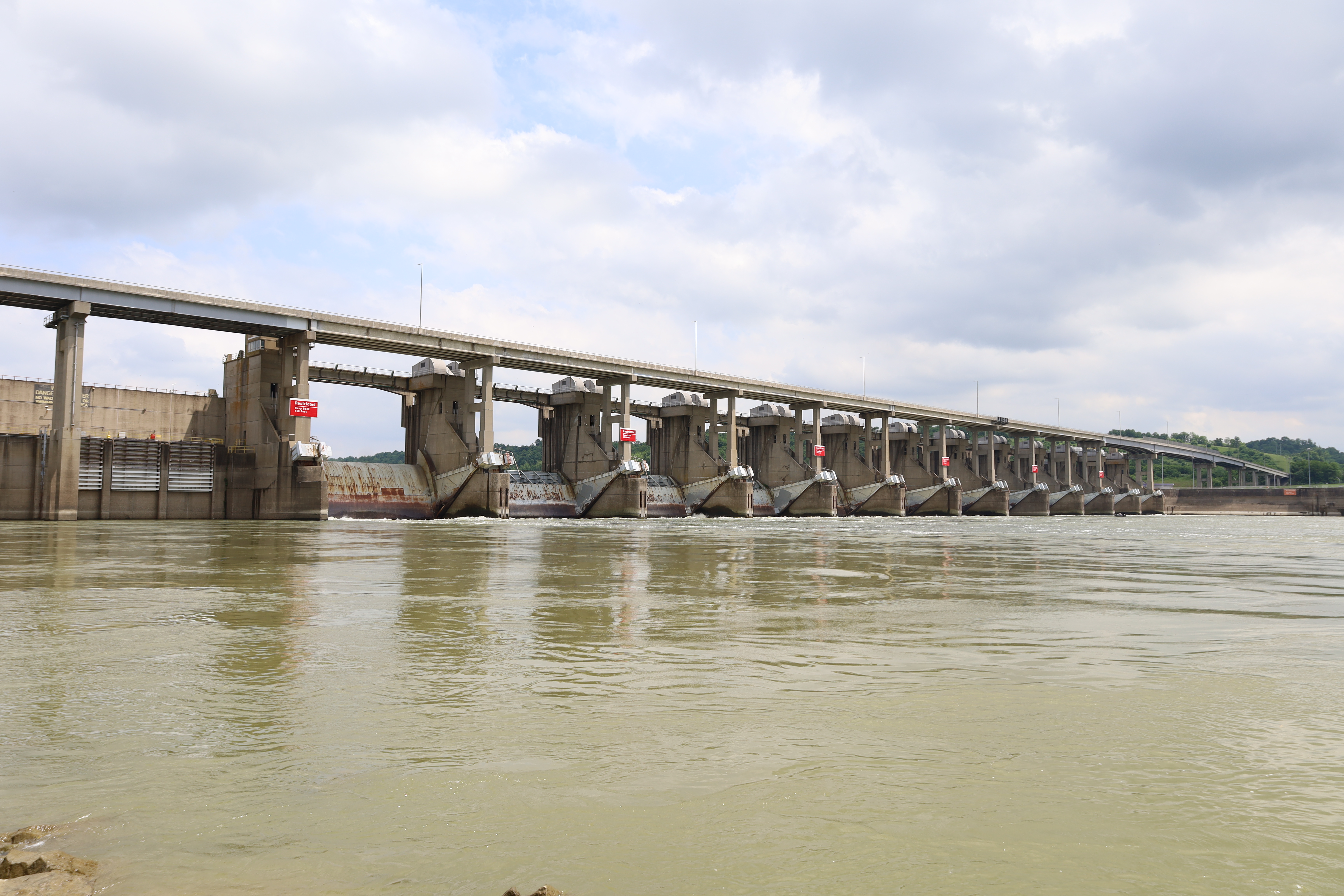
Nestled on the shimmering waters of the Ohio River just outside Warsaw, Kentucky, the Markland Locks and Dam may not have the fame of Niagara Falls or the grandeur of the Grand Coulee, but it offers a compelling mix of industrial heritage and natural beauty that appeals to curious travelers, photography buffs, and anyone who loves a good road‑trip detour. With its towering concrete structures, the rhythmic hum of water flowing through the lock chambers, and panoramic views of rolling Kentucky hills, this lock‑and‑dam complex is a perfect stop for anyone exploring the Upper Ohio River corridor.
About Markland Locks and Dam
What Is It?
Markland Locks and Dam is a lock and dam system on the Ohio River, operated by the U.S. Army Corps of Engineers. Its primary purpose is to maintain a navigable depth for commercial barges and recreational vessels, while also regulating river flow and providing flood control for the surrounding region. The facility sits at an altitude of 137 m above sea level (coordinates: 38.774785, -84.964393) and serves as a critical link in the Ohio River navigation system that stretches from Pittsburgh to the Mississippi River.
A Brief History
Construction of the dam began in the early 1960s as part of a nationwide effort to modernize inland waterway transportation. The project replaced older, less efficient structures and introduced two modern navigation locks that dramatically improved the speed and safety of barge traffic on the Ohio River. Since its completion, Markland has played a pivotal role in supporting the regional economy—especially the coal, agricultural, and manufacturing sectors that rely on river transport.
Why It Matters
- Economic Engine: The Ohio River is one of the United States’ most heavily used commercial waterways. Markland Locks and Dam enables the smooth passage of thousands of barge trips each year, moving millions of tons of cargo.
- Environmental Stewardship: By controlling water levels, the dam helps mitigate flooding risks for nearby communities and supports wildlife habitats along the riverbanks.
- Engineering Landmark: The concrete lock chambers, massive spillway gates, and associated control buildings showcase mid‑20th‑century civil engineering prowess—making the site a living museum for anyone fascinated by large‑scale infrastructure.
For a deeper dive into the dam’s technical specs and operational history, you can visit the official Wikipedia entry: Markland Locks and Dam.
How to Get There
By Car
- From Louisville: Take I‑71 North for roughly 115 mi (≈ 185 km) until you reach the exit for US‑42/US‑127 toward Warsaw. Follow the signs for the dam—parking is available on the Kentucky side of the river.
- From Cincinnati: Head east on I‑71/I‑75 North, then merge onto KY‑8 (the historic Ohio River Scenic Byway). The dam is signposted near the small town of Warsaw, just a few miles before you cross the Markland Bridge into Indiana.
Both routes offer scenic river views and plenty of opportunities to stop for a coffee or a quick bite at local diners.
By Air
The nearest commercial airports are Louisville Muhammad Ali International Airport (SDF) and Cincinnati/Northern Kentucky International Airport (CVG). From either airport, rent a car and follow the directions above. The drive from each airport is under two hours, making a day‑trip to Markland completely doable.
Public Transportation
Regional bus services are limited, and there is no direct train service to Warsaw. If you’re traveling without a car, consider a rideshare or a local taxi from the nearest town (Maysville or Warsaw) to the dam.
Best Time to Visit
| Season | What to Expect | Why It’s Ideal |
|---|---|---|
| Spring (Mar‑May) | Mild temperatures (50‑70 °F) and blooming riverbank foliage. | Perfect for photography and gentle walks along the river trail. |
| Summer (Jun‑Aug) | Warm days (70‑85 °F) with longer daylight hours. | Ideal for picnics and watching barges navigate the locks. |
| Fall (Sep‑Nov) | Crisp air, vibrant orange‑red leaves, and lower river traffic. | Offers a tranquil atmosphere and spectacular sunset colors. |
| Winter (Dec‑Feb) | Cooler temps (30‑45 °F); occasional ice on the river. | Quietest period—great for contemplative moments, but dress warmly. |
Tip: The dam’s lock operations are most visible during daylight hours, especially on weekdays when commercial traffic peaks. Check the U.S. Army Corps of Engineers website for any scheduled maintenance that might affect visibility.
What to Expect
The Sights
- Lock Chambers: Watch massive steel gates open and close as barges glide through. The rhythmic churning of water creates an almost meditative soundtrack.
- Spillway & Powerhouse: While Markland is not a hydroelectric dam, its spillway gates are impressive engineering feats—large enough to hold back the entire river when fully closed.
- River Panorama: From the observation platform, you’ll see the Ohio River winding past gentle hills, dotted with small islands and occasional wildlife such as bald eagles and river otters.
The Sounds
- Water Roar: The rush of water through the lock chambers is audible from the viewing area—an exhilarating reminder of the river’s power.
- Barge Horns: Expect occasional low‑frequency blasts as vessels signal their approach.
The Feel
- Cool Breeze: The river’s microclimate offers a refreshing breeze, especially on hot summer days.
- Peaceful Vibe: Despite its industrial purpose, the surrounding area feels surprisingly serene, with only the occasional fisherman or cyclist breaking the quiet.
Amenities
- Parking: A modest lot on the Kentucky side (free for day‑visitors). Arrive early during peak season to secure a spot.
- Restrooms: Basic facilities are available near the parking area.
- Picnic Tables: A few benches and tables line the riverbank—great for a quick snack.
Nearby Attractions
While the Markland Locks and Dam is the star of the show, the surrounding region offers several intriguing spots worth a short detour:
| Attraction | Type | Distance from Dam | Quick Note |
|---|---|---|---|
| Unnamed Weir #1 | Weir | 0.2 km | Small water diversion—great for close‑up river photography. |
| Unnamed Weir #2 | Weir | 0.2 km | Similar to the first; ideal for exploring the river’s engineering details. |
| Markland Dam (Weir) | Weir | 0.3 km | Often confused with the main lock‑dam; offers a quieter viewing angle. |
| Unnamed Weir #3 | Weir | 0.4 km | A subtle feature that adds to the river’s complex flow pattern. |
| Lake Geneva Dam | Dam | 10.6 km (Indiana) | A larger reservoir dam across the state line—perfect for a scenic drive and a picnic. |
All links lead to the respective Wikipedia pages or local tourism sites for more information.
Travel Tips
- Check Lock Schedules – The U.S. Army Corps of Engineers posts real‑time lock operation times on their website. Knowing when a barge is scheduled to pass can help you plan your visit for the most dramatic moments.
- Bring Binoculars – Spotting wildlife or watching the intricate movements of the lock gates is easier with a pair of binoculars.
- Dress in Layers – River breezes can be chilly even in summer, while summer heat can be intense. Layered clothing lets you stay comfortable.
- Stay Safe Near Water – The riverbank can be slippery. Stick to designated walkways and keep a safe distance from the lock gates while they are operating.
- Capture the Sunset – The western horizon over the Ohio River produces spectacular colors just after the lock chambers finish their cycles—great for Instagram‑ready shots.
- Pack Snacks – There are no food vendors on site. A simple sandwich, fruit, and a reusable water bottle will keep you refreshed.
- Explore Warsaw – After the dam, head into downtown Warsaw for a quick coffee at a local café or a stroll through the historic downtown district.
Final Thought
The Markland Locks and Dam may be a functional piece of infrastructure, but it also serves as a quiet gateway to Kentucky’s river heritage. Whether you’re a seasoned traveler hunting off‑the‑beaten‑path attractions, a photography enthusiast looking for industrial vistas, or a family on a weekend road trip, this spot offers a blend of education, scenery, and calm that’s hard to find elsewhere. Add it to your itinerary, time your visit right, and you’ll walk away with a deeper appreciation for the engineering marvels that keep America’s waterways moving—and a handful of unforgettable river‑front memories. Safe travels!