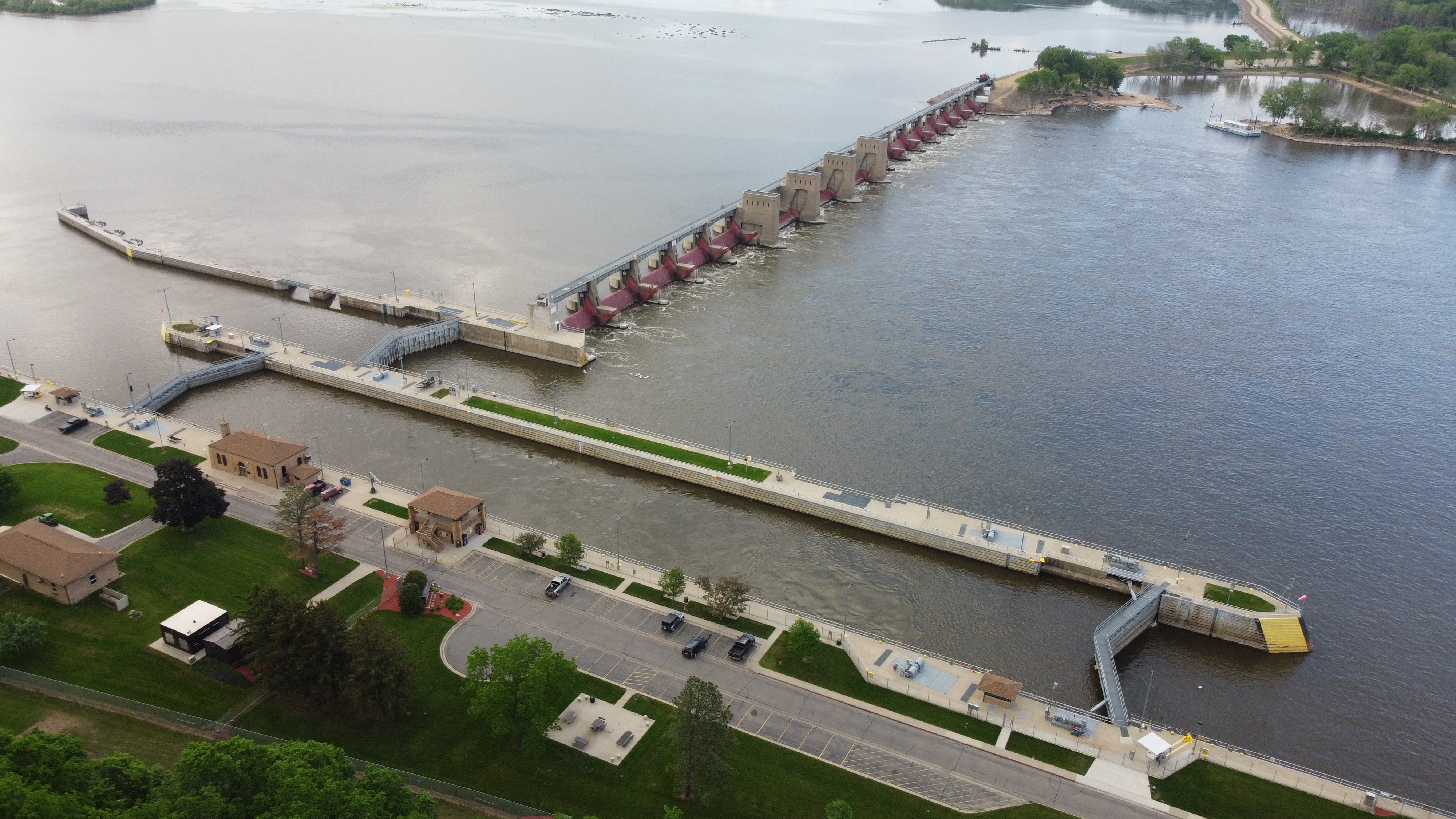
Dam No. 11 – A Hidden Engineering Marvel on the Mississippi River
Discover the historic Lock and Dam No. 11 in Dubuque, Iowa, and why it belongs on every river‑lover’s itinerary.
Introduction
If you think the Mississippi River is only about mighty barges and scenic sunsets, think again. Nestled on the Iowa side of the river, just a stone’s throw from downtown Dubuque, lies Dam No. 11—a massive, yet surprisingly under‑the‑radar, lock‑and‑dam complex that blends 20th‑century engineering with breathtaking river views. Whether you’re a history buff, a photography enthusiast, or simply hunting a unique day‑trip spot, this stretch of concrete and steel offers a compelling glimpse into the lifeblood of America’s inland waterways.
Keywords: Dam No. 11, Dubuque Iowa, Mississippi River dam, lock and dam, travel Iowa
About Dam No. 11
A Brief History
Built as part of the U.S. Army Corps of Engineers’ ambitious Mississippi River navigation system, Lock and Dam No. 11 opened its gates in 1937. The structure was designed to replace a series of earlier wooden and stone dams that had struggled to regulate the river’s notoriously volatile flow. Over the decades, the dam has played a crucial role in maintaining a 9‑foot navigation channel—the standard depth needed for commercial barge traffic that moves millions of tons of grain, coal, and other commodities each year.
What Makes It Unique
The dam’s 1,478‑foot river‑ward wall stretches in a straight line from the auxiliary lock, forming a sleek, linear silhouette against the river horizon. Its most striking features are the 13 Type 2b Tainter gates—each 60 feet wide and 20 feet high—paired with three massive submersible roller gates measuring 109 feet wide, 20 feet high, and 8 feet thick. These gates can be raised or lowered to control water levels, allowing the lock to accommodate both commercial traffic and recreational vessels.
While the exact height and altitude of the dam are not publicly listed, its sheer scale is evident the moment you stand on the observation walkway: the concrete mass rises dramatically above the river’s surface, and the rhythmic clank of the gates in operation provides an industrial soundtrack that’s oddly soothing.
Why It Matters
Beyond its functional role, Dam No. 11 is a living piece of engineering history. It represents the era when the United States invested heavily in inland navigation to boost the economy and connect the heartland to global markets. For travelers, the dam offers an educational backdrop—signage along the walkway explains the mechanics of Tainter gates, the physics of water flow, and the dam’s impact on flood control and river ecology.
How to Get There
By Car
- From Dubuqueue Downtown: Head west on U.S. Route 61 (also known as the Great River Road) for about 2 miles. Turn right onto U.S. Highway 151 and follow the signs for “Lock & Dam No. 11.” Parking is available at the Lock & Dam Visitor Parking Lot (located just off Highway 151, coordinates 42.540815, -90.642462).
- From Iowa City (≈ 140 mi): Take I‑80 West to I‑380 North, then merge onto U.S. Route 61 northbound toward Dubuque. The drive takes roughly 2 hours and 15 minutes.
By Public Transportation
- Dubuque Area Transit (DAT): Route 8 runs from the downtown transit hub to the Lock & Dam Plaza stop (approximately a 10‑minute walk to the dam). Check the latest DAT schedule before you travel.
By Bike or Foot
The Great River Trail—a paved, multi‑use path that follows the Mississippi—passes within a half‑mile of the dam. Cyclists can enjoy a scenic ride along the riverbank, stopping at the dam’s observation area for a quick photo break.
Best Time to Visit
| Season | Highlights | Visitor Tips |
|---|---|---|
| Spring (Mar‑May) | River levels rise, giving a dramatic view of the gates in motion. Wildflowers bloom along the riverbank. | Bring a waterproof jacket; spring showers are common. |
| Summer (Jun‑Aug) | Long daylight hours, perfect for sunrise or sunset photography. | Arrive early to avoid the midday heat; bring sunscreen and plenty of water. |
| Fall (Sep‑Nov) | Vibrant foliage on the bluffs creates a stunning contrast with the steel structure. | Ideal for bird‑watching; bring binoculars. |
| Winter (Dec‑Feb) | Ice‑free water makes the dam’s concrete lines stand out against a crisp sky. | Check gate operation schedules; some tours may be limited. |
Overall, late spring through early fall offers the most comfortable weather and the best chance to see the dam’s gates actively regulating water flow.
What to Expect
When you step onto the Dam No. 11 observation platform, you’ll be greeted by a panoramic view of the Mississippi stretching both north and south. The river’s surface ripples gently, punctuated by the occasional barge gliding through the lock. The auxiliary lock—a side chamber used for smaller vessels—adds visual interest, especially when its gates are open, revealing the inner workings of the lock system.
Key experiences include:
- Gate Demonstrations: On scheduled days (usually weekdays), the Corps of Engineers runs a short demonstration of the Tainter gates. You’ll hear the hydraulic pistons hiss as the massive steel doors rise and fall—a perfect moment for a video clip.
- Interpretive Displays: Informational panels explain the dam’s construction, the purpose of each gate type, and the environmental stewardship efforts surrounding the river.
- Photography Hotspots: The concrete wall, the river’s curve, and the distant Dubuque skyline make for striking compositions. Sunrise over the dam is especially photogenic, with golden light reflecting off the water and the steel gates.
- Quiet Reflection: The site is relatively uncrowded, offering a peaceful spot for a picnic or a moment of contemplation while watching the river’s endless flow.
Nearby Attractions
After soaking in the engineering wonder of Dam No. 11, explore these nearby points of interest—all within a 4‑km radius.
-
Weir (3.5 km away) – A small, historic weir that offers a quiet riverside walk.
- Link: Weir on Google Maps -
Weir (3.5 km away) – Another charming weir, perfect for photo enthusiasts looking for reflective water scenes.
- Link: Weir on Google Maps -
Fountain (3.5 km away) – A decorative fountain set in a small park, ideal for a quick coffee break.
- Link: Fountain on Google Maps -
22nd St. Cascading Waterfall (3.6 km away) – A man‑made waterfall that creates a soothing soundscape and a pleasant spot for families.
- Link: 22nd St. Cascading Waterfall -
Weir (3.6 km away) – Yet another weir, each offering a slightly different angle of the river’s flow.
- Link: Weir on Google Maps
Bonus: Downtown Dubuque is just a short drive away, where you can explore the National Mississippi River Museum & Aquarium, Eagle Point Park, and the vibrant Riverwalk lined with cafés and boutique shops.
Travel Tips
- Parking: The free lot fills quickly on sunny weekends. Arrive at least 30 minutes early, especially during peak tourist season.
- Safety: Stay behind the designated railings. The dam’s edges are steep, and the river can be swift near the gates.
- Accessibility: The observation platform is wheelchair‑accessible, with smooth pathways and handrails.
- Timing: Gate demonstrations are typically scheduled between 10 am – 2 pm on weekdays. Check the U.S. Army Corps of Engineers website or the on‑site schedule board for exact times.
- Photography Gear: A polarizing filter helps reduce glare off the water and steel. A telephoto lens (70‑200 mm) captures the gates in action without getting too close.
- Food & Drink: Pack a picnic or grab a sandwich from downtown Dubuque’s Riverfront Café—the short drive back is worth the local flavor.
- Stay Connected: Cell service is reliable, but the dam’s remote location can cause occasional dead zones. Download offline maps if you plan to hike the nearby trails.
Ready to Explore?
Dam No. 11 may not have the fame of the Grand Canyon or the Eiffel Tower, but its blend of industrial heritage, natural beauty, and river‑side tranquility makes it a must‑visit destination for any Iowa traveler. Add it to your itinerary, pair it with a stroll through Dubuque’s historic downtown, and experience a side of the Mississippi River that few tourists ever see.
For more detailed history, visit the official Wikipedia page: Lock and Dam No. 11.
Safe travels, and enjoy the roar of the gates!