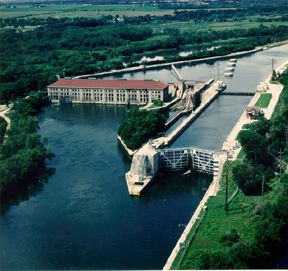
Lockport Powerhouse – Illinois’ Hidden Hydroelectric Gem
If you think the Midwest’s attractions are limited to cornfields and big‑city skylines, think again. Nestled in the quiet town of Fairmont, Illinois, the Lockport Powerhouse offers a rare glimpse into America’s early hydro‑engineering marvels, all set against the gentle flow of the Illinois River. Whether you’re a history buff, a photography enthusiast, or simply looking for an off‑the‑beaten‑path day trip, this modest dam packs more intrigue than its size suggests.
1. Introduction
Imagine standing on a sturdy concrete platform, the roar of water rushing through three massive turbines beneath your feet, while the surrounding prairie stretches out in all directions. That’s the experience at Lockport Powerhouse, a low‑profile dam that quietly powers a slice of Illinois history. Though it lacks the towering height of the Hoover Dam, its three 30‑inch, 300‑rpm, 350‑kilowatt DC vertical turbine‑generator units have been turning water into electricity for decades. For travelers seeking an authentic slice of industrial heritage, the Lockport Powerhouse is a must‑see stop on any Illinois road trip.
2. About Lockport Powerhouse
A Brief History
The Lockport Powerhouse sits at 41.569589, -88.078902—an elevation of 161 m above sea level—right where the historic Illinois & Michigan Canal meets the modern Illinois Waterway. While the exact construction year isn’t listed in public records, the powerhouse was built to harness the river’s flow for the growing industrial towns along the canal. Its three turbine‑generator units, each with a 30‑inch diameter, were state‑of‑the‑art when installed, delivering a combined 1,050 kilowatts of power (three × 350 kW).
Why It Matters
Unlike many large dams that dominate headlines, the Lockport Powerhouse is a working example of early 20th‑century hydroelectric design. The turbines are driven by water entering the center bay of the headrace, a clever engineering solution that maximizes flow efficiency while minimizing turbulence. For engineers and historians, the site offers a tangible lesson in how modest infrastructure can sustainably support local communities.
Beyond its technical significance, the powerhouse is a cultural landmark. It stands as a reminder of the era when waterways were the lifeblood of commerce, and the Illinois River served as a critical artery linking the Great Lakes to the Mississippi. Today, the structure is still operational, quietly feeding electricity into the regional grid while inviting visitors to explore its industrial charm.
3. How to Get There
By Car
- From Chicago: Take I‑55 South (Stewart Road) for roughly 45 mi. Exit at IL‑171 (IL‑43) – River Road, then follow signs for Lockport. Turn onto IL‑71 (North Avenue) and continue east until you see the Lockport Powerhouse parking area on the river’s south bank.
- From St. Louis: Head north on I‑55 for about 260 mi, then follow the same directions from Chicago.
Parking: A small lot adjacent to the powerhouse provides free, short‑term parking. Space fills quickly on sunny weekends, so arrive early (8 am–9 am) for the best spot.
By Public Transit
- Metra Rail: Take the Metra Heritage Corridor to Lockport Station (approximately 30 min from Chicago Union Station). From there, a local taxi or rideshare (≈ 5 mi) will drop you at the powerhouse.
- Bus: Pace Bus Route 353 connects the Lockport station to the downtown area; a short 10‑minute ride on a rideshare from the bus stop gets you to the site.
By Bike or Foot
For the adventurous, the Illinois River Trail runs parallel to the waterway and offers a scenic 3‑mile bike ride from downtown Lockport to the powerhouse. The trail is paved, flat, and perfect for casual cyclists.
4. Best Time to Visit
| Season | What to Expect | Why It’s Ideal |
|---|---|---|
| Spring (Mar‑May) | Mild temperatures (50‑70 °F) and blooming wildflowers along the riverbank. | Perfect for photography and comfortable walking tours. |
| Summer (Jun‑Aug) | Warm days (70‑85 °F) and longer daylight hours. | Ideal for picnics and sunset shots over the water. |
| Fall (Sep‑Nov) | Crisp air, vibrant foliage, and lower visitor numbers. | Offers spectacular golden‑hour lighting for the concrete structure. |
| Winter (Dec‑Feb) | Cold (30‑45 °F) with occasional snow. | Quietest period; great for solitary contemplation, but some access roads may be icy. |
Pro tip: Mid‑week visits in early October give you the best combination of pleasant weather, colorful scenery, and minimal crowds.
5. What to Expect
The Visitor Experience
- Self‑Guided Walks: The powerhouse area is open to the public during daylight hours (7 am–7 pm). Signage explains the turbine mechanics, the headrace flow, and the dam’s role in the Illinois Waterway system.
- Photography Opportunities: The juxtaposition of industrial steel against the natural river creates striking contrasts. Capture the turbines from the headrace walkway, or frame the dam with the surrounding prairie at sunrise.
- Sounds & Sensations: You’ll hear the steady hum of the generators and feel the mist from the water spray—an immersive, sensory reminder of the power harnessed here.
- Picnic Spots: Small grassy knolls near the riverbank provide perfect spots for a packed lunch while you watch barges glide past.
Accessibility
- The main viewing platform is wheelchair‑accessible with smooth concrete paths. However, the interior turbine rooms are not open to the public for safety reasons.
Safety
- Stay behind the railings when near the water flow. The river’s current can be swift, especially after heavy rain.
6. Nearby Attractions
While the Lockport Powerhouse is the star of the show, the surrounding area offers several complementary sights—most within a short walk or drive.
| Attraction | Distance | Why Visit | Link |
|---|---|---|---|
| Weir (North) | 0.1 km | A small overflow structure that illustrates river management techniques. | Weir – Wikipedia |
| Weir (South) | 0.1 km | Mirrors the northern weir, offering a comparative look at engineering design. | Weir – Wikipedia |
| Lockport Dam (Main) | 1.4 km | Larger dam that works in tandem with the powerhouse to regulate water levels. | Dam – Wikipedia |
| Lock Number 3 | 1.8 km | Historic navigation lock on the Illinois River, still used by commercial barges. | Lock (water navigation) – Wikipedia |
| Lock Number 4 | 1.9 km | Another functional lock offering a glimpse into modern river traffic. | Lock (water navigation) – Wikipedia |
All these sites are reachable via the Illinois River Trail, making it easy to combine them into a single, leisurely day of exploration.
7. Travel Tips
- Check Water Levels: The Illinois River’s flow can vary. A quick glance at the U.S. Army Corps of Engineers river gauge (near Lockport) will tell you if the water is high enough for optimal turbine visibility.
- Bring Binoculars: While the turbines are visible from the viewing platform, binoculars let you see the rotating blades in detail.
- Pack Snacks: There are no food vendors on site. A cooler with sandwiches, fruit, and plenty of water will keep you energized.
- Dress in Layers: River breezes can be cooler than inland temperatures, especially in early spring or late fall.
- Respect the Environment: Stay on designated paths to protect the fragile riverbank vegetation.
- Photography Etiquette: If you’re using a tripod, be mindful of other visitors and keep your setup compact.
- Combine with Lockport’s Downtown: After your powerhouse tour, stroll into downtown Lockport (≈ 2 mi north). The historic Main Street offers boutique shops, cafés, and the Lockport Historic District—a perfect way to end the day.
Final Thoughts
The Locktown Powerhouse may not have the fame of Niagara or the scale of the Grand Coulee, but its understated elegance and functional heritage make it a standout destination for curious travelers. From the rhythmic churn of its turbines to the tranquil river scenery, the site offers a unique blend of engineering, nature, and Midwestern charm. So load up the car, hop on the bike, or catch a train—Lockport Powerhouse is waiting to add a splash of hydro‑history to your Illinois itinerary.
Happy travels, and may the river’s current guide you to new adventures!