Grassy Lake Dam – Idaho’s Hidden Alpine Gem
Discover the tranquil beauty of Grassy Lake Dam, a lesser‑known landmark perched high in the Teton Range near Driggs, Idaho. Whether you’re a road‑trip enthusiast, a photography lover, or a curious traveler seeking off‑the‑beaten‑path scenery, this dam offers a peaceful retreat with stunning mountain vistas and easy access to a cluster of spectacular waterfalls.
1. Introduction
Imagine a crystal‑clear alpine lake, framed by rugged peaks, fed by a modest concrete dam that quietly regulates the flow of pristine water down the valley. That’s Grassy Lake Dam – a modest yet photogenic structure that sits at 2,199 m (7,215 ft) above sea level in the heart of the Jackson Hole valley near the charming town of Driggs, Idaho.
While it doesn’t boast the massive height of the Hoover or Grand Coulee, Grassy Lake Dam’s appeal lies in its serenity, its easy‑going accessibility, and its proximity to a string of hidden waterfalls that make the area a true outdoor playground. If you’re planning an Idaho road trip, a summer hike, or a winter snowshoe adventure, add this dam to your itinerary and experience a slice of the Rocky Mountain wilderness that few tourists have discovered.
2. About Grassy Lake Dam
- Type: Concrete dam (🏗️)
- Location: Driggs, Idaho, United States
- Coordinates: 44.130654, ‑110.818622
- Altitude: 2,199 m (7,215 ft) above sea level
- Height: Not publicly disclosed
Grassy Lake Dam was constructed to manage water flow from the Grassy Lake watershed, which feeds into the Teton River. Although the exact year of construction and engineering specifications are sparse, the dam is listed on the U.S. National Inventory of Dams and appears on the Wikipedia page for Grassy Lake Dam.
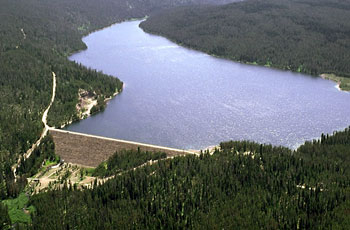
Its primary purpose is functional—regulating irrigation water for local ranches and helping maintain downstream ecosystems—but the dam has unintentionally become a scenic viewpoint. The reservoir behind the dam reflects the surrounding peaks, especially during sunrise and sunset, creating picture‑perfect moments for Instagrammers and landscape photographers alike.
Why it matters:
- Ecological stewardship: By controlling water release, the dam supports healthy riparian habitats downstream.
- Recreational hub: The lake and surrounding trails attract anglers, hikers, and wildlife watchers.
- Cultural touchstone: For the small community of Driggs, the dam is a familiar landmark that symbolizes the balance between human use and natural preservation in the high desert‑mountain interface.
3. How to Get There
By Air
- Jackson Hole Airport (JAC) – The nearest commercial airport, located about 30 mi (48 km) north of Driggs. From the terminal, rent a car and head south on US‑89 toward the town of Driggs.
- Idaho Falls Regional Airport (IDA) – Approximately 120 mi (193 km) east. A longer drive but a good option if you’re touring eastern Idaho first.
By Car
-
From Jackson Hole (WY):
- Take US‑89 S toward Driggs (about 30 min).
- In Driggs, turn west onto County Road 247 (also known as Grassy Lake Road).
- Follow the road for roughly 5 mi (8 km); the dam parking area is sign‑posted near the lake’s eastern shore. -
From Idaho Falls (ID):
- Travel north on I‑15 to US‑20 W, then US‑89 N toward Driggs.
- The same County Road 247 leads you to the dam.
Parking & Accessibility
A small, free parking lot sits at the edge of Grassy Lake, providing easy access to a short, flat trail that leads to the dam’s overlook. The site is wheelchair‑friendly, though the path can be icy in winter, so bring appropriate footwear.
4. Best Time to Visit
| Season | What to Expect | Why Visit |
|---|---|---|
| Spring (April‑May) | Snowmelt swells the lake, creating vibrant turquoise water. Birdsong fills the air. | Ideal for photographers chasing reflections and early‑season wildflowers. |
| Summer (June‑August) | Warm days, calm waters, and long daylight hours. Trail conditions are optimal. | Perfect for hiking, picnicking, and spotting local wildlife like elk and moose. |
| Fall (September‑October) | Golden aspens, crisp air, and fewer crowds. Water levels begin to recede. | Great for foliage photography and peaceful contemplation. |
| Winter (November‑March) | Snow‑covered peaks, frozen lake edges, and a quiet, almost mystical atmosphere. | For adventurous snowshoers and those seeking solitude; be prepared for icy paths. |
Peak visitation occurs in July and August, so if you prefer a quieter experience, aim for late May, early June, or September.
5. What to Expect
When you arrive at Grassy Lake Dam, you’ll be greeted by a tranquil alpine lake framed by towering Teton Range peaks. The dam itself is a low‑profile concrete wall that gently curves across the water’s edge, creating a subtle yet striking contrast against the natural backdrop.
Key experiences:
- Scenic Overlook: A short, paved trail leads to a wooden railing that offers panoramic views of the lake, the dam, and distant mountains. Sunrise here paints the water with pink and gold hues.
- Wildlife Spotting: Early mornings bring elk, deer, and occasionally a moose that wanders to the water’s edge. Birdwatchers can spot golden eagles, hawks, and a variety of songbirds.
- Fishing & Boating: The lake holds trout and native fish species. Non‑motorized boats (kayaks, canoes) are allowed, providing a serene way to explore the water.
- Photography: The combination of reflective water, dramatic sky, and rugged peaks makes for endless photo opportunities. Bring a wide‑angle lens for landscape shots and a telephoto for wildlife.
Because the dam is unstaffed, there are no visitor centers or restrooms on site—plan accordingly. Pack out all trash to preserve the pristine environment.
6. Nearby Attractions
Grassy Lake Dam sits in a pocket of natural wonders, each within a short drive. These spots are perfect for adding variety to your day trip or extending your stay into a multi‑day adventure.
| Attraction | Type | Distance from Dam | Quick Highlights |
|---|---|---|---|
| Weir | Small weir structure | 1.7 km | A modest water diversion that offers a quiet spot for picnics and birdwatching. |
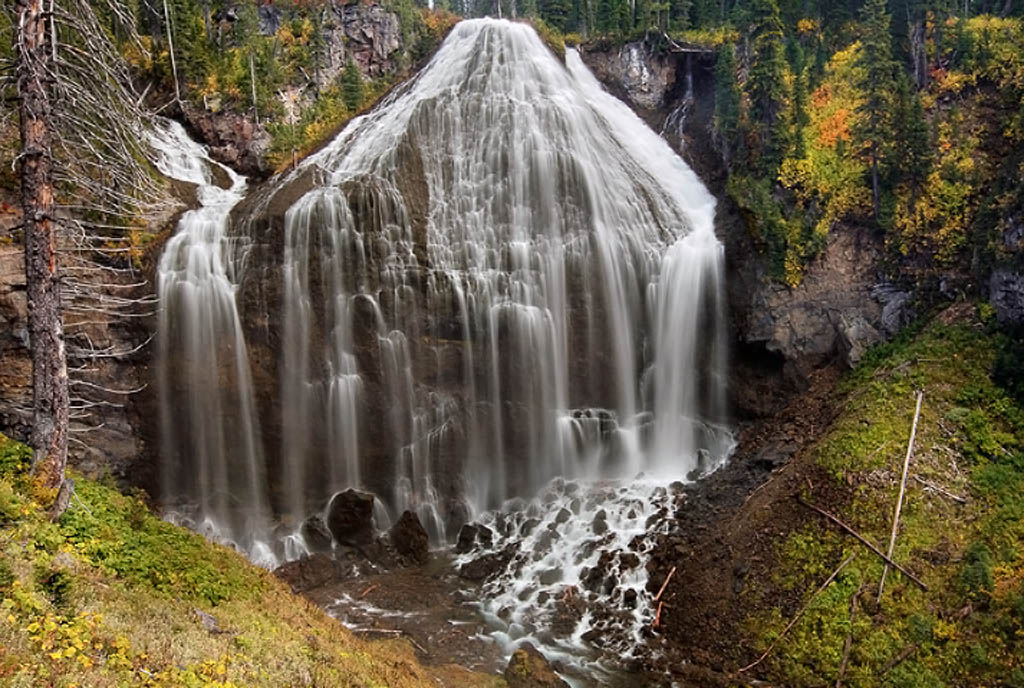
| Cascade Creek Falls | Waterfall | 2.3 km | A 30‑meter cascade that tumbles over basalt cliffs—ideal for a short hike and splash‑photo. |
| Cascade Acres | Waterfall | 3.4 km | A series of tiered falls surrounded by mossy rocks; great for exploring with kids. |
| Polar Bear | Waterfall | 3.8 km | Named for its icy-blue pool, this waterfall creates a striking contrast against summer greenery. |
| Terraced Falls | Waterfall | 4.2 km | Multiple “terraces” of falling water that form natural pools—perfect for a refreshing dip in late summer. |
Tip: All of these attractions are reachable via County Road 247 and adjoining forest service roads. Bring a map or download offline GPS data, as cell service can be spotty.
7. Travel Tips
- Pack Essentials: No shops are on site. Bring water, snacks, a basic first‑aid kit, and a trash bag.
- Dress in Layers: Altitude and weather can shift quickly. Even summer mornings can feel cool.
- Footwear: Sturdy hiking shoes or trail runners are recommended; for winter visits, insulated boots with good traction are a must.
- Timing: Arrive early (before 9 am) to avoid the occasional weekend crowd and capture the soft morning light.
- Leave No Trace: The area is part of a delicate alpine ecosystem. Pack out all waste and stay on established trails.
- Safety: The dam’s spillway can create strong currents. Keep children and pets away from the water’s edge, especially during high‑flow periods in spring.
- Photography Gear: A polarizing filter helps reduce glare on the water’s surface, while a tripod is useful for sunrise/sunset shots.
- Check Road Conditions: Winter snow can close County Road 247. The Idaho Department of Transportation provides up‑to‑date road status online.
Final Thoughts
Grassy Lake Dam may not headline Idaho’s tourism brochures, but its quiet charm, high‑altitude setting, and proximity to a cluster of breathtaking waterfalls make it a must‑visit for the adventurous traveler. Whether you’re chasing the perfect sunrise over an alpine lake, seeking a peaceful spot for a lakeside picnic, or using the dam as a base to explore nearby cascades, this hidden gem offers a rewarding blend of natural beauty and low‑key exploration.
Add Grassy Lake Dam to your Idaho road‑trip itinerary, and you’ll discover why the Teton Valley continues to captivate those who venture off the interstate. Happy travels!