Upper Yosemite Fall: The Crown Jewel of Yosemite Valley
Discover the soaring beauty of Upper Yosemite Fall, a must‑see waterfall for every nature lover exploring California’s iconic Yosemite National Park.
1. Introduction
Imagine standing at the base of a thunderous cascade that drops more than 440 meters (1,440 feet) into a mist‑filled canyon. The roar of water, the spray on your face, and the sheer vertical wall of rock create a moment that feels both humbling and exhilarating. That’s the experience waiting at Upper Yosemite Fall, the upper tier of the world‑famous Yosemite Falls. Whether you’re a seasoned hiker, a photography enthusiast, or simply a traveler chasing breathtaking vistas, Upper Yosemite Fall is the kind of natural masterpiece that turns a trip to California into a lifelong memory.
2. About Upper Yosemite Fall
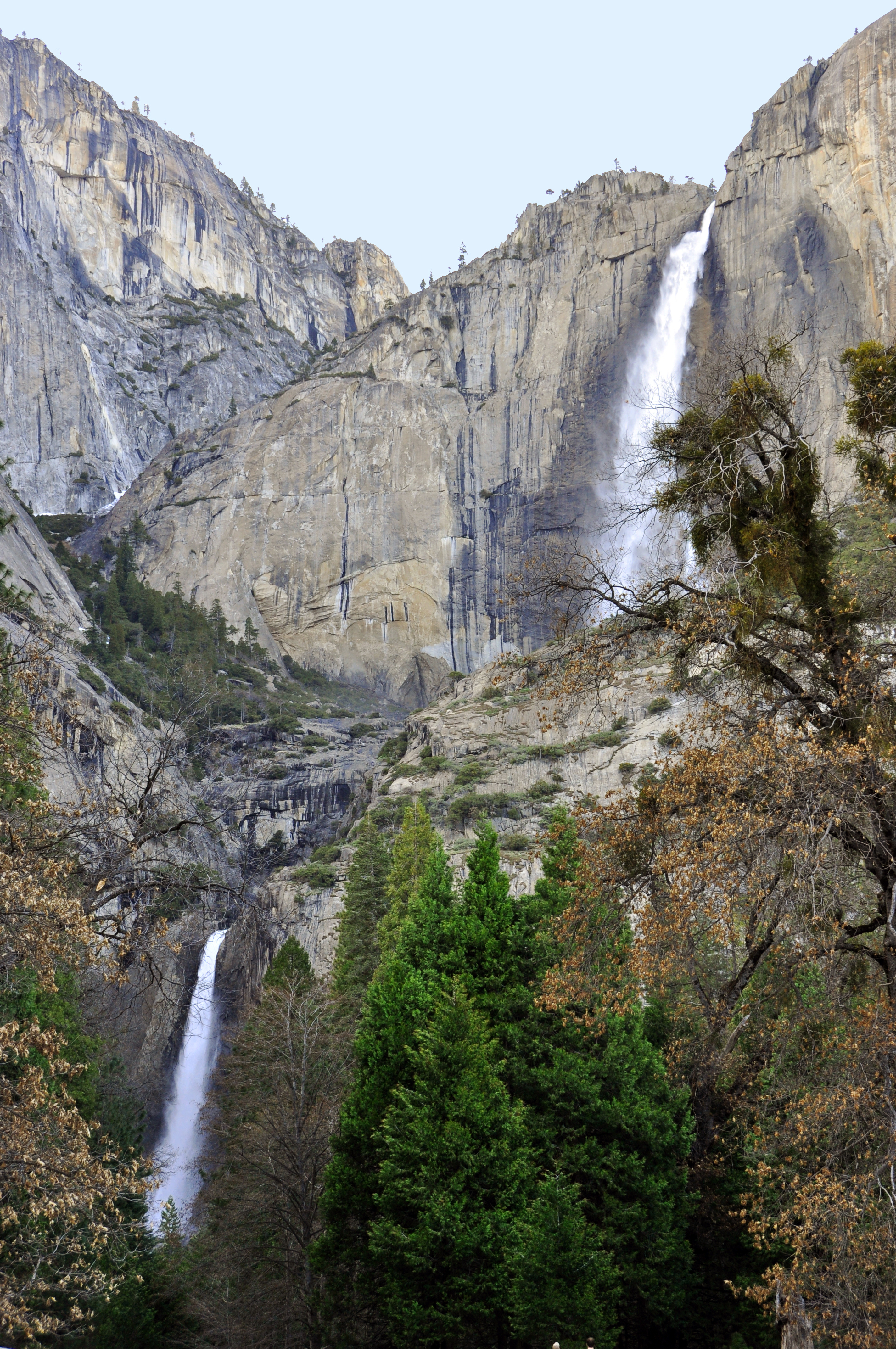
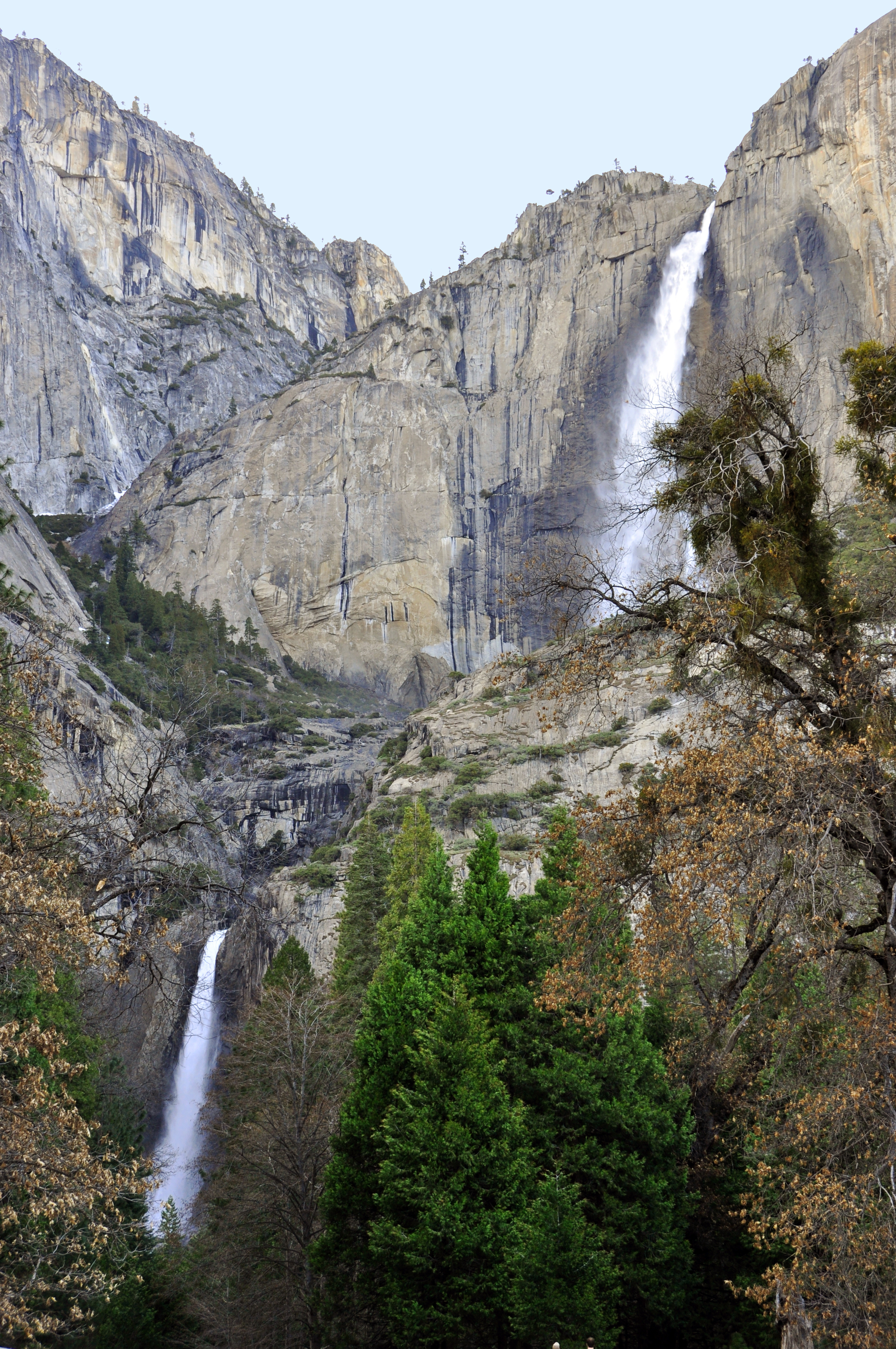
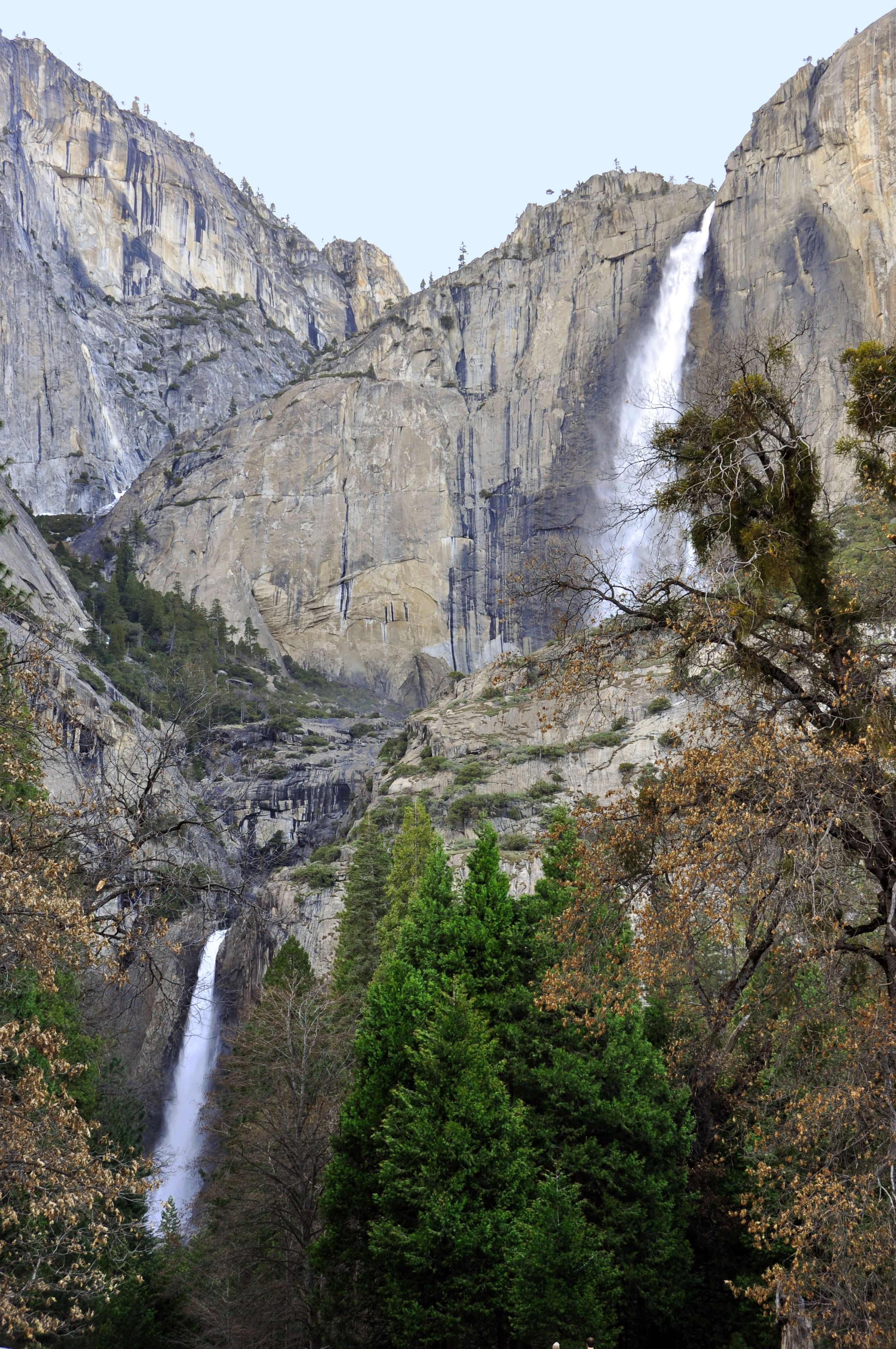
Upper Yosemite Fall is the uppermost segment of Yosemite Falls, the tallest waterfall in North America. Plunging 440 meters from the rim of Yosemite Valley down to an altitude of 1,599 meters above sea level, it commands a dominant presence over the valley floor. The waterfall is fed by snowmelt and seasonal rain, creating a spectacular flow that peaks in late spring.
History & Significance
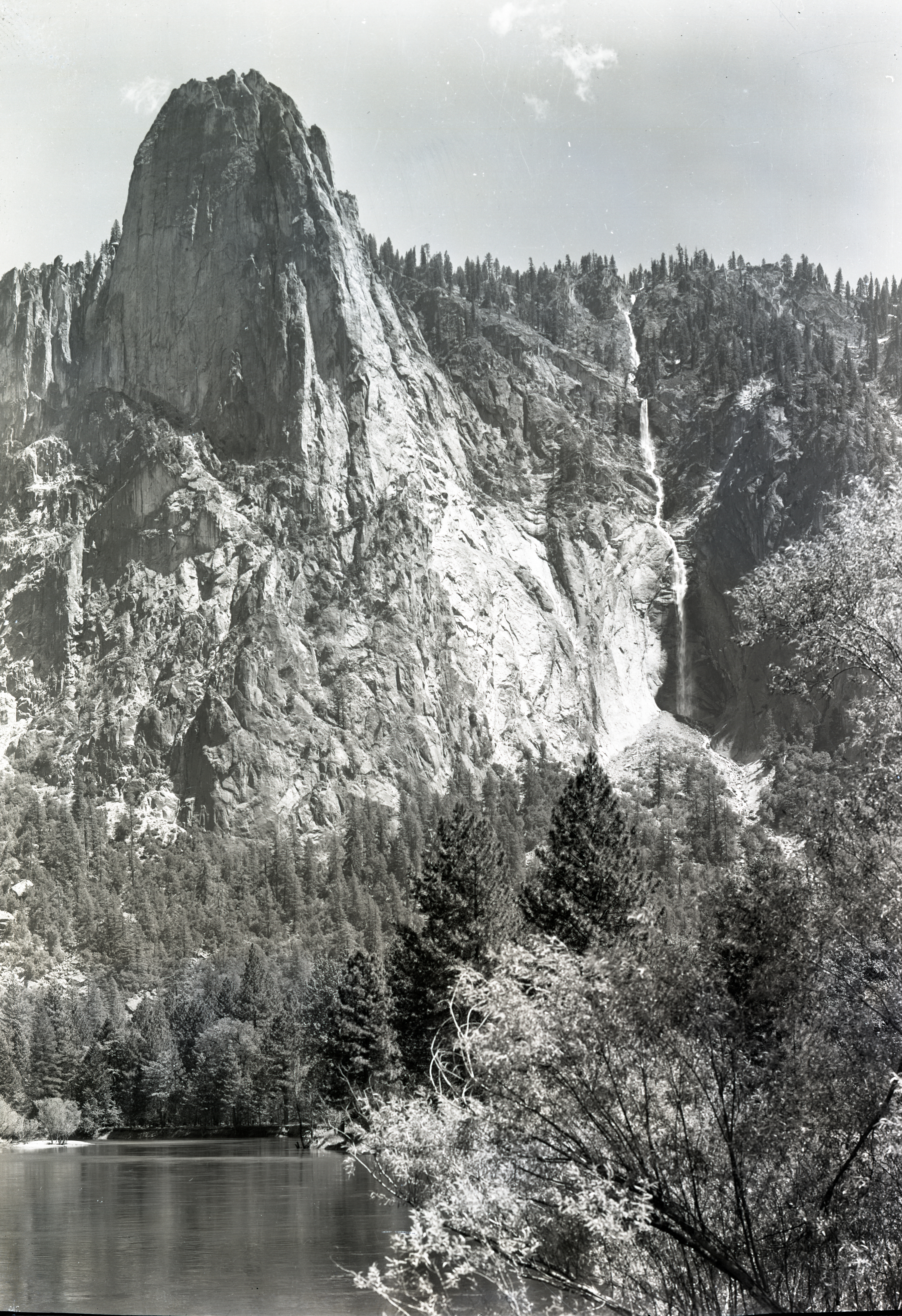
The falls have been a source of inspiration for artists, writers, and explorers since the 19th century. Early photographers such as Carleton Watkins captured the falls in black‑and‑white, helping to launch the conservation movement that eventually led to the creation of Yosemite National Park. Today, Upper Yosemite Fall remains a symbol of the park’s dramatic geology and the power of the Sierra Nevada’s water cycle.
Beyond its visual impact, the falls play an ecological role: the mist nourishes a unique micro‑habitat that supports mosses, lichens, and specialized alpine plants. The sheer drop also contributes to the formation of the iconic granite cliffs that define Yosemite Valley’s landscape.
3. How to Get There
Getting to Yosemite Valley
-
Fly or Drive to the Bay Area – Most visitors arrive via San Francisco International Airport (SFO) or Oakland International Airport (OAK). From there, rent a car and head east on CA‑140 or CA‑120 toward Yosemite National Park.
-
Enter Through the Arch Rock Entrance – The most direct route for the valley is the Arch Rock Entrance on Highway 140, which brings you straight into Yosemite Valley’s heart.
-
Park at Yosemite Valley – Use the Yosemite Valley Visitor Center or Curry Village parking lots. Both are within a short walk to the trailhead for Upper Yosemite Fall.
Trailhead & Basic Route
- Trailhead: Yosemite Falls Trailhead, located just a few minutes’ walk from the Visitor Center.
- Coordinates: 37.756971 ° N, ‑119.596769 ° W (use these in your GPS for precise navigation).
From the trailhead, the path ascends the granite slope of the valley wall, passing the Lower Yosemite Fall before climbing toward the upper tier. The trail is well‑marked, with occasional switchbacks that help manage the steep elevation gain.
Tip: Arrive early in the morning, especially during peak summer months, to secure parking and avoid crowds on the trail.
4. Best Time to Visit
| Season | Water Flow | Visitor Experience | Why It Matters |
|---|---|---|---|
| Spring (April–June) | High – Snowmelt fuels a powerful cascade. | Lush vegetation, vibrant rainbows in the mist. | Best for dramatic photos and full‑flow waterfalls. |
| Summer (July–August) | Moderate – Flow eases but remains impressive. | Warm weather, longer daylight for hiking. | Ideal for comfortable hiking conditions. |
| Fall (September–October) | Lower – Reduced runoff. | Fewer crowds, autumn colors on surrounding cliffs. | Great for a peaceful, reflective visit. |
| Winter (November–March) | Low to frozen – Ice formations may appear. | Snow‑covered scenery, potential trail closures. | For adventurous souls prepared for icy conditions. |
Peak recommendation: Late May to early June offers the most spectacular water volume while the trail remains clear of snow.
5. What to Expect
The Hike
- Elevation Gain: The ascent to Upper Yosemite Fall climbs several hundred meters from the valley floor.
- Terrain: Expect a mix of packed dirt, granite steps, and occasional exposed rock. The trail is steep but well‑maintained, with handrails in the most rugged sections.
- Duration: Most hikers complete the round‑trip in 2–4 hours, depending on fitness level and pace.
The View
Reaching the Upper Fall viewpoint, you’ll be greeted by a sheer wall of water disappearing into a mist‑filled gorge. The sound of the cascade reverberates off the granite, creating an almost cinematic atmosphere. On clear days, you can spot the Lower Yosemite Fall far below, creating a layered waterfall tableau that’s unique to this location.
Photography
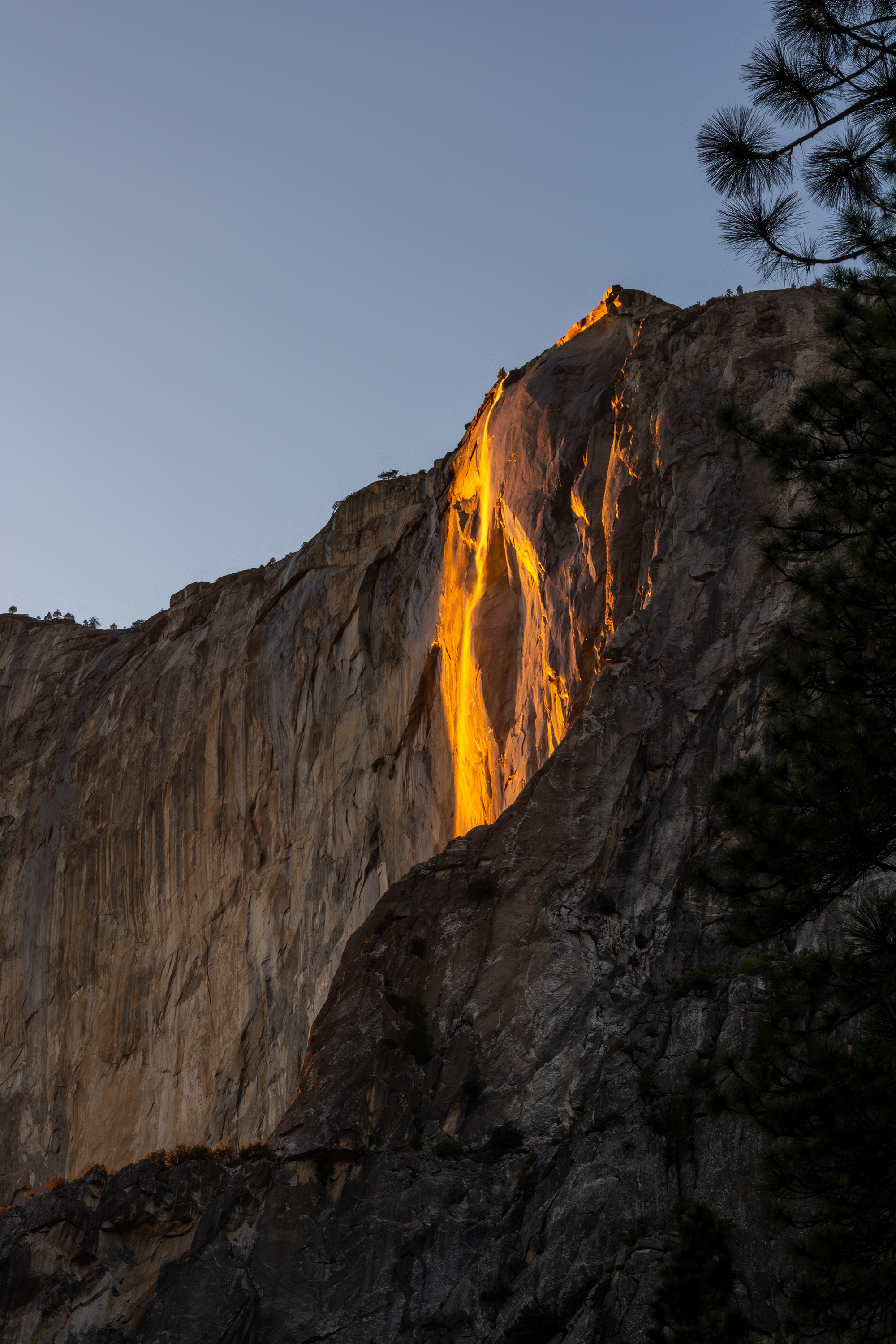
- Golden Hour: Early morning light casts warm tones on the granite and highlights the spray.
- Rainbows: The mist often produces vivid rainbows—position yourself with the sun behind you for the best effect.
- Long Exposures: Use a neutral density filter to smooth the water into silky ribbons while preserving the rugged cliffs.
6. Nearby Attractions
While Upper Yosemite Fall is the star, the surrounding area offers several other natural wonders worth exploring:
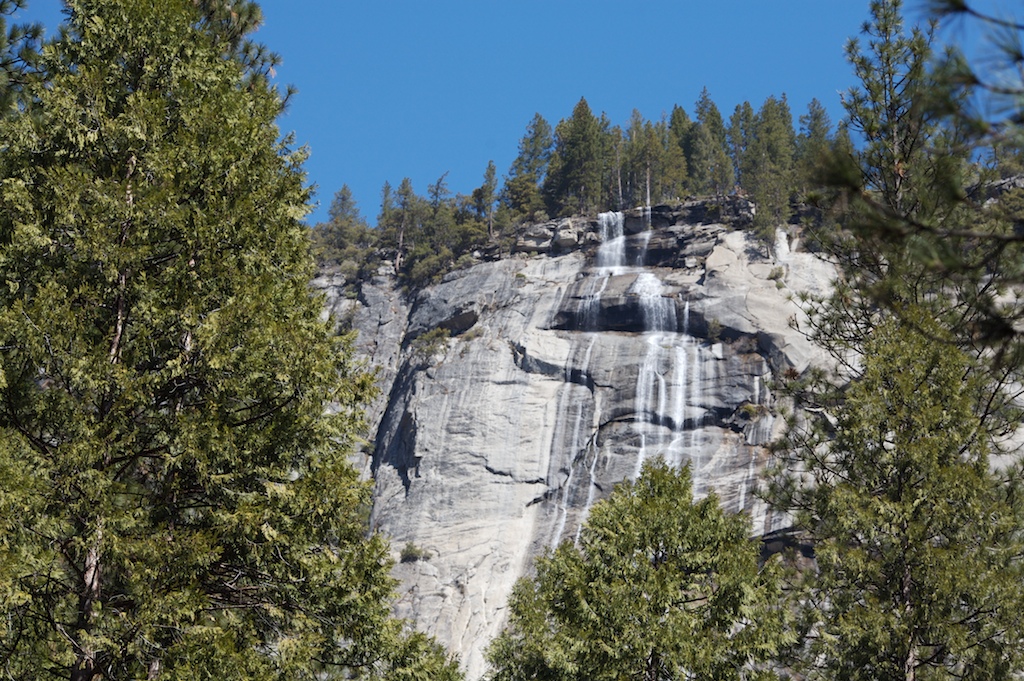
- Middle Cascades – Just 0.3 km away, this series of smaller drops adds texture to the overall waterfall system.
- Lower Yosemite Fall – Only 0.6 km downstream, it’s the final plunge of the iconic Yosemite Falls.
- Lehamite Falls – A hidden gem 1.7 km from the upper tier, accessible via a lesser‑known trail.
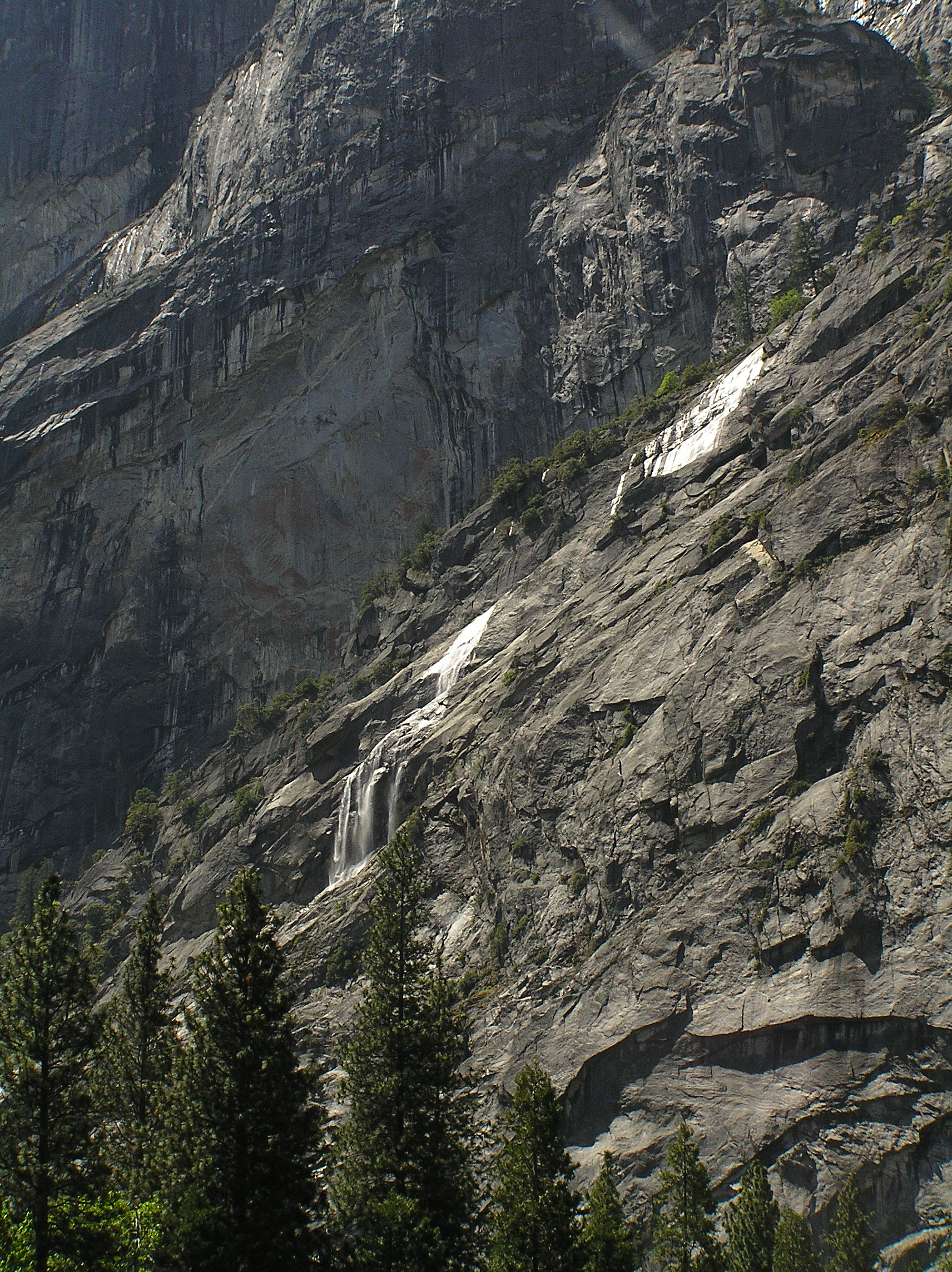
- Royal Arch Cascade – Located 2.4 km away, this cascade flows beneath the historic Royal Arch.
- Spring (unnamed) – A natural spring 2.5 km from Upper Yosemite Fall, offering a quiet spot for a picnic or a short rest.
Each of these sites can be reached via short hikes or scenic drives, making it easy to create a full‑day itinerary around the falls.
7. Travel Tips
| Tip | Details |
|---|---|
| Start Early | Parking fills up quickly, especially in summer. Arriving before 8 AM gives you a head start on the trail. |
| Dress in Layers | Temperatures can swing dramatically from valley floor to the rim. Bring a lightweight jacket even on warm days. |
| Footwear | Sturdy hiking shoes with good traction are essential; the trail can be slippery near the mist. |
| Stay Hydrated | Altitude and exertion increase dehydration risk. Carry at least 2 L of water per person. |
| Leave No Trace | Pack out all trash, stay on marked paths, and respect wildlife. Yosemite’s pristine environment depends on responsible visitors. |
| Check Trail Conditions | Seasonal snow or rockfall can affect the upper sections. Visit the NPS Yosemite website or the Visitor Center for real‑time updates. |
| Photography Gear | Bring a wide‑angle lens for the full cascade, a tripod for low‑light shots, and spare batteries (the mist can drain them quickly). |
| Permits | No special permit is required for the Upper Yosemite Fall hike, but a Yosemite National Park pass is mandatory for entry. |
| Safety | The trail includes steep drop‑offs. Keep children close and never venture off the path, especially near the water’s edge. |
Final Thought
Upper Yosemite Fall isn’t just a waterfall; it’s a living, breathing emblem of the grandeur that makes Yosemite National Park a bucket‑list destination for travelers worldwide. From the thundering roar of the cascade to the quiet moments of mist‑kissed air at the summit, every step of the journey rewards you with unforgettable sights and a deeper appreciation for California’s natural heritage. Pack your boots, charge your camera, and let the upper falls of Yosemite inspire your next adventure.
Keywords: Upper Yosemite Fall, Yosemite Falls, Yosemite National Park, California waterfalls, hiking Yosemite, best time to visit Yosemite, Yosemite Valley attractions, waterfall photography, travel tips Yosemite.