Tueeulala Falls – Yosemite Valley’s Hidden Jewel
If you’ve trekked the iconic Yosemite Valley and feel you’ve seen it all, think again. Nestled high in the Sierra Nevada, Tueeulala Falls drops a staggering 279 m (915 ft) from an altitude of 1,552 m (5,094 ft) above sea level. This spectacular waterfall is a secret that many visitors to California’s most famous national park never discover—until now.
About Tueeulala Falls
Tueeulala Falls is a towering waterfall located in the heart of Yosemite Valley, California, United States. Its coordinates (37.964006, –119.772762) place it amid the rugged granite cliffs and alpine meadows that define the park’s dramatic landscape.
History & Significance
The name “Tueeulala” is derived from the native Miwok language, honoring the cultural heritage of the region’s original inhabitants. While the waterfall has long been a natural landmark for the Miwok people, it remained relatively unknown to the wider world until modern hikers and photographers began charting the more remote sections of Yosemite.
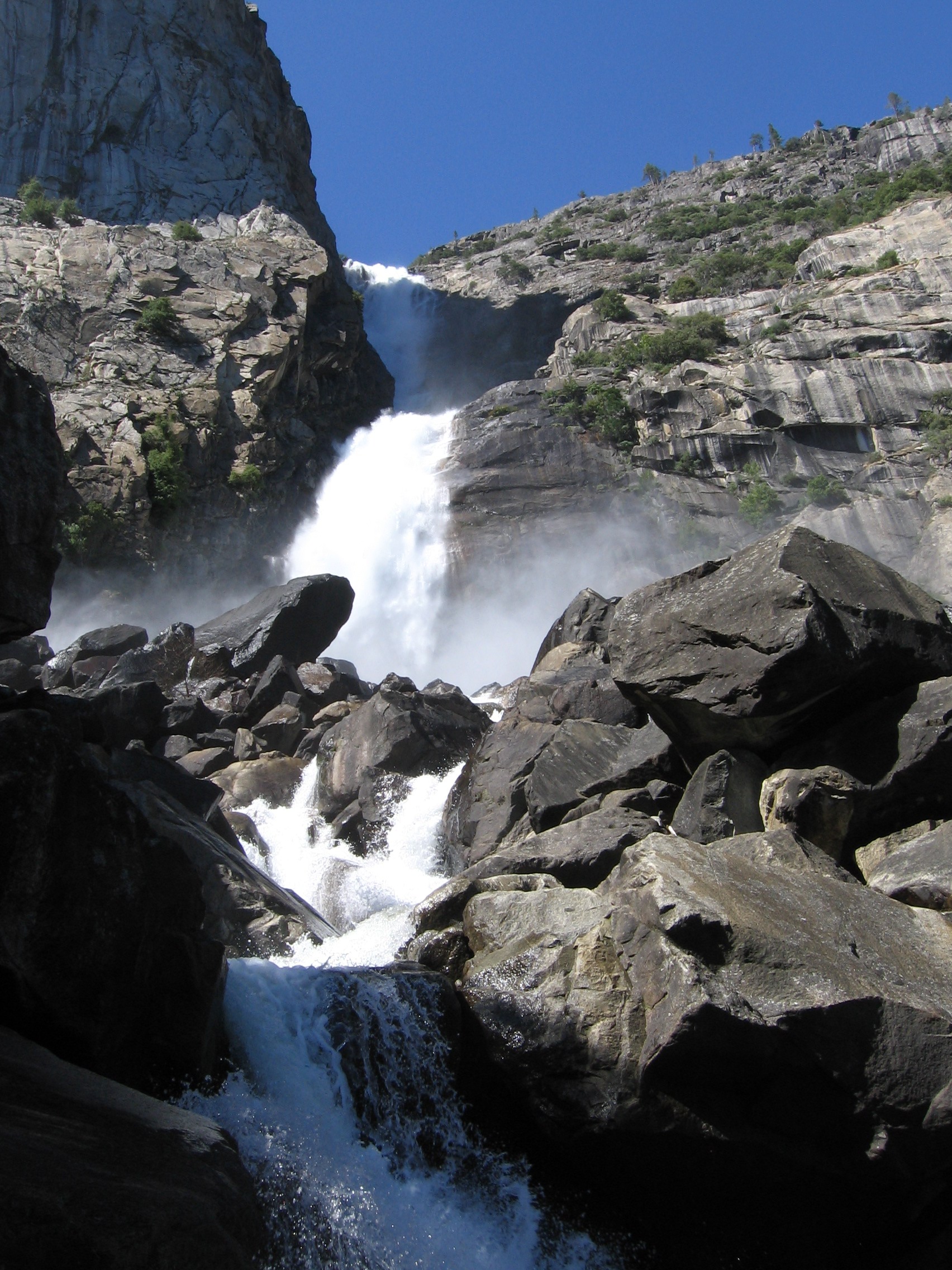
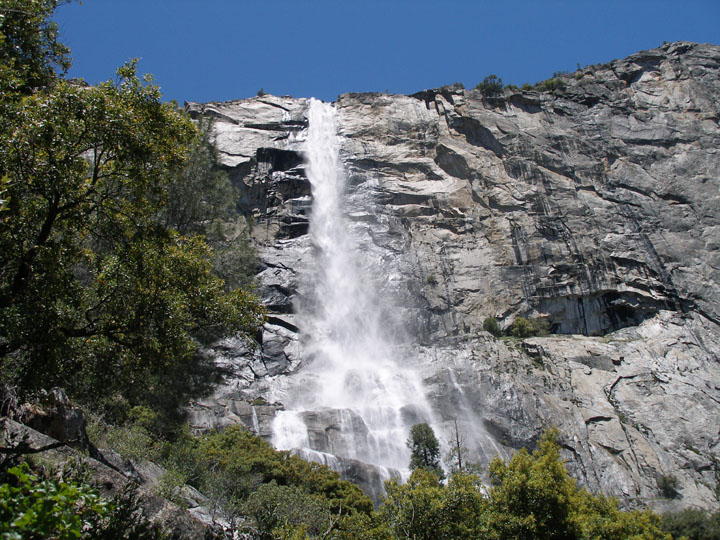
At 279 m, Tueeulala Falls is one of the tallest waterfalls in the state, rivaling the famous Yosemite Falls in sheer drop. Its high‑altitude source feeds a cascade that thunders down sheer rock faces, creating a misty veil that catches the sunlight and produces vivid rainbows on sunny days. The waterfall’s remote location has helped preserve its pristine condition, making it a must‑see for adventure‑seeking travelers who crave solitude and raw natural beauty.
For a quick reference, check the official Wikipedia entry: Tueeulala Falls.
How to Get There
Reaching Tueeulala Falls requires a bit of planning, but the journey is part of the adventure. Here’s a practical guide based on its location in Yosemite Valley:
-
Start from Yosemite Valley Visitor Center – Most travelers begin their day at the central hub in Yosemite Village. From here, head toward the Northside Road (also known as the Tioga Road entrance).
-
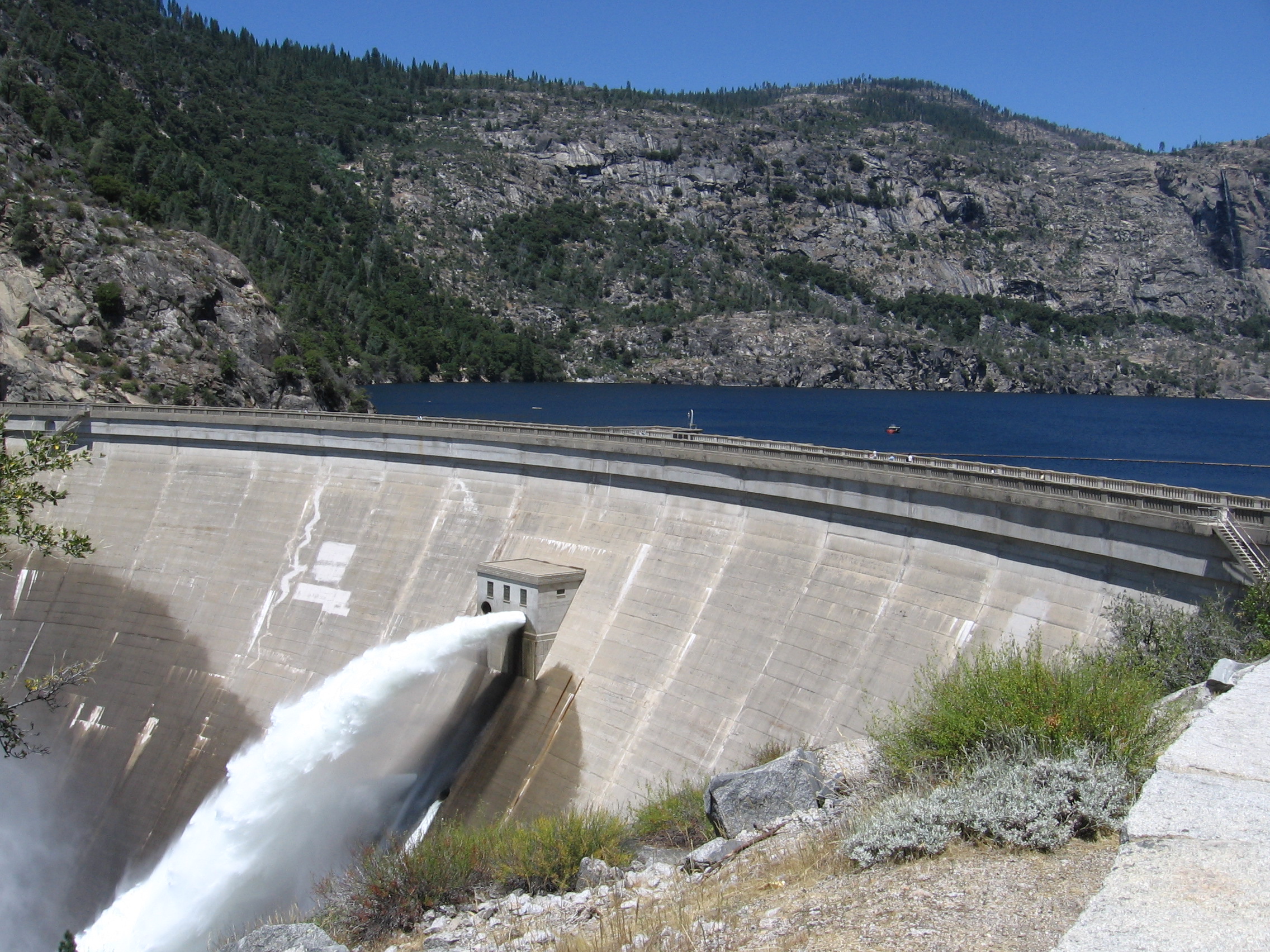
Drive to the Trailhead – Follow signs for the Hetch Hetchy Reservoir area. The trailhead that leads toward Tueeulala Falls is located near the O'Shaughnessy Dam (approximately 2.3 km from the falls). Parking is limited, so arrive early, especially during peak season.
-
Hike to the Falls – The hike is a moderate to strenuous trek through alpine terrain. While exact trail distances are not listed here, expect a climb that gains elevation as you ascend toward the waterfall’s source. Proper hiking boots, water, and layered clothing are essential because weather can change quickly at 1,552 m altitude.
-
Use GPS Coordinates – If you’re comfortable navigating with a GPS device or a smartphone map app, input the coordinates 37.964006, -119.772762 to pinpoint the waterfall’s location. This helps keep you on track, especially in sections where the trail may be less clearly marked.
-
Leave No Trace – Yosemite is a protected wilderness area. Pack out all trash, stay on established paths, and respect any seasonal closures that protect wildlife and fragile ecosystems.
Best Time to Visit
Tueeulala Falls is a year‑round attraction, but the experience varies dramatically with the seasons:
| Season | What to Expect | Why It’s Ideal |
|---|---|---|
| Spring (April‑June) | Snowmelt swells the cascade, creating a powerful, thunderous flow. Wildflowers begin to bloom in the surrounding meadows. | The waterfall is at its fullest, and the weather is mild. |
| Summer (July‑September) | Warm days and clear skies provide excellent visibility for photography. The mist creates spectacular rainbows. | Longer daylight hours make for a comfortable hike. |
| Fall (October‑November) | Cooler temperatures and fewer crowds. The surrounding foliage turns golden, adding a warm backdrop. | Ideal for peaceful contemplation and crisp air. |
| Winter (December‑March) | The falls may partially freeze, producing icy formations and a serene, silent landscape. Snow can make the trail more challenging. | For adventurous hikers who love winter scenery and don’t mind extra preparation. |
Overall, late spring to early fall offers the most reliable access and the most dramatic water flow, making it the sweet spot for most travelers.
What to Expect
When you finally stand at the base of Tueeulala Falls, the sheer scale of the cascade takes your breath away. The water plunges 279 m down a sheer granite wall, creating a deafening roar that reverberates through the valley. A fine mist rises from the impact zone, cooling the air and often forming delicate rainbows when sunlight pierces through.
The surrounding environment is a mix of alpine meadows, rocky outcrops, and sparse pine forests. Because the waterfall sits at an altitude of 1,552 m, the air feels crisp and clean—perfect for deep breaths and a moment of quiet reflection.
Photographers will love the contrast between the dark, polished rock and the white, frothy water. The best shots are usually taken from a safe distance on the left bank, where you can capture the full height of the falls against the backdrop of distant Sierra peaks.
Wildlife sightings are occasional but rewarding. Keep an eye out for marmots, pikas, and the occasional golden eagle soaring overhead. The area is also a prime spot for birdwatchers during migration seasons.
Nearby Attractions
While Tueeulala Falls is the star of the show, the surrounding region offers several other natural and historic points of interest that can easily be added to your itinerary:
| Attraction | Distance | Type | Quick Link |
|---|---|---|---|
| Wapama Falls | 0.8 km | Waterfall | Wapama Falls |
| O'Shaughnessy Dam | 2.3 km | Dam | O'Shaughnessy Dam |
| Unnamed Dam | 2.3 km | Dam | (no link available) |
| Unnamed Waterfall | 2.5 km | Waterfall | (no link available) |
| Unnamed Spring | 3.6 km | Spring | (no link available) |
These sites are all within a short drive or hike from the falls, allowing you to experience a variety of Yosemite’s natural wonders in a single day.
Travel Tips
- Start Early – Parking near the trailhead fills up quickly, especially on weekends. Arriving before 8 am gives you a better chance of securing a spot.
- Check Weather & Road Conditions – Tioga Road can close due to snow or rockslides. Visit the National Park Service website for real‑time updates.
- Bring a Portable Water Filter – While the area has natural water sources, treating it ensures safety.
- Layer Your Clothing – Temperatures at 1,552 m can swing from warm sun to chilly wind within minutes. A moisture‑wicking base layer, insulating mid‑layer, and wind‑proof outer layer work best.
- Carry a Headlamp – Daylight hours vary dramatically across seasons. If you’re caught near sunset, a reliable light source is essential.
- Leave No Trace – Pack out all trash, stay on established trails, and avoid disturbing wildlife. Yosemite’s pristine environment depends on responsible visitors.
- Photography Gear – A wide‑angle lens captures the full height of the falls, while a polarizing filter helps reduce glare and intensify rainbows. A sturdy tripod is useful for low‑light shots during sunrise or sunset.
- Respect Seasonal Closures – Certain sections may be closed to protect nesting birds or to allow for maintenance. Heed all signage and ranger instructions.
Final Thoughts
Tueeulala Falls may not have the name recognition of Yosemite’s famed waterfalls, but its towering height, remote serenity, and breathtaking alpine setting make it a hidden gem worth the effort. Whether you’re a seasoned hiker, a nature photographer, or simply a traveler seeking a quieter slice of Yosemite’s grandeur, this waterfall promises an unforgettable experience.
Pack your boots, charge your camera, and set your GPS to 37.964006, -119.772762—the adventure of a lifetime awaits at Tueeulala Falls. 🌊🏔️