Three Chute Falls – A Hidden Gem in Yosemite Valley, California
If you think you’ve seen every waterfall Yosemite has to offer, think again. Tucked away in the heart of Yosemite Valley, Three Chute Falls is a secret‑shrouded cascade that rewards the curious traveler with raw, untouched beauty and a touch of adventure.
1. Introduction
Yosemite National Park is synonymous with iconic waterfalls—Yosemite Falls, Bridalveil, and Vernal, to name a few. Yet, beyond the well‑trodden paths lies a quieter, more intimate water spectacle: Three Chute Falls. Named for its three distinct streams that plunge side‑by‑side, this waterfall offers a perfect blend of serenity and rugged charm. Whether you’re a seasoned hiker, a waterfall photographer, or simply someone who loves to wander off the beaten track, Three Chute Falls should be on your California travel bucket list.
Quick facts:
- Location: Yosemite Valley, California, United States
- Coordinates: 37.759364, -119.529933
- Type: Tiered waterfall (three chutes)
- Height & Altitude: Not officially documented (adds to the mystery!)
2. About Three Chute Falls
A Brief Description
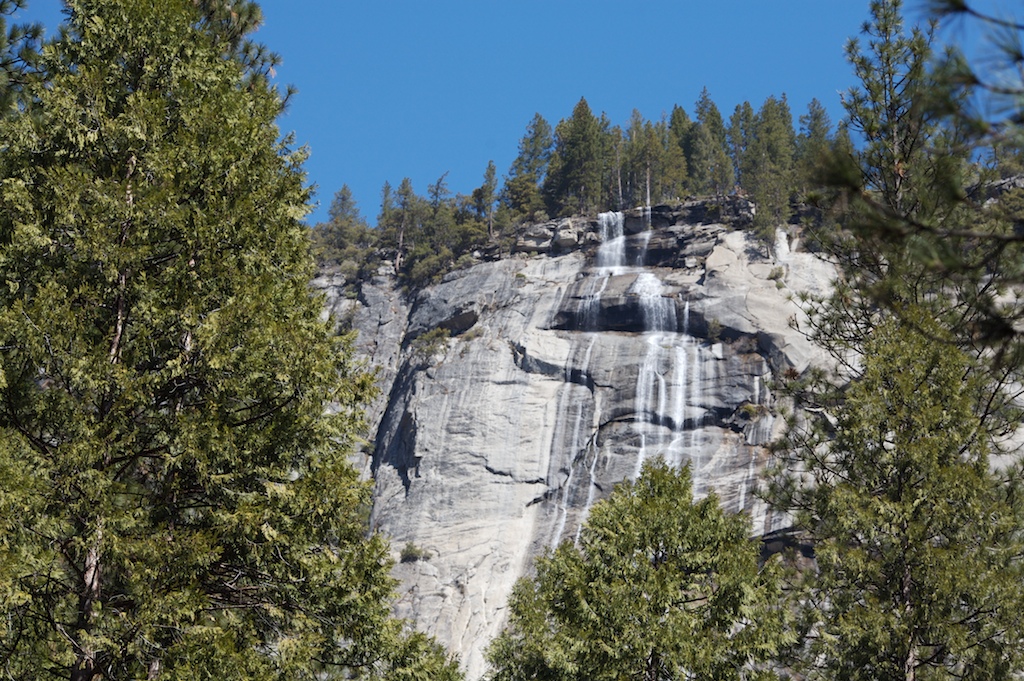
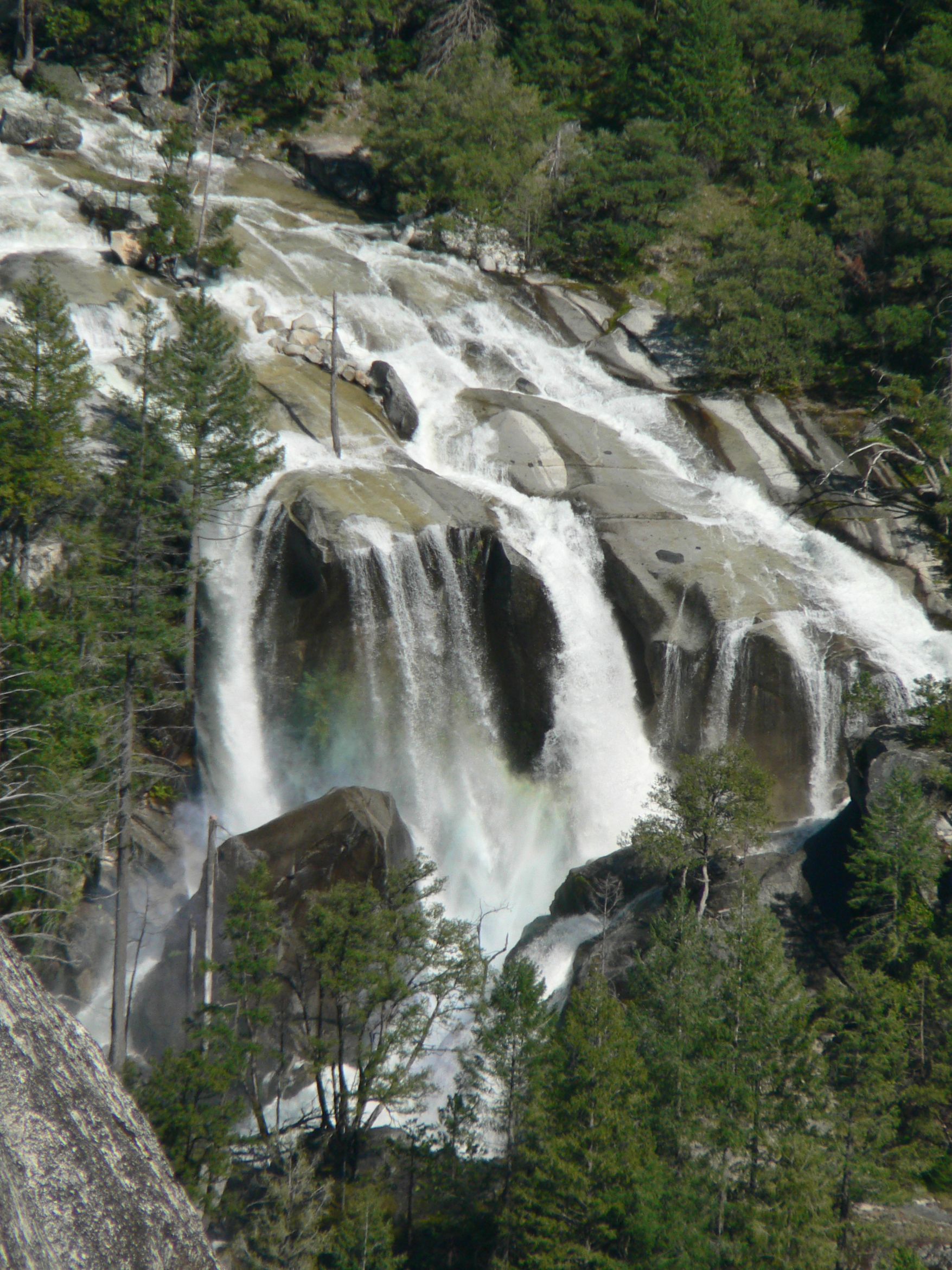
Three Chute Falls is a tiered waterfall that splits into three parallel streams as it descends over a rugged granite ledge. The water originates from seasonal snowmelt and spring runoff that feed the surrounding high country. Because its flow varies dramatically with the seasons, the falls can appear as a delicate veil in late summer or a thunderous torrent in spring.
History & Significance
While the exact discovery date of Three Chute Falls isn’t recorded, the waterfall has long been a point of interest for early explorers and park rangers who mapped Yosemite’s hidden waterways. Its name reflects the visual impression of three “chutes” or channels carving their way down the rock face—a natural sculpture that showcases the park’s geological dynamism.
In the broader context of Yosemite Valley waterfalls, Three Chute Falls remains less crowded, offering a tranquil spot for contemplation and photography. Its relative obscurity makes it a favorite among locals and seasoned hikers seeking a quieter connection with nature.
3. How to Get There
Getting to Yosemite Valley
-
Fly or Drive In – The nearest major airports are Fresno Yosemite International (FAT) (≈1.5 hrs drive) and San Francisco International (SFO) (≈4 hrs drive). From either airport, rent a car and follow Highway 140 or Highway 41 into the park.
-
Enter Through the Yosemite Valley Entrance – Purchase a park pass (annual or daily) at the entrance station.
Trailhead & Route
-
Trailhead: The most common access point is the Northside Trailhead near the Happy Isles area. From the trailhead, follow the Northside Trail eastward toward the Stoneman’s Ridge junction.
-
Key Waypoints:
- Stoneman’s Ridge – Offers panoramic views of the valley and serves as a navigation marker.
-
Three Chute Falls Turnoff – A faint, well‑marked side trail branches left (southwest) from the main Northside Trail about 1.2 km from the trailhead.
-
Distance & Difficulty: The round‑trip hike to the falls is roughly 5 km (3.1 mi) with moderate elevation gain (≈250 m). The path is a mix of paved sections, packed dirt, and occasional rocky scramble—suitable for hikers with average fitness.
Parking & Shuttle
- Parking: Limited parking is available at the Happy Isles parking lot (seasonal). Arrive early during peak months (May–July) to secure a spot.
- Shuttle: Yosemite’s free YARTS (Yosemite Area Regional Transportation System) operates seasonal routes that stop near the trailhead. Check the latest schedule on the official Yosemite website.
4. Best Time to Visit
| Season | Water Flow | Trail Conditions | Why Visit |
|---|---|---|---|
| Spring (Mar‑May) | Highest—snowmelt feeds robust cascades | Muddy but manageable; occasional stream crossings | The falls are at their most powerful, perfect for dramatic photography. |
| Summer (Jun‑Aug) | Moderate to low; occasional dry spells | Dry, well‑maintained trails; crowds increase in the valley | Ideal for comfortable hiking and spotting wildlife. |
| Fall (Sep‑Oct) | Reduced flow; autumn colors enhance scenery | Cool, stable footing; fewer visitors | A peaceful atmosphere with golden foliage framing the falls. |
| Winter (Nov‑Feb) | Minimal flow; occasional ice formations | Snow and ice may make the trail hazardous; some sections closed. | For the adventurous—ice‑capped chutes create a unique, ethereal view. |
Top Recommendation: Late spring (mid‑April to early May) offers the perfect blend of strong water flow and accessible trail conditions, making it the prime season for waterfall enthusiasts.
5. What to Expect
The Visual Experience
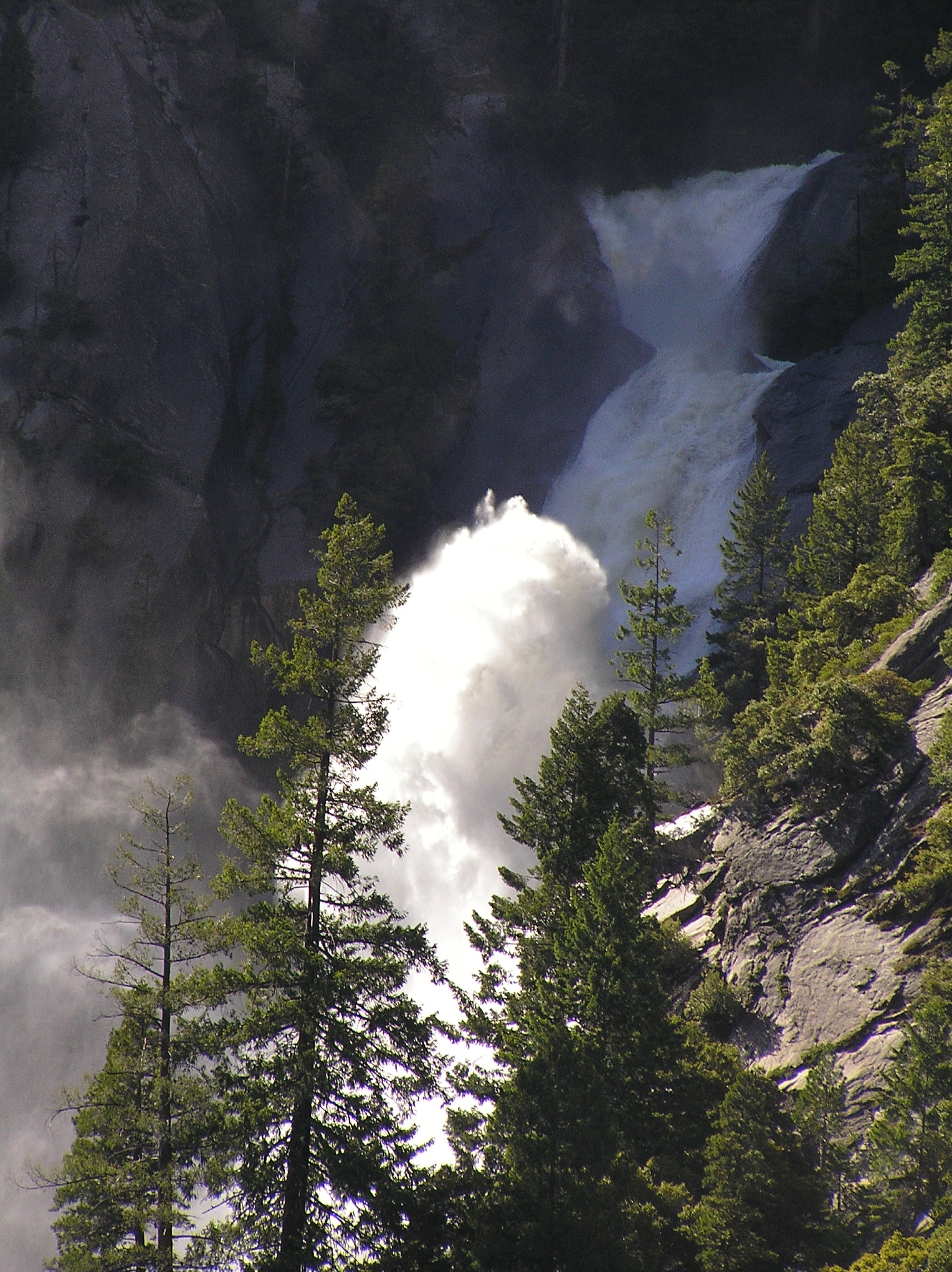
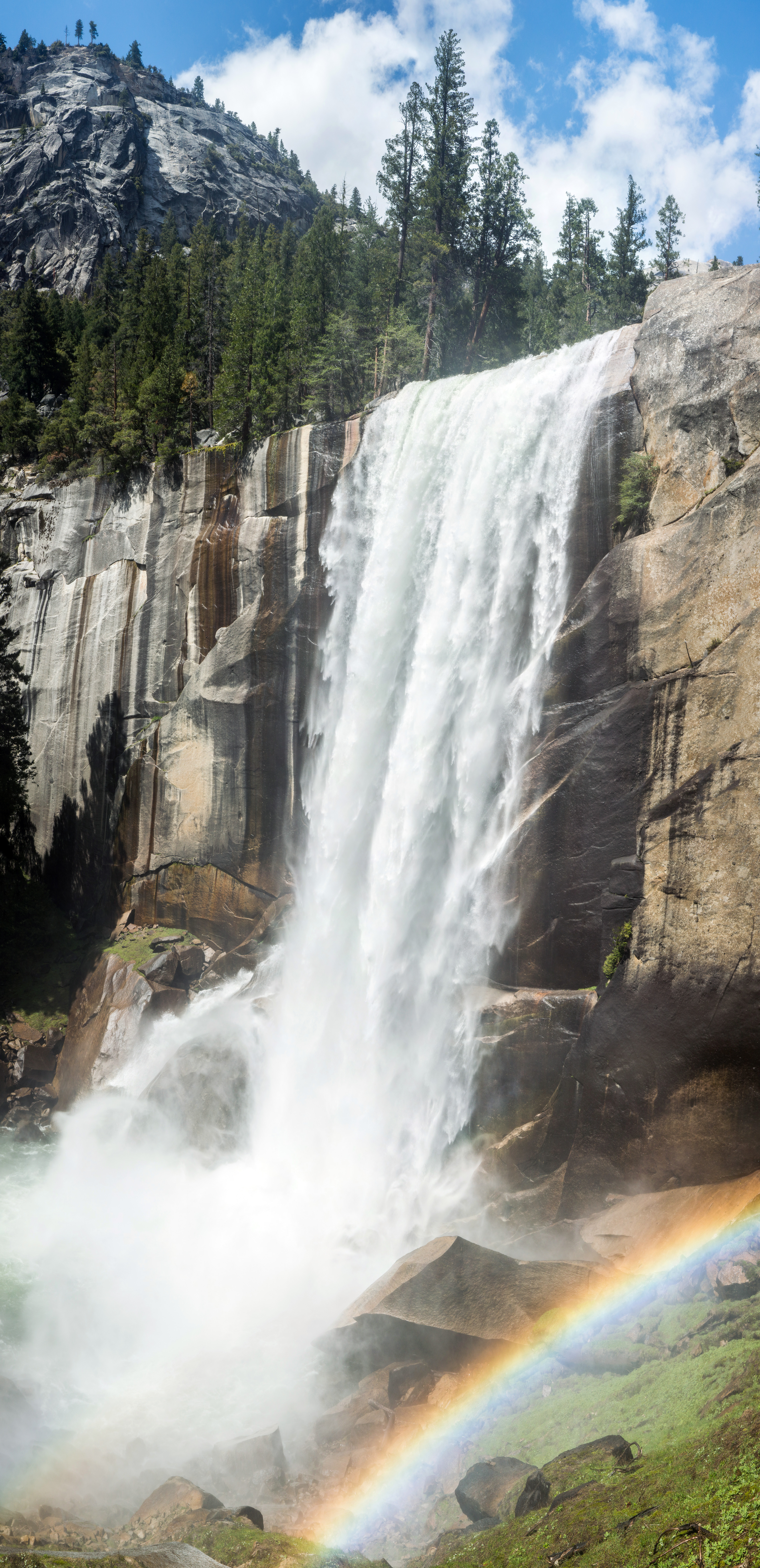
Approaching Three Chute Falls, you’ll first hear the gentle murmur of water before the sight of three distinct streams slicing through the granite. The falls cascade over a broad, weathered ledge, creating a misty spray that catches the sunlight in a delicate rainbow during sunny days. The surrounding forest—dominated by Ponderosa pine and incense cedar—provides a verdant backdrop that changes with the seasons.
Sound & Sensory Details
- Sound: A soothing blend of rushing water and rustling leaves. In spring, the roar can be surprisingly loud, echoing off the valley walls.
- Smell: Fresh, crisp mountain air infused with pine resin and the subtle scent of wet stone.
- Touch: If you venture close to the base, the cool mist will lightly dampen your skin—a refreshing pause on a warm hike.
Photography Tips
- Golden Hour: Capture the falls with warm, soft light either just after sunrise or before sunset.
- Long Exposure: Use a tripod and a slow shutter speed (2‑5 seconds) to smooth the water into silky ribbons.
- Composition: Position the three chutes as leading lines that draw the viewer’s eye toward the valley floor.
6. Nearby Attractions
While you’re in the area, consider adding these natural wonders to your itinerary. All are within a short drive or hike from Three Chute Falls:
- Snow Creek Falls – Only 0.8 km away, this elegant waterfall drops over a series of ledges, creating a picturesque cascade that’s perfect for a quick side‑trip.
- Unnamed Spring (1.8 km) – A hidden spring that feeds local streams; great for spotting native amphibians.
- Iron Spring – Approximately 2.7 km distant, this mineral‑rich spring offers a unique turquoise hue and a peaceful spot for a picnic.
- Silver Apron – A stunning 3.7 km trek leads you to this waterfall, famed for its silvery veil that resembles an elegant apron draped over the rocks.
- Unnamed Spring (3.7 km) – Another secluded spring, ideal for quiet contemplation and birdwatching.
These attractions can be combined into a full‑day loop that showcases the diversity of Yosemite’s lesser‑known waterways and natural features.
7. Travel Tips
| Tip | Details |
|---|---|
| Start Early | Arriving before 8 am helps you beat the midday crowds and secure parking at the Happy Isles lot. |
| Pack Layers | Yosemite’s elevation can cause rapid temperature changes—bring a light jacket even in summer. |
| Stay Hydrated | Carry at least 2 L of water per person; refill at designated water stations. |
| Leave No Trace | Pack out all trash, stay on marked trails, and avoid disturbing wildlife. |
| Footwear | Sturdy hiking boots with good traction are essential, especially on rocky or wet sections. |
| Check Trail Status | Before you go, review the latest trail conditions on the NPS Yosemite website—seasonal closures can affect access. |
| Wildlife Awareness | Keep a safe distance from bears and store food in bear‑proof lockers if staying overnight in the valley. |
| Photography Gear | Bring a waterproof camera bag and lens cloth to keep equipment dry from spray. |
| Cell Service | Limited in the backcountry; download offline maps (e.g., AllTrails, Gaia GPS) beforehand. |
| Permit for Overnight | If you plan to camp in the backcountry near the falls, obtain a wilderness permit from the park’s reservation system. |
Final Thought
Three Chute Falls may not have the towering height of Yosemite Falls, but its three parallel streams, intimate setting, and ever‑changing flow make it a standout destination for anyone craving a deeper, quieter connection with the park’s water wonders. Pair it with nearby gems like Snow Creek Falls and Iron Spring, and you’ve got a day of unforgettable natural beauty—away from the usual tourist throngs.
So lace up your boots, grab your camera, and let the whisper of Three Chute Falls guide you to a hidden corner of Yosemite that few have truly explored. Happy hiking!