Snow Creek Falls – Yosemite’s Hidden 650‑Meter Giant
If you’ve trekked the iconic Yosemite Valley and are still searching for that “wow” moment, look no further than Snow Creek Falls. Tucked high above the valley floor, this 650‑meter (2,133‑foot) cascade drops dramatically from an altitude of 1,594 m, offering one of the most spectacular—and least crowded—waterfall experiences in California.
1. Introduction
Yosemite National Park is synonymous with towering waterfalls, from the thunderous roar of Yosemite Falls to the elegant veil of Bridalveil. Yet, beyond the park’s headline attractions lies a secret jewel that only the most adventurous hikers discover: Snow Creek Falls. Perched on the rugged eastern rim of Yosemite Valley, this hidden waterfall plunges over 650 meters of sheer granite, creating a mist‑filled curtain that can be seen from miles away on a clear day.
For photographers chasing the perfect waterfall shot, nature lovers craving solitude, or hikers seeking a new challenge, Snow Creek Falls is the ultimate off‑the‑beaten‑path destination. In this guide, we’ll explore everything you need to know to make the most of your visit—from the waterfall’s fascinating background to practical travel tips and nearby attractions worth adding to your itinerary.
2. About Snow Creek Falls
A Brief Description
- Location: Yosemite Valley, California, United States
- Coordinates: 37.765494, ‑119.534858
- Height: 650 m (2,133 ft) – one of the tallest waterfalls in the continental United States
- Altitude: 1,594 m (5,230 ft) above sea level
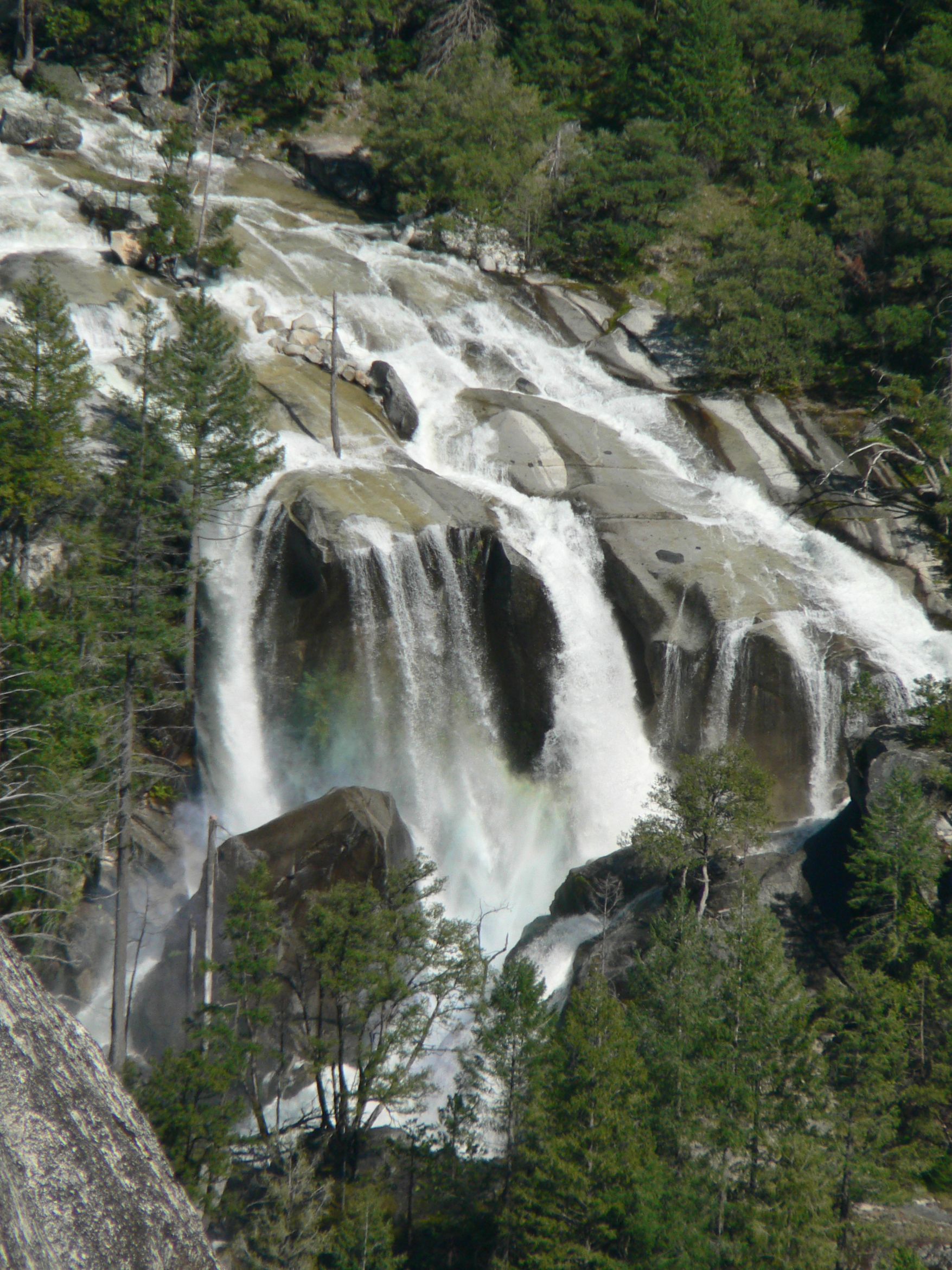
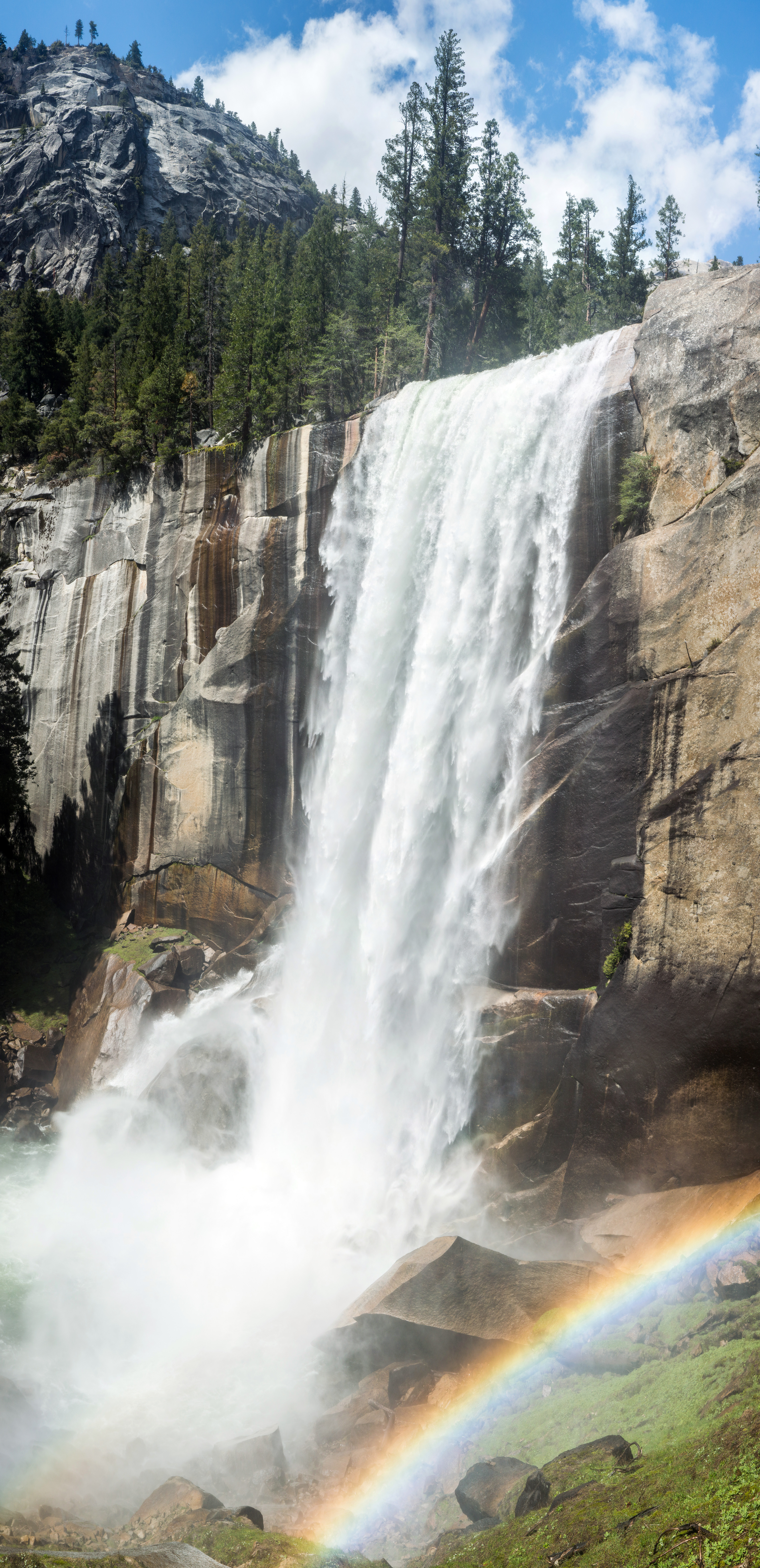
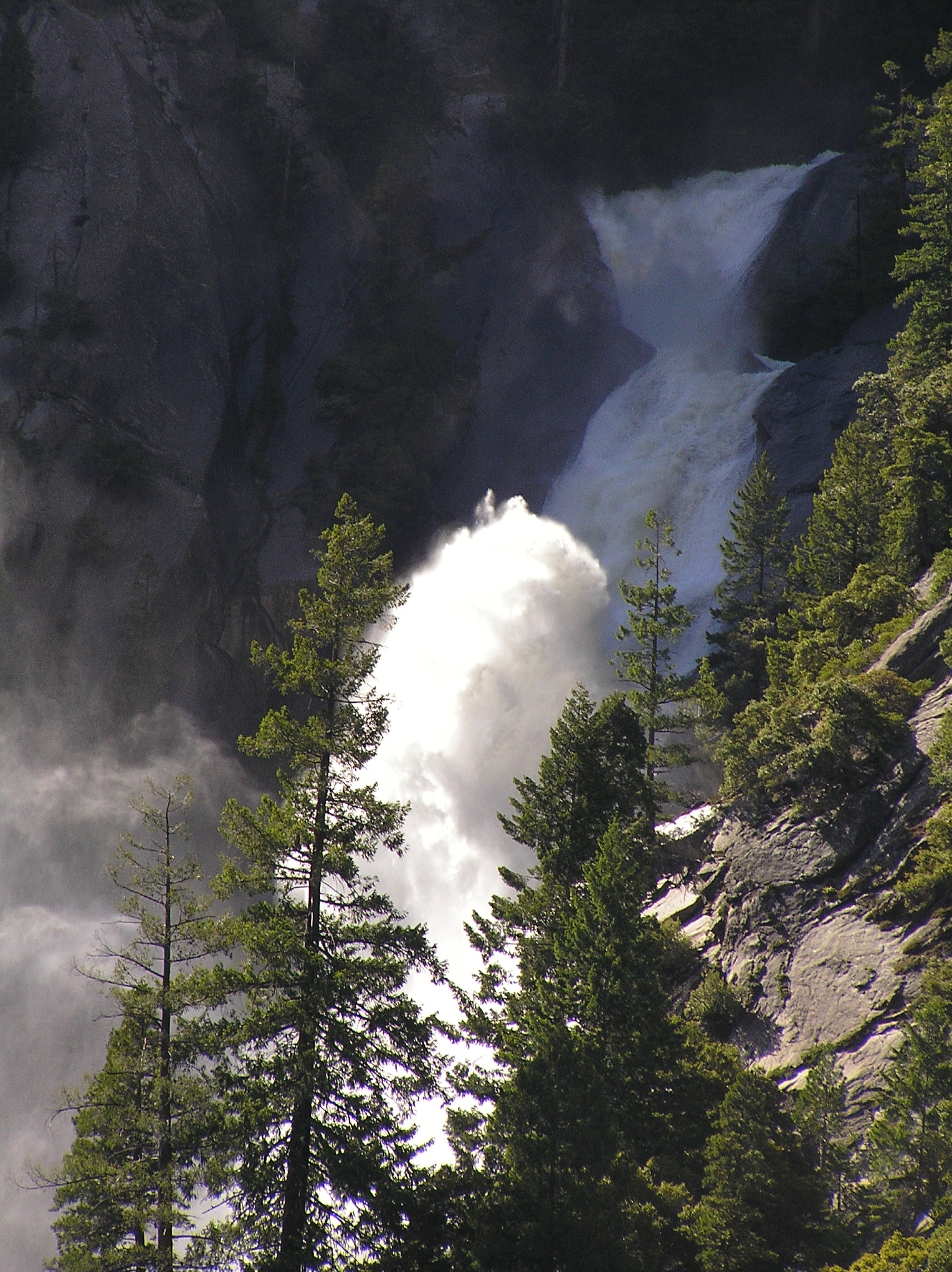
Snow Creek Falls is a tiered plunge waterfall that descends a sheer granite face, feeding into the upper reaches of Snow Creek. The cascade is fed primarily by snowmelt and seasonal runoff, which means its flow can vary dramatically throughout the year. In late spring and early summer, when the snowpack in the high Sierra melts, the falls roar with a powerful, thundering presence. By late summer, the water may reduce to a delicate veil, offering a completely different visual experience.
Historical Context
While the waterfall itself has existed for millennia, its name was officially recorded in early 20th‑century USGS maps as “Snow Creek Falls,” reflecting the creek’s source from the snow‑capped peaks surrounding the valley. Early park rangers noted the falls as a landmark for backcountry travelers navigating the high country routes between Yosemite Valley and the Tuolumne Meadows area.
Significance
Snow Creek Falls is more than a scenic backdrop; it’s a geological showcase of the Sierra Nevada’s glacial history. The sheer cliff over which the water drops is composed of ancient granitic rock that was sculpted by glaciers during the last Ice Age. The waterfall’s dramatic height also makes it a benchmark for waterfall enthusiasts who track the world’s tallest cascades.
3. How to Get There
Starting Point: Yosemite Valley
The most common gateway to Snow Creek Falls is the Yosemite Valley floor, where the park’s main lodges, shuttle system, and visitor center are located. From the valley, you’ll need to head east toward the high country.
Trail Access
Although there is no officially marked “Snow Creek Falls Trail” on the park’s standard maps, the waterfall can be reached via a backcountry route that follows the Snow Creek drainage. The typical approach involves:
- Take the park shuttle or drive to the Yosemite Valley Trailhead near the Northside Trail (close to the Curry Village area).
- Hike eastward on the Northside Trail until you reach the junction with the Upper Yosemite Falls Trail.
- From this junction, turn left (south‑east) onto a unmaintained footpath that follows the Snow Creek watershed. The path gradually ascends through alpine meadows and rocky talus.
Distance & Elevation: The round‑trip distance from the valley floor to a viewpoint of Snow Creek Falls is roughly 12–14 km (7–9 mi), with an elevation gain of about 1,000 m (3,300 ft).
Permits & Regulations
Because the route traverses backcountry terrain, you’ll need a Yosemite National Park backcountry permit if you plan to camp overnight in the area. Day‑hikers do not require a permit, but you must follow Leave‑No‑Trace principles, stay on established routes, and be prepared for sudden weather changes at high altitude.
Getting There by Car (Alternative)
If you prefer a scenic drive, you can take Tioga Road (Highway 120) to the Tioga Pass Entrance and then follow Tioga Pass Road eastward to the Tioga Pass Trailhead. From there, a longer but equally rewarding hike leads to Snow Creek Falls via the Tuolumne River watershed. This route is best attempted in late spring or early summer when Tioga Road is fully open.
4. Best Time to Visit
| Season | Water Flow | Visitor Experience | Photography Tips |
|---|---|---|---|
| Late Spring (May‑June) | Highest flow from snowmelt; thunderous roar | Peak waterfall power; occasional crowds on the trail | Use fast shutter speeds to freeze the spray; capture rainbows in the mist |
| Early Summer (July) | Strong flow, slightly reduced | Comfortable temperatures; longer daylight | Shoot during golden hour for warm tones on the granite |
| Late Summer (August‑September) | Reduced flow; delicate veil | Fewer hikers; more intimate experience | Emphasize texture of the rock; long exposures for silky water |
| Fall (October‑November) | Minimal flow, possible ice formations | Crisp air, autumn foliage | Highlight contrast between icy cascade and colorful foliage |
| Winter (December‑February) | Often frozen or very low flow; snow-covered access | Trail may be snow‑packed; requires winter gear | Capture the stark, dramatic winter landscape; use a tripod for low‑light shots |
Optimal Visit: For most travelers, late May through early July offers the best combination of powerful water flow, accessible trail conditions, and vibrant alpine scenery.
5. What to Expect
The Journey
As you ascend from Yosemite Valley, the landscape transitions from lush riverbanks to open sub‑alpine meadows dotted with wildflowers (in summer) and towering pines. The trail can be rocky and steep in sections, especially as you approach the high‑altitude watershed. Expect occasional stream crossings and exposed ridgelines offering panoramic views of the Sierra Nevada crest.
The Viewpoint
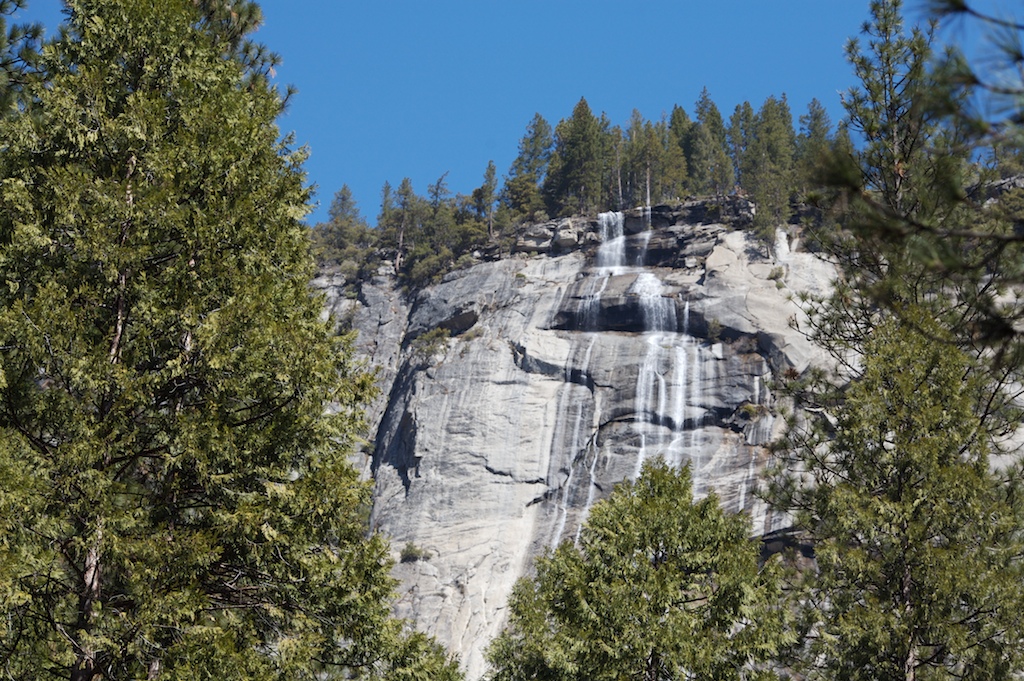
Snow Creek Falls is best admired from a natural overlook located roughly 300 m (1,000 ft) below the crest of the waterfall. From this spot, you’ll see the water plunge over the sheer granite wall, disappearing into a misty plume that shrouds the lower canyon. On clear days, the cascade is visible from across the valley, creating a striking silhouette against the sky.
Sensory Experience
- Sound: The roar of the water can be heard from a distance, creating a deep, resonant hum that grows louder as you approach.
- Sight: The contrast between the white water and the dark granite, framed by alpine vegetation, makes for unforgettable photo opportunities.
- Touch: If you brave the mist, the cool spray offers a refreshing sensation on a warm summer day.
Wildlife
The high‑elevation environment supports black bears, mule deer, and a variety of songbirds. Keep a safe distance from wildlife, store food properly, and stay on the trail to minimize disturbance.
6. Nearby Attractions
While Snow Creek Falls is the star of the show, the surrounding area hosts several other natural gems that can easily be added to your day trip.
| Attraction | Distance from Snow Creek Falls | What to See | Link |
|---|---|---|---|
| Three Chute Falls (waterfall) | 0.8 km | A series of three narrow cascades that tumble into a moss‑covered pool. | Three Chute Falls |
| Unnamed Spring | 2.6 km | A quiet mountain spring offering fresh water and a peaceful spot for a break. | — |
| Iron Spring (spring) | 2.9 km | Known for its iron‑rich mineral deposits that give the water a subtle rust hue. | — |
| Unnamed Spring | 3.6 km | A secluded alpine spring surrounded by wildflowers in summer. | — |
| Royal Arch Cascade (waterfall) | 3.6 km | A graceful cascade that drops over a natural arch, perfect for photography. | — |
Tip: Combine these sites into a circular backcountry loop if you have a full day and a permit for overnight camping. The varied terrain offers a mix of waterfall vistas, serene springs, and alpine meadows.
7. Travel Tips
| Tip | Details |
|---|---|
| Start Early | Arrive at the trailhead before 8 am to avoid the midday heat and to secure a good parking spot. |
| Pack Layers | Weather at 1,594 m can shift quickly; bring a waterproof jacket, insulated layer, and sun protection. |
| Footwear | Sturdy hiking boots with good ankle support are essential for rocky sections and possible stream crossings. |
| Water & Snacks | Carry at least 2 L of water per person and high‑energy snacks; there are no reliable water sources on the trail. |
| Navigation | Use a GPS device or offline map app with the coordinates 37.765494, ‑119.534858; trail markers can be sparse. |
| Leave No Trace | Pack out all trash, stay on established paths, and avoid disturbing wildlife or vegetation. |
| Safety | Check the park’s current trail conditions and weather forecast on the official Yosemite National Park website before heading out. |
| Photography Gear | A wide‑angle lens (16‑35 mm) captures the full scale of the falls; a polarizing filter reduces glare on the water. |
| Permits | If you plan to camp near the falls, apply for a backcountry permit at least 24 hours in advance via the Recreation.gov portal. |
| Alternative Access | In winter, consider a snowshoe or cross‑country ski approach from the Tioga Pass area; be prepared for deep snow and avalanche risk. |
Final Thoughts
Snow Creek Falls may not appear on every tourist brochure, but that’s exactly why it feels like a secret treasure for those willing to venture off the main road. Whether you’re chasing the roar of a 650‑meter cascade, hunting for pristine alpine scenery, or simply craving a quieter side of Yosemite, this waterfall delivers an unforgettable experience.
Plan your trip, respect the wilderness, and let the mist of Snow Creek Falls refresh your spirit—because the best stories from Yosemite often begin where the crowds end.
Ready to explore? Grab your boots, pack your camera, and set your GPS to 37.765494, ‑119.534858. Snow Creek Falls is waiting.