Sentinel Fall: Yosemite’s Hidden Cascading Gem
If you’ve trekked the iconic Yosemite Valley and still crave a fresh splash of wonder, Sentinel Fall is the secret waterfall that will make you fall in love with the park all over again.
1. Introduction
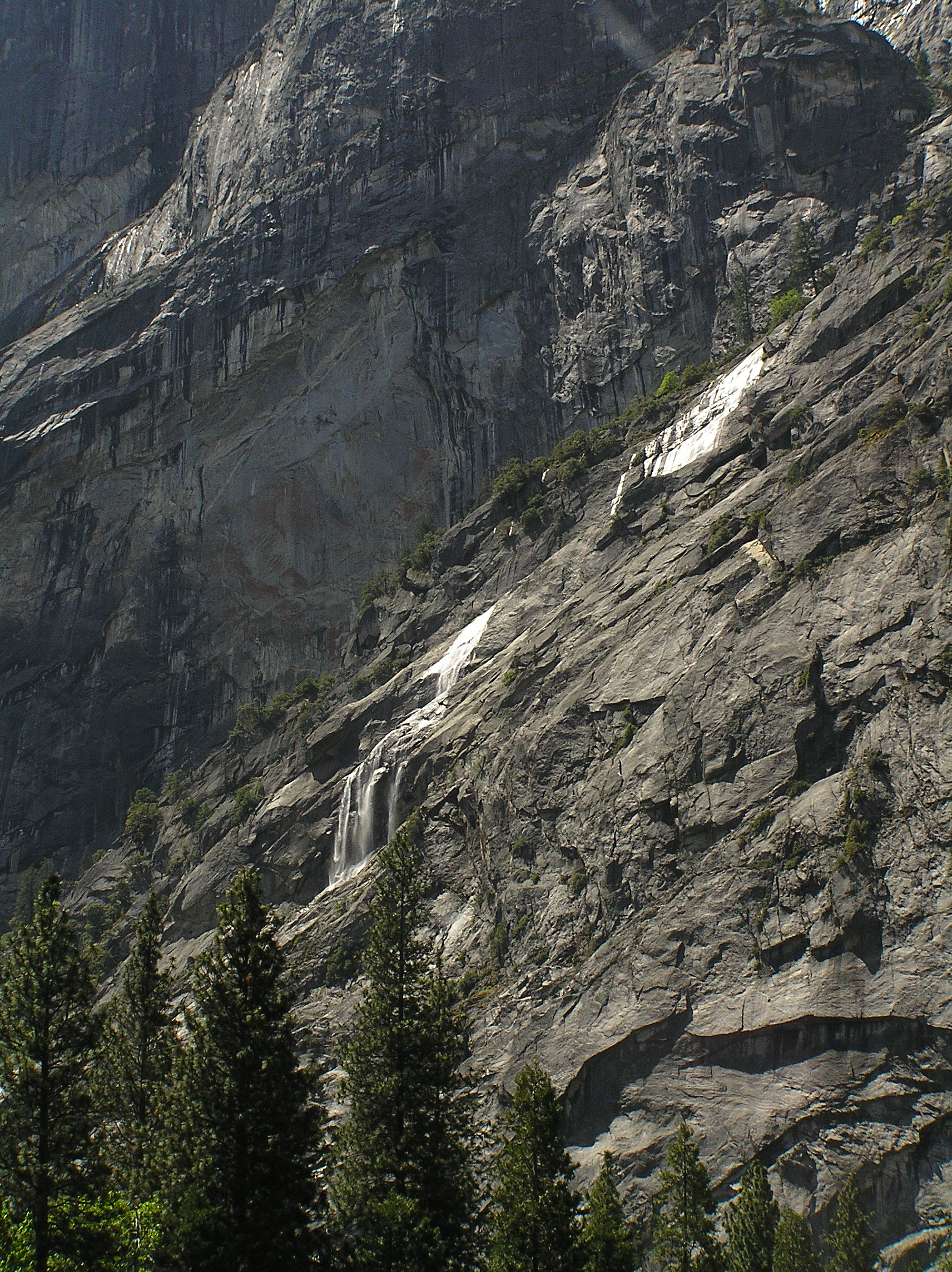
Nestled high above the bustling valley floor, Sentinel Fall drops an astonishing 590 meters (1,936 feet) from a sheer granite cliff, making it one of California’s most dramatic waterfalls. While the world knows Yosemite for its towering Yosemite Falls and the ethereal glow of Horsetail Fall, Sentinel Fall remains a quieter, awe‑inspiring spectacle that rewards the curious traveler with pristine views, crisp alpine air, and a sense of untouched wilderness.
Whether you’re a seasoned hiker, a photography enthusiast chasing the perfect waterfall shot, or simply a nature lover seeking a new perspective on Yosemite, Sentinel Fall should be high on your California travel bucket list.
2. About Sentinel Fall
- Location: Yosemite Valley, California, United States
- Coordinates: 37.724915, ‑119.596497
- Height: 590 m (≈ 1,936 ft)
- Altitude: 1,716 m (≈ 5,630 ft) above sea level
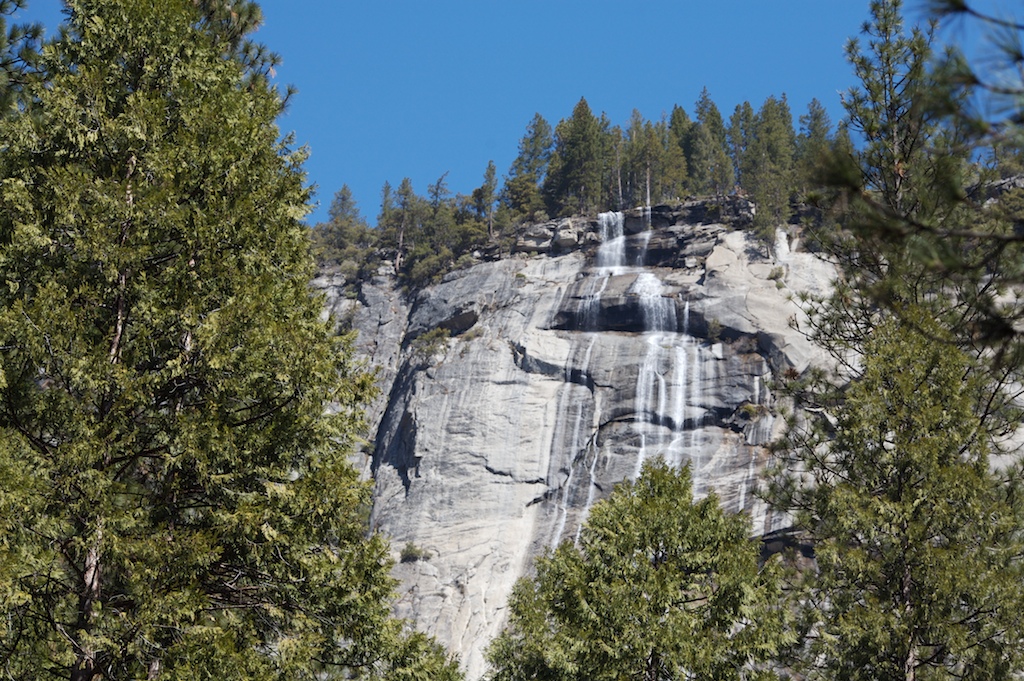
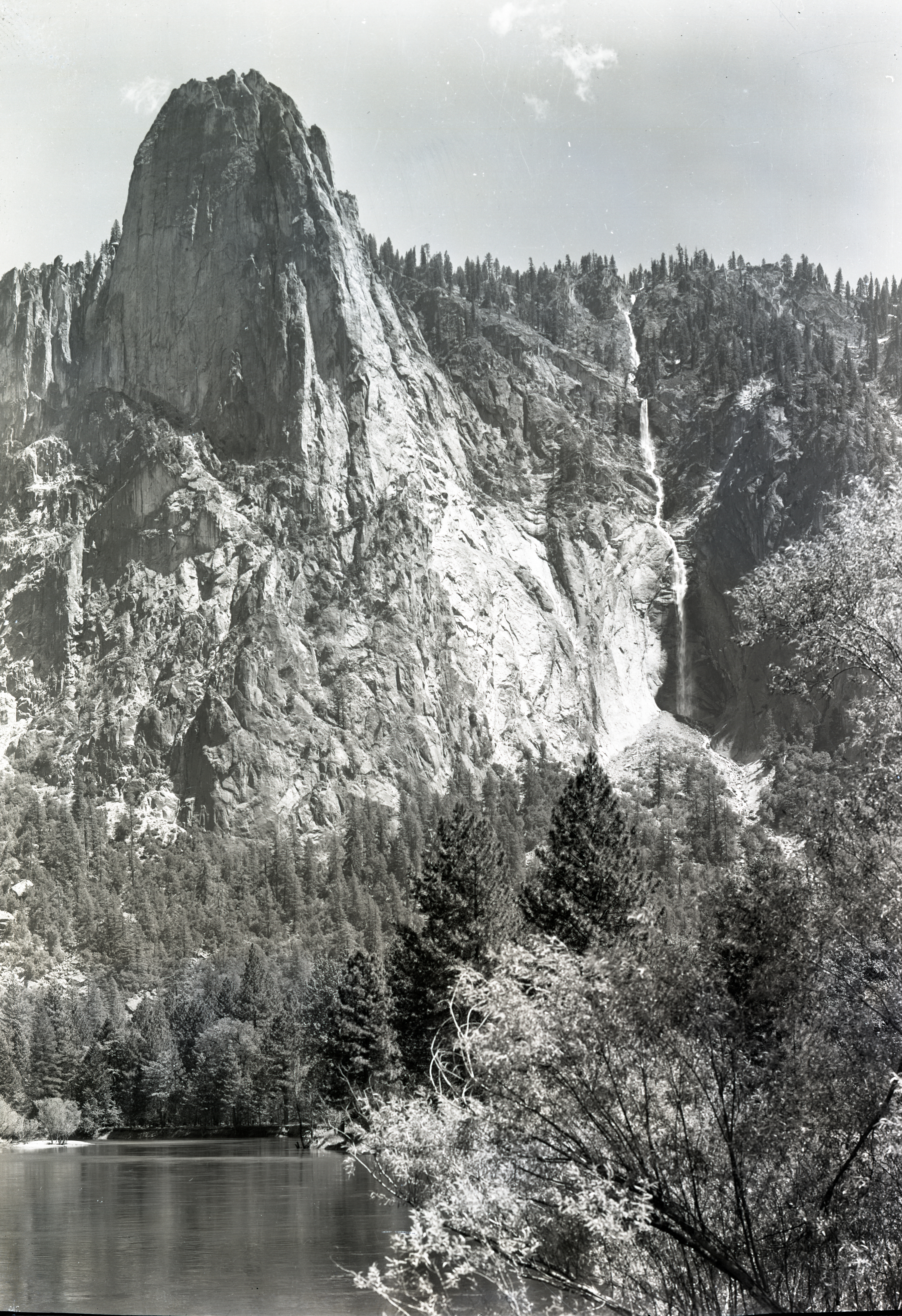
Sentinel Fall plunges from a granite ledge that crowns the western rim of Yosemite Valley. Its name reflects the sentinel‑like presence of the surrounding cliffs, which have stood guard over the valley for millennia. While the waterfall is not as heavily trafficked as the lower falls, its sheer scale and remote feel give it a mythic quality that has long intrigued naturalists and photographers.
Historically, Sentinel Fall has been noted in early park surveys as a “hidden cascade” that only becomes visible from certain high‑point viewpoints. Its remote location means that the fall is rarely featured in mainstream travel guides, preserving its pristine condition and offering visitors a more intimate connection with Yosemite’s rugged beauty.
3. How to Get There
Getting to Yosemite Valley
-
Fly or Drive In – The nearest major airports are Fresno Yosemite International (FAT) (≈ 1.5 hrs drive) and San Francisco International (SFO) (≈ 4 hrs drive). Rent a car and follow CA‑140 or CA‑41 into the park.
-
Enter Through the Arch Rock Entrance – This is the most direct route to Yosemite Valley for visitors coming from the south.
-
Park at Yosemite Village – Use the main parking lot near the Yosemite Valley Visitor Center. From here, the valley floor shuttle runs continuously and can take you to trailheads that provide the best views of Sentinel Fall.
Reaching the Viewpoint
Sentinel Fall is best admired from the Sentinel Rock overlook, a short hike from the Yosemite Falls Trailhead. While the exact trail name is not listed in official sources, visitors typically follow the well‑marked path that ascends the north side of the valley floor, passing Upper Yosemite Falls before branching toward the high ridge.
Key tips:
- Start early – Arriving before 9 am helps you beat the crowds and secure a parking spot.
- Bring sturdy hiking shoes – The ascent involves rocky sections and some moderate grade.
- Carry water – Altitude is 1,716 m, so hydration is essential.
If you prefer a less strenuous option, the Yosemite Valley Shuttle drops you at the Curry Village stop, from where a short, paved walk leads to a scenic viewpoint that frames Sentinel Fall against the valley’s granite walls.
4. Best Time to Visit
| Season | What to Expect | Why It’s Ideal |
|---|---|---|
| Spring (April‑June) | Snowmelt swells the flow, creating a thunderous cascade. | Water volume peaks; wildflowers carpet the valley floor. |
| Summer (July‑September) | Flow steadies but remains impressive; longer daylight hours. | Ideal for photography with golden‑hour lighting. |
| Fall (October‑November) | Water levels dip, revealing the sheer rock face. | Crisp air, fewer visitors, spectacular autumn foliage. |
| Winter (December‑March) | Ice formations may partially veil the fall; occasional snow. | Dramatic winter scenery for adventurous photographers. |
Top recommendation: Visit in late May to early June when the snowmelt is at its strongest, and the surrounding meadow is alive with color. This period also offers the best chance to capture the iconic “rainbow” effect that sometimes appears in the mist.
5. What to Expect
Standing at the Sentinel Rock overlook, you’ll feel the mist on your face as the water plunges nearly 600 meters into the canyon below. The roar of the cascade is audible from the valley floor, yet the view feels intimate—thanks to the natural amphitheater formed by surrounding cliffs.
- Visuals: A towering ribbon of water that shimmers in the sun, framed by rugged granite and alpine pine.
- Sounds: A deep, resonant roar that mixes with the wind, creating a symphonic backdrop.
- Feel: The cool, refreshing spray on a warm day, and the invigorating mountain air at altitude.
Photography enthusiasts will love the interplay of light and shadow, especially during sunrise when the east‑facing cliffs catch the first golden rays. In the evening, the fall takes on a silvery hue as the setting sun reflects off the mist.
Because Sentinel Fall is less trafficked, you’ll often find yourself alone with nature—perfect for meditation, sketching, or simply soaking in the grandeur of Yosemite’s high country.
6. Nearby Attractions
While Sentinel Fall is the star of the show, the surrounding area boasts several other spectacular waterfalls that are just a short distance away. Consider adding these to your itinerary:
- Staircase Falls – 2.2 km away; a series of tiered drops that cascade through a lush forest.
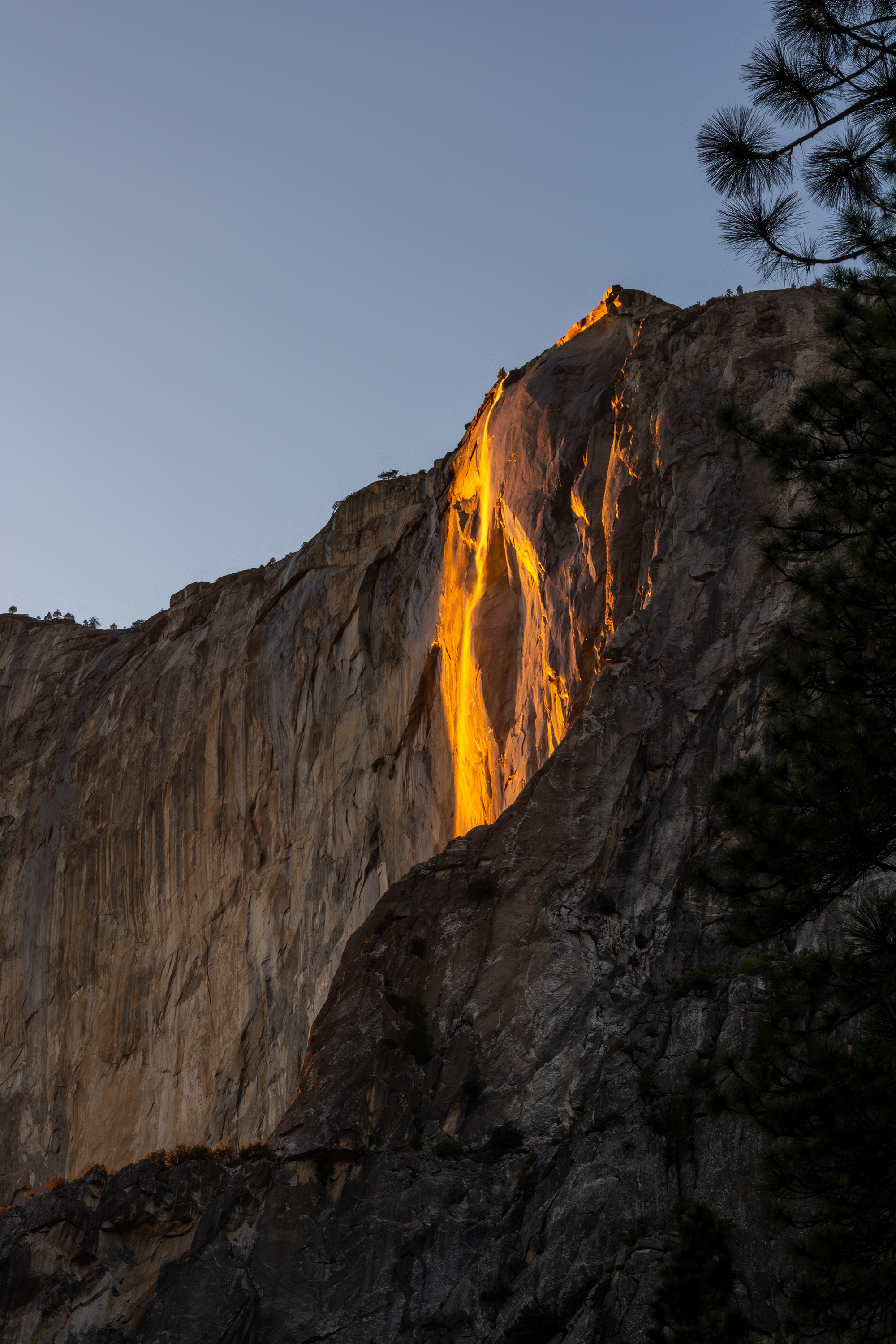
- Horsetail Fall – 2.9 km away; famous for its “firefall” effect in late February when the setting sun illuminates the water.
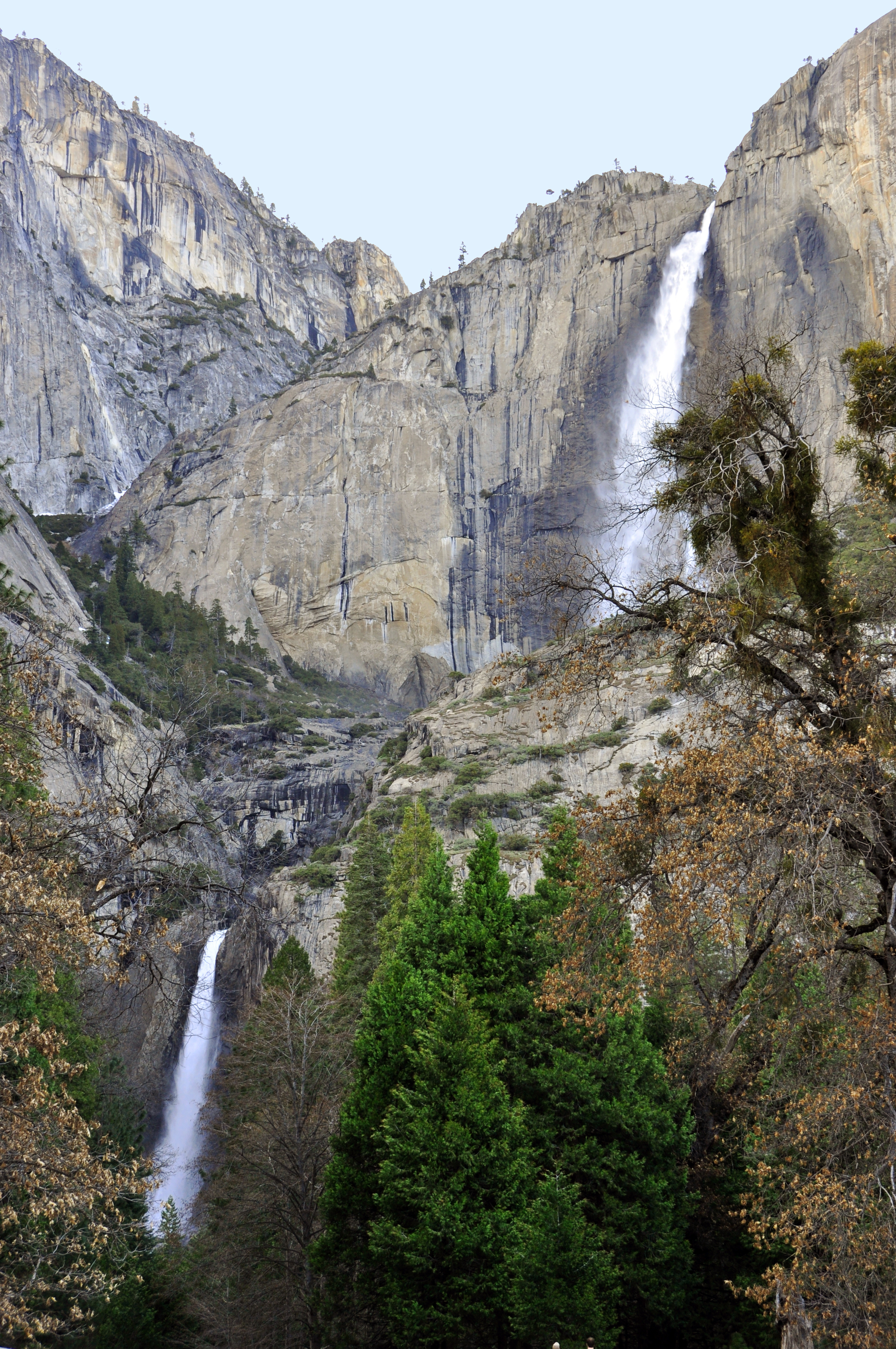
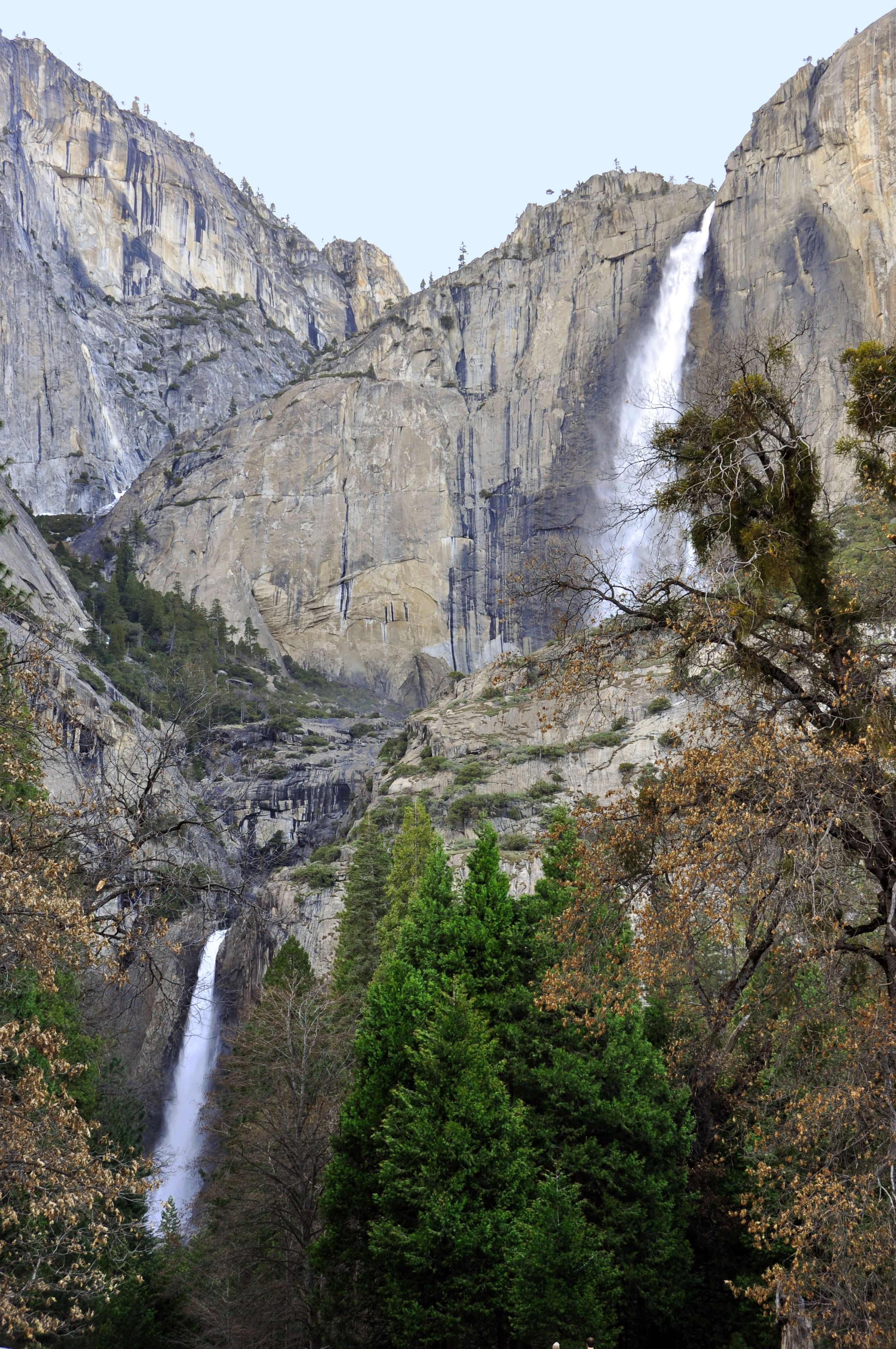
- Lower Yosemite Fall – 2.9 km away; the lower half of Yosemite’s iconic 739‑meter waterfall system.
- Middle Cascades – 3.2 km away; a series of elegant cascades that flow year‑round.
- Illilouette Fall – 3.3 km away; a graceful plunge that is especially photogenic in spring.
All of these falls are accessible via the same network of Yosemite Valley trails, making a day‑long waterfall tour both feasible and unforgettable.
7. Travel Tips
| Tip | Details |
|---|---|
| Permits & Passes | A Yosemite National Park pass is required for entry. Day‑use permits are free, but if you plan to camp or hike beyond the valley floor, obtain the appropriate backcountry permit in advance. |
| Layer Up | Weather can shift quickly at 1,716 m altitude. Bring a lightweight insulated jacket, especially for early mornings or late evenings. |
| Stay Hydrated & Snack Smart | Pack at least 2 L of water per person and high‑energy snacks (trail mix, granola bars). There are limited food services near the Sentinel Rock viewpoint. |
| Leave No Trace | Use designated trails, pack out all trash, and respect wildlife. Yosemite’s delicate alpine ecosystems thrive on responsible visitation. |
| Photography Gear | A wide‑angle lens (16‑35 mm) captures the full height of the fall; a polarizing filter reduces glare on the water. A tripod is useful for low‑light sunrise or sunset shots. |
| Timing for Crowds | Arrive before 9 am on weekdays for the quietest experience. Weekends and holidays see higher visitor numbers, especially in summer. |
| Safety | The trail to the viewpoint includes rocky sections and occasional steep drop‑offs. Keep children and pets close, and stay on marked paths. |
| Alternative Access | If you have limited mobility, the Yosemite Valley Shuttle to Curry Village combined with a short, paved walk provides a comfortable way to view Sentinel Fall without a strenuous hike. |
Ready to Chase the Cascades?
Sentinel Fall offers a rare blend of raw power, serene solitude, and breathtaking vistas that embody the spirit of Yosemite Valley. By planning ahead, timing your visit for the optimal season, and pairing the fall with nearby waterfall gems, you’ll create a travel story that’s as unforgettable as the waterfall itself.
Pack your boots, charge your camera, and let the mist of Sentinel Fall guide you into the heart of California’s most iconic national park. Happy trails!