Ribbon Fall – Yosemite’s Hidden Giant Waterfall
Tallest uninterrupted waterfall in the United States
Introduction
Imagine standing in the heart of Yosemite Valley and looking up at a sheer veil of water that drops nearly half a kilometer in one uninterrupted plunge. That’s Ribbon Fall—an awe‑inspiring, 491‑meter (1,612‑foot) cascade that remains one of the park’s best‑kept secrets. While most visitors flock to the iconic Yosemite Falls or the delicate Bridalveil Fall, the quiet majesty of Ribbon Fall offers a different kind of wilderness drama—perfect for photographers, hikers, and anyone who craves a less‑trodden path in California’s most celebrated national park.
In this guide, we’ll dive into everything you need to know to experience Ribbon Fall, from its geological story to practical tips for getting there, the ideal season to visit, and the surrounding attractions that make this corner of Yosemite a true natural playground.
About Ribbon Fall
Description
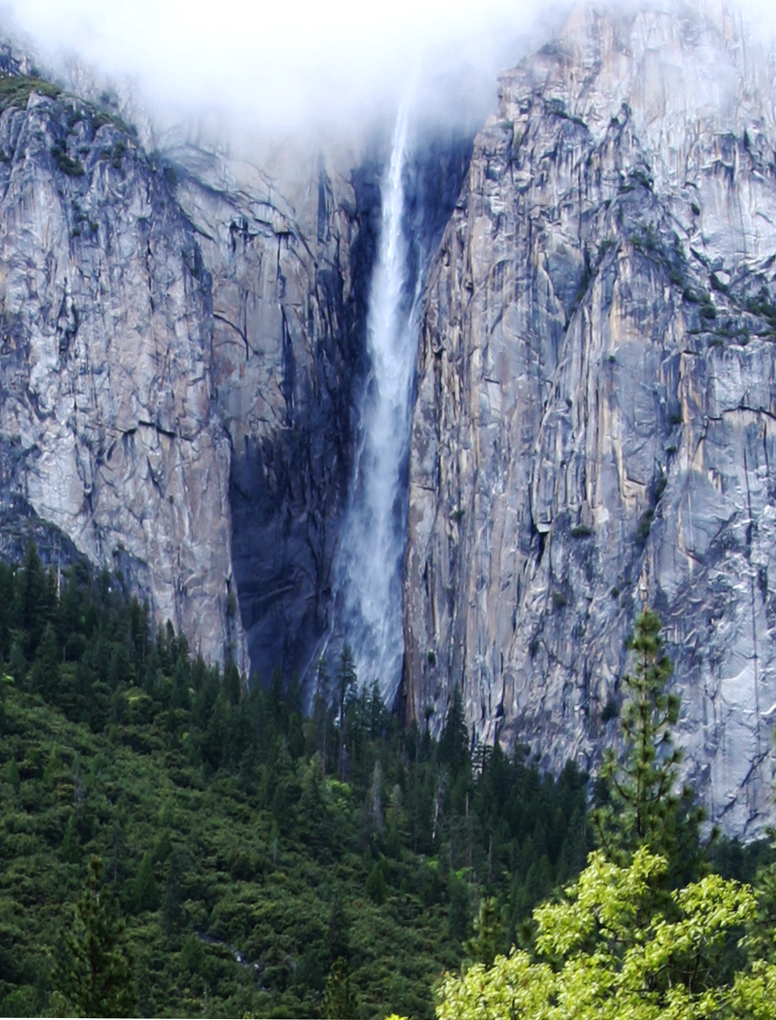
Ribbon Fall is a single‑drop waterfall located on the north side of the iconic Yosemite Valley. At 491.4 m (1,612 ft), it holds the title of the tallest uninterrupted waterfall in the United States. The fall descends from an altitude of 1,918 m (6,293 ft) above sea level, plunging directly into the valley floor without any intermediate ledges—hence the name “Ribbon,” which evokes the smooth, unbroken line of water as it falls.
History & Significance
The waterfall has been part of Yosemite’s landscape for millennia, carved by glacial meltwater during the last Ice Age. Unlike seasonal falls that rely on spring runoff, Ribbon Fall is fed primarily by snowmelt and occasional rain, which means it can be completely dry in late summer. Its sheer height and uninterrupted drop make it a point of interest for geologists studying the Sierra Nevada’s erosional processes, as well as for photographers chasing the perfect light on the valley walls.
Because it’s less accessible than Yosemite’s marquee attractions, Ribbon Fall remains relatively untouched by crowds, offering a sense of wilderness that harks back to the park’s early conservation days.
How to Get There
Starting Point: Yosemite Valley
The most common launchpad for a Ribbon Fall adventure is the Yosemite Valley Visitor Center (near the base of Yosemite Falls). From there, you’ll head toward the Northside Trailhead located near the Curry Village area.
Trail Overview
- Northside Trail to Mirror Lake – Follow the paved Northside Trail eastward for about 1 km. This section is wheelchair‑accessible and offers spectacular views of the valley walls.
- Switchback to Ribbon Fall Trail – Near Mirror Lake, look for a faint, marked footpath that veers northward toward the base of the cliff. The trail is unmaintained and can be steep, with loose granite scree in places.
- Final Ascent – The last 0.5 km climbs the talus slope to the base of Ribbon Fall. Expect a moderate to strenuous hike (approximately 2–3 hours round‑trip depending on fitness and conditions).
Transportation
- Private Vehicle – Park at the Northside Parking Lot (near Curry Village). Arrive early in the morning, especially during peak summer months, as spaces fill quickly.
- Shuttle – Yosemite’s free valley shuttle stops at Curry Village; hop off and walk to the trailhead.
Navigation Tools
- GPS Coordinates:
37.736013, -119.647791(exact location of the waterfall’s base). - Maps: Use the official National Park Service (NPS) Yosemite map or a reliable offline map app (e.g., AllTrails) that includes the Northside Trail.
Best Time to Visit
| Season | Water Flow | Trail Conditions | Visitor Tips |
|---|---|---|---|
| Spring (March‑May) | Highest flow from snowmelt; waterfall is at its most dramatic. | Trail may be wet and muddy; early snow can linger at higher elevations. | Wear waterproof boots; start early to avoid mid‑day crowds at nearby attractions. |
| Early Summer (June‑July) | Strong flow continues, though begins to taper. | Trail generally dry; occasional thunderstorms. | Perfect for photography—long daylight hours and clear skies. |
| Late Summer (August‑September) | Flow can be minimal or dry, especially after a dry season. | Trail is dry and easier to navigate. | Great for hikers seeking solitude; bring a water bottle as natural sources are scarce. |
| Fall (October‑November) | Sporadic flow after early rains; beautiful foliage on surrounding cliffs. | Cooler temperatures; possible early snow at higher altitudes. | Dress in layers; check weather forecasts before heading out. |
| Winter (December‑February) | Usually dry; occasional ice formations create a stunning frozen cascade. | Trail may be icy; snowpack can block access. | Only attempt with proper winter gear and experience. |
Bottom line: For the classic, roaring Ribbon Fall experience, plan your visit in late spring to early summer. If you prefer a quieter hike with a chance of seeing the fall in a delicate, misty state, early fall can also be magical.
What to Expect
The Visual Experience
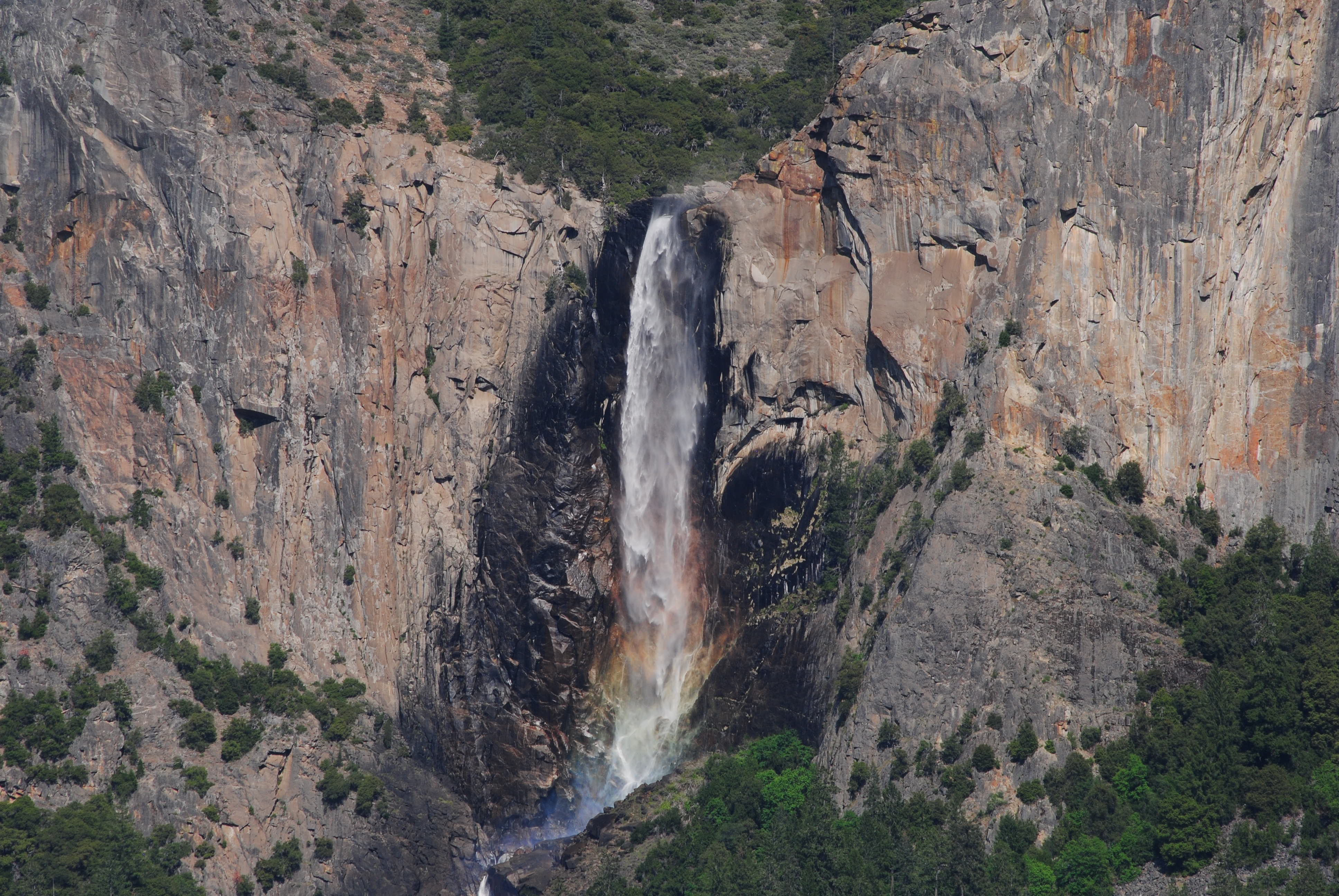
From the valley floor, Ribbon Fall appears as a thin, luminous line of water against the towering granite cliffs. On a sunny day, the sun’s angle can create a rainbow effect—hence the name “Ribbon.” The surrounding landscape is dominated by the iconic Yosemite Valley walls, providing a dramatic backdrop that frames the waterfall perfectly for landscape photography.
The Soundscape
When the water is flowing, the roar is surprisingly subtle compared to the thunderous Yosemite Falls. You’ll hear a gentle, continuous rush that blends with the whisper of wind through pine trees—a soothing soundtrack for meditation or quiet contemplation.
Wildlife & Flora
The trail to Ribbon Fall passes through mixed conifer forests, home to black oak, ponderosa pine, and lodgepole pine. Keep an eye out for Steller’s jay, black-billed magpie, and occasional mule deer that graze near the trail.
Physical Demands
The hike is moderately strenuous due to elevation gain (approximately 300 m) and uneven footing near the base. Proper hiking boots, trekking poles, and a daypack with water and snacks are essential.
Nearby Attractions
While you’re in the area, maximize your Yosemite experience by checking out these nearby natural wonders (all within a 2.5 km radius of Ribbon Fall):
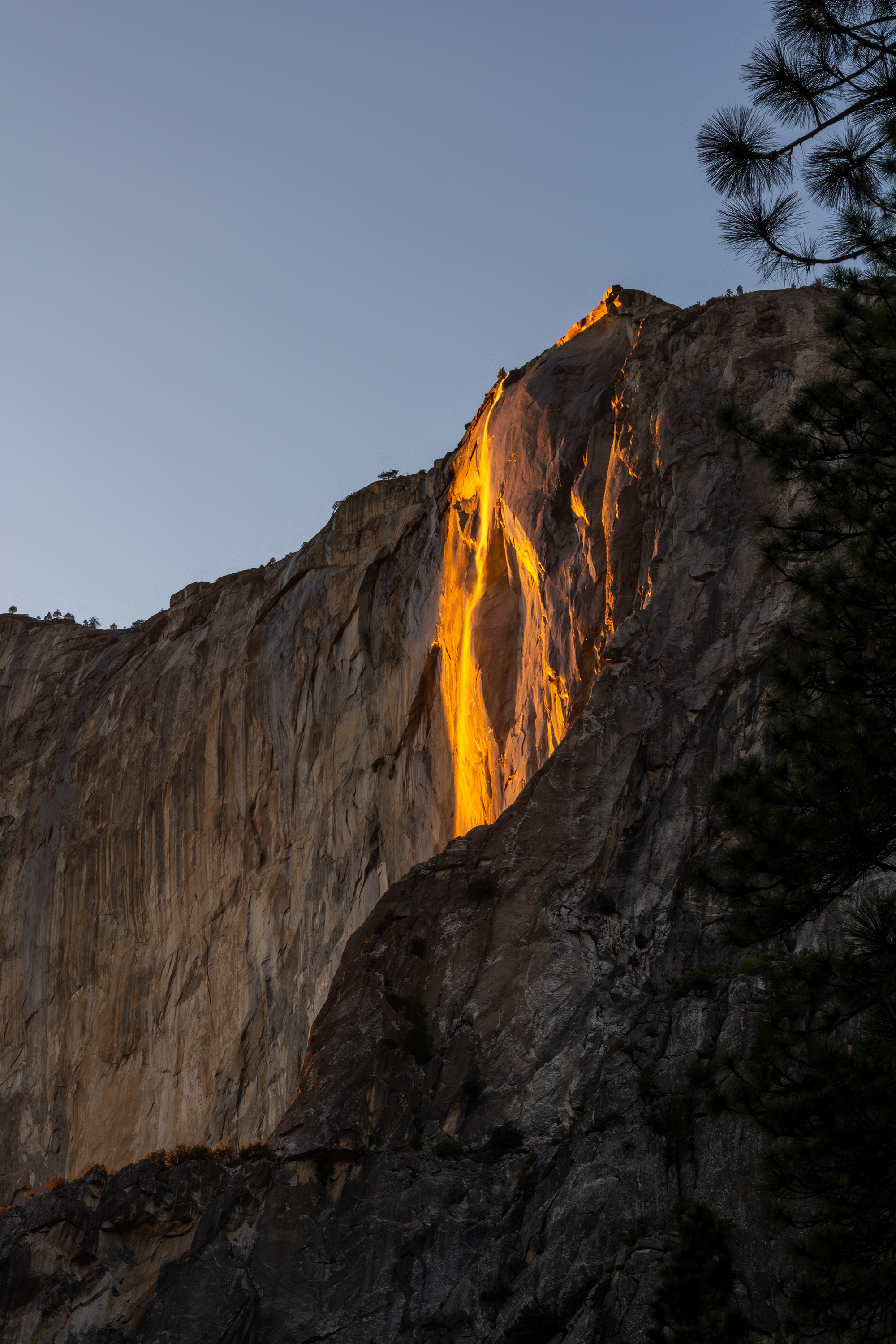
- Horsetail Fall – 1.8 km away; famous for its “firefall” effect in February when the setting sun illuminates the water.
- Bridalveil Fall – 2.1 km away; one of Yosemite’s most photographed waterfalls, easily accessible from the valley floor.
- Black Spring – 2.1 km away; a pristine spring offering crystal‑clear water, perfect for a short nature walk.
- Moss Spring – 2.5 km away; a tranquil spot where moss‑covered rocks create a lush micro‑habitat.
(Note: The list originally included an unnamed spring at 2.1 km; if you discover its name during your visit, feel free to add it to your itinerary!)
Travel Tips
- Check the Water Flow – Ribbon Fall’s visibility depends on recent snowpack and rainfall. The NPS website provides weekly waterfall flow updates.
- Start Early – Arriving before 9 am gives you the best light for photos and avoids the midday heat in summer.
- Pack Light, Pack Smart – A 2‑liter water bottle, high‑energy snacks, a map, and a lightweight rain jacket are all you need.
- Leave No Trace – Stay on the marked trail, pack out all trash, and respect wildlife. Yosemite’s “Leave No Trace” principles help preserve the park’s pristine beauty.
- Safety First – The trail can be slippery near the base, especially after rain. Use trekking poles for stability and watch for loose rocks.
- Permits & Regulations – No special permit is required for day hikes to Ribbon Fall, but if you plan to camp in the backcountry, you’ll need a Yosemite Wilderness Permit.
- Photography Tips – Use a polarizing filter to reduce glare on the water and a wide‑angle lens to capture the full height of the fall. Early morning or late afternoon light provides the most dramatic contrast against the granite cliffs.
Final Thought
Ribbon Fall may not have the name recognition of Yosemite Falls, but its sheer, uninterrupted drop makes it a must‑see for anyone seeking the raw power of nature in a quieter setting. Whether you’re chasing the perfect waterfall shot, looking for a rewarding hike, or simply yearning for a moment of solitude amid Yosemite’s iconic scenery, Ribbon Fall delivers an unforgettable experience that will keep you coming back to California’s high country year after year.
Happy trails, and may your adventure be as smooth as the ribbon of water itself!