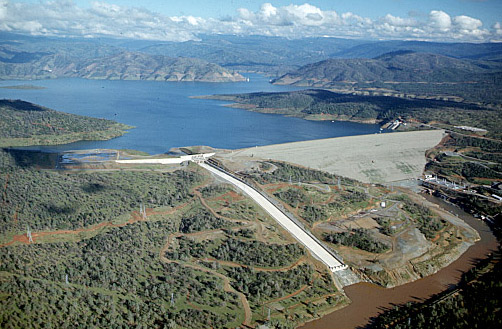
Oroville Dam – California’s Majestic Waterworks and Outdoor Playground
If you’ve ever dreamed of standing beside a colossal concrete structure that tames a mighty river while offering breathtaking vistas, Oroville Dam should be at the top of your California bucket list. Nestled in the foothills of the Sierra Nevada, this engineering marvel not only safeguards the Central Valley from flooding but also creates a stunning backdrop for adventure, photography, and relaxation. Read on for everything you need to know to make the most of your visit to Oroville Dam.
1. Introduction
Imagine a sunrise that paints the sky in shades of pink and orange, reflecting off a crystal‑clear reservoir that stretches for miles. Below you, a massive concrete wall—Oroville Dam—holds back the waters of the Feather River, turning a rugged canyon into a serene lake. Whether you’re a road‑trip enthusiast, a history buff, or an outdoor lover, the dam offers a unique blend of engineering awe and natural beauty that’s hard to find elsewhere in California.
2. About Oroville Dam
Location & Coordinates
- Address: Oroville East, California, United States
- Latitude / Longitude: 39.537351, -121.484712
- Altitude: 286 m (≈ 938 ft) above sea level
Built in the early 1960s, Oroville Dam is the centerpiece of the Oroville–Thermalito Complex, a network of reservoirs, spillways, and power plants that together provide water storage, hydroelectric generation, and flood control for the Sacramento River Basin. While the exact height of the dam isn’t listed in our source data, it is widely recognized as one of the tallest dams in the United States, underscoring its critical role in California’s water infrastructure.
Why It Matters
- Water Supply: The dam creates Lake Oroville, the state’s largest reservoir, supplying drinking water and irrigation for millions of Californians.
- Hydropower: Water released from the dam drives turbines at the Thermalito Powerplant, generating clean electricity for the region.
- Flood Protection: The spillway system—comprising the main spillway, the Flood Control Spillway, and the Emergency Spillway—helps regulate river flow during heavy rain and snowmelt, protecting downstream communities.
Beyond its functional importance, the dam has become a cultural landmark. Its dramatic concrete façade, perched against the Sierra foothills, draws photographers, hikers, and families alike. The site also serves as a living classroom for engineering students and anyone curious about large‑scale water management.
3. How to Get There
By Car
- From Sacramento: Take I‑5 North to CA‑70 East (the “California Highway 70” route). Exit at Oroville and follow signs for Lake Oroville/Oroville Dam. The drive is roughly 1.5 hours (≈ 80 mi).
- From Reno, NV: Head south on US‑395 to CA‑70 East. The route offers spectacular mountain scenery and takes about 2 hours (≈ 115 mi).
Parking is available in the Oroville Dam Visitor Center lot, which is free for day‑use visitors. The lot fills quickly during peak weekends, so arriving early (especially in summer) is advisable.
By Public Transit
- Amtrak: The California Zephyr stops in Oroville (Amtrak station). From there, a short taxi or rideshare can drop you at the dam.
- Greyhound: Buses run to Oroville, but schedules are limited; check ahead of time.
By Air
The nearest commercial airport is Reno‑Tahoe International Airport (RNO), about 90 mi away. From Reno, rent a car and follow the directions above. For a quicker flight, consider Sacramento International Airport (SMF) (≈ 120 mi) and drive south on I‑5.
4. Best Time to Visit
| Season | Weather | Highlights |
|---|---|---|
| Spring (Mar–May) | Mild temperatures (50‑70 °F) and blooming wildflowers. | Ideal for photography; water levels begin to rise, revealing more shoreline. |
| Summer (Jun–Aug) | Warm, dry days (70‑90 °F). | Peak recreation—boating, kayaking, and lakeside picnics. Expect larger crowds. |
| Fall (Sep–Nov) | Comfortable temps (55‑75 °F) and crisp air. | Fewer visitors; vibrant foliage along the lake’s edge. Great for hiking. |
| Winter (Dec–Feb) | Cooler (40‑55 °F); occasional rain or snow at higher elevations. | Lower water levels expose the dam’s concrete face—perfect for dramatic shots. |
Pro tip: The dam’s spillway tours are typically offered from April through October, when water flow is sufficient for safe demonstration. Check the official visitor center schedule before you go.
5. What to Expect
Visitor Center & Interpretive Exhibits
Start at the Oroville Dam Visitor Center, where interactive displays explain the dam’s history, engineering, and environmental impact. Friendly staff can answer questions about upcoming guided tours of the spillway and power plant (often limited to small groups).
Scenic Walkways
A paved Dam Overlook Trail circles the structure, offering multiple viewpoints. From the main overlook, you’ll see the spillway gates—massive steel doors that can open to release floodwaters. On clear days, the Sierra Nevada peaks rise dramatically in the distance.
Recreational Activities
- Lake Oroville is a hotspot for boat rentals, fishing, and swimming. The lake is stocked with trout, bass, and catfish.
- Hiking: Trails ranging from easy lakeside strolls to moderate climbs up to Thermalito Diversion Pool and surrounding hills.
- Birdwatching: The reservoir attracts waterfowl, egrets, and bald eagles—especially during migration seasons.
Safety & Accessibility
- The dam complex is ADA‑accessible; ramps and handrails are installed at key viewpoints.
- Because of ongoing water management, certain areas (e.g., the Emergency Spillway) may be temporarily closed. Signage will guide you to alternative viewing spots.
6. Nearby Attractions
While Oroville Dam is the star attraction, the surrounding area offers several complementary sites that can fill a full day—or even a weekend—of exploration.
| Attraction | Distance from Dam | What to See/Do |
|---|---|---|
| Flood Control Spillway Control Structure | 0.9 km | Observe the massive gates that regulate water flow during flood events. |
| Emergency Spillway (Weir) | 1.2 km | A dramatic concrete “backup” spillway that gained worldwide attention during the 2017 crisis. |
| Thermalito Diversion Pool (Waterfall) | 3.5 km | A picturesque waterfall where water is diverted to the Thermalito Powerplant. Great for photo ops and a short hike. |
| Lake Oroville State Recreation Area | Adjacent | Campgrounds, boat launches, and miles of shoreline for picnicking and swimming. |
| Feather River Canyon | 2‑4 km (varies) | Scenic drives and fishing spots along the river’s rugged canyon. |
All attractions are reachable by car or short walks from the main parking area. For more details, visit the official California State Parks website or the Oroville Dam Wikipedia page.
7. Travel Tips
- Check Water Levels – Lake Oroville’s level fluctuates seasonally. Low levels in late summer may limit boat rentals, while high levels in spring can create spectacular spillway displays. The California Department of Water Resources posts daily updates online.
- Bring Layers – Even in summer, mornings can be cool near the water, and evenings drop quickly. A lightweight jacket or fleece is wise.
- Pack Snacks & Water – The visitor center has vending machines, but the best picnics are on the grassy overlook lawns.
- Plan for Parking – The lot fills fast on weekends. Arrive before 9 am or consider visiting on a weekday.
- Respect the Environment – Stay on marked trails, pack out all trash, and follow any posted fire restrictions, especially during dry summer months.
- Photography Gear – Wide‑angle lenses capture the dam’s sheer scale; a telephoto lens is handy for wildlife at the lake. Sunrise and sunset are prime lighting times.
- Safety First – The concrete face of the dam can be slippery when wet. Wear sturdy shoes and keep a safe distance from any operational spillway gates.
Wrap‑Up
Oroville Dam isn’t just a piece of infrastructure; it’s a living, breathing destination where engineering meets nature. From the roar of water surging through spillways to the tranquil reflections on Lake Oroville’s surface, the site offers a spectrum of experiences that satisfy curiosity, adventure, and serenity alike.
So pack your camera, fuel up the car, and head north to Oroville Dam—where every turn reveals a new perspective on California’s remarkable relationship with water. Safe travels, and may your visit be as unforgettable as the dam itself!

