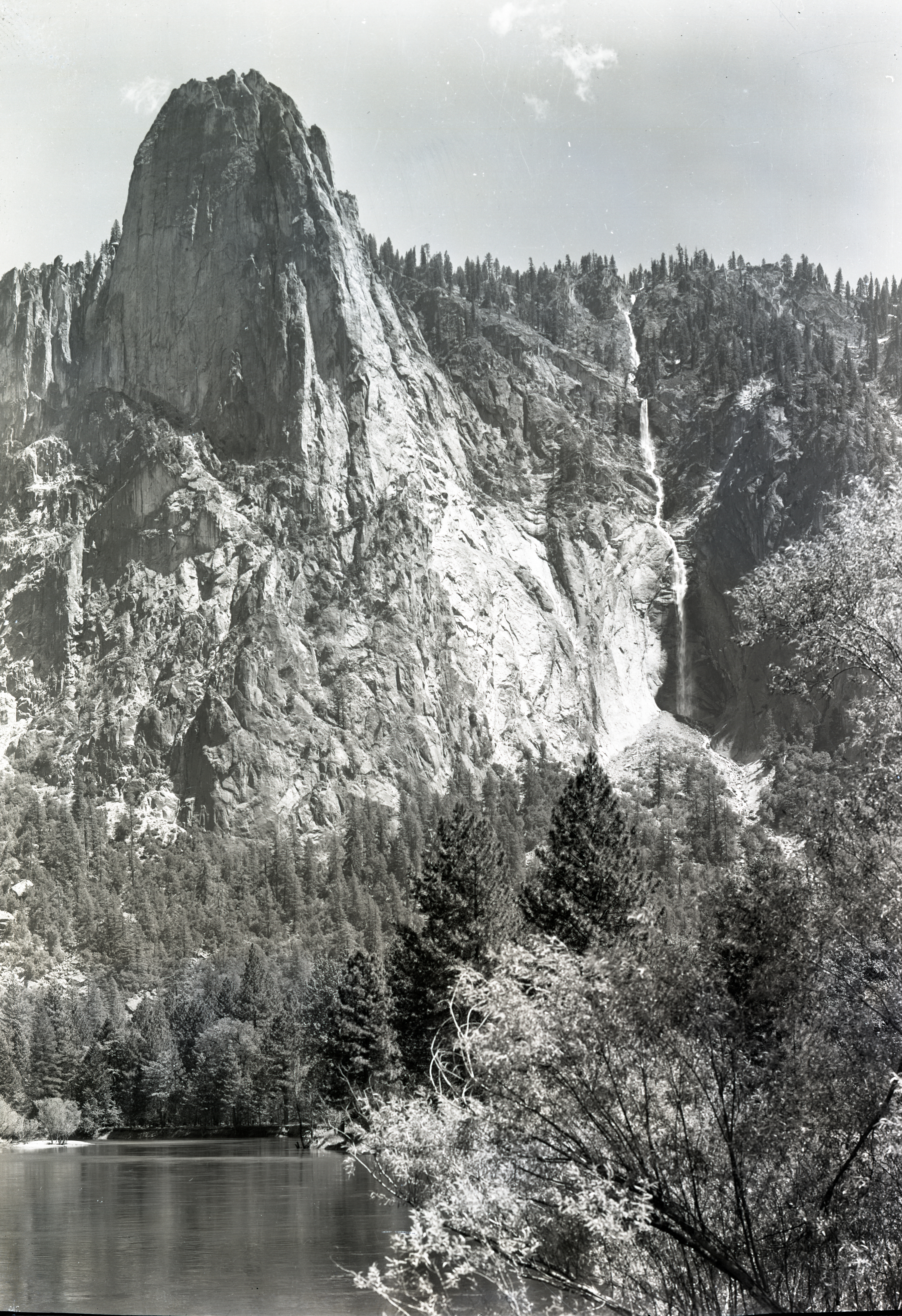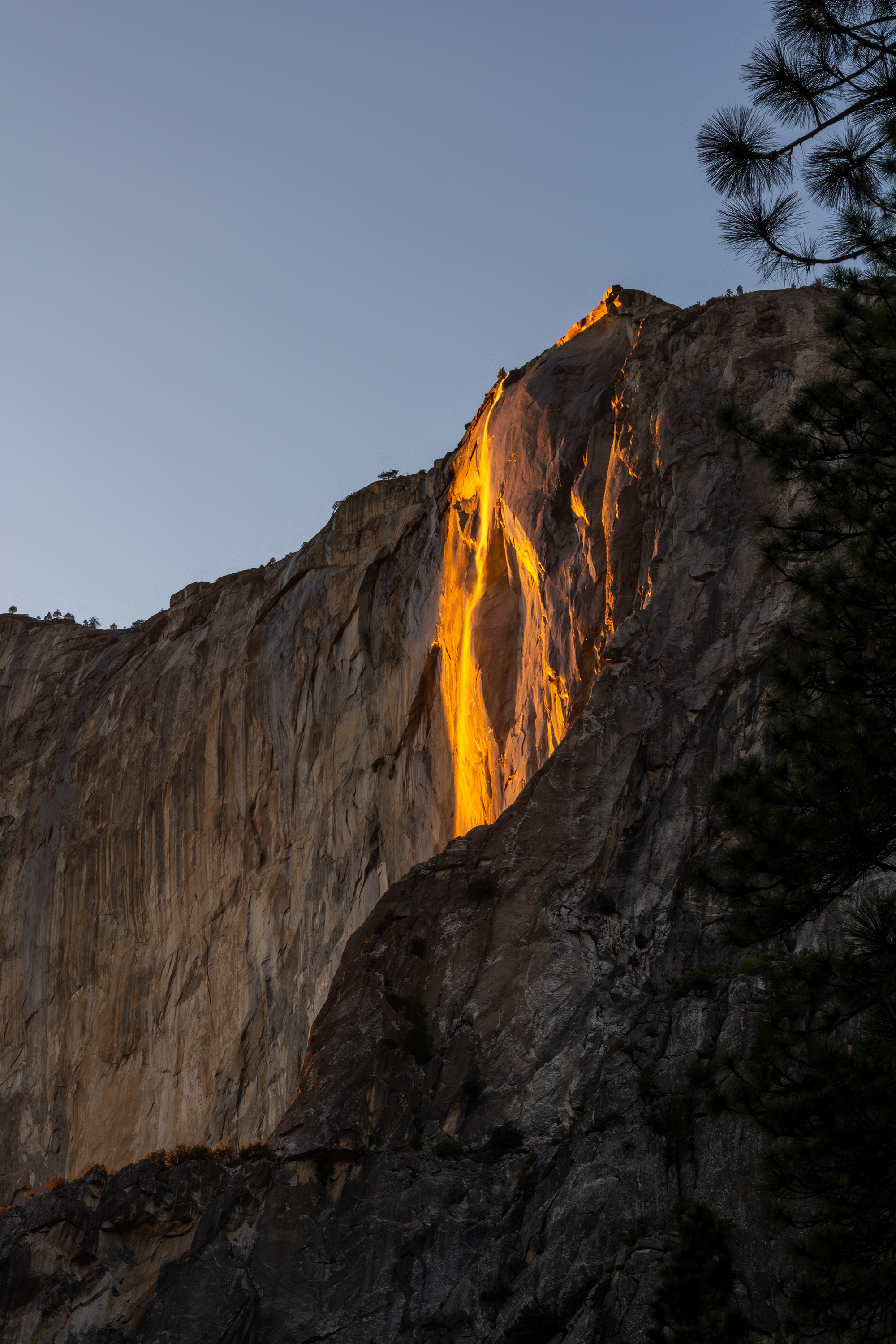
Middle Cascades – Yosemite Valley’s Hidden Waterfall Gem
If you’ve ever stood beneath the thunderous roar of Yosemite Falls, you already know why this iconic canyon is a bucket‑list destination. Yet tucked into the same granite‑lined corridor is a quieter, equally spectacular feature that many visitors overlook: Middle Cascades. At 206 m (≈ 677 ft) tall, this cascade is a vital link in the legendary Yosemite Falls system and offers a serene, up‑close waterfall experience that feels like a secret shared only with the most curious hikers.
1. Introduction
Imagine the mist of a world‑renowned waterfall brushing your face as you trek through towering sequoias, while the crowd‑filled viewpoint of Upper Yosemite Falls fades behind you. That’s the magic of Middle Cascades—the “middle” act of Yosemite’s three‑part waterfall drama (Upper, Middle, and Lower). It’s the perfect spot for photographers chasing that perfect splash, for nature lovers craving a quieter moment, and for anyone who wants to feel the pulse of Yosemite Valley without the usual bustle.
In this guide, we’ll explore everything you need to know to make the most of a visit to Middle Cascades: its story, how to get there, the ideal seasons, what you’ll see, nearby attractions, and practical travel tips. Let’s dive into the cascade that’s as iconic as it is under‑appreciated.
2. About Middle Cascades
What Is Middle Cascades?
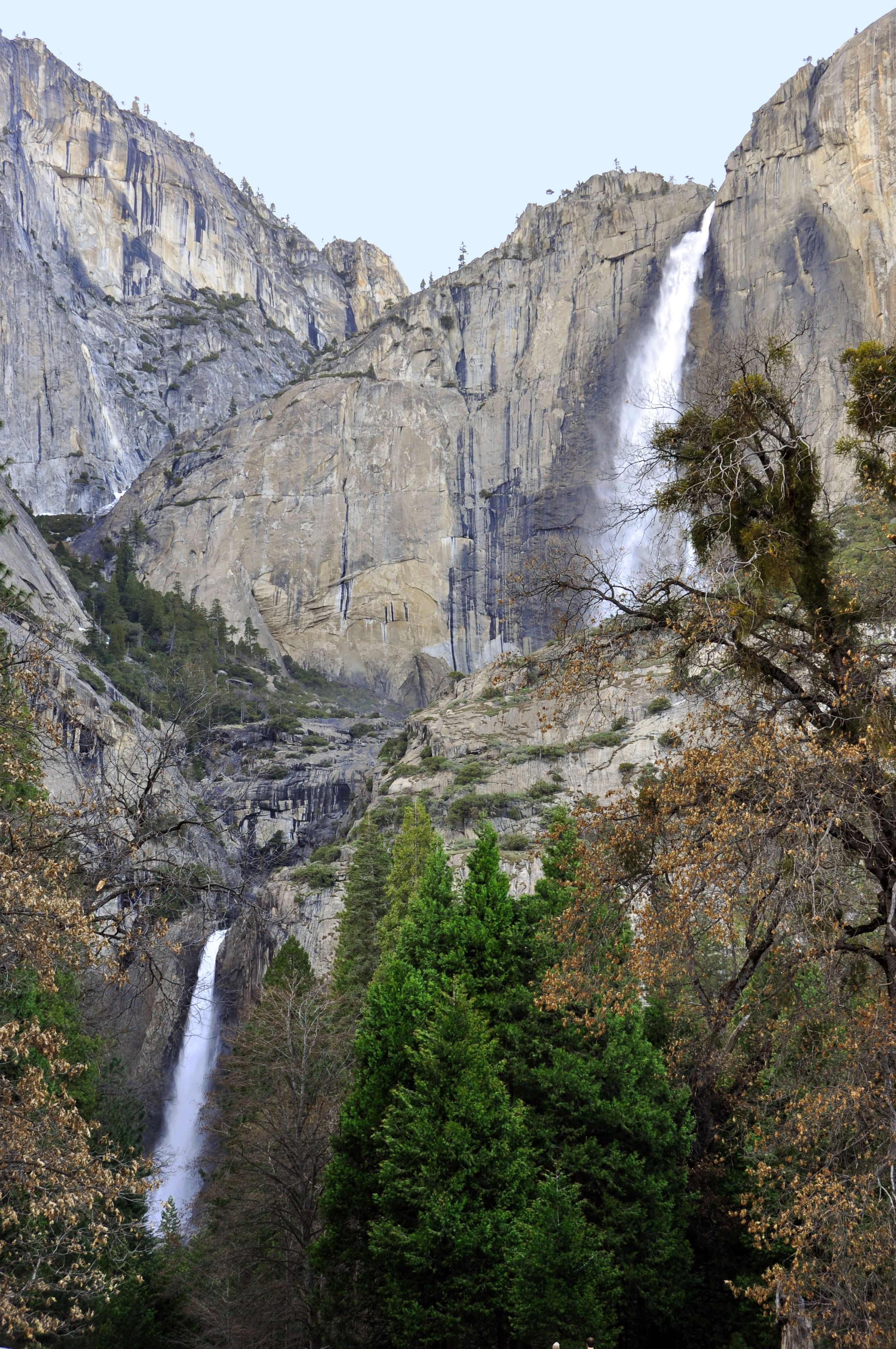
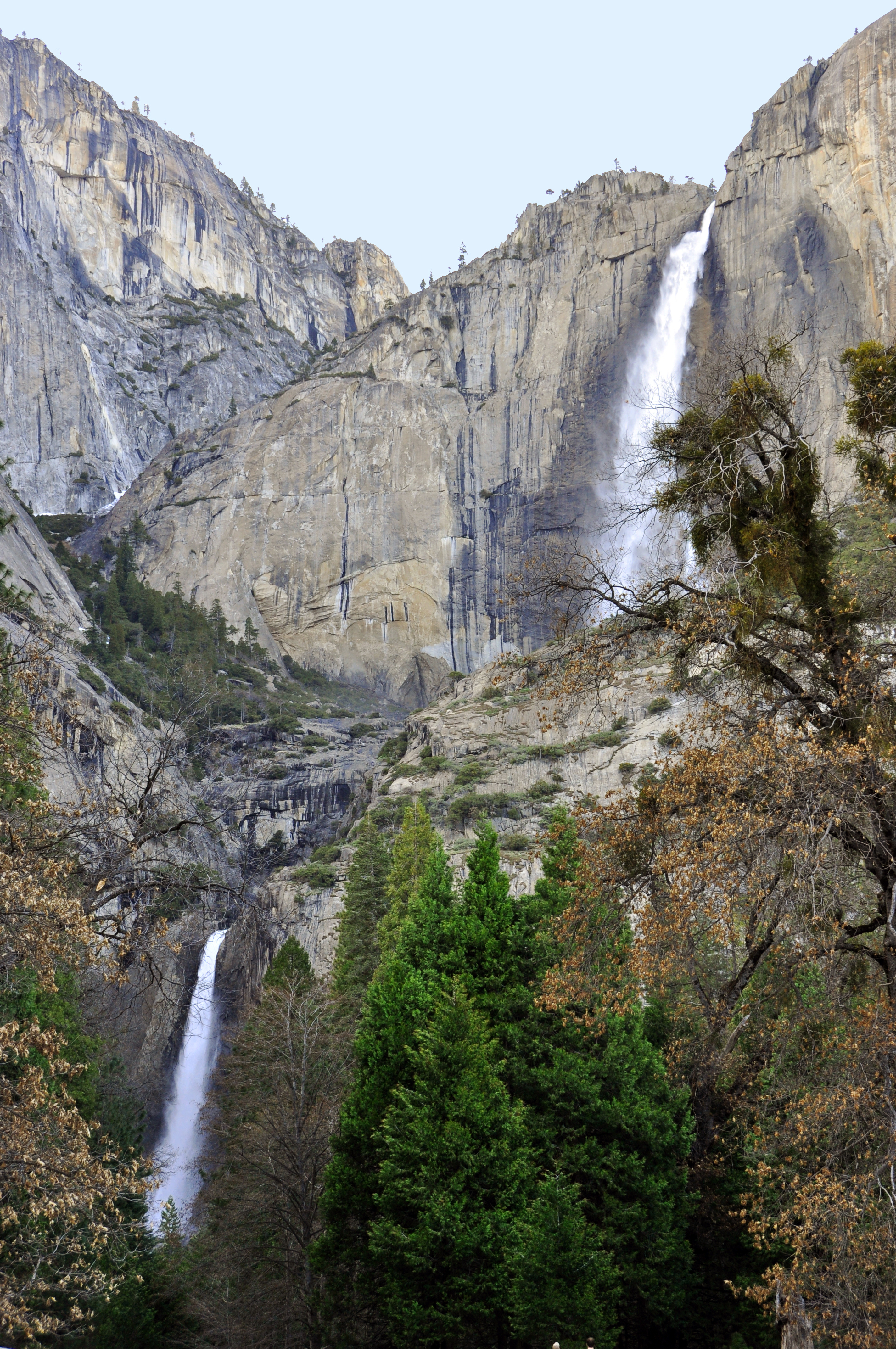
Middle Cascades is the central segment of the famed Yosemite Falls—the tallest waterfall in North America, dropping a total of 206 m (≈ 677 ft). While Upper Yosemite Falls plunges 436 m (1,430 ft) from the rim, and Lower Yosemite Falls drops another 98 m (320 ft) into the Merced River, Middle Cascades forms the dramatic “bridge” that connects the two.
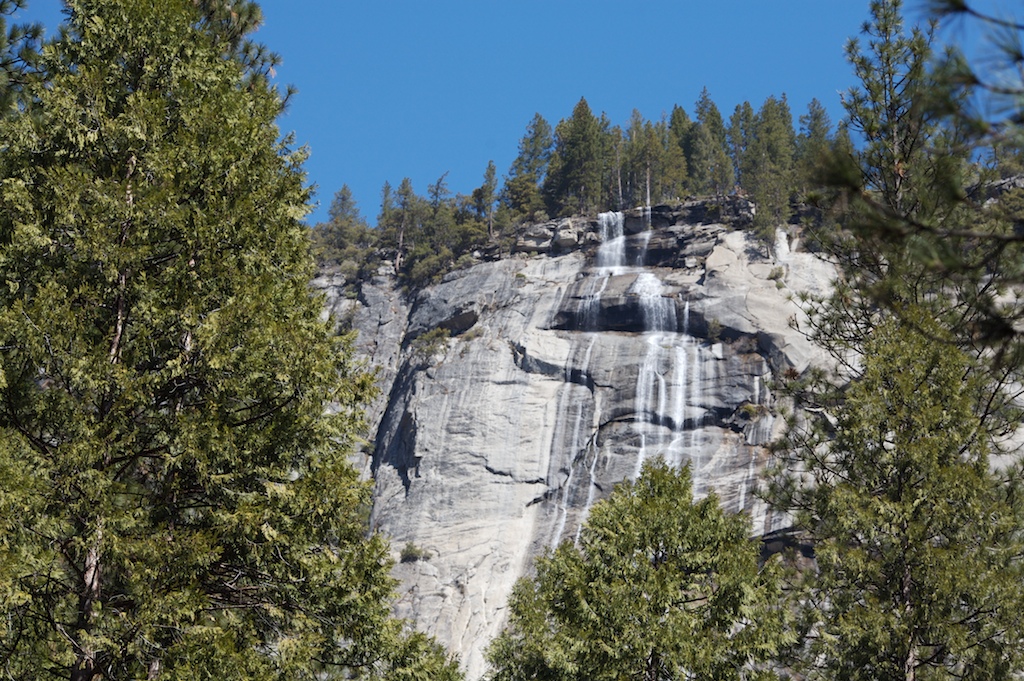
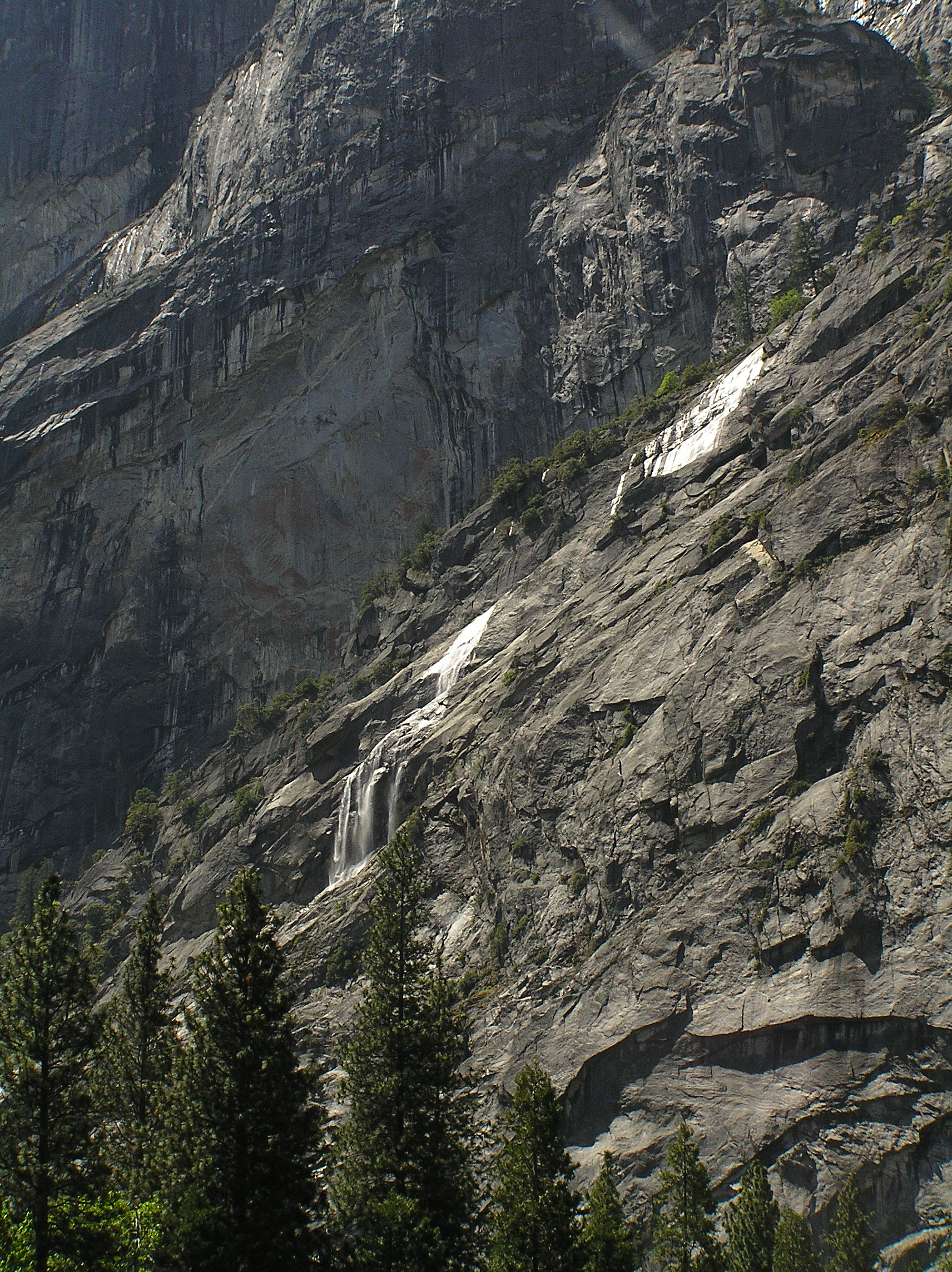
Unlike the sheer, vertical drop of Upper Falls, Middle Cascades tumbles over a series of rugged granite ledges, creating a frothy, multi‑tiered cascade that shimmers in the sun and roars in the spring melt. Its position at roughly 0.3 km (≈ 0.2 mi) from both Upper and Lower Yosemite Falls makes it an ideal midway rest point for hikers on the Yosemite Falls Trail.
A Brief History
The entire Yosemite Falls system, including Middle Cascades, has been a focal point for explorers, artists, and conservationists since the mid‑19th century. Early Native American tribes, such as the Ahwahneechee, revered the falls as a sacred place. In the 1850s, the Mariposa Battalion documented the falls, and later naturalist John Muir wrote about the “unending thunder” that echoed through the valley—words that still capture the awe inspired by Middle Cascades today.
Why It Matters
Middle Cascades may not have its own Wikipedia page, but it plays a crucial role in the hydrology and visual drama of Yosemite Valley. The cascade disperses the massive volume of water from Upper Falls, creating a mist‑laden micro‑climate that nurtures a unique riparian habitat along the trail. For hikers, it offers a natural “water station” where you can pause, refill a water bottle (if you’re careful about local regulations), and snap photos of the water’s shimmering descent.
3. How to Get There
Getting to Yosemite Valley
- Fly In – The nearest major airports are Fresno Yosemite International (FAT) (≈ 1.5 h drive) and San Francisco International (SFO) (≈ 4 h drive).
- Drive – From either airport, take CA‑41 (the Yosemite Highway) north to the park’s South Entrance.
- Park Entry – Purchase a Yosemite National Park pass (daily or annual) at the entrance station.
Reaching the Trailhead
- Yosemite Valley Visitor Center (near Yosemite Lodge at the Falls) is the most convenient starting point. From here, follow signs to the Yosemite Falls Trailhead located just a short walk from the Yosemite Falls Picnic Area.
- Coordinates for Middle Cascades: 37.754291, -119.597269 – plug these into your GPS or mapping app for a precise waypoint.
The Hike
- Distance: The round‑trip to the top of Upper Yosemite Falls is 7.2 km (4.5 mi). Middle Cascades sits roughly halfway, at about 1.5 km (≈ 1 mi) from the trailhead.
- Elevation Gain: Expect an ascent of ~ 300 m (≈ 1,000 ft) to reach the middle section.
- Difficulty: Moderate. The trail is well‑maintained but can be steep and rocky, especially after rain.
Tip: If you only have a few hours, hike to the Middle Cascades viewpoint, enjoy the mist, then turn back. It’s a satisfying half‑day adventure that still gives you a taste of Yosemite’s grandeur.
4. Best Time to Visit
| Season | Water Flow | Crowd Level | Why Visit |
|---|---|---|---|
| Spring (March–May) | High – snowmelt swells the cascade, creating a thunderous display. | Moderate to high (especially late May). | Best for dramatic photos and the fullest cascade. |
| Summer (June–August) | Lower flow, but still impressive. | High (peak tourism). | Cooler mornings provide pleasant hiking weather; longer daylight. |
| Fall (September–October) | Reduced flow, but the surrounding foliage adds color. | Low to moderate. | Ideal for quieter hikes and crisp air. |
| Winter (November–February) | Minimal flow; the cascade may freeze in sections. | Very low. | For those who love icy scenery and solitude. |
Optimal window: Late April to early June offers the most powerful water while the trail remains clear of snow. Arrive early (before 8 am) to beat the crowds and capture the sunrise mist.
5. What to Expect
The Sights & Sounds
- Misty Veil: As water plunges over the granite ledges, a fine mist envelops the surrounding rocks, creating rainbows on sunny days.
- Roaring Echo: Even from a modest distance, the sound of cascading water reverberates through the valley, a natural soundtrack that feels both intimate and grand.
- Wildlife: Keep an eye out for Steller’s Jays, American Dippers, and occasional black bears foraging near the stream.
Photographic Highlights
- Long Exposure: Set up a tripod at the base of the cascade for silky‑smooth water effects.
- Sunrise Mist: Early morning light catches the mist in a golden halo—perfect for landscape shots.
- Panoramic Views: From the Middle Cascades viewpoint, you can see both Upper and Lower Yosemite Falls in the same frame, a rare composition that showcases the full scale of the falls system.
Physical Experience
- The trail to Middle Cascades is a mix of switchbacks, rocky steps, and shaded forest sections. Expect a moderate climb with occasional steep sections near the cascade itself.
- Water temperature is icy cold; avoid stepping directly into the pool unless you’re prepared for a brisk dip.
6. Nearby Attractions
While you’re in the heart of Yosemite Valley, make the most of the surrounding natural wonders. All are within a short hike or drive from Middle Cascades.
- Upper Yosemite Fall – 0.3 km away. The highest free‑falling segment of the falls; a must‑see for its sheer drop.
- Lower Yosemite Fall – 0.3 km away. A powerful plunge into the Merced River, best viewed from the base.
- Lehamite Falls – 1.9 km away. A lesser‑known cascade that offers a quiet, off‑the‑beaten‑path experience.
- Royal Arch Cascade – 2.4 km away. A scenic waterfall tucked behind the iconic Royal Arch, reachable via a moderate hike.
- Spring Creek Trailhead – 2.4 km away. Ideal for a refreshing walk along a seasonal spring that feeds the valley’s waterways.
These attractions can be combined into a full‑day itinerary, allowing you to explore multiple facets of Yosemite’s waterfall landscape.
7. Travel Tips
| Tip | Details |
|---|---|
| Start Early | Arrive before 8 am to avoid peak crowds and capture the sunrise mist at Middle Cascades. |
| Pack Layers | Even in summer, mornings can be chilly; bring a lightweight jacket. |
| Footwear | Sturdy, waterproof hiking boots with good ankle support are essential for rocky sections. |
| Stay Hydrated | Carry at least 2 L of water per person; refill at designated water stations (check current regulations). |
| Leave No Trace | Pack out all trash, stay on marked trails, and respect wildlife. |
| Safety | The trail can be slippery near the cascade; use trekking poles for stability. |
| Permits | No special permit is required for day hikes, but a Yosemite National Park pass is mandatory. |
| Cell Service | Limited in the valley; download offline maps (e.g., AllTrails, Gaia GPS) before you go. |
| Photography | Bring a polarizing filter to reduce glare on the water and enhance rainbow colors. |
| Dog Policy | Dogs are not allowed on the Yosemite Falls Trail; consider alternative pet‑friendly hikes if traveling with a dog. |
Final Thought
Middle Cascades may sit quietly between the thunderous roar of Upper Yosemite Falls and the gentle splash of Lower Yosemite Falls, but its charm lies in that very balance. Whether you’re a seasoned hiker, a budding photographer, or simply a traveler seeking a moment of natural serenity, the cascade offers a rewarding slice of Yosemite’s legendary landscape.
Plan your trip, lace up those boots, and let the mist of Middle Cascades refresh your spirit—because in Yosemite, every drop tells a story.
Keywords: Middle Cascades, Yosemite Falls, Yosemite Valley waterfall, California waterfalls, Yosemite National Park travel, waterfall hiking, best time to visit Yosemite, how to get to Middle Cascades, nearby attractions Yosemite, travel tips Yosemite