Lower Yosemite Fall – The Majestic Finale of Yosemite’s Iconic Cascade
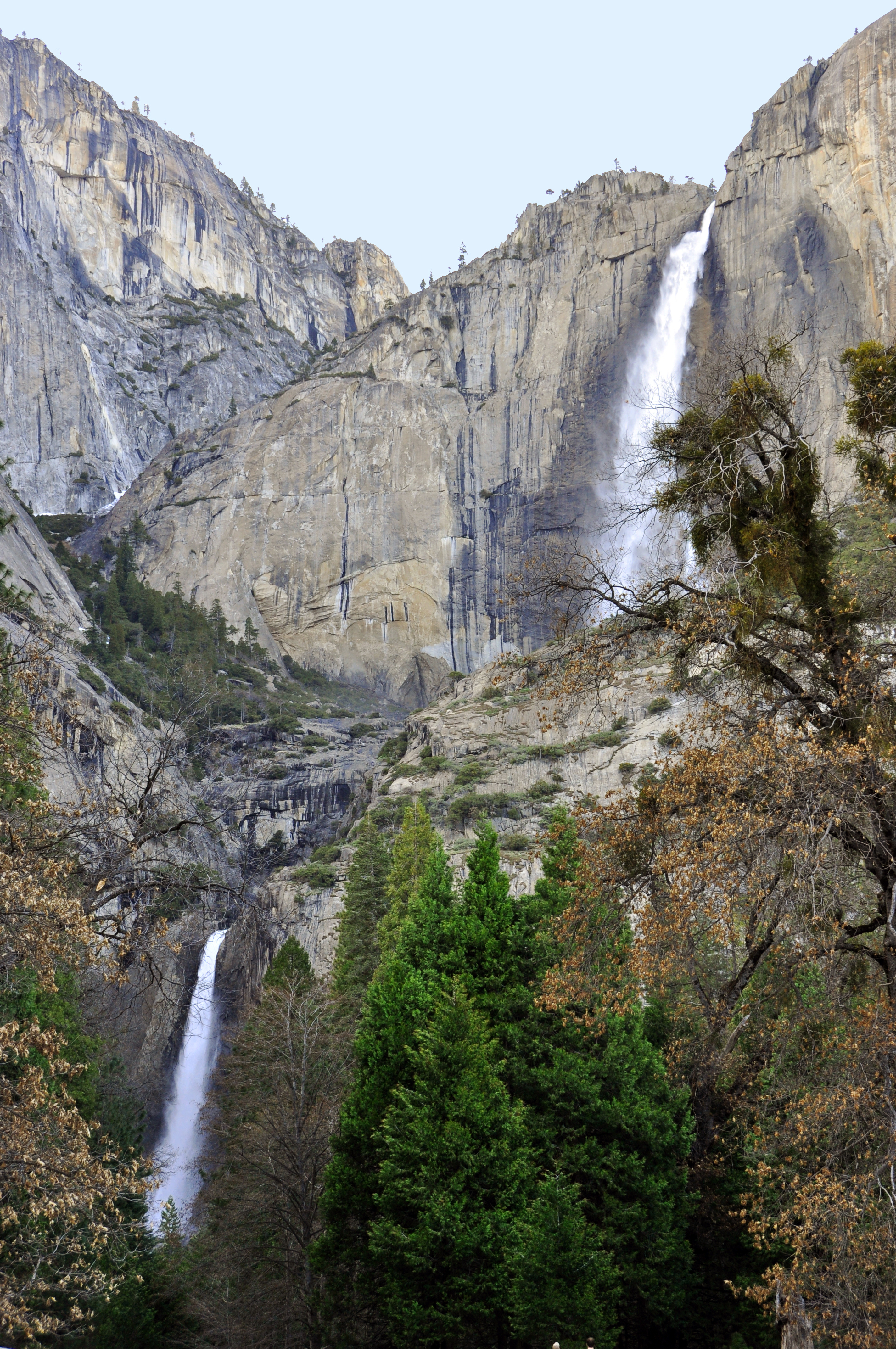
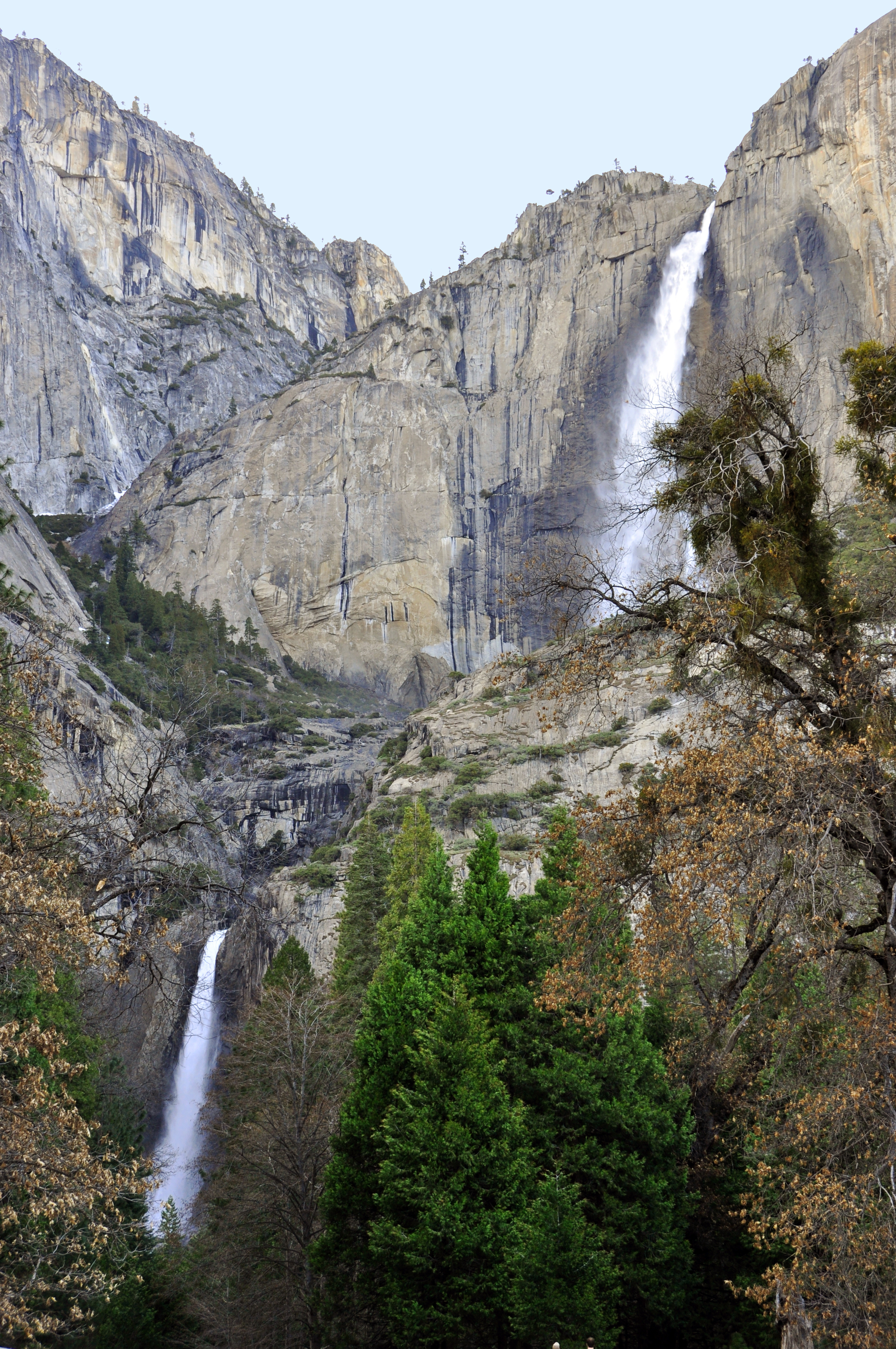
If you’ve ever stood at the base of a thunder‑thundering waterfall and felt the mist kiss your skin, you know the magic of Yosemite. Lower Yosemite Fall, the final 98‑meter (322‑foot) drop of the world‑renowned Yosemite Falls, delivers that awe‑inspiring experience in the heart of California’s most beloved national park.
About Lower Yosemite Fall
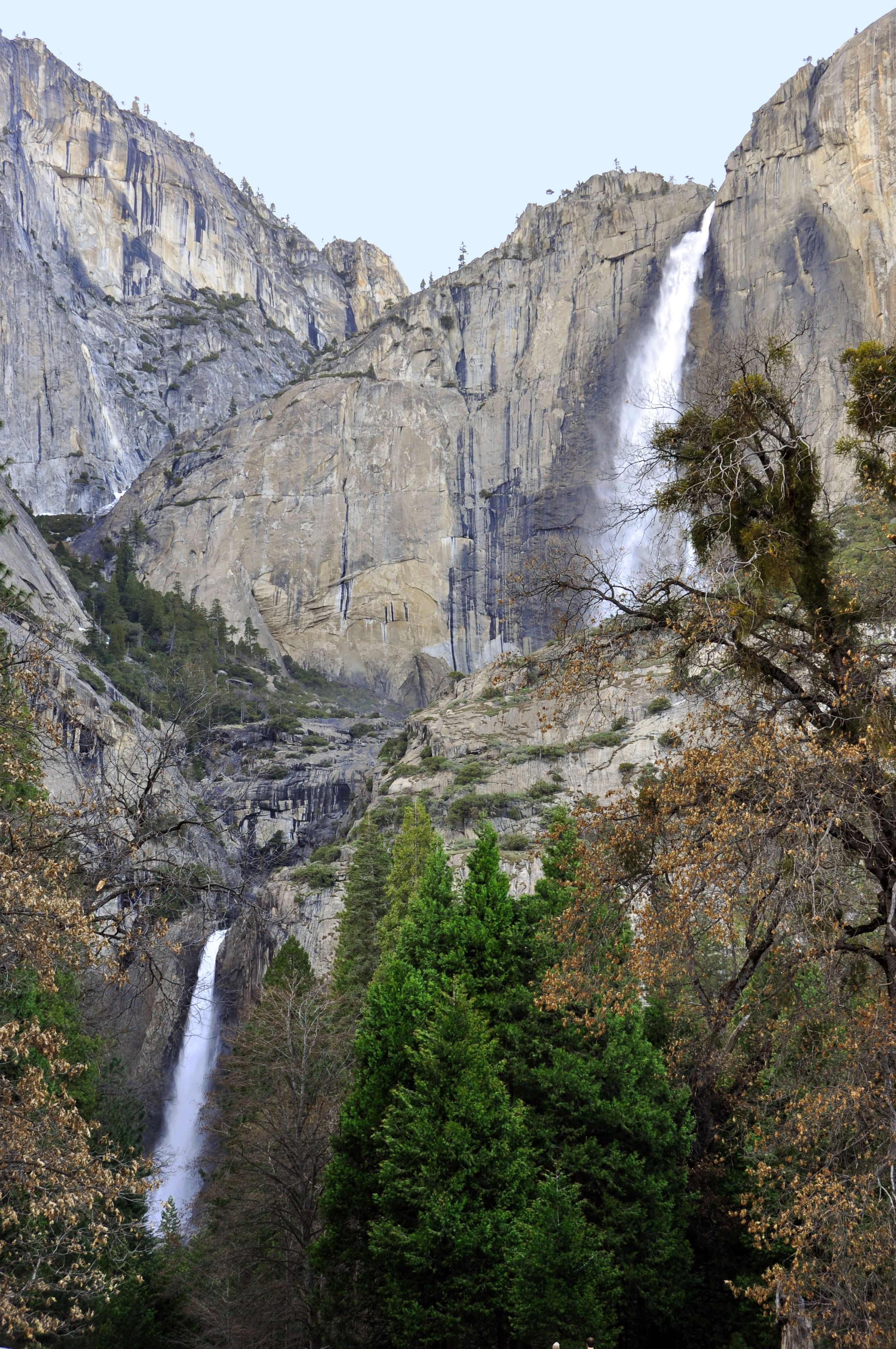
Lower Yosemite Fall is the lower half of the spectacular Yosemite Falls system, which together with Upper Yosemite Fall creates one of the tallest waterfall complexes in North America. While Upper Yosemite drops a dramatic 739 feet (225 m), Lower Yosemite adds a graceful 322 feet (98 m) plunge that tumbles into the roaring Yosemite Valley floor at an altitude of 1,368 m (4,490 ft) above sea level.
The waterfall’s coordinates are 37.751444, -119.597141, placing it squarely within the iconic valley framed by towering granite cliffs such as El Capitan and Half Dome. Historically, the falls have been a magnet for artists, photographers, and early park rangers. The 19th‑century painter Thomas Hill captured the cascade in his famous “Yosemite Falls” canvas, cementing the waterfall’s status as a cultural landmark.
Lower Yosemite’s significance goes beyond its sheer beauty. It serves as a natural laboratory for hydrologists studying seasonal snowmelt, and it is a key element of the park’s ecosystem—providing a constant source of fresh water for the valley’s flora and fauna.
Quick Facts
- Height: 98 m (322 ft)
- Altitude: 1,368 m (4,490 ft)
- Location: Yosemite Valley, California, USA
- Coordinates: 37.751444, -119.597141
- Part of: Yosemite Falls (see the full article on Wikipedia)
How to Get There
Reaching Lower Yosemite Fall is surprisingly easy—no backcountry permits or long treks required. Here’s a step‑by‑step guide for the typical visitor arriving by car or shuttle:
- Enter Yosemite National Park via the South Entrance (Highway 140) or the Big Oak Flat Entrance (Highway 120). Both routes feed directly into Yosemite Valley.
- Park at Yosemite Valley’s Main Parking Area near the Yosemite Village or Curry Village. If you’re traveling in peak summer, consider the free park‑and‑ride shuttles that run every 10–15 minutes from the parking lots to the valley floor.
- Head toward the Yosemite Falls Trailhead located just off Yosemite Village Loop Road. Look for the sign that reads “Yosemite Falls Trail – Lower & Upper.”
- Follow the paved, wheelchair‑accessible path that leads past the footbridge over the Merced River. The trail is a gentle 0.3‑mile (0.5 km) walk to the base of Lower Yosemite Fall—perfect for families, seniors, and anyone wanting a quick waterfall fix.
- Enjoy the view! The trail ends at a spacious viewing platform that offers a clear line of sight to the lower cascade.
Pro tip: If you’re staying at a Yosemite Valley lodge (e.g., The Ahwahnee or Yosemite Valley Lodge), most front desks can arrange a complimentary shuttle to the falls.
Best Time to Visit
Because Lower Yosemite Fall is fed by snowmelt from the high Sierra, its flow varies dramatically throughout the year. Here’s a seasonal breakdown to help you plan the perfect visit:
| Season | Water Flow | Visitor Experience | Why Go? |
|---|---|---|---|
| Spring (March–May) | Peak flow – the falls roar at full power, creating a massive spray and frequent rainbows. | Misty, dramatic, photogenic. | Ideal for photographers seeking the iconic “rainbow in the mist” shot. |
| Early Summer (June–July) | Still strong, though slightly reduced as snowpack dwindles. | Warm weather, lush valley foliage. | Combine waterfall viewing with early summer hikes (e.g., Mist Trail). |
| Late Summer (August–September) | Low flow – the cascade thins to a graceful ribbon. | Quiet, fewer crowds, excellent for meditative listening. | Perfect for those who prefer a serene atmosphere over sheer power. |
| Fall (October–November) | Moderate flow, crisp air, fall colors start to appear. | Photogenic foliage backdrop. | Great for combining waterfall views with autumn photography. |
| Winter (December–February) | Ice‑capped – the lower fall may partially freeze, creating stunning ice formations. | Quiet, snow‑covered landscape. | Rare opportunity to see a frozen waterfall in a national park. |
Insider tip: Arrive early in the morning (before 9 am) during peak season to avoid crowds and capture the soft morning light on the mist.
What to Expect
Standing at the base of Lower Yosemite Fall is a multi‑sensory experience:
- Sound: The thunderous roar of 322 feet of water crashing into the Merced River creates a natural white‑noise soundtrack that drowns out city life.
- Sight: The cascade drops in a single, uninterrupted sheet, often framing a vivid rainbow when the sun hits the mist at a low angle.
- Touch: A fine, cool mist settles on your skin, especially in spring when the flow is strongest. Bring a light rain jacket if you’re sensitive to moisture.
- Smell: The fresh, earthy scent of wet granite and pine needles fills the air—a reminder of Yosemite’s pristine wilderness.
Because the viewing platform is level and well‑maintained, you can linger as long as you like, snap countless photos, or simply sit on a bench and let the waterfall’s rhythm soothe you.
Nearby Attractions
While you’re in the Lower Yosemite Fall area, you’re within walking distance of several other spectacular natural features. All are located in Yosemite Valley, making them easy day‑trip extensions:
- Middle Cascades – 0.3 km away. A series of smaller drops that lead into Upper Yosemite Fall; great for close‑up waterfall photography.
- Upper Yosemite Fall – 0.6 km away. The dramatic 739‑foot upper plunge, reachable via the famous Mist Trail.
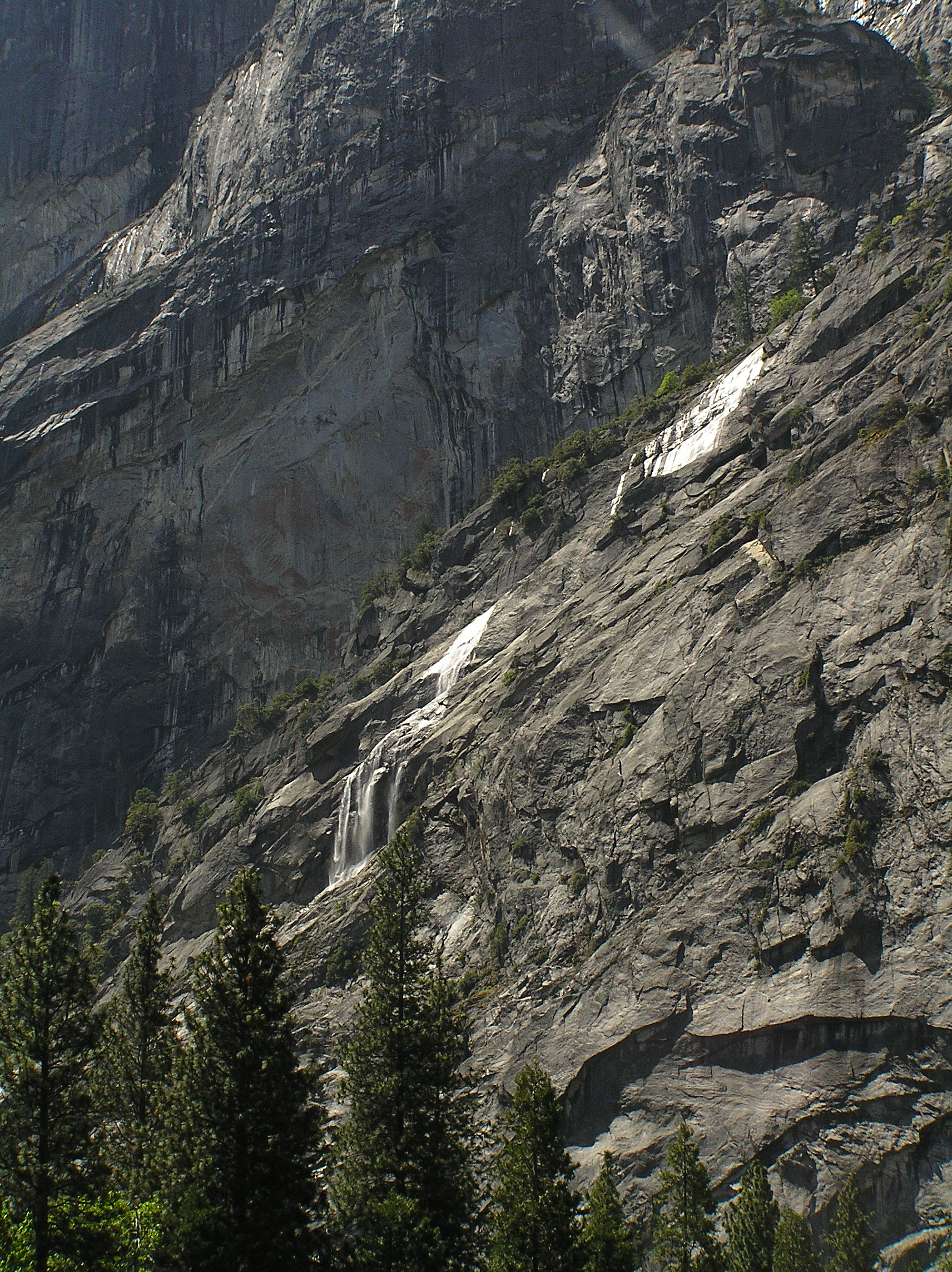
- Lehamite Falls – 2.0 km away. A hidden gem tucked behind a cliff face, often overlooked by crowds.
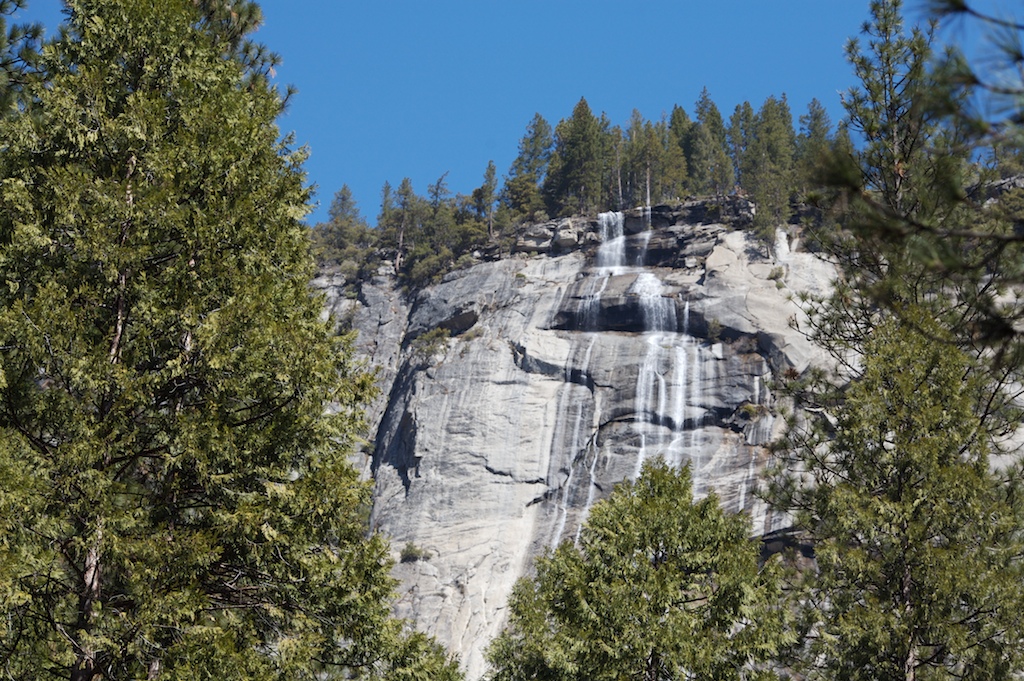
- Royal Arch Cascade – 2.3 km away. A delicate cascade that feeds the Royal Arch basin, perfect for a quiet hike.
- Unnamed Spring – 2.4 km away. A natural spring that adds a subtle, soothing sound to the valley’s acoustic tapestry.
Pair your Lower Yosemite visit with a short hike to any of these spots, and you’ll experience a diverse array of water features within a compact radius.
Travel Tips
| Tip | Why It Matters |
|---|---|
| Wear sturdy, slip‑resistant shoes | Even the short path can become slick from mist. |
| Bring a reusable water bottle | Hydration is essential, especially at higher altitude. |
| Pack a lightweight rain jacket | Spring mist can soak you quickly. |
| Start early | Morning light is best for photography; crowds are thinner. |
| Check the park’s current conditions | Seasonal road closures or fire restrictions can affect access. |
| Respect wildlife | Keep a safe distance from deer, bears, and marmots; store food properly. |
| Stay on marked trails | Protect fragile alpine vegetation and avoid erosion. |
| Leave no trace | Pack out all trash; Yosemite’s “Leave No Trace” policy keeps the falls pristine. |
| Use the park’s free shuttle | Reduces traffic congestion and parking hassles. |
| Consider a guided walk | Rangers offer insightful talks about the geology and history of Yosemite Falls. |
Final Thought
Lower Yosemite Fall may be the “lower” half of a famous cascade, but it stands tall in its own right—offering an accessible, unforgettable waterfall encounter that embodies the spirit of Yosemite Valley. Whether you’re a seasoned hiker, a photography enthusiast, or a family on a scenic road trip, a visit to this 98‑meter wonder should be a cornerstone of any California travel itinerary.
Ready to feel the mist? Pack your camera, lace up your boots, and let Lower Yosemite Fall become the highlight of your next adventure in the heart of the Sierra Nevada.