Lehamite Falls – Yosemite Valley’s Hidden Waterfall Gem
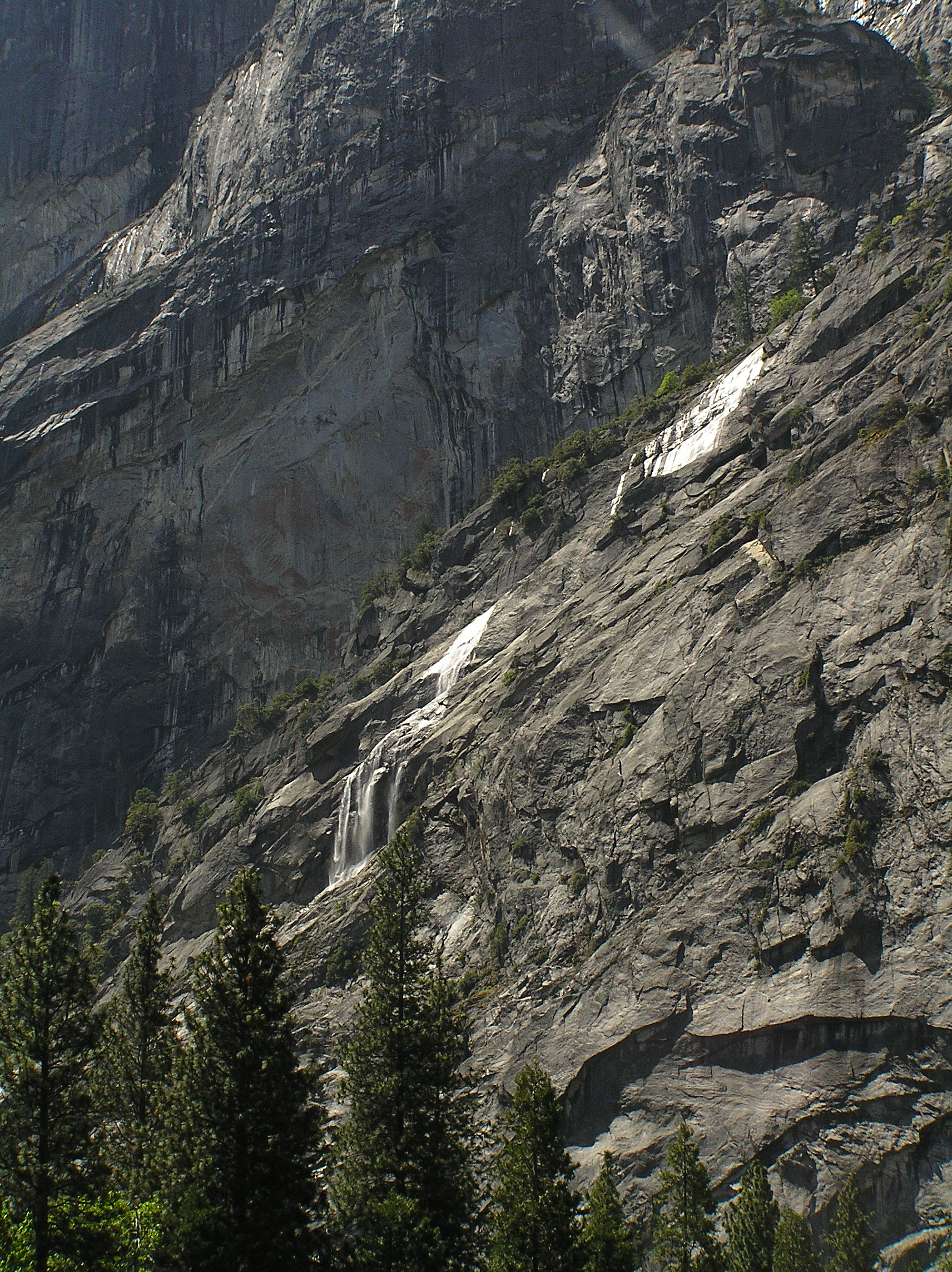
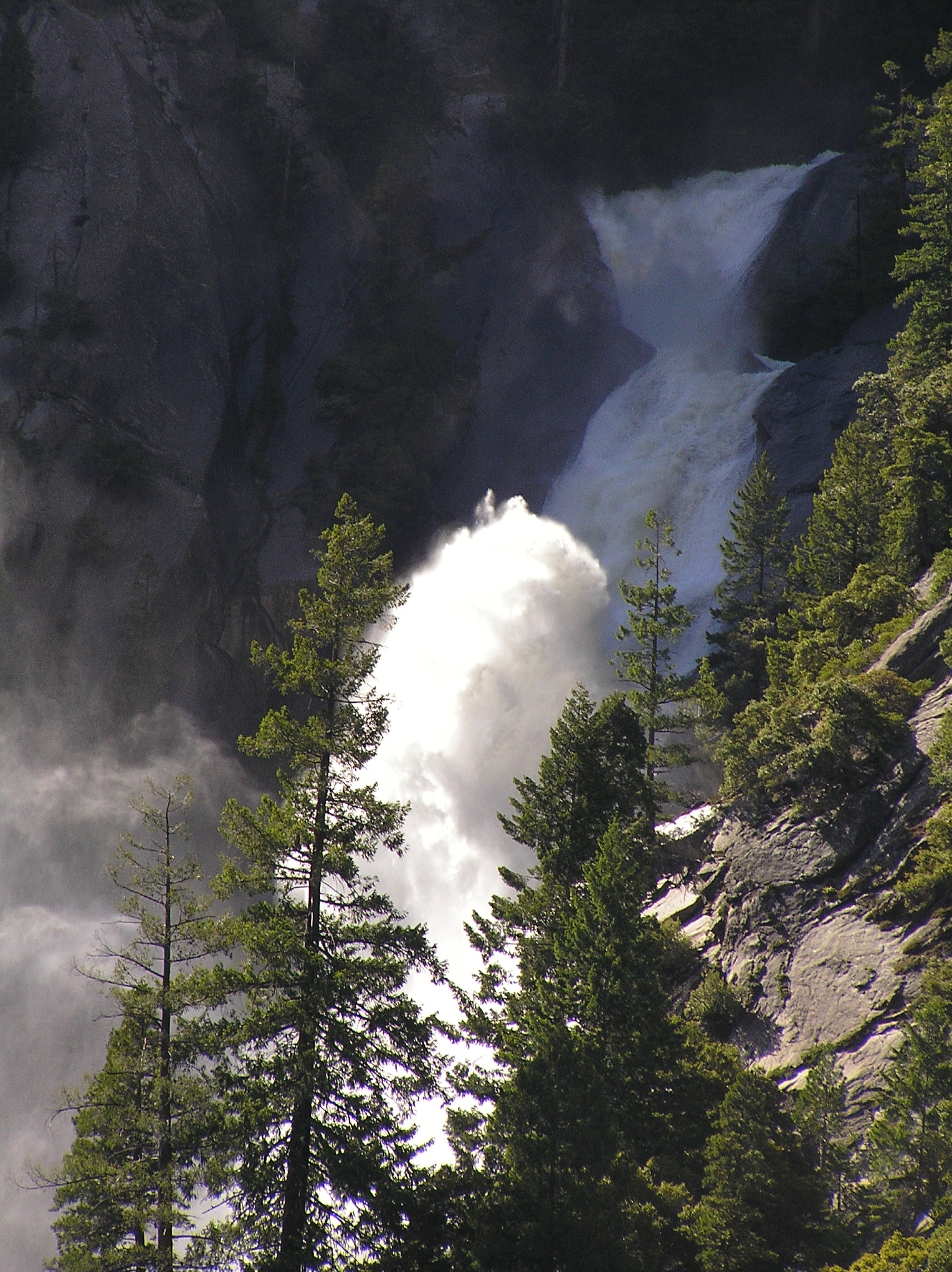
If you’ve trekked the iconic Yosemite Falls and still crave that “secret‑spot” thrill, Lehamite Falls is waiting to surprise you. With a dramatic 360 m drop perched at 2,069 m above sea level, this waterfall is a photographer’s dream and a hiker’s reward—all tucked inside the world‑renowned Yosemite Valley, California.
1. Introduction
There’s something magical about discovering a waterfall that most visitors never see. While the towering Upper Yosemite Fall dominates guidebooks, Lehamite Falls whispers its presence from a quieter corner of the valley. Imagine standing on a high‑altitude meadow, the roar of water echoing through granite walls, and the mist kissing your face as a pristine cascade plunges 360 meters into the valley below. That moment is the essence of Lehamite Falls—an unforgettable slice of Yosemite’s wild heart that blends awe‑inspiring scenery with the serenity of a hidden treasure.
2. About Lehamite Falls
Lehamite Falls is a waterfall located at 37.762590 N, -119.578822 W in the heart of Yosemite Valley, California, United States. Though it doesn’t yet have a dedicated Wikipedia page, the falls have earned a reputation among seasoned hikers and local naturalists for their sheer height (360 m) and lofty altitude (2,069 m).
History & Significance
The name “Lehamite” derives from the native Miwok language, honoring the region’s indigenous heritage. Historically, the falls marked a seasonal water source for Miwok hunters traveling through the high country. In the early 20th century, early park rangers noted the cascade while mapping the valley’s lesser‑known trails, but the waterfall remained largely off the main tourist radar—preserving its pristine condition.
Today, Lehamite Falls serves as a symbol of Yosemite’s hidden wilderness. While the park’s most famous waterfalls attract crowds, Lehamite offers a quieter, more contemplative experience, making it a favorite among photographers seeking soft morning light, birdwatchers listening to the chorus of alpine birds, and hikers craving a less‑trodden path.
3. How to Get There
Getting to Yosemite Valley
-
Fly or drive into the park – The nearest major airports are Fresno Yosemite International (FAT) (≈ 1.5 h drive) and San Francisco International (SFO) (≈ 4 h drive). From either airport, rent a car and follow Highway 140 or Highway 41 into the park’s Yosemite Valley entrance.
-
Enter through the Arch Rock Entrance – This is the most convenient gate for accessing the central valley trailheads.
Trailhead to Lehamite Falls
Lehamite Falls is best approached from the Upper Yosemite Fall trailhead (near the Yosemite Falls parking area). From there:
- Start at the Upper Yosemite Fall Trailhead – Follow the paved path toward the base of Upper Yosemite Fall.
- Continue past Upper Yosemite Fall – After the main viewpoint, the trail ascends a series of switchbacks that lead toward the high meadow area where Lehamite lies.
- Look for signage – Park rangers have installed discreet markers pointing toward “Lehamite Falls Viewpoint.”
The total distance from the trailhead to the viewpoint is roughly 2 km (one‑way), with an elevation gain of about 300 m. The hike is moderate, suitable for hikers with a reasonable fitness level.
Tip: Bring a topographic map or a GPS device set to the coordinates 37.762590, -119.578822 to confirm you’re on the right track.
4. Best Time to Visit
| Season | Conditions | Why Visit |
|---|---|---|
| Spring (April‑June) | Snowmelt swells the waterfall, creating a thunderous flow. Temperatures range from 10‑20 °C (50‑68 °F). | The cascade is at its most powerful, and wildflowers blanket the surrounding meadow. |
| Summer (July‑September) | Drier, but the falls still maintain a steady flow from high‑altitude snowpack. Daytime highs reach 25‑30 °C (77‑86 °F). | Clear skies give crystal‑clear views, perfect for sunrise photography. |
| Fall (October‑November) | Water volume decreases; mist is lighter. Cooler evenings (5‑15 °C). | Fewer crowds, vibrant autumn foliage framing the falls. |
| Winter (December‑March) | Snow and ice can make the trail icy; occasional closures. | For the adventurous, a snow‑covered waterfall is a rare sight, but only attempt with proper gear. |
Overall recommendation: Late spring (mid‑May to early June) offers the most dramatic water flow and comfortable hiking weather, making it the prime season for most visitors.
5. What to Expect
The Visual Experience
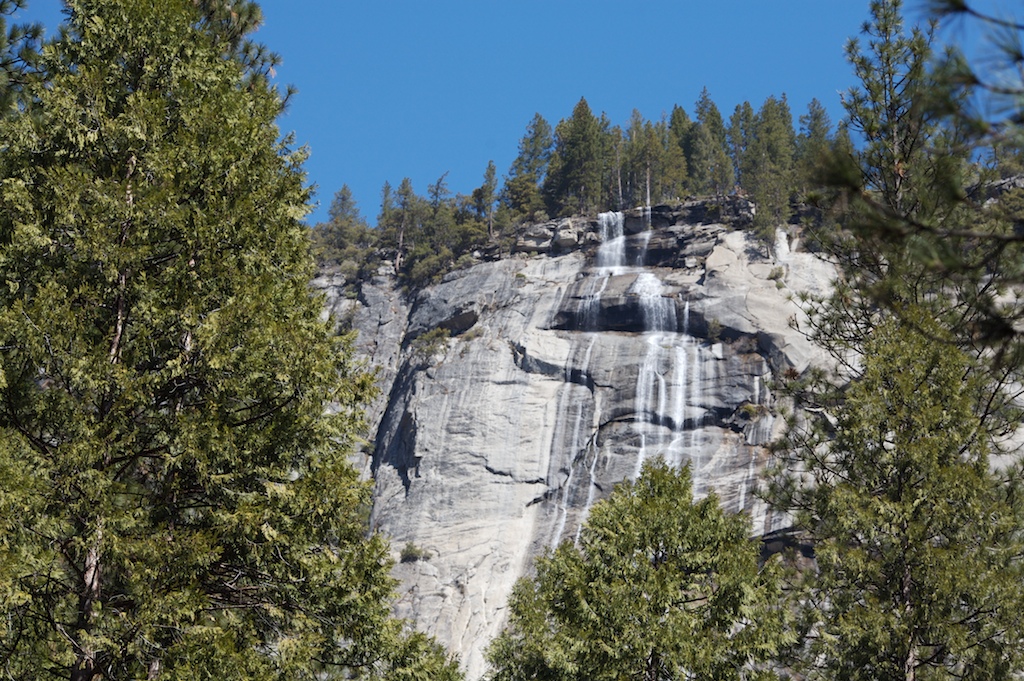
Approaching the viewpoint, you’ll first hear a distant roar that grows louder with each step. As you emerge from the forest, the full grandeur of Lehamite Falls unfolds: a single, uninterrupted plunge that drops 360 m into a mist‑filled basin below. The surrounding granite walls reflect the water’s spray, creating a shimmering veil that catches the sun’s rays in a rainbow of colors.
The Sensory Feel
- Sound: A deep, resonant rush that drowns out most other noises—perfect for meditation or simply soaking in nature’s power.
- Smell: Fresh, crisp mountain air tinged with the scent of pine and wet stone.
- Touch: If you venture close enough (stay on marked paths), a fine mist will cool your skin—bring a light jacket even on warm days.
Photographic Highlights
- Sunrise: Early morning light filters through the mist, producing soft pastel hues.
- Golden Hour: Late afternoon casts a warm glow on the granite cliffs, emphasizing texture.
- Long Exposure: Use a tripod to capture silky water trails that contrast with the sharp rock faces.
6. Nearby Attractions
While Lehamite Falls steals the spotlight, the surrounding area brims with other natural wonders—all within a short hike:
| Attraction | Distance from Lehamite Falls | Quick Note |
|---|---|---|
| Royal Arch Cascade | 1.6 km | A delicate cascade that feeds into a hidden alpine pond. |
| Upper Yosemite Fall | 1.7 km | One of the world’s tallest waterfalls—must‑see if you haven’t already. |
| Middle Cascades | 1.9 km | A series of tiered waterfalls offering excellent photo opportunities. |
| Lower Yosemite Fall | 2.0 km | The final dramatic drop of the iconic Yosemite Falls system. |
| Spring (unnamed) | 1.6 km | A pristine mountain spring that provides fresh drinking water (filter before use). |
These attractions can easily be combined into a full‑day loop for the avid explorer, allowing you to experience a variety of waterfall styles—from towering plunges to gentle cascades—within the same spectacular landscape.
7. Travel Tips
| Tip | Why It Matters |
|---|---|
| Start Early | Arriving at sunrise beats the crowds and gives you the best light for photos. |
| Pack Layers | Altitude (2,069 m) means temperatures can swing dramatically; a lightweight fleece is ideal. |
| Stay Hydrated | Even moderate hikes at high elevation can be dehydrating. Carry at least 2 L of water per person. |
| Footwear | Sturdy, waterproof hiking boots with good traction are essential, especially if snow or ice is present. |
| Leave No Trace | Keep the area pristine—pack out all trash, stay on marked trails, and respect wildlife. |
| Check Trail Status | Seasonal closures can affect the Upper Yosemite Fall trail; consult the National Park Service website before you go. |
| Safety First | The trail includes steep switchbacks; use trekking poles for stability, and never hike alone after dark. |
| Permits | No special permit is required for day hikes to Lehamite Falls, but if you plan to camp in the backcountry, obtain a Yosemite wilderness permit. |
| Photography Gear | Bring a wide‑angle lens for the full cascade, a polarizing filter to reduce glare, and extra batteries (cold can drain them quickly). |
| Local Eats | After your hike, refuel at the Yosemite Valley Lodge or Degnan’s Kitchen for hearty Californian fare. |
Final Thought
Lehamite Falls may not have the fame of Yosemite’s iconic waterfalls, but its raw power, soaring height, and tranquil setting make it a must‑visit for anyone seeking an authentic Yosemite adventure. Whether you’re a seasoned hiker, a nature photographer, or simply a traveler yearning for a hidden slice of California’s wilderness, Lehamine Falls promises an unforgettable experience that will linger long after you leave the valley.
Pack your boots, charge your camera, and let the mist of Lehamite Falls awaken your sense of wonder.
Keywords: Lehamite Falls, Yosemite Valley waterfall, California hiking, Yosemite travel guide, waterfall photography, best time to visit Yosemite, Upper Yosemite Fall, Royal Arch Cascade, Middle Cascades, Lower Yosemite Fall.