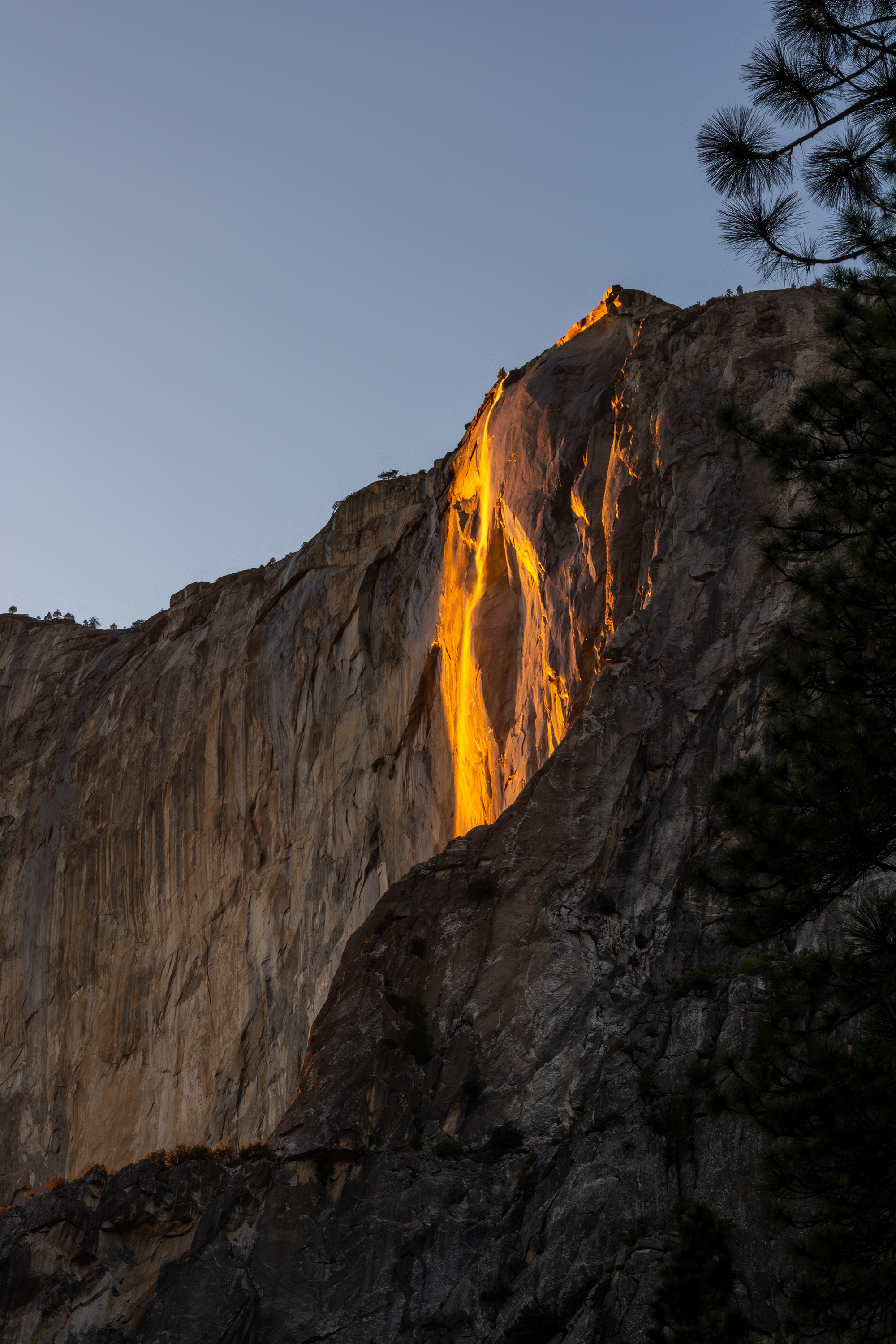
Horsetail Fall – Yosemite’s Fiery Winter Waterfall
If you’ve ever dreamed of watching a waterfall glow like molten lava, you’ve probably heard whispers about Horsetail Fall. Nestled in the heart of Yosemite Valley, this 470‑meter cascade turns the granite cliffs into a natural lantern every February, drawing photographers, hikers, and nature lovers from around the world. In this guide we’ll dive into the story, the scenery, and the practical details you need to experience this iconic waterfall for yourself.
1. Introduction
Imagine standing on the rim of a canyon, the winter sun low on the horizon, and a thin veil of water spilling over a sheer rock face—only to catch the light and burst into a vivid orange‑red glow. That is the magic of Horsetail Fall, Yosemite’s most photogenic waterfall. While most waterfalls in the park roar in spring, Horsetail’s brief winter performance is a rare spectacle that has earned it a spot on the “must‑see” lists of travel blogs, Instagram feeds, and National Geographic features.
Whether you’re a seasoned photographer chasing the “firefall” effect, a family on a winter road trip, or a solo adventurer seeking a quiet moment in one of America’s most famous national parks, Horsetail Fall offers a unique blend of natural drama and serene beauty.
2. About Horsetail Fall
- Location: Yosemite Valley, California, United States
- Coordinates: 37.731296, -119.628191
- Height: 470 m (1,540 ft)
- Altitude: 1,875 m (6,150 ft) above sea level
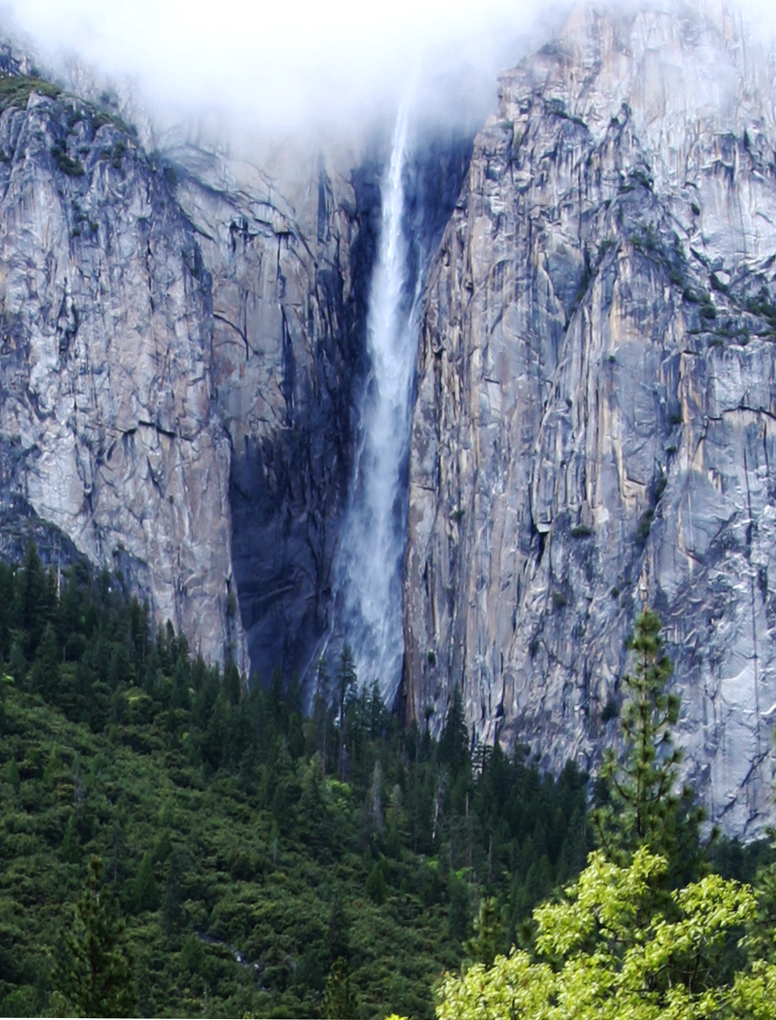
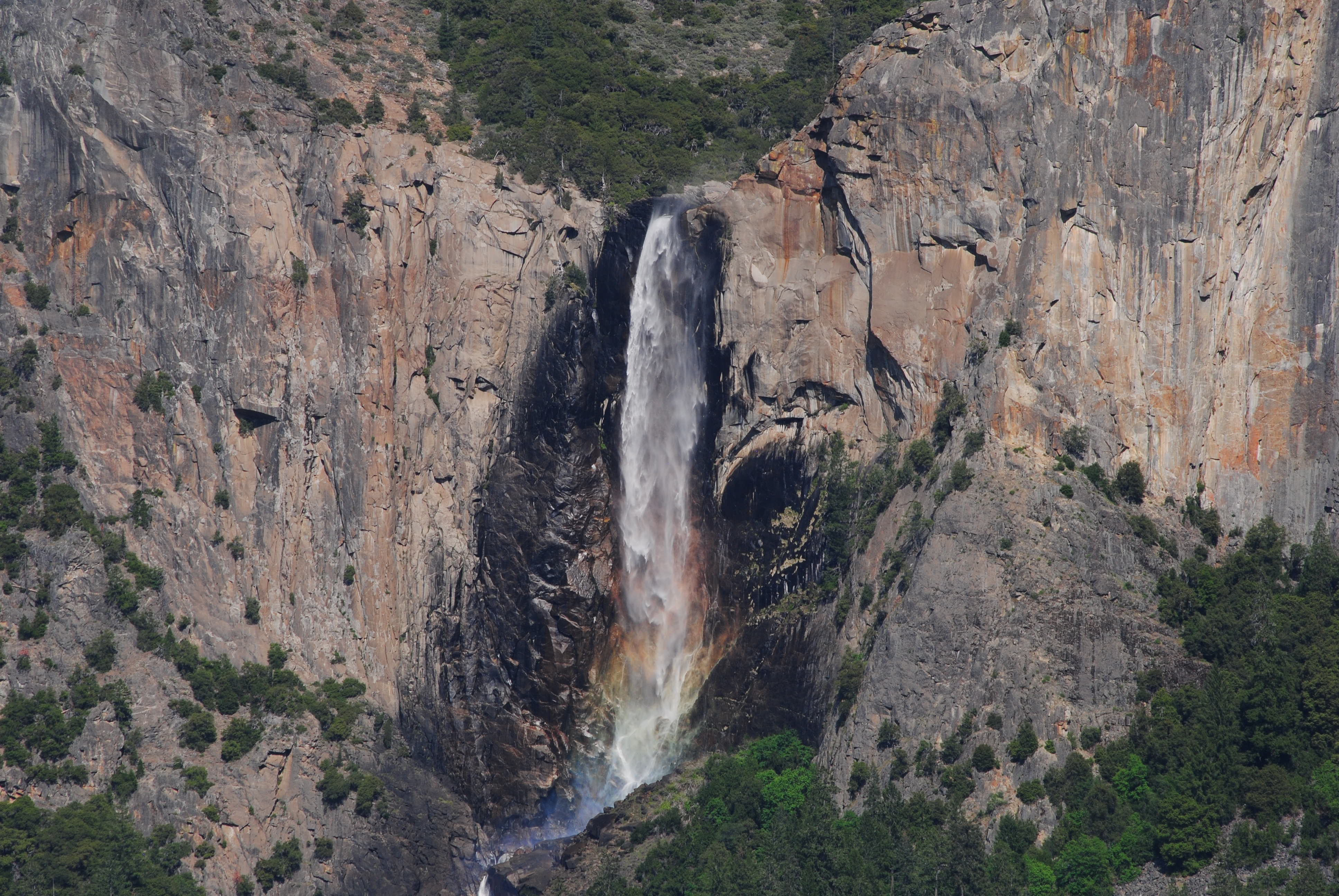
Horsetail Fall drops from the east side of El Capitan, one of Yosemite’s most recognizable granite monoliths. The waterfall earned its name because the water streams down the cliff in a thin, continuous “horsetail” shape, unlike the broader curtains of nearby falls.
History & Significance
The fall has been a part of Yosemite’s landscape for millennia, but it entered the global spotlight in the early 2000s when photographers discovered that, under the right winter sun, the cascade reflects a warm, amber hue. The phenomenon—often called the “Firefall”—is a natural event, not to be confused with the historic, man‑made firefall that the park staged from 1872 to 1968.
Because the fire‑like glow only appears when three conditions align—sufficient water flow, a clear western sky, and the low angle of the winter sun—Horsetail Fall has become a symbol of Yosemite’s ever‑changing climate and a reminder of the delicate balance between water, rock, and light.
3. How to Get There
By Car
- Enter Yosemite National Park via the Big Oak Flat Entrance (Highway 120) if you’re coming from the west, or the South Entrance (Highway 41) from the south.
- Follow signs to Yosemite Valley and park at Yosemite Valley Visitor Center (parking fee applies).
- From the visitor center, drive south on Valley Loop Road (also known as Highway 140) for about 2 km.
Trailhead
- Horsetail Fall Trailhead is located at the Northside Drive parking area, just past the Northside Trailhead for Glacier Point.
- The trail is a short, paved walk of roughly 0.5 km (0.3 mi) to the viewing platform. The path is wheelchair‑accessible and suitable for families with strollers.
Public Transportation
- Yosemite Area Regional Transportation System (YARTS) runs year‑round from Merced, Mariposa, and Fresno to Yosemite Valley. Get off at the Yosemite Valley Visitor Center stop and walk the short distance to the trailhead.
Tips for Navigation
- Use the park’s official Yosemite Mobile App or a reliable GPS app with the coordinates 37.731296, -119.628191 to pinpoint the exact spot.
- In winter, road conditions can be icy; carry chains or rent a vehicle equipped for snow.
4. Best Time to Visit
| Season | Water Flow | Sun Angle | Visibility |
|---|---|---|---|
| Winter (December–February) | Moderate – meltwater from higher elevations still feeds the fall. | Low, western sun creates the fire‑like glow. | Highest – clear skies needed for the firefall effect. |
| Early Spring (March–April) | Strong – snowmelt peaks, but the sun is higher, reducing the orange hue. | Higher sun angle → less dramatic color. | Good for sheer volume, not firefall. |
| Summer & Fall | Minimal – the fall often dries up completely. | Sun angle too high for firefall. | Not recommended for waterfall viewing. |
Peak firefall window: Mid‑January to early February, when the sun sets directly behind the fall at a shallow angle. Check the Yosemite National Park website for daily sunrise/sunset times and weather forecasts.
5. What to Expect
The Firefall Experience
Arrive 30–45 minutes before sunset on a clear winter evening. As the sun dips low, its rays strike the thin sheet of water, igniting it with a vivid orange‑red glow that appears to cascade down the granite face. The effect lasts 10–15 minutes before the sun slips below the horizon.
- Photography: A tripod, a wide‑angle lens, and a neutral density filter are ideal. Many photographers set up on the Northside Drive parking lot, but the official viewing platform offers unobstructed sightlines.
- Sound: The water’s whisper is subtle; the winter air is crisp and often quiet, creating a meditative atmosphere.
- Crowds: The firefall draws visitors, but because the viewing area is spacious, you can usually find a spot without feeling cramped—especially if you arrive early.
Beyond the Firefall
Even when the firefall isn’t visible, Horsetail Fall remains a striking winter waterfall. The surrounding Yosemite Valley offers iconic vistas of El Capitan, Half Dome, and the Merced River. Snow‑capped cliffs and the occasional icy spray add to the winter wonderland feel.
6. Nearby Attractions
While you’re in the area, consider extending your adventure to these nearby natural gems (all within a 3 km radius):
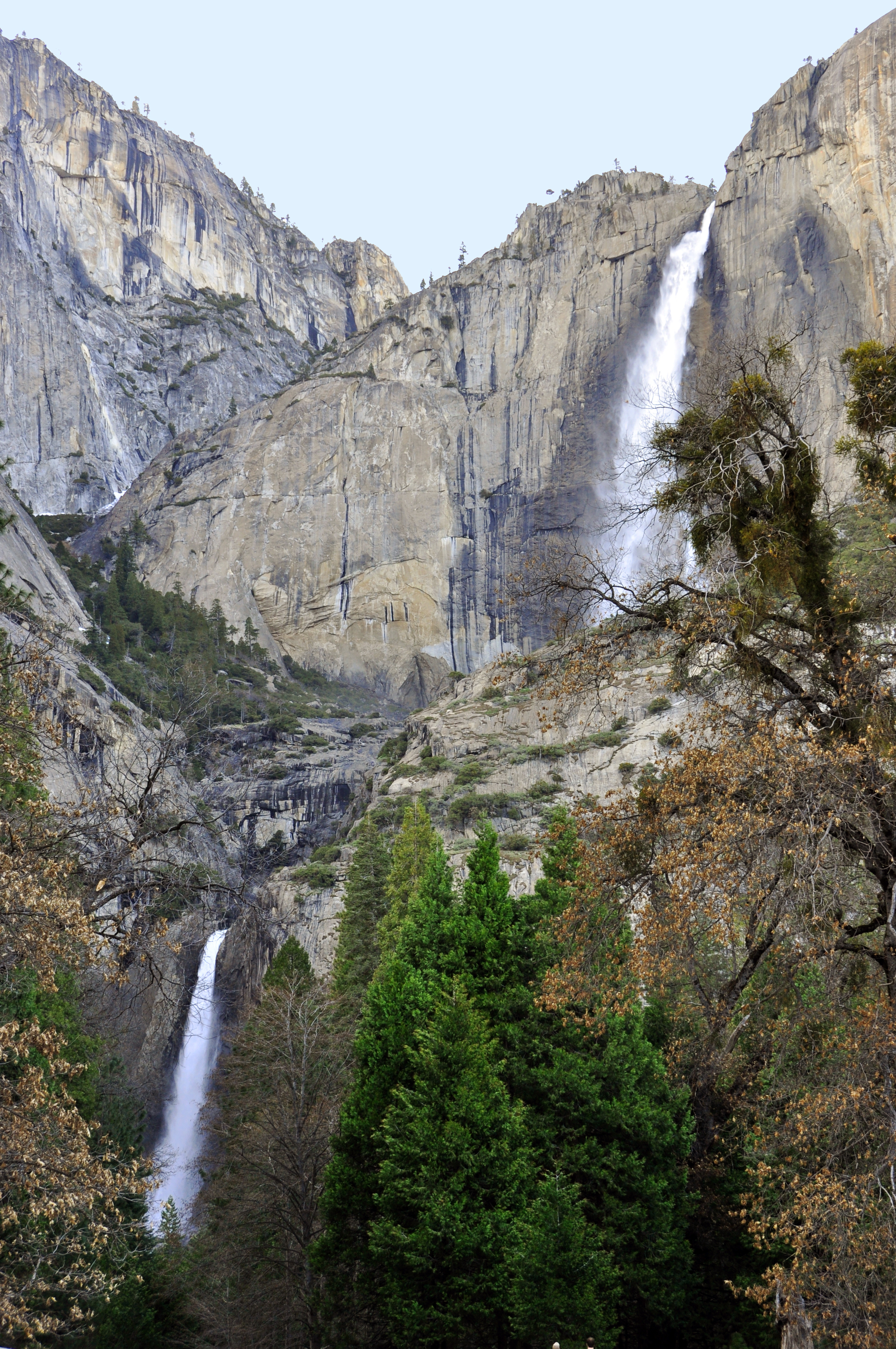
- Ribbon Fall – At 1.8 km away, this is the tallest single-drop waterfall in North America (1,612 ft). In winter it often freezes into a spectacular ice column.
- Bridalveil Fall – Just 2.3 km away, Bridalveil offers a year‑round flow that creates a misty veil, perfect for close‑up photos.
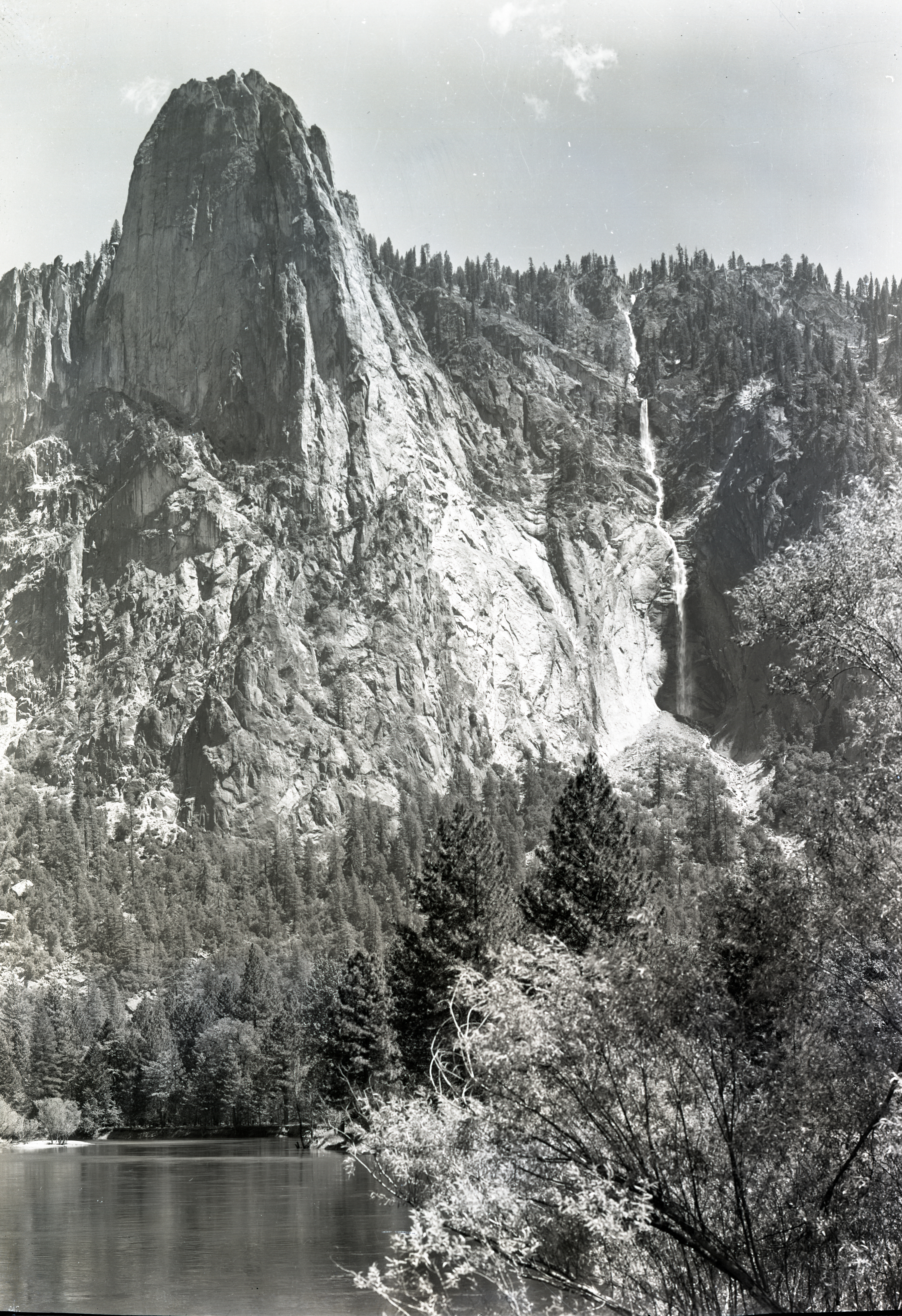
- Sentinel Fall – 2.9 km distant, this cascade tumbles down the north face of Sentinel Rock and is most impressive during spring melt.
- Spring (unnamed) – Approximately 3.1 km away, a natural spring that feeds several small streams in the valley.
- Black Spring – 3.2 km away, a serene spring known for its dark, mineral‑rich waters.
All of these sites are reachable via the Yosemite Valley Loop Road, making it easy to combine several stops into a single day.
7. Travel Tips
| Tip | Details |
|---|---|
| Dress for Winter | Layers, waterproof boots, insulated gloves, and a warm hat are essential. Temperatures in the valley can drop below freezing, especially after sunset. |
| Check Weather | Clear skies are a must for the firefall. Use the National Weather Service or the park’s live webcam to monitor conditions. |
| Parking | The Northside Drive lot fills quickly during firefall evenings. Arrive early or consider a short walk from the Yosemite Valley Visitor Center parking area. |
| Safety | Ice can form on trail edges. Walk slowly, keep an eye on footing, and stay on marked paths. |
| Leave No Trace | Pack out all trash, stay on designated trails, and respect wildlife. Yosemite’s pristine environment relies on responsible visitors. |
| Timing for Photographers | Set up 30 minutes before sunset. Use the “Golden Hour” apps to know the exact moment the sun aligns with the fall. |
| Alternative Views | For a different perspective, hike the Mist Trail to Vernal and Nevada Falls; the elevation offers distant views of Horsetail’s glow across the valley. |
| Food & Drink | Bring hot beverages and snacks. The nearest cafés are located near the Yosemite Valley Lodge and the Curry Village. |
| Accessibility | The short paved path to the viewing platform is wheelchair‑accessible, but the firefall’s peak lighting may be best seen from the edge of the parking lot. |
Final Thoughts
Horsetail Fall isn’t just another waterfall; it’s a fleeting winter masterpiece that turns Yosemite’s granite walls into a glowing lantern. With the right timing, a bit of preparation, and an eye for the extraordinary, you can witness—and capture—a natural wonder that has inspired countless travelers and photographers.
Pack your warmest layers, charge your camera batteries, and head to Yosemite Valley this winter. When the sun kisses the water just right, you’ll understand why Horsetail Fall is celebrated as one of California’s most enchanting natural spectacles.
Happy travels, and may your firefall be unforgettable!