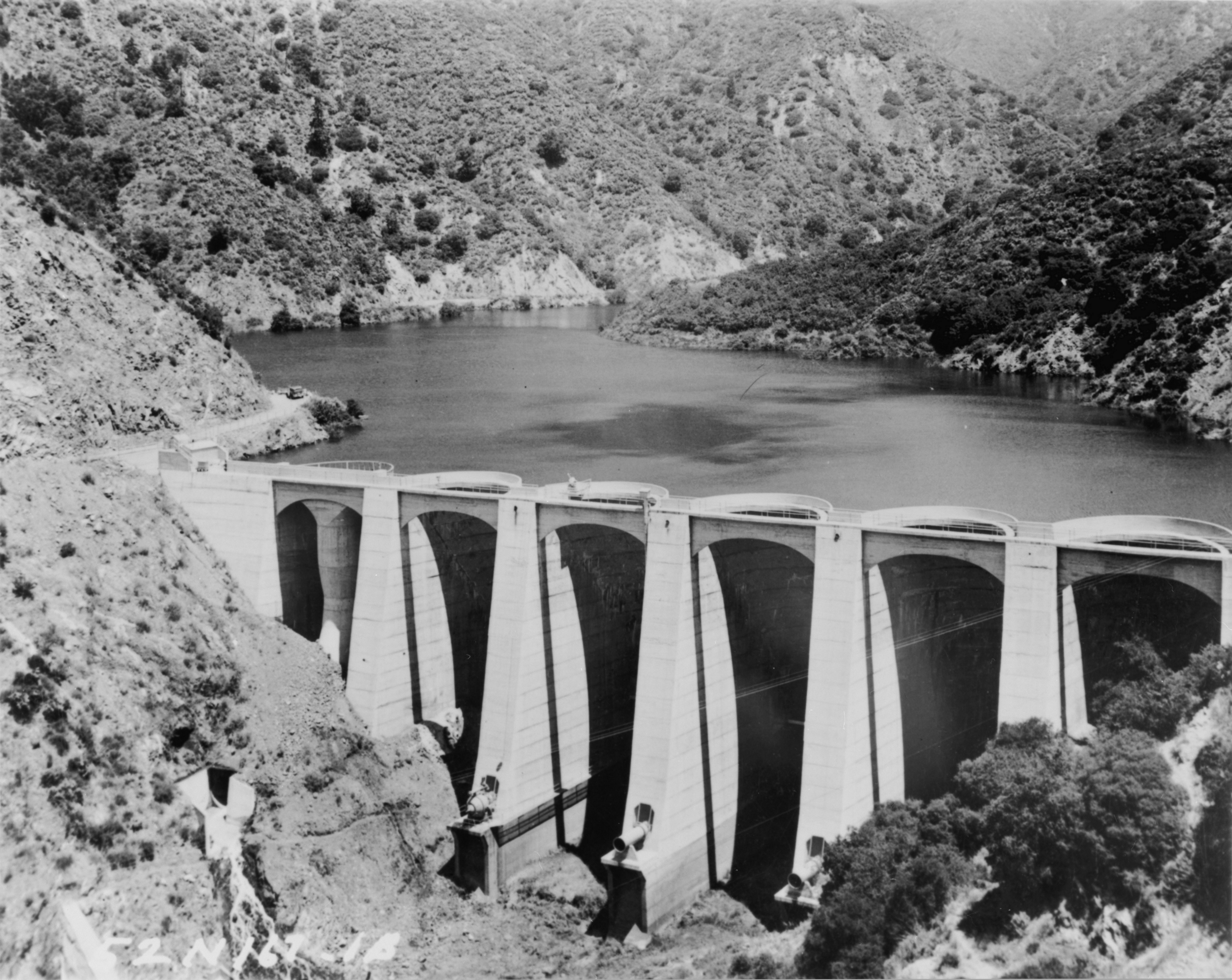
Big Dalton Dam – A Hidden Gem in San Dimas, California
If you’re chasing off‑the‑beaten‑path scenery, crisp mountain air, and a slice of Southern California history, the Big Dalton Dam should be on your radar. Nestled at 510 m (1,673 ft) above sea level in the foothills of the San Gabriel Mountains, this modest yet striking dam offers a peaceful retreat for hikers, photographers, and anyone who loves a good water‑way view. Below is your ultimate travel guide to discovering Big Dalton Dam, complete with how to get there, the best visiting seasons, nearby attractions, and practical tips to make your trip smooth and memorable.
1. About Big Dalton Dam
Location: San Dimas, California, United States
Coordinates: 34.170055, ‑117.809085
Altitude: 510 m (1,673 ft) above sea level
Type: Dam (flood‑control & water‑storage)
Big Dalton Dam is part of a network of small dams that help manage runoff in the San Gabriel Mountains. Though its exact height isn’t publicly listed, the dam’s concrete spillway and surrounding pine‑filled canyon create a picturesque setting that feels far removed from the bustling Los Angeles metro area.
The dam’s name derives from the historic Dalton Ranch, an early 20th‑century cattle operation that once spanned the valley. Over the decades, the structure has played a quiet but vital role in protecting downstream communities—especially San Dimas—from flash floods during the rainy season.
While the dam itself isn’t a major tourist attraction, its remote location makes it a perfect spot for nature lovers seeking solitude, bird‑watching, or a scenic backdrop for photography. The area is also popular with local hikers who enjoy exploring the network of trails that wind through the San Gabriel Mountains, offering sweeping vistas of the San Gabriel Valley and the distant Los Angeles skyline on clear days.
For more historical context, see the Wikipedia entry: Big Dalton Dam.
2. How to Get There
By Car
- From Los Angeles: Take the I‑10 East toward San Bernardino, then merge onto the CA‑60 East. Exit at San Dimas (Exit 22) and follow local signs for Big Dalton Road. The turn‑off is well‑marked; the road is paved but narrow, with occasional steep grades.
- From Riverside: Head north on the I‑215, merge onto the CA‑60 West, and follow the same directions as above.
The drive from downtown Los Angeles to the dam takes roughly 45–60 minutes, depending on traffic.
Public Transportation
While there’s no direct public transit to the dam, you can take an RTD (Riverside Transit Agency) bus to the San Dimas Transit Center and then catch a local rideshare or taxi for the final 5‑mile stretch.
Parking
A small, free parking lot sits at the dam’s overlook. Spaces fill quickly on weekends, so arriving early (around 8 AM) is advisable. The lot is unguarded, so keep valuables out of sight.
3. Best Time to Visit
| Season | Weather | Why Visit |
|---|---|---|
| Spring (Mar‑May) | Mild temps (55‑70 °F), wildflowers blooming | Ideal for photography and comfortable hikes |
| Summer (Jun‑Aug) | Warm days (80‑90 °F), occasional thunderstorms | Early mornings are cool; perfect for sunrise shots |
| Fall (Sep‑Nov) | Crisp air, vibrant foliage in higher elevations | Fewer crowds, great for bird‑watching |
| Winter (Dec‑Feb) | Cooler (45‑60 °F), occasional rain | Dramatic cloud formations over the reservoir; be prepared for slippery trails |
Tip: The dam’s spillway is most spectacular after a winter rainstorm, when water rushes through the concrete chute, creating a thundering sound and a misty spray—an unforgettable sensory experience.
4. What to Expect
- Scenic Views: From the main overlook, you’ll see the reservoir framed by pine trees and the rugged canyon walls. On clear days, you can spot the distant peaks of the San Gabriel Mountains.
- Quiet Atmosphere: Unlike larger, tourist‑heavy dams, Big Dalton Dam is a low‑key spot frequented mainly by locals and hikers. Expect a tranquil setting, especially on weekdays.
- Trail Access: A short, well‑maintained trail leads from the parking area down to the water’s edge. The path is moderate in difficulty, with a gentle descent of about 150 ft.
- Wildlife: Keep an eye out for mule deer, hawks, and occasionally a bobcat. The surrounding forest is a habitat for several native bird species—great for bird‑watchers.
- Photography: The dam’s concrete spillway, set against a backdrop of towering pines and open sky, offers striking contrast. Sunrise and sunset provide warm, golden lighting that enhances the scene.
5. Nearby Attractions
While you’re in the area, consider adding these nearby gems to your itinerary. All are within a 5‑km radius, making them perfect for a day‑trip loop.
| Attraction | Type | Distance from Big Dalton Dam | Quick Highlight |
|---|---|---|---|
| Big Cienega Spring | Spring | 1.4 km | A natural spring with crystal‑clear water, ideal for a short nature walk. |
| Big Dalton Debris Dam | Dam | 2.8 km | Smaller debris‑catchment dam offering a quieter viewpoint. |
| Little Dalton Debris Dam | Dam | 3.0 km | Perfect for a quick photo stop and a glimpse of local flood‑control infrastructure. |
| Morgan Debris Basin Dam | Dam | 3.4 km | Surrounded by hiking trails that lead into deeper forest terrain. |
| San Dimas Dam | Dam | 3.8 km | Larger reservoir with picnic areas, fishing (catch‑and‑release), and a paved walking loop. |
Suggested Loop: Start at Big Dalton Dam, hike to Big Cienega Spring, then continue on the forest trail to the two Dalton debris dams, finish at San Dimas Dam for a picnic before heading back. This loop covers roughly 8 km and can be completed in 3–4 hours at a relaxed pace.
6. Travel Tips
- Bring Water & Snacks – There are no food vendors at the dam. Pack at least 2 L of water per person and some energy bars.
- Dress in Layers – Temperatures can swing dramatically between the valley floor and higher elevations, especially in spring and fall.
- Footwear – Sturdy hiking shoes with good traction are recommended; the trail can be slick after rain.
- Leave No Trace – The area is a protected watershed. Pack out all trash, stay on designated paths, and avoid disturbing wildlife.
- Check Road Conditions – After heavy rain, the access road may be closed due to debris or washouts. Local San Dimas city website provides updates.
- Photography Gear – A wide‑angle lens captures the dam’s full scale, while a telephoto lens helps isolate wildlife. A polarizing filter can reduce glare on the water surface.
- Safety – The spillway can be dangerous when water flow is high. Stay behind the safety railing and keep a safe distance from the rushing water.
- Timing – Arriving early on weekends helps you secure a parking spot and enjoy the site before it gets busier.
7. Wrap‑Up: Why Big Dalton Dam Belongs on Your Travel List
Big Dalton Dam may not have the fame of California’s massive reservoirs, but its charm lies in the quiet intimacy of a lesser‑known natural spot. Whether you’re a local Angeleno looking for a quick mountain escape, a road‑trip adventurer mapping out the San Gabriel foothills, or a photographer hunting for that perfect blend of water, rock, and pine, this dam offers a refreshing slice of Southern California’s rugged beauty.
Combine it with the nearby springs, debris dams, and the larger San Dimas Dam, and you’ve got a compact, diverse day‑trip itinerary that showcases the region’s water‑management heritage and natural splendor—all within a short drive from the city.
So load up the car, lace your hiking boots, and set your GPS to 34.170055, -117.809085. Big Dalton Dam is waiting to share its quiet grandeur with you. Safe travels!