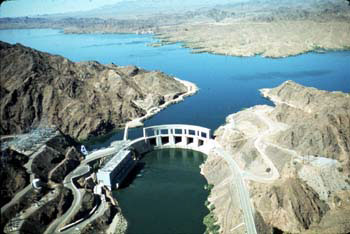
Parker Dam, Arizona – A Must‑See Engineering Marvel on the Colorado River
If you’re cruising the Southwest in search of awe‑inspiring scenery, historic feats of engineering, and tranquil water‑side moments, Parker Dam should be at the top of your itinerary. Nestled on the Arizona‑California border near the tiny community of Cienega Springs, this 98‑meter‑tall concrete‑gravity dam not only tames the mighty Colorado River but also offers a unique backdrop for photographers, history buffs, and outdoor enthusiasts alike. In this guide we’ll explore everything you need to know before you set foot (or boat) at Parker Dam, from its storied past to the best ways to experience the surrounding desert oasis.
About Parker Dam
Location: Cienega Springs, Arizona, United States
Coordinates: 34.296007, ‑114.139678
Height: 98 m (322 ft)
Altitude: 136 m (447 ft) above sea level
Parker Dam was completed in 1938 as part of the massive Colorado River Storage Project. Built by the U.S. Bureau of Reclamation, it was designed to create Lake Havasu, a reservoir that supplies water to Arizona, California, and Nevada while also generating hydroelectric power. At the time of its construction, Parker Dam was the tallest dam in the world, a title it held proudly for several years.
The dam’s concrete gravity design means it relies on sheer weight to hold back the river’s force—a testament to the ingenuity of 1930s engineering. Its strategic position on the Arizona‑California state line makes it a critical piece of water‑management infrastructure for the entire Southwest, regulating flow for agriculture, municipal use, and recreation downstream.
Beyond its functional importance, Parker Dam offers spectacular vistas of the Colorado River’s turquoise waters framed by rugged desert cliffs. The dam’s spillway and the surrounding shoreline create perfect photo‑ops at sunrise and sunset, when the desert sky paints the water in shades of gold and pink.
For a deep dive into the dam’s history, visit the Parker Dam Wikipedia page.
How to Get There
By Car
The most convenient way to reach Parker Dam is by driving. From Las Vegas, NV, take U.S. Route 95 South for roughly 150 mi until you reach the junction with Arizona State Route 95 (the historic Lake Havasu Highway). Continue eastward along AZ‑95; the dam sits just a few miles past the small town of Parker, AZ.
From Phoenix, AZ, hop onto I‑10 West toward Quartzsite, then follow AZ‑95 North to the dam. The total drive is about 260 mi and takes roughly 4 hours, with plenty of desert scenery along the way.
By Air
The nearest commercial airports are Las Vegas McCarran International Airport (LAS) and Phoenix Sky Harbor International Airport (PHX). Both airports offer rental‑car services and shuttle options to the highway. If you prefer a quicker hop, the Lake Havasu City Airport (HII) provides limited regional flights and is only a 30‑minute drive from the dam.
Public Transportation
Public transit options are limited in this remote desert region. However, Greyhound and Amtrak Thruway services stop in nearby Kingman, AZ, where you can rent a car or join a local tour that includes Parker Dam on its itinerary.
Parking & Access
A modest parking lot sits at the dam’s visitor overlook, providing free roadside parking for cars, RVs, and bicycles. The lot is located just off AZ‑95, with clear signage directing you to the Parker Dam overlook and Lake Havasu shoreline.
Best Time to Visit
| Season | Weather | Why Visit |
|---|---|---|
| Spring (Mar‑May) | Warm days (20‑30 °C) and mild evenings | Ideal for hiking, photography, and spotting desert wildflowers |
| Summer (Jun‑Aug) | Hot (30‑45 °C) | Perfect for water‑based recreation on Lake Havasu; bring plenty of sun protection |
| Fall (Sep‑Nov) | Comfortable temps (15‑28 °C) | Clear skies, fewer crowds, and great lighting for sunset shots |
| Winter (Dec‑Feb) | Cool (5‑15 °C) | Quiet atmosphere; excellent for bird‑watching and stargazing |
Tip: The dam’s spillway is most dramatic during spring runoff when snowmelt from the Rockies swells the Colorado River. If you love watching water cascade over a massive concrete wall, plan your visit between April and early May.
What to Expect
Scenic Overlook
The primary viewpoint offers a panoramic vista of the dam’s crest, the Lake Havasu shoreline, and the surrounding desert mountains. Binoculars are handy for spotting distant boats or eagles soaring above the water.
Photo Opportunities
- Sunrise: The early light casts a golden glow on the dam’s concrete façade.
- Midday: Capture the contrast between turquoise water and rust‑colored cliffs.
- Sunset: The sky ignites in orange and pink, reflecting off the reservoir—an Instagram favorite.
Quiet Recreation
While Parker Dam itself does not host a large visitor center, the adjacent Lake Havasu invites kayaking, paddle‑boarding, and fishing. Anglers can try their luck for striped bass, catfish, and largemouth bass—species common to the Colorado River system.
Educational Insight
Even without a formal museum, the interpretive signs near the overlook explain the dam’s role in water management, hydroelectric generation, and regional development. Take a few minutes to read about how the dam’s turbines feed electricity into the Southwest power grid.
Wildlife
Keep an eye out for bald eagles, peregrine falcons, and great blue herons that frequent the river corridor. The desert surrounding the dam supports cactus, sagebrush, and occasional wildflower blooms in spring.
Nearby Attractions
Exploring the area around Parker Dam opens up a handful of hidden gems, each just a short drive away:
| Attraction | Distance | What to See |
|---|---|---|
| Havasu Spring | 1.4 km | A natural spring feeding crystal‑clear water into the river—great for a quick photo stop. |
| Gene Wash 35-002 Dam | 2.5 km | A smaller, historic dam offering a glimpse into early 20th‑century water control projects. |
| Bristol Spring | 3.6 km | Secluded oasis surrounded by desert flora; perfect for a picnic or quiet contemplation. |
| Unnamed Spring | 6.1 km | A lesser‑known water source; ideal for adventurous hikers seeking solitude. |
| Unnamed Spring | 6.6 km | Another hidden spring that adds to the region’s unique hydrology. |
All attractions are reachable via local roads off AZ‑95. Bring plenty of water, sunscreen, and a map, as cell service can be spotty in the desert.
Travel Tips
- Bring Sun Protection – The desert sun is intense year‑round. Pack a wide‑brimmed hat, sunscreen (SPF 30+), and UV‑blocking sunglasses.
- Stay Hydrated – Even if you’re just stopping for photos, carry at least 2 liters of water per person.
- Check Water Levels – The Colorado River’s flow can fluctuate. If you plan water activities on Lake Havasu, verify current conditions at the Lake Havasu City Marina website.
- Timing for Photography – Arrive 30 minutes before sunrise or 30 minutes before sunset to secure the best spot at the overlook.
- Respect the Environment – Pack out all trash, stay on designated paths, and avoid disturbing wildlife or fragile desert plants.
- Safety First – The dam’s concrete surfaces can be slippery when wet. Wear sturdy shoes and keep an eye on children near the water’s edge.
- Combine with a Road Trip – Parker Dam makes an excellent midpoint on a Lake Havasu‑to‑Grand Canyon road trip, offering a scenic break before heading north.
Wrap‑Up
Parker Dam may not have the crowds of a theme park, but its blend of engineering brilliance, natural beauty, and peaceful desert ambiance makes it a standout destination for anyone traveling through the Southwest. Whether you’re a road‑trip enthusiast, a history lover, or simply someone chasing that perfect sunrise shot, Parker Dam delivers an unforgettable experience.
Pack your camera, fill your water bottle, and set your GPS to 34.296007, ‑114.139678—the heart of Arizona’s most impressive dam awaits. Safe travels!