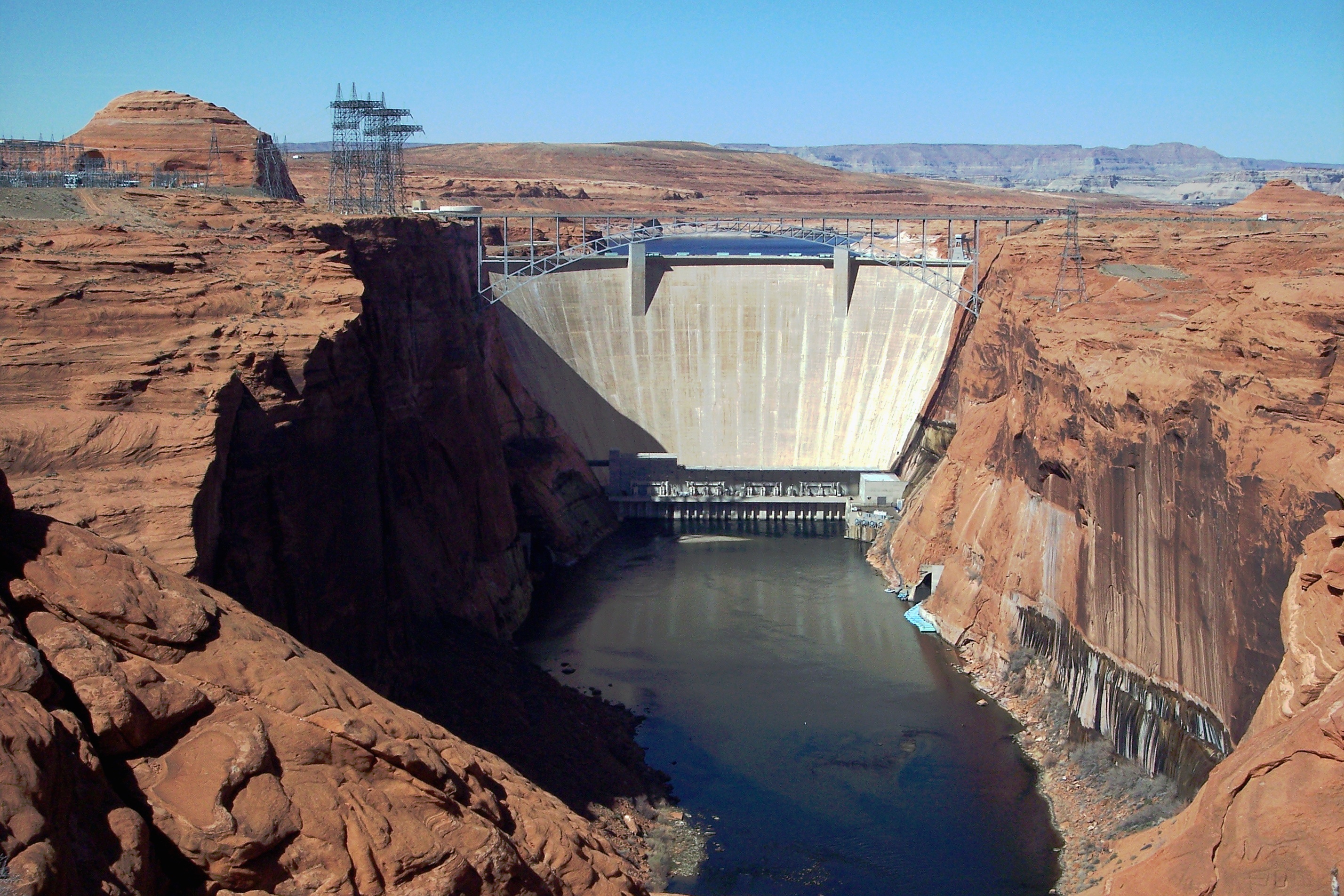
Glen Canyon Dam – Arizona’s Majestic Engineering Marvel
If you’re cruising through the high desert of northern Arizona, the towering silhouette of Glen Canyon Dam is impossible to miss. Rising 216.4 m above the Colorado River, this colossal structure not only reshapes the landscape but also offers a unique slice of American engineering history that every traveler should experience.
About Glen Canyon Dam
Located just outside the charming town of Page, Arizona, Glen Canyon Dam sits at an altitude of 1,094 m (3,590 ft) above sea level. Its precise coordinates are 36.937128, -111.483988, placing it in the heart of the spectacular Colorado River corridor. Constructed as a concrete arch‑gravity dam, it stretches across the river and creates a dramatic backdrop against the red‑rock cliffs of the surrounding canyon country.
The dam’s 216.4 m height makes it one of the tallest dams in the United States, and its presence has been pivotal for water storage, hydro‑electric power generation, and flood control throughout the Southwest. While the dam itself is a feat of engineering, it also serves as a gateway to the breathtaking scenery of the Glen Canyon National Recreation Area, where the turquoise waters of Lake Powell glisten beneath endless blue skies.
For a deeper dive into the dam’s history and technical details, check out the official Wikipedia entry: Glen Canyon Dam – Wikipedia.
How to Get There
By Car
- From Page, AZ: The dam is only a short 5‑minute drive (≈ 3 km) north of downtown Page. Follow US‑89 north; the dam’s visitor parking lot is clearly signed.
- From Las Vegas, NV: Take I‑15 north to the exit for US‑93, then continue east on US‑93 to US‑89 north. The total drive is about 4.5 hours (≈ 380 mi).
- From Phoenix, AZ: Hop onto I‑17 north to Flagstaff, then take I‑40 east to US‑89 north. Expect a 5‑hour, 340‑mile journey.
By Air
The Page Municipal Airport (PGA) receives seasonal commercial flights from Phoenix and Las Vegas. From the terminal, rent a car and follow the directions above.
Public Transportation
Greyhound and several regional shuttle services stop in Page. While there’s no direct public transit to the dam, a short taxi or rideshare ride will get you to the visitor center in minutes.
Best Time to Visit
| Season | Weather | Visitor Experience |
|---|---|---|
| Spring (Mar–May) | Pleasant 60‑80 °F (15‑27 °C) | Ideal for photography, mild hiking, and fewer crowds than summer. |
| Summer (Jun–Aug) | Hot 90‑105 °F (32‑40 °C) | Perfect for water‑based activities on Lake Powell, but bring sun protection. |
| Fall (Sep–Nov) | Comfortable 55‑75 °F (13‑24 °C) | Brilliant autumn colors in the canyon walls; great for sunrise views. |
| Winter (Dec–Feb) | Cool 30‑55 °F (‑1‑13 °C) | Quietest period; occasional snow dusts the rim, creating dramatic contrast. |
Pro tip: The dam’s visitor center operates year‑round, but sunrise and sunset are especially magical from late spring through early fall when the sky paints the canyon in gold and pink hues.
What to Expect
Arriving at Glen Canyon Dam, you’ll first notice the sheer scale of the concrete wall—its curvature hugging the canyon’s natural rock. The visitor center offers interactive exhibits that explain the dam’s purpose, its impact on the Colorado River ecosystem, and the engineering challenges overcome during construction.
From the observation deck, you can peer down the Colorado River as it rushes through the gorge, then look up at the Lake Powell reservoir that stretches for miles downstream. The view is a photographer’s dream: the turquoise water against rust‑colored cliffs, framed by the towering dam itself.
If you’re interested in a closer look, guided tours are available (check the visitor center schedule). These tours typically include a walk across the spillway, a chance to see the massive turbines up close, and insightful commentary from knowledgeable staff.
Beyond the dam, the surrounding landscape offers gentle walking paths, picnic spots, and plenty of opportunities for birdwatching. Keep an eye out for bald eagles, ospreys, and a variety of waterfowl that frequent the reservoir’s edges.
Nearby Attractions
While Glen Canyon Dam is the star of the show, the surrounding area brims with natural wonders that are perfect for a half‑day excursion:
- Fountain (0.2 km) – A small, picturesque water feature just a stone’s throw from the dam. Ideal for a quick photo stop.
- Page Effluent Ponds 2A & 2B Dam (2.9 km) – A lesser‑known dam and pond system offering tranquil views and a chance to observe local wildlife.
- Unnamed Spring (5.0 km) – A natural spring that adds a touch of serenity to the desert landscape.
- Unnamed Waterfall (5.1 km) – A hidden cascade that provides a refreshing backdrop for hikers.
- Unnamed Waterfall (5.4 km) – Another nearby waterfall, perfect for a short trek and a splash of cool mist.
Quick links:
- Fountain
- Page Effluent Ponds 2A & 2B Dam
- Spring
- Waterfall 5.1 km
- Waterfall 5.4 km
Tip: Combine a dam visit with a drive to Lake Powell or the iconic Antelope Canyon—both are within a 30‑minute radius and make for unforgettable day trips.
Travel Tips
| Tip | Why It Matters |
|---|---|
| Arrive early | Parking fills up quickly during peak season; early arrival guarantees a spot near the observation deck. |
| Dress in layers | Even in summer, mornings can be cool near the water; evenings get chilly at higher altitude. |
| Sun protection | The high desert sun is intense—wear a hat, sunscreen, and UV‑blocking sunglasses. |
| Stay hydrated | Carry at least 2 L of water per person, especially if you plan to hike nearby trails. |
| Check tour schedules | Guided dam tours operate on a set timetable; confirm times at the visitor center or online. |
| Respect the environment | Stay on designated paths, pack out all trash, and avoid disturbing wildlife. |
| Camera gear | A wide‑angle lens captures the dam’s massive span; a telephoto lens is useful for wildlife and distant canyon walls. |
| Accessibility | The visitor center and observation deck are wheelchair‑friendly; contact staff for any special assistance. |
| Local dining | After your dam adventure, head into downtown Page for a bite—try the famous Navajo tacos or a refreshing trout sandwich. |
| Safety | Keep a safe distance from the water’s edge and never climb on the dam structure. |
Final Thought
Glen Canyon Dam isn’t just an engineering landmark; it’s a portal to the raw, awe‑inspiring beauty of the American Southwest. Whether you’re a history buff, a nature lover, or a photographer chasing that perfect sunrise, the dam and its surrounding landscape deliver an unforgettable experience. Pack your camera, fill up the water bottle, and set your GPS to 36.937128, -111.483988—Arizona’s high‑desert treasure awaits. Safe travels!