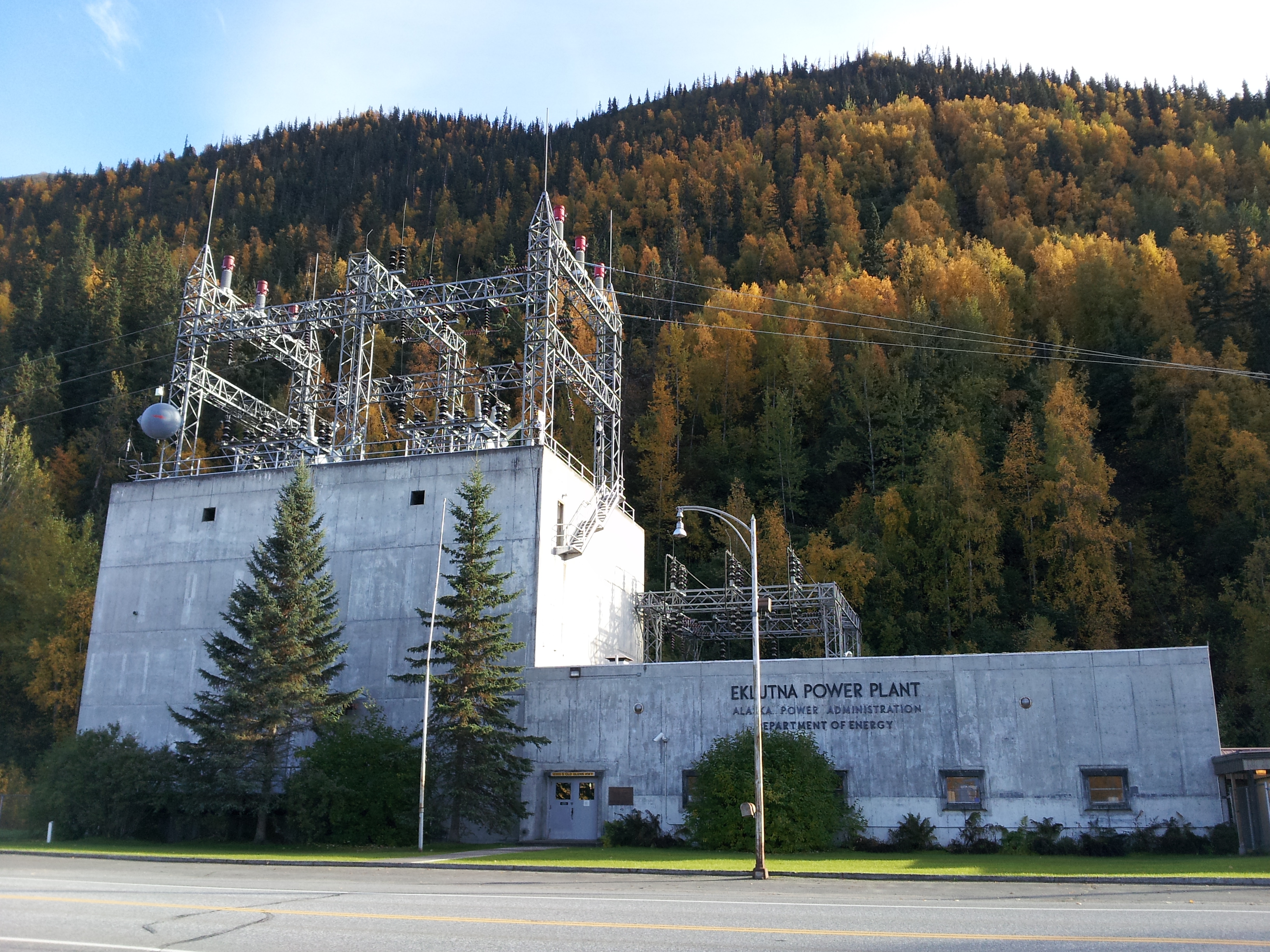
Discover the Quiet Power of Eklutna Dam – An Alaskan Hidden Gem
If you think Alaska is only about towering glaciers and bustling wildlife, think again. Tucked just 30 miles northeast of Anchorage lies the modest yet mesmerizing Eklutna Dam, a piece of engineering that quietly fuels the city while offering travelers a serene escape into the wilderness.
1. Introduction
There’s a special kind of magic in standing beside a dam that blends human ingenuity with raw nature. The Eklutna Dam (coordinates 61.404202, ‑149.150010) sits at the edge of the pristine Eklutna River, its concrete walls holding back crystal‑clear water that feeds both the city’s power grid and its drinking supply. For road‑trippers, hikers, and photography enthusiasts, the dam is a perfect stop‑over on an Alaskan adventure—offering dramatic vistas, tranquil picnicking spots, and a glimpse into the state’s sustainable energy story.
2. About Eklutna Dam
A Brief History
- Construction & Purpose – Built in the mid‑20th century, the dam was created to harness the kinetic energy of the Eklutna River. It now forms part of the Eklutna Hydroelectric Project, operated by the Anchorage Water & Wastewater Utility.
- Dual Role – The reservoir supplies clean drinking water to Anchorage while the hydro‑electric plant generates renewable electricity for the city’s grid.
Why It Matters
- Renewable Energy – As one of Alaska’s key hydroelectric facilities, Eklutna Dam reduces reliance on fossil fuels, contributing to the state’s climate‑action goals.
- Water Security – The dam’s reservoir is a vital source of fresh water for over 300,000 Anchorage residents.
- Scenic Value – Surrounded by dense spruce forests, alpine meadows, and the turquoise waters of Eklutna Lake, the dam offers an unexpectedly picturesque backdrop for travelers.
Fun fact: Although the exact height of the dam isn’t publicly disclosed, its presence is unmistakable against the surrounding wilderness.
3. How to Get There
| Starting Point | Approx. Distance | Recommended Route |
|---|---|---|
| Anchorage, AK | ~30 mi (48 km) | Take Eklutna Lake Road (AK‑3) north from the Glenn Highway (AK‑1). Follow signs for Eklutna Lake; the dam is located just before the lake’s western shoreline. |
| Talkeetna, AK | ~55 mi (89 km) | Head south on the Parks Highway (AK‑3), then turn onto Eklutna Lake Road. |
| Fairbanks, AK | ~250 mi (402 km) | Travel south on AK‑2 to the Glenn Highway, then follow the same route as from Anchorage. |
Practical Tips
- Road Conditions: The road is paved but can be icy in early spring or late fall. Check the Alaska Department of Transportation’s live road‑status map before you set out.
- Parking: A small, free parking lot sits near the dam’s visitor area. It fills up quickly during summer weekends, so arrive early (before 10 am).
- Restrooms: Portable toilets are available near the parking lot; bring hand sanitizer.
4. Best Time to Visit
| Season | What to Expect | Why It’s Ideal |
|---|---|---|
| Summer (June‑August) | Long daylight hours, vibrant wildflowers, calm lake conditions. | Perfect for photography, picnics, and easy hiking. |
| Fall (September‑October) | Golden aspen and spruce, crisp air, fewer crowds. | Ideal for leaf‑peeping and spotting moose near the water’s edge. |
| Spring (May‑Early June) | Melting snow, rising water levels, occasional waterfalls. | Great for witnessing the dam’s power in action, but road may be slick. |
| Winter (November‑April) | Snow‑covered landscape, frozen reservoir. | Scenic for a quick drive, but access may be limited; not recommended for hiking. |
Peak visitor season is July, so if you crave solitude, aim for early June or late August.
5. What to Expect
The Experience
- First Glance: As you pull into the parking area, the dam’s concrete face rises against a backdrop of towering spruce trees and the shimmering Eklutna River. The water’s steady rush creates a soothing soundscape—perfect for a moment of contemplation.
- Walking Trail: A short, well‑maintained trail leads from the parking lot to a viewing platform. The path is flat, wheelchair‑accessible, and offers multiple photo‑ops of the spillway and the reservoir.
- Wildlife Spotting: Keep your eyes peeled for bald eagles soaring overhead, river otters playing near the banks, and occasional moose grazing in the meadow.
- Picnic Spots: Benches and a few picnic tables are scattered near the water’s edge. Bring a packed lunch and enjoy the gentle hum of turbines in the background.
Photographic Highlights
- Golden Hour Reflections: The dam’s surface mirrors the Alaskan sky, especially at sunrise and sunset.
- Close‑up of Turbines: If you’re interested in engineering, a short walk behind the visitor fence (no trespassing) lets you glimpse the turbine housings.
- Night Sky: With minimal light pollution, the area is a superb spot for astrophotography—capture the Milky Way over the dam’s silhouette.
6. Nearby Attractions
After soaking in the calm of Eklutna Dam, venture a short drive to explore the surrounding natural wonders. All distances are measured from the dam’s visitor area.
| Attraction | Distance | What to See | Link |
|---|---|---|---|
| Thunder Bird Falls | 11.7 km | A powerful cascade dropping into a moss‑lined pool. | Thunder Bird Falls (Wikipedia) |
| Thunder Bird Falls (alternate entry) | 11.9 km | Same waterfall accessed via a different trailhead for varied scenery. | Thunder Bird Falls (Wikipedia) |
| Thunderbird Falls Trailhead | 12.7 km | Starting point for a moderate hike to the falls; offers panoramic forest views. | Thunderbird Falls Trailhead (Wikipedia) |
| Pioneer Creek | 13.7 km | A quiet creek with gentle riffles—ideal for a short nature walk. | Pioneer Creek (Wikipedia) |
| Unnamed Fountain | 19.2 km | A small natural spring that creates a delicate water spray—perfect for a quick photo stop. | (No dedicated article – local knowledge) |
Tip: Combine the dam visit with a hike to Thunderbird Falls for a half‑day adventure. The trail is moderate (≈2 mi round‑trip) and well‑marked.
7. Travel Tips
- Pack Essentials: Even in summer, Alaskan weather can shift quickly. Bring a waterproof jacket, sturdy hiking shoes, and layers.
- Bear‑Aware: The area is bear country. Carry bear spray, make noise on the trail, and store food in sealed containers.
- Stay Hydrated: While the dam supplies drinking water to Anchorage, the reservoir water isn’t treated for visitors. Bring your own water or a reliable filtration system.
- Leave No Trace: Use the designated trash bins, stay on marked paths, and respect wildlife.
- Timing: Arrive early on weekends to avoid the limited parking lot filling up.
- Photography Gear: A polarizing filter helps cut glare off the water; a wide‑angle lens captures the expansive landscape.
- Connectivity: Cell service can be spotty; download offline maps (Google Maps or Alaska’s “TrailMap” app) before you go.
8. Wrap‑Up: Why Eklutna Dam Should Be on Your Alaska Itinerary
Eklutna Dam may not boast the towering height of the Hoover Dam or the dramatic canyon of Glen Canyon, but its quiet presence tells a compelling story of sustainable energy, community resilience, and natural beauty. It offers travelers a rare blend of engineering insight and wilderness serenity—all within a short drive from Anchorage.
Whether you’re a road‑trip enthusiast looking for a scenic stop, a photography buff hunting for that perfect reflection, or an eco‑traveler eager to see renewable power in action, the Eklutna Dam delivers an unforgettable Alaskan experience.
Pack your camera, respect the land, and let the gentle rush of the Eklutna River guide you into the heart of Alaska’s untamed spirit.
Keywords used: Eklutna Dam, Alaska travel, Butte Alaska, Eklutna River, hydroelectric dam, Anchorage water supply, outdoor adventure Alaska, Alaska waterfalls, Thunderbird Falls, Thunder Bird Falls, Pioneer Creek, travel tips Alaska.


